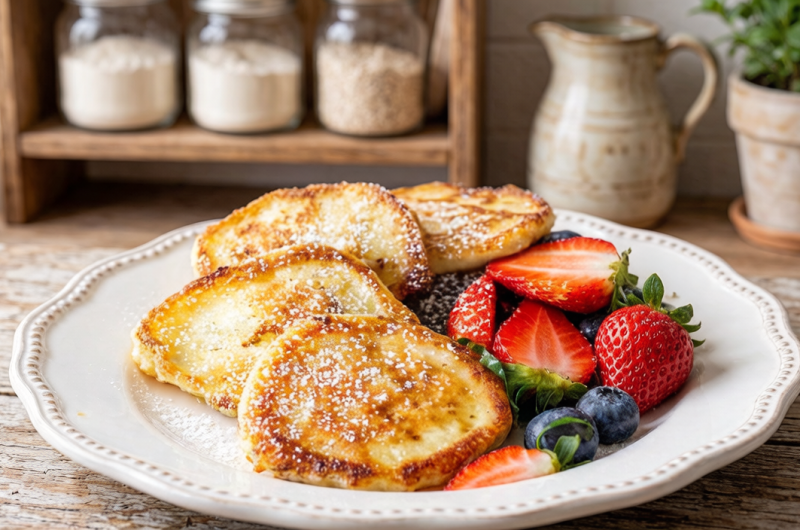
Cottage cheese pancakes have become one of the most searched high-protein breakfast recipes for good reason. They are fluffy, tender, and packed with protein while still delivering the comforting taste of traditional pancakes. By adding cottage cheese to the batter, you create a richer texture and a subtle tang that enhances flavor without overpowering it. These protein pancakes are ideal for anyone looking to upgrade their morning routine with a more nutritious yet satisfying option.
What Makes Cottage Cheese Pancakes Different from Regular Pancakes
Unlike classic pancake recipes that rely mainly on flour and milk, cottage cheese pancakes include a dairy-rich ingredient that changes both texture and nutrition. Cottage cheese adds moisture, protein, and structure to the batter. When cooked properly, the pancakes remain soft inside while developing golden-brown edges. The result is a stack that feels indulgent yet offers more protein per serving than traditional pancakes.
The Texture and Flavor You Can Expect
These pancakes have a light, fluffy interior with a slightly creamy bite. The cottage cheese melts gently into the batter during cooking, creating tender pockets throughout each pancake. Depending on how you mix the batter, you can achieve a chunkier texture with visible curds or a completely smooth consistency. The flavor is mildly tangy, balanced perfectly with sweet or savory toppings.
Choosing the Best Cottage Cheese for Pancakes
Not all cottage cheese varieties perform the same way in pancake batter. Small-curd cottage cheese blends more smoothly and distributes evenly throughout the mixture. Full-fat cottage cheese produces richer pancakes with a creamier mouthfeel. Low-fat or non-fat versions work well if you prefer a lighter option. Regardless of the type, ensure the cottage cheese is fresh and well-drained to avoid excess moisture in the batter.
Selecting the Right Flour for Your Preference
The type of flour you choose affects both texture and nutrition. All-purpose flour provides classic fluffiness and reliable structure. Whole wheat flour adds a slightly nutty flavor and extra fiber. Oat flour offers a gluten-free alternative with a heartier texture. Almond flour can be used for a low-carb variation, though it creates denser pancakes. Each option brings a unique twist while maintaining the core recipe structure.
How to Perfect the Pancake Batter
The way you mix your batter directly influences the final result. For pancakes with visible pockets of cottage cheese, stir the ingredients gently by hand. If you prefer a smoother, more uniform texture, blend all ingredients in a blender or food processor until creamy. Avoid overmixing if stirring manually, as this can make pancakes dense instead of fluffy. Proper mixing ensures light and airy results.
Cooking Temperature Matters
Cooking these pancakes over medium heat is key to achieving golden edges without burning. If the heat is too high, the outside may brown too quickly while the inside remains undercooked. Allow the skillet to preheat evenly before adding batter. Patience during cooking ensures each pancake cooks thoroughly while maintaining a soft interior.
The Best Oils for Frying Pancakes
Using a non-stick pan or cast-iron skillet gives the best results. Light olive oil, canola oil, or coconut oil help create a crispy, golden-brown surface. Butter adds rich flavor but may brown faster, so monitor the heat carefully. Reapply oil between batches to prevent sticking and maintain consistent texture throughout the cooking process.
Cooking Process
Prepare your batter according to your texture preference. Heat a lightly oiled skillet over medium heat. Spoon small portions of batter onto the pan, leaving space between each pancake. Cook until bubbles form on the surface and edges begin to set. Flip carefully and cook the other side until golden brown. Repeat with remaining batter, adjusting heat as needed to prevent burning.
Sweet Topping Ideas for Cottage Cheese Pancakes
These protein pancakes pair beautifully with sweet toppings. Drizzle maple syrup or honey for classic flavor. Add fresh berries like blueberries, raspberries, or sliced strawberries for natural sweetness. Greek yogurt with a sprinkle of cinnamon provides extra protein. Nut butters such as peanut or almond butter offer creamy richness and added nutrients. These options transform your pancakes into a complete breakfast.
Savory Serving Suggestions
Cottage cheese pancakes are versatile enough to work in savory dishes. Spread cream cheese or ricotta on top and add smoked salmon for a brunch-style plate. Top with a sunny-side-up egg and avocado slices for a filling meal. A drizzle of hot sauce or a sprinkle of herbs can add a bold twist. These savory combinations highlight the adaptability of this recipe.
Meal Prep and Storage Benefits
One advantage of this recipe is how well it stores. You can prepare the batter ahead of time and refrigerate it overnight. Stir well before cooking to redistribute ingredients. Cooked pancakes can be stored in an airtight container in the refrigerator for up to three days. For longer storage, freeze pancakes with parchment paper between layers to prevent sticking.
Reheating Tips for Best Texture
To reheat, use a skillet with a small amount of oil to restore crispness. You can also warm them in an oven or microwave, though skillet reheating provides better texture. Frozen pancakes should be thawed or heated directly from frozen in a toaster oven for convenience. Proper reheating ensures the pancakes remain fluffy and enjoyable.
Nutritional Benefits of Cottage Cheese Pancakes
These pancakes are higher in protein compared to traditional recipes. Cottage cheese contributes protein and calcium, making the meal more balanced. Depending on flour choice, you can also increase fiber content. The flexibility of toppings allows you to adjust nutritional value to meet your needs. Whether for fitness goals or general wellness, this breakfast fits easily into many dietary plans.
Notes for Best Results
Use small-curd cottage cheese for smoother batter. Cook over medium heat to prevent burning. Avoid overcrowding the skillet. Choose oil that withstands moderate heat. Stir batter gently before each batch if it rests for a while. Store leftovers properly to maintain freshness. These steps help guarantee consistent and delicious pancakes every time.
Why This Recipe Works for Every Lifestyle
Cottage cheese pancakes offer a balance of flavor, nutrition, and versatility. They are easy to prepare, adaptable to different dietary preferences, and suitable for both sweet and savory meals. Whether you are seeking a protein-packed breakfast, a family-friendly brunch idea, or a meal-prep option, this recipe provides dependable results with simple ingredients and straightforward steps.
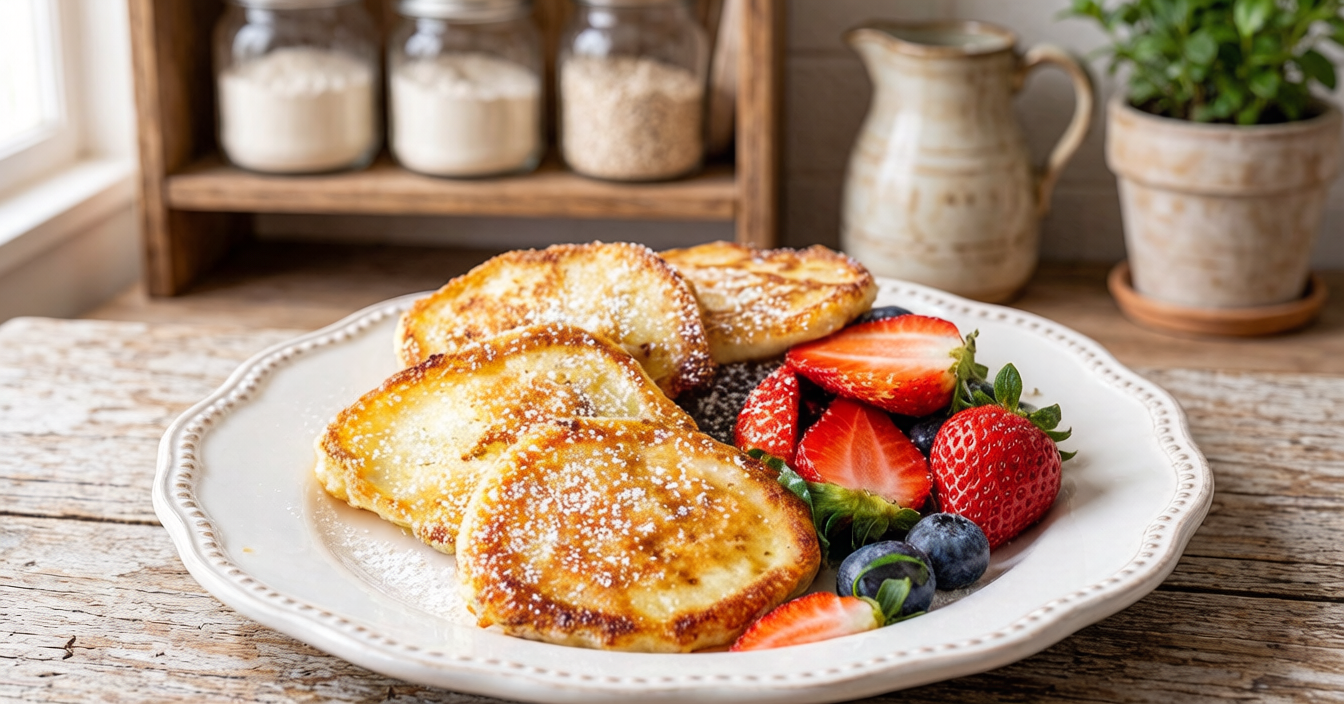
Perfect Cottage Cheese Pancakes recipe
Cottage cheese pancakes are an easy, high-protein breakfast option that will keep you full and energized. Whether you prefer them sweet or savory, this recipe is customizable and perfect for any occasion. With a crispy exterior and a soft, melt-in-your-mouth center, these pancakes will quickly become a staple in your morning routine. Give them a try today and experience the deli
8
servings25
minutes20
minutes214
kcal45
minutesIngredients
1 ½ cups cottage cheese
4 large eggs
1 teaspoon vanilla extract
2 tablespoons sugar
1 tablespoon baking powder
1 cup flour (all-purpose, whole wheat, or oat flour)
¼ cup canola oil (for frying)
Directions
- In a large bowl, mix together the cottage cheese and eggs until combined.
- Stir in vanilla extract, sugar, and baking powder.
- Gradually add flour, mixing until the batter is smooth. (For a smoother texture, blend the mixture in a blender.)
- Preheat a skillet over medium heat and add canola oil for frying.
- Using a large cookie scoop (about 3 tablespoons per pancake), drop the batter into the hot skillet.
- Cook until the edges turn golden brown, then flip and cook the other side until fully done.
- Serve warm with maple syrup, fresh fruit, jam, or butter.
Notes
- Notes:
Yields 16 pancakes (2 per serving).
For extra crispy edges, use a cast-iron skillet and fry with butter.
Make it gluten-free by swapping flour for almond or oat flour.
Nutrition Facts
- Serving Size: 8 g
- Total number of serves: 1
- Calories: 214kcal
- Fat: 11g
- Saturated Fat: 2g
- Cholesterol: 90mg
- Sodium: 215mg
- Potassium: 251mg
- Carbohydrates: 17g
- Fiber: 1g
- Sugar: 5g
- Protein: 10g