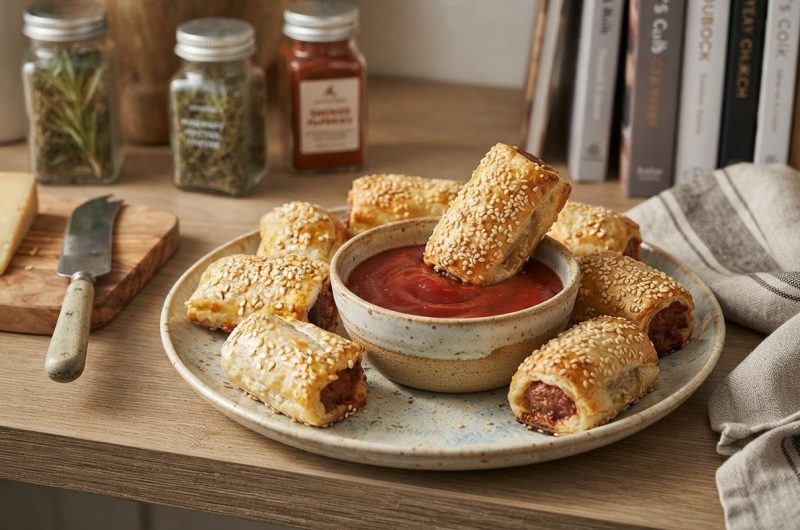
Sourdough sausage rolls represent a sophisticated twist on a classic British snack, combining traditional sausage roll preparation with the tangy complexity that sourdough fermentation provides. These savory pastries have been enjoyed in Britain for generations, appearing at picnics, parties, and casual gatherings as an accessible yet impressive snack. The marriage of buttery, flaky puff pastry with seasoned sausage filling creates a textural contrast that appeals universally. Adding sourdough discard to the pastry elevates this classic beyond standard versions by introducing subtle tang and improved digestibility through fermentation. The sourdough element adds depth to the flavor profile without overwhelming the savory sausage filling. Understanding how sourdough discard contributes to pastry quality helps you appreciate why this variation produces superior results compared to versions made without fermented flour components.
Why Sourdough Discard Enhances Pastry Quality
Sourdough discard contains active yeast and bacteria that contribute beneficial fermentation to pastry, creating better flavor and texture than pastry made with unfermented flour alone. The fermentation process breaks down flour components, making them more digestible while creating subtle tangy flavors that complement sausage filling beautifully. Using discard rather than active starter works equally well because the yeast and bacteria remain viable even after days or weeks of storage. The lactic acid produced during sourdough fermentation reacts with the pastry, creating more tender, flaky layers than all-butter puff pastry can achieve alone. Incorporating sourdough discard reduces food waste while creating something genuinely delicious from what would otherwise be discarded. The subtle tang from sourdough doesn’t overpower the sausage filling but rather enhances the overall flavor complexity. Whether using recently fed discard or older discard from the back of your refrigerator, the fermentation benefits remain present.
Creating Rough Puff Pastry Foundation
Rough puff pastry, also called laminated pastry, creates the flaky, buttery layers that define quality sausage rolls. Unlike traditional puff pastry made with multiple complex folds, rough puff uses a simpler technique while still creating impressive flakiness. The key to rough puff pastry is incorporating cold butter throughout the flour in small pieces rather than completely cutting it in. These butter pieces create steam pockets during baking, causing the pastry to rise and develop layers. Combining flour, salt, and cold butter creates the base to which sourdough discard and water are added. The dough should be mixed minimally to avoid overdeveloping gluten while ensuring ingredients are incorporated. Chilling the dough before folding allows gluten to relax and butter to firm up, making folding easier and creating better layer development.
Understanding the Folding Process for Flaky Layers
The folding process, performed multiple times during pastry preparation, creates the characteristic flaky layers in rough puff pastry. Rolling the chilled dough into a rectangle and folding the shorter ends toward the center creates a tri-fold. The dough is then chilled, rotated ninety degrees, and the process repeats. Multiple folds distribute the butter throughout the dough evenly, creating numerous thin butter layers that puff during baking. Each fold approximately triples the number of butter layers, so three folds create substantial layering without the exhaustive folding required for traditional puff pastry. Chilling between folds prevents the dough from becoming too warm, which would cause butter to melt and blend with the dough rather than remaining as distinct pieces. The finished pastry, after proper folding and chilling, should be golden and flaky when baked.
Selecting Quality Sausage Meat for Filling
The sausage meat quality significantly impacts the finished roll’s flavor and texture, making ingredient selection crucial. Using fresh sausage meat rather than pre-made links allows customization of seasoning and ensures quality. Ground pork mixed with beef or lamb creates interesting flavor combinations, though recipes vary. The sausage should contain adequate fat—too lean creates dry, unpleasant filling while excessively fatty filling becomes greasy. Adding vegetables like minced carrot and onion increases nutritional value while contributing moisture and flavor. Fresh or dried herbs complement the sausage filling without overpowering it. Some recipes include breadcrumbs or other binders to prevent the filling from being too loose, though this is optional. The finished filling should be well-seasoned and cohesive enough to hold together during rolling and baking while remaining moist and flavorful.
Incorporating Vegetables for Flavor and Nutrition
Adding finely diced carrots and onions to sausage filling increases vegetables in your diet while contributing moisture and subtle sweetness. Cooking the vegetables briefly before mixing with sausage meat allows them to release moisture and develop flavor through cooking. Allowing cooked vegetables to cool before mixing prevents the heat from affecting the sausage meat texture. The vegetables should be diced finely enough to integrate with the sausage rather than creating noticeable chunks. Some recipes include finely minced garlic or other aromatics for additional flavor complexity. The vegetables should be soft enough to incorporate evenly but not so overcooked that they become mushy. The ratio of vegetables to sausage affects the final texture—too many vegetables creates loose filling while too few creates meat-heavy rolls.
Using Tomato Chutney for Tangy Complexity
Tomato chutney adds tangy, complex flavors to sausage filling that complement the sausage and sourdough pastry beautifully. Commercial tomato chutney works well, though homemade chutney provides superior flavor. The chutney should be finely minced or spreadable to distribute evenly throughout the filling rather than creating chunky pockets. The amount of chutney affects the final flavor—too much creates sour-tasting filling while too little remains unnoticeable. The chutney’s acidity balances the richness of sausage meat and pastry, preventing the rolls from feeling overly heavy. Some recipes use different types of chutney—mango chutney, apple chutney, or other varieties—each creating different flavor profiles. The chutney can be mixed directly into the sausage filling or spread thinly on the pastry before adding filling, depending on preference.
Shaping and Sealing Sausage Rolls Properly
Rolling the pastry to the correct thickness and evenly distributing filling ensures sausage rolls cook evenly and have the ideal ratio of pastry to filling. Rolling the pastry too thin creates rolls with excessive filling relative to pastry, while rolling too thick creates doughy rolls lacking proper texture. Spreading filling evenly across the pastry surface ensures consistent filling in each roll. Leaving a border around the edges allows the pastry to seal properly without filling escaping during baking. Rolling the pastry tightly around the filling creates a cohesive unit that maintains shape during cooking. Sealing the seam with egg wash ensures the rolls hold together without separating. Chilling the shaped rolls briefly before baking allows the pastry to rest and the gluten to relax, preventing excessive shrinkage during baking.
Applying Egg Wash for Golden Appearance
Brushing shaped rolls with beaten egg creates a shiny, golden-brown finish that makes them look professionally made. Egg wash is simply one egg beaten with one tablespoon of water or milk. Applying it generously but evenly ensures consistent browning across all rolls. Using a pastry brush creates the most even coverage, though fingers work if brushes aren’t available. The egg wash should be applied just before baking—applying it too far in advance allows it to dry and reduces browning effectiveness. Some recipes add a pinch of salt to the egg wash or include sesame seeds or poppy seeds for additional texture and appearance. The finished rolls, after egg washing, should appear glossy and appetizing.
Baking for Golden Perfection and Safe Internal Temperature
Baking sausage rolls at the correct temperature and duration creates golden pastry while ensuring the filling reaches a safe internal temperature. Most recipes bake at approximately four hundred degrees Fahrenheit until the pastry is golden brown. The baking time varies depending on roll size—smaller rolls bake faster than larger ones. The filling should reach one hundred sixty-five degrees Fahrenheit when measured with a meat thermometer. The pastry should be golden brown but not excessively dark, which indicates over-baking. Rotating the baking sheet halfway through baking promotes even browning. The rolls should release easily from the baking sheet when done, indicating they’re properly cooked on the bottom.
Cooling and Storage Recommendations
Allowing sausage rolls to cool briefly on a wire rack prevents steam from creating soggy bottoms while remaining warm enough to enjoy. Completely cooled rolls can be stored in airtight containers in the refrigerator for several days or frozen for several weeks. Refrigerated rolls can be reheated in a conventional oven, toaster oven, or air fryer to restore crispiness. Microwave reheating, while convenient, often results in soggy pastry—conventional methods preserve texture better. Frozen rolls can be baked directly from frozen with slightly increased baking time, or thawed before reheating. The rolls maintain quality best when stored at room temperature in paper towels rather than airtight containers, which traps moisture and softens pastry.
Why Homemade Sausage Rolls Surpass Store-Bought Versions
Creating sausage rolls at home provides numerous advantages over purchasing store-bought versions. Homemade versions taste fresher and more flavorful because they’re prepared to order rather than sitting in packages for extended periods. You control all ingredients, ensuring quality sausage meat and pastry without additives or preservatives. The satisfaction of creating something from basic components adds emotional value that pre-made products cannot provide. Homemade pastry, whether rough puff or all-butter, typically tastes superior to commercial versions. The opportunity to customize filling ingredients means you can adapt the recipe to personal preferences. Making sausage rolls at home costs significantly less than purchasing from bakeries or specialty shops. The impressive appearance and delicious flavor make homemade rolls suitable for entertaining or gift-giving.
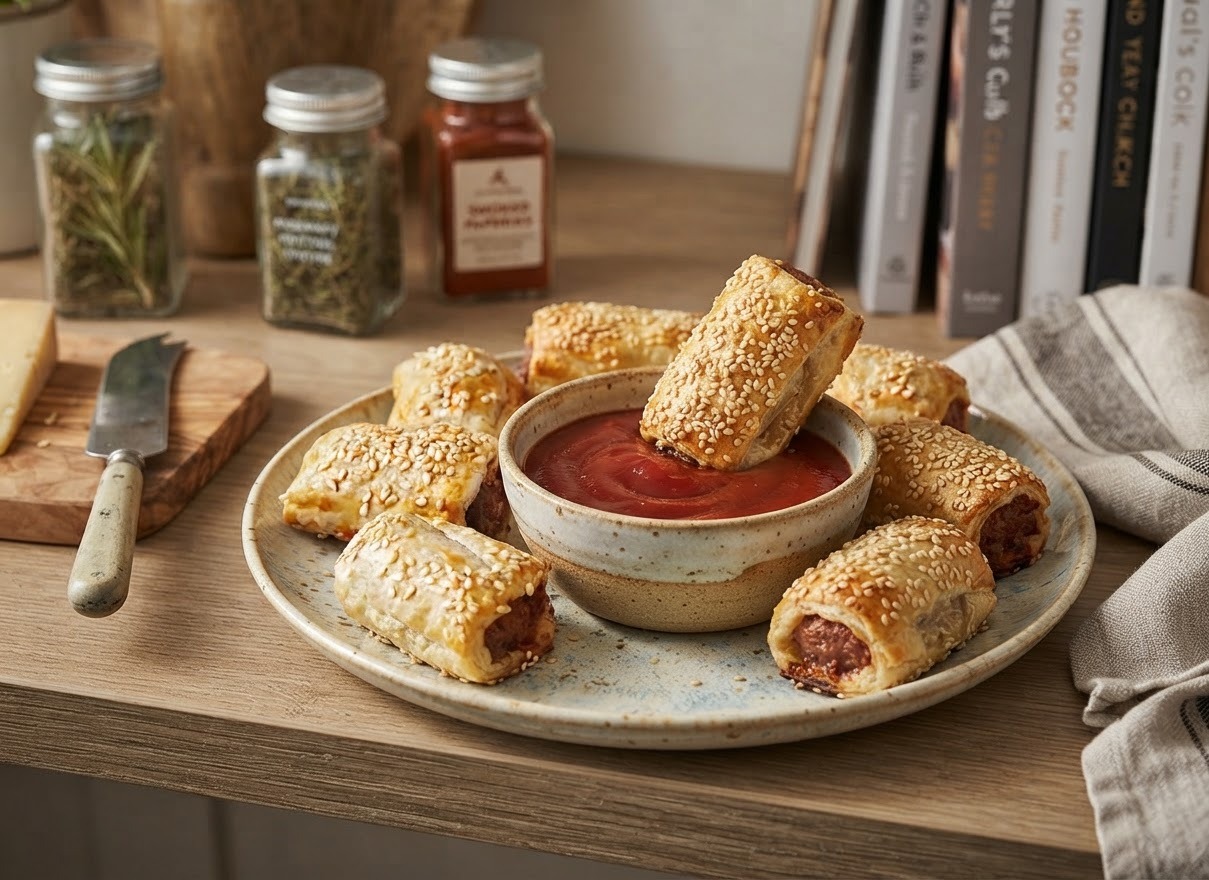
Sourdough Sausage Rolls
Embrace the essence of a hearty breakfast with these sumptuous Sourdough Breakfast Rolls, boasting a harmonious blend of eggs, cheese, and sausage encased within a flaky pastry shell. Perfect for on-the-go mornings or leisurely brunches, these rolls are a testament to culinary indulgence.
4
servings30
minutes30
minutes281
kcal1
hourIngredients
- Sourdough Rough Puff Pastry
200 grams of all-purpose flour
7 grams of salt
113 grams of sourdough discard
75 grams of water
226 grams of cold unsalted butter, cut into 1 tablespoon portions
- Filling
454 grams of sausage, casing removed
½ medium-sized onion, finely diced
1 teaspoon of dried sage
1 teaspoon of ground black pepper
⅛ teaspoon of grated nutmeg
½ teaspoon of ground coriander seeds
½ teaspoon of ground fennel seeds
Salt to taste
- Egg Wash
1 egg, separated into white and yolk
Directions
- Crafting the Crust: Combine flour and salt, then incorporate cold butter until crumbly. Dissolve sourdough discard in water and mix into the dough until fully hydrated.
- Laminating the Dough: Roll out the dough, fold, and chill at intervals, ensuring a flaky texture.
- Preparing the Filling: Combine sausage, onion, and spices, ensuring even distribution of flavors. Season to taste and refrigerate until ready to use.
- Assembling: Roll out the dough, divide, and fill with the sausage mixture. Seal and brush with egg wash for a golden finish.
- Baking: Place rolls on a lined baking sheet and bake until golden brown and cooked through.
- Serving and Storage: Allow to cool slightly before serving. Store any leftovers in the refrigerator for up to three days.
Notes
- Reheating: Reheat in an air fryer or conventional oven to maintain crispness and flavor.
Nutrition Facts
- Calories: 281kcal
- Fat: 22g
- Cholesterol: 70mg
- Sodium: 407mg
- Carbohydrates: 13g
- Fiber: 1g
- Protein: 7g