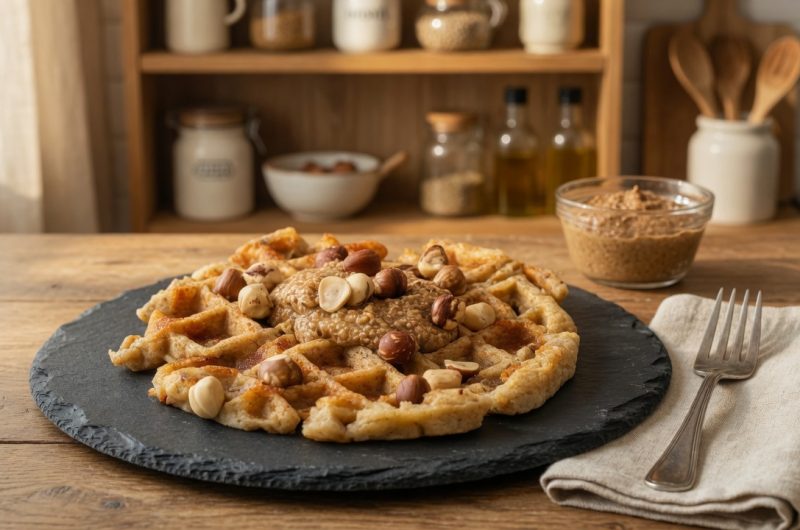
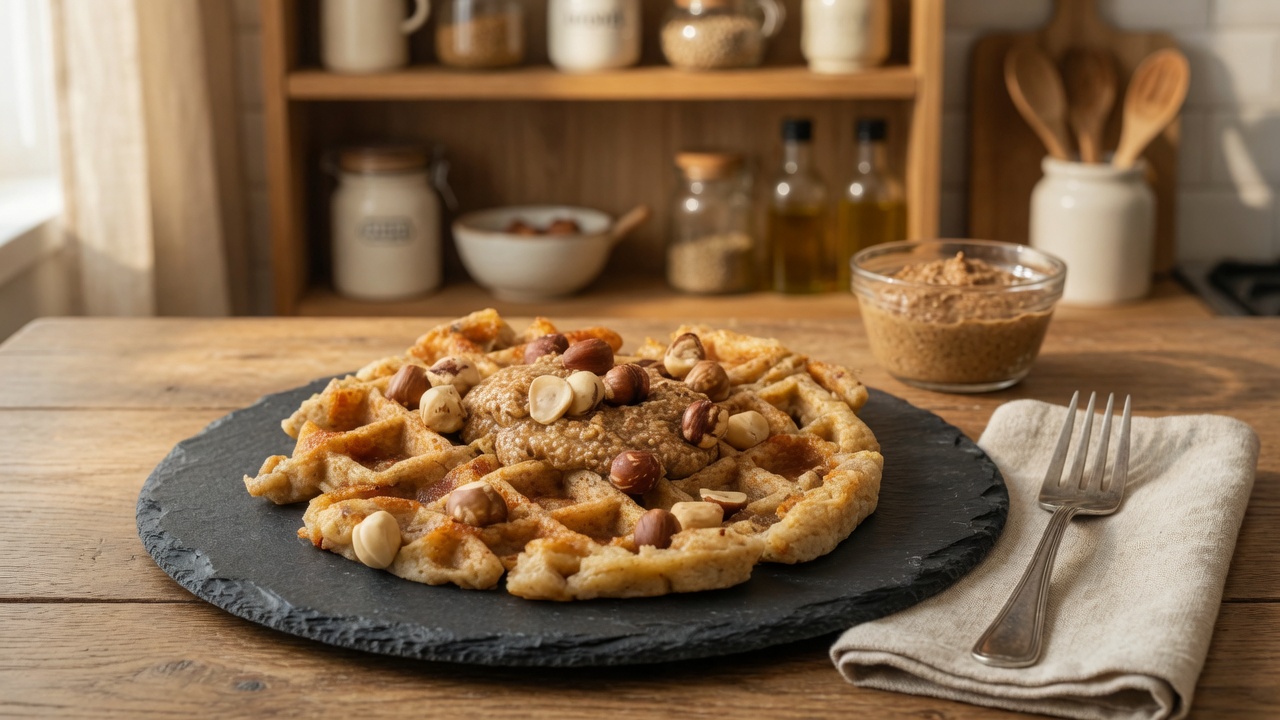
Peanut butter chaffles represent a clever low-carb twist on traditional waffles, combining the simplicity of chaffles with the familiar, comforting flavor of peanut butter. These savory-sweet creations appeal to people following ketogenic or low-carbohydrate diets seeking breakfast options that taste indulgent without compromising their nutritional goals. The combination of eggs and melted cheese creates a crispy exterior with a surprisingly waffle-like texture that rivals traditional waffles made with flour. Adding peanut butter transforms basic chaffles into something memorable that evokes nostalgia for peanut butter toast. Unlike standard chaffles that require an acquired taste, peanut butter chaffles appeal to a broader audience because the nutty flavor is universally appreciated. The recipe’s simplicity—requiring just five ingredients and minimal preparation time—makes these chaffles accessible to busy people seeking quick, satisfying breakfasts.
Why Chaffles Represent a Low-Carb Alternative
Chaffles emerged from the low-carb community as an ingenious solution for people craving waffle-like textures while maintaining strict carbohydrate limits. Traditional chaffles use only eggs and cheese, creating a protein-rich base that’s remarkably adaptable to various flavor additions. The combination of eggs and melted cheese creates a batter that behaves similarly to wheat-based waffle batter while containing only two to three grams of net carbohydrates per chaffle. The eggs provide structure and moisture while cooking in the waffle iron, while the cheese contributes richness and helps create the crispy exterior. Understanding why chaffles work reveals the chemistry behind this low-carb innovation. The protein in eggs and cheese coagulates during cooking, creating the structure that allows the chaffle to hold together and develop crispy edges. The fat in both cheese and eggs creates moisture and richness that prevents chaffles from becoming dry or bland.
Selecting Quality Peanut Butter Without Added Sugar
The peanut butter you choose fundamentally affects the chaffle’s flavor and nutritional profile, making ingredient selection crucial. Natural peanut butter containing only peanuts and salt provides pure peanut flavor without added sugars or hydrogenated oils. Reading ingredient labels carefully ensures you’re selecting truly natural peanut butter rather than products with added sugars or stabilizers. Some natural peanut butters have a layer of oil on top that separates from the peanut solids—stirring before using distributes the oil throughout the peanut butter. Creamy peanut butter mixes more smoothly into the batter than chunky varieties, though either works. The quality of peanuts affects the peanut butter’s flavor—higher quality peanut butters taste noticeably better and create superior chaffles. Avoiding peanut butters with added sugar is particularly important for those strictly limiting carbohydrates, as even small sugar additions accumulate when preparing multiple chaffles.
Understanding Erythritol and Sugar-Free Sweetening
Erythritol, a sugar alcohol derived from corn, provides sweetness without calories or carbohydrates, making it ideal for low-carb cooking. Powdered erythritol mixes more smoothly into batters than granulated erythritol, creating a more uniform sweetness distribution. The amount of erythritol affects how sweet the chaffles taste—some people prefer additional sweetness while others minimize it to let peanut flavor shine. Erythritol can sometimes create a slightly cooling sensation or aftertaste if used excessively, so moderation is wise. Other sugar-free sweeteners like monk fruit or stevia can substitute for erythritol in equal amounts. The choice of sweetener affects the final flavor slightly—erythritol provides clean sweetness, stevia brings herbal notes, and monk fruit offers mild sweetness. Combining sweeteners sometimes provides better results than using a single type, as this can balance aftertastes some people notice.
The Importance of Room Temperature Eggs
Using room-temperature eggs ensures they mix smoothly and incorporate evenly throughout the chaffle batter. Cold eggs from the refrigerator don’t blend as smoothly, potentially creating lumpy batter with uneven texture in the finished chaffles. If you forget to remove eggs from the refrigerator ahead of time, placing them in warm water for five to ten minutes brings them to temperature quickly. Room-temperature eggs create a more homogeneous mixture that cooks evenly in the waffle iron. The binding properties of room-temperature eggs are superior to cold eggs, helping the chaffle hold together during cooking. Some people whisk eggs lightly before adding other ingredients to incorporate air, which contributes to lighter texture, though this step is optional.
Melting Cheese Properly for Smooth Batter
Melting cheese correctly ensures smooth batter without visible cheese pieces that create uneven texture. Using a double boiler or carefully microwaving cheese allows gentle melting without burning. Microwaving typically requires thirty to sixty seconds in thirty-second intervals, stirring between intervals to check progress. The melted cheese should be warm and pourable without being excessively hot, which could cook the eggs prematurely. Mozzarella cheese, being lower in moisture than many cheeses, melts smoothly without creating oily, separated batter. The warmth of melted cheese keeps the batter warm but not hot, which is the ideal temperature for cooking. Using freshly shredded cheese from a block rather than pre-shredded varieties prevents anti-caking agents from affecting how smoothly the cheese melts. The finished melted cheese should be completely smooth with no visible lumps or separated oil.
Combining Ingredients for Uniform Batter
Creating uniform batter requires methodical mixing to ensure all ingredients distribute evenly. Combining eggs, melted cheese, erythritol, peanut butter, vanilla, and salt in a bowl and stirring until smooth creates the proper consistency. Stirring rather than whisking prevents incorporating excessive air that might create uneven texture. The finished batter should be smooth and pourable, not excessively thick or thin. If the batter seems too thick, adding a small amount of milk or water thins it, while if it’s too thin, adding more peanut butter or cheese thickens it. The batter should be uniform in color with no visible streaks or lumps. Allowing the batter to rest briefly before cooking sometimes creates better results as ingredients integrate more completely.
Preheating the Waffle Iron for Optimal Texture
Properly preheating the waffle iron ensures chaffles develop crispy exteriors while cooking through completely. A waffle iron preheated for two to three minutes reaches the ideal temperature for cooking chaffles. Some waffle irons have indicator lights showing when they’ve reached temperature, while others require feeling the heat or testing with a small amount of batter. A properly heated waffle iron creates chaffles with golden-brown, crispy edges that contrast beautifully with the slightly softer interior. Underheated waffle irons create pale, mushy chaffles lacking the desired crispy texture. Overheated waffle irons might brown the exterior excessively before the interior cooks completely. Using a mini waffle iron creates chaffles that are easier to handle and cook more quickly than standard-sized waffle irons.
Cooking Time and Achieving Golden Color
Cooking chaffles for three to five minutes typically creates the ideal golden-brown exterior. The exact time depends on your waffle iron’s temperature and how full you fill it. Chaffles are done when they release easily from the waffle iron without requiring excessive prying that tears them. The edges should be noticeably darker than the center, indicating proper browning. Undercooking creates chaffles that are too soft and difficult to remove from the waffle iron. Overcooking creates excessively brown chaffles that might taste slightly burnt. Releasing the chaffles gently onto a cooling rack prevents breaking them or squashing the texture. Many people find that the first chaffle cooked in a waffle iron is slightly paler than subsequent ones as the iron reaches optimal temperature.
Cooling and Storage for Optimal Freshness
Allowing chaffles to cool completely before storing prevents condensation that would make them soggy. Storing cooled chaffles in an airtight container in the refrigerator keeps them fresh for three days. The texture of refrigerated chaffles remains crispy when reheated properly. Freezing extends shelf life to approximately three months, allowing you to prepare multiple chaffles at once and enjoy them throughout the month. Thawing frozen chaffles at room temperature before reheating prevents condensation that makes them soggy. Reheating in a toaster or toaster oven restores crispiness better than microwave reheating, which can make chaffles soft and chewy. Individual portion freezing—wrapping each chaffle separately—allows you to thaw only what you need rather than entire batches.
Topping Options for Flavor Variation
While peanut butter chaffles are delicious plain, numerous topping options create different flavor experiences. Spreading additional peanut butter on warm chaffles creates indulgent flavor enhancement. Adding low-carb jelly or jam evokes nostalgic peanut butter and jelly sandwich memories. Whipped cream and berries create a dessert-like variation suitable for brunch. Cream cheese and cinnamon provide tangy-sweet flavor combination. Almond butter or other nut butters create different nutty flavors while maintaining low-carb profiles. Chocolate or cocoa powder toppings create mocha-inspired variations. The topping possibilities are limited only by imagination, allowing customization based on preferences and available ingredients.
Why Peanut Butter Chaffles Appeal Beyond Keto Diets
While originally developed for ketogenic dieters, peanut butter chaffles appeal to broader audiences seeking convenient, protein-rich breakfasts. The simple ingredient list appeals to people preferring whole foods without artificial additives. The quick preparation time—requiring only minutes from start to finish—appeals to busy professionals and parents. The satisfying, familiar flavor of peanut butter appeals to all ages, making these chaffles family-friendly. The nutritional profile featuring high protein and minimal carbohydrates appeals to fitness enthusiasts and anyone seeking blood sugar stability. The versatility of the basic chaffle formula allows countless flavor variations, preventing boredom even with regular consumption.
Peanut Butter Chaffles
Perfect for ketogenic and low-carb diets, these chaffles also appeal to anyone seeking convenient, protein-rich breakfast options. Serve them plain, topped with additional peanut butter, or paired with jelly for a nostalgic peanut butter and jelly variation.
2
servings5
minutes5
minutes144
kcal10
minutesIngredients
1 egg, beaten
½ cup finely shredded mozzarella cheese
2 tablespoons powdered peanut butter
1 tablespoon Swerve
1 teaspoon vanilla extract
⅛ teaspoon sea salt
For serving: peanut butter and jelly (optional)
Directions
- Preheat your waffle iron.
- In a bowl, mix the egg with mozzarella, peanut butter powder, Swerve, vanilla, and salt until well combined.
- For Dash Mini Instructions: Divide the mixture in two and spread half onto the hot waffle iron. Cook for 5 to 7 minutes until golden brown.
- For Other Waffle Irons: Spread the mixture onto your waffle iron with a fork. Cook for about 10 minutes or until golden brown. (Cooking time varies by waffle maker.)
Notes
- Carb count excludes sugar alcohols from Swerve.
Nutrition Facts
- Calories: 144kcal
- Fat: 9g
- Cholesterol: 104mg
- Sodium: 399mg
- Potassium: 52mg
- Carbohydrates: 4g
- Protein: 11g
- Calcium: 154mg
- Iron: 1mg