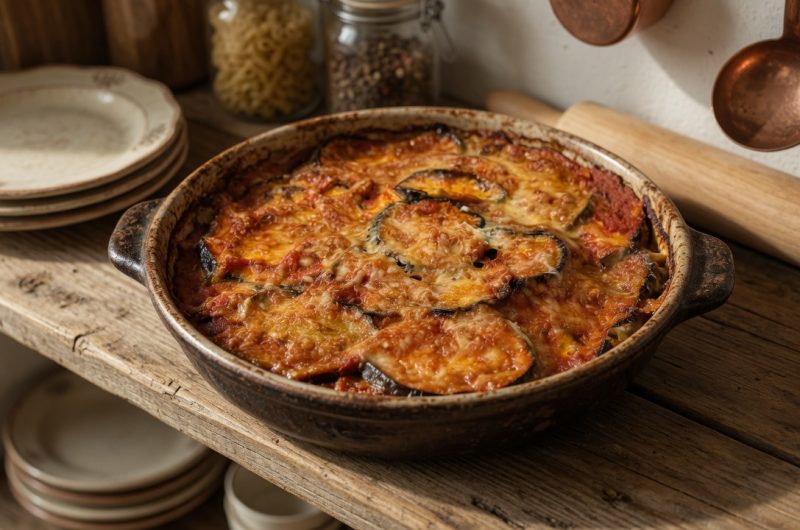
Eggplant Parmesan represents one of the most popular Italian-American dishes, beloved by people seeking hearty, satisfying vegetarian meals. This classic combines tender eggplant with rich tomato sauce and melted cheese, creating layers of flavor that feel both comforting and impressive. The traditional version typically includes breading, which adds texture but also adds calories and gluten for those with dietary restrictions. Understanding what makes this dish special helps you appreciate how to create versions that work for different dietary needs while maintaining the authentic appeal. Many people assume that removing breading makes the dish less flavorful or satisfying, but this approach actually highlights the natural flavors of quality eggplant combined with good sauce and cheese. Creating a healthier interpretation of this classic doesn’t require sacrificing taste or enjoyment—it simply requires thoughtful technique and quality ingredients.
Why Removing Breading Creates a Lighter, Gluten-Free Option
The decision to skip traditional breading in this eggplant Parmesan recipe creates multiple advantages beyond simply making it gluten-free. Removing the breading layer reduces overall calories while allowing the eggplant’s natural flavor to become the star of the dish rather than being masked by bread coating. The absence of breading also allows the eggplant to absorb sauce and cheese flavors more directly, creating more cohesive flavor integration throughout each bite. This approach works best when you select quality eggplants with good texture and when you properly prepare them by removing excess moisture. Some people worry that unbreaded eggplant will have an unpleasant mushy texture, but proper cooking technique prevents this outcome. The finished dish remains satisfying and substantial despite containing less breading than traditional versions, particularly because the generous cheese topping creates that irresistible golden, crispy surface that defines this dish.
Selecting Fresh, Quality Eggplants for Best Results
The quality of eggplants you choose significantly impacts your finished dish, so selecting them carefully matters. Look for eggplants with smooth, glossy skin that appears unblemished without any dents, soft spots, or discoloration. The surface should feel firm when you gently press it, and the eggplant should feel heavy for its size, indicating good moisture content and freshness. Smaller eggplants tend to contain fewer seeds and have thinner skin than larger ones, which generally results in a smoother, less bitter final texture. The stem end should look fresh and green rather than dried out or brown, which indicates the eggplant was recently harvested. Avoid eggplants that feel lightweight or have wrinkled skin, as these signs indicate the eggplant has been sitting for an extended time and may develop unpleasant flavors. Purchasing eggplants from farmers’ markets or specialty produce sections often provides better selection and quality than standard supermarket offerings.
Preparing Eggplants by Removing Excess Moisture
Before cooking eggplant, removing excess moisture improves the final texture and flavor. Slice your eggplants into quarter-inch thick rounds and place them on paper towels or a clean kitchen cloth. Sprinkling salt over the eggplant slices draws out moisture through osmosis—this process is called degorging and typically takes about thirty minutes. The moisture that collects on the paper towels should be patted away with fresh towels before cooking. This step might seem unnecessary, but it significantly improves the final texture by preventing the eggplant from becoming overly soft or mushy. The salt also slightly seasons the eggplant while helping it develop better color when cooked. Some people skip this step when using smaller, fresher eggplants, but including it generally produces superior results across different eggplant varieties and ages.
Creating Flavorful Tomato Sauce from Quality Ingredients
The sauce that accompanies eggplant Parmesan deserves attention and quality ingredients because it contributes significantly to the overall dish. Starting with quality tomatoes—either fresh when in season or high-quality canned tomatoes—creates the foundation. Using San Marzano tomatoes, considered superior for sauce-making, produces noticeably better results than budget tomato products. Simmering the sauce gently rather than boiling rapidly allows flavors to develop and the sauce to thicken naturally. Adding garlic, onions, and fresh herbs like basil and oregano builds flavor complexity. Some recipes include a pinch of sugar to balance acidity, particularly when using canned tomatoes. A quality marinara sauce can be made from scratch relatively easily or purchased ready-made if time is limited. The sauce should be flavorful enough to stand on its own before combining with eggplant and cheese, as these additions won’t improve weak sauce.
Understanding Cheese Selection and Layering Technique
Cheese plays a crucial role in eggplant Parmesan, providing richness and creating the desirable golden, crispy top. Using a combination of cheeses creates more interesting flavor than relying on just one variety. Mozzarella provides mild creaminess and melts smoothly, while Parmesan adds sharper, more complex flavor. Ricotta can be mixed with other cheeses for creamy texture, or some recipes use it as a layer between eggplant and sauce. The key is using quality cheeses that melt smoothly and develop good color during baking. Pre-shredded cheese often contains anti-caking agents that prevent smooth melting, so hand-grating cheese when possible produces better results. Layering cheese primarily on top rather than throughout creates that irresistible golden crust, as this recipe suggests. The amount of cheese should be substantial enough to create visible melting and browning but balanced so the dish doesn’t become overwhelmingly cheesy.
Proper Cooking Methods for Unbreaded Eggplant
Cooking eggplant without breading requires technique to prevent it from becoming too soft or absorbing excessive oil. Pan-frying eggplant slices in a minimal amount of oil creates tender texture with slight browning without creating fried food. Using a non-stick skillet or well-seasoned cast iron reduces the amount of oil needed while preventing sticking. Cooking over medium to medium-high heat allows eggplant to develop color without burning on the outside while remaining undercooked inside. Many cooks find that brushing both sides of eggplant slices with oil and using a grill or grill pan creates excellent results with less oil absorption. Some recipes call for roasting eggplant slices in the oven, which works well and requires minimal monitoring. The goal is achieving tender eggplant with slight browning that won’t further soften during the final baking with sauce and cheese.
Assembling Layers for Even Cooking and Presentation
The layering technique significantly affects how evenly your eggplant Parmesan cooks and how attractive it appears when sliced. Starting with a thin layer of sauce on the bottom of your baking dish prevents sticking and ensures moisture throughout the dish. Arranging eggplant slices in a single layer, overlapping slightly if necessary, creates the foundation. Adding sauce between layers distributes it evenly throughout rather than concentrating it at the top or bottom. Placing the majority of cheese on the very top, as this recipe suggests, creates the golden crust while keeping lower layers moist from sauce. Using a baking dish appropriate for your ingredient amounts prevents the layers from being too thick or too sparse. Some people create two or three layers while others prefer a single thick layer—both approaches work, though cooking time may vary slightly.
Baking Temperature and Time for Perfect Results
Getting the baking temperature and time correct ensures that your eggplant Parmesan cooks through completely while developing a beautiful golden cheese topping. A moderate oven temperature of approximately three hundred seventy-five to four hundred degrees Fahrenheit allows the dish to heat through without the cheese browning excessively before the interior is hot. The cooking time typically ranges from twenty-five to forty minutes depending on your oven and the thickness of your layers. You’ll know the dish is done when the cheese is melted and golden brown, and the sauce is bubbling around the edges. Covering the dish with foil partway through baking prevents excessive browning if the cheese seems to be darkening too quickly. Using a ceramic or glass baking dish allows you to see browning from the sides, which helps you judge doneness. Some ovens run hotter or cooler than indicated, so adjusting cooking time based on your oven’s actual temperature produces more consistent results.
Understanding Cooling Time and Its Importance
Allowing your baked eggplant Parmesan to cool for ten to fifteen minutes before serving serves multiple important purposes. The cheese sets slightly as it cools, making the dish easier to portion cleanly rather than having molten cheese fall apart when you try to serve it. Cooling also allows the flavors to settle and integrate, improving the eating experience significantly compared to eating it immediately from the oven. The eggplant continues cooking slightly during cooling as residual heat distributes throughout the dish. Serving too hot risks burning your mouth on molten cheese, while a slightly cooled dish is more enjoyable to eat. If you need to serve the dish immediately, using a wide serving spatula and being careful with portions prevents burning yourself on hot cheese and sauce.
Storage and Reheating Methods for Maximum Quality
Proper storage extends your eggplant Parmesan’s freshness and allows you to enjoy it over several days. Covered with plastic wrap or aluminum foil at room temperature, the dish keeps for up to two days, though refrigerating it extends shelf life to about four days. Storing in the refrigerator allows you to enjoy leftovers throughout the week, and the flavors actually improve slightly as they develop while sitting. Freezing works well for longer storage—cool the dish completely, wrap tightly, and freeze for up to three months. Reheating in the oven at a moderate temperature restores much of the original quality, though the cheese top won’t have the same crispness as freshly baked. Microwave reheating works for convenience but can make the eggplant texture less pleasant than oven reheating. Thawing frozen eggplant Parmesan in the refrigerator overnight and reheating gently produces better results than attempting to reheat without thawing.
Why This Dish Works Well for Various Dietary Needs
Creating eggplant Parmesan without breading makes it naturally gluten-free, which appeals to people with celiac disease or gluten sensitivity. The vegetable-based filling works perfectly for vegetarians and vegans (with appropriate cheese substitutions for vegans). The lighter preparation compared to traditional breaded versions appeals to people watching their calorie intake or seeking healthier cooking methods. Individuals with preferences about oil consumption appreciate that this recipe uses minimal oil compared to traditional deep-fried eggplant Parmesan. The natural, recognizable ingredients appeal to people avoiding processed foods or additives. This versatility means more people can enjoy this classic Italian dish in a form that works with their dietary requirements or preferences, without requiring them to miss out on a beloved favorite.
Customizing the Recipe for Individual Preferences
While the classic eggplant Parmesan formula works beautifully, several customizations allow you to adapt it to your preferences. Using different sauce varieties—marinara, alfredo, or pesto-based—creates entirely different flavor profiles. Adding roasted vegetables like zucchini, mushrooms, or bell peppers expands the vegetable component. Incorporating spinach or kale creates additional nutrition and color. Using different cheese combinations—perhaps including goat cheese, feta, or smoked varieties—creates unique flavor variations. Some people add fresh basil as a garnish after baking for brightness and aroma. Others incorporate red pepper flakes for heat or fresh garlic for pungency. These modifications let you make the recipe your own while maintaining its essential character, ensuring you can create versions that reflect your personal taste preferences and available ingredients.
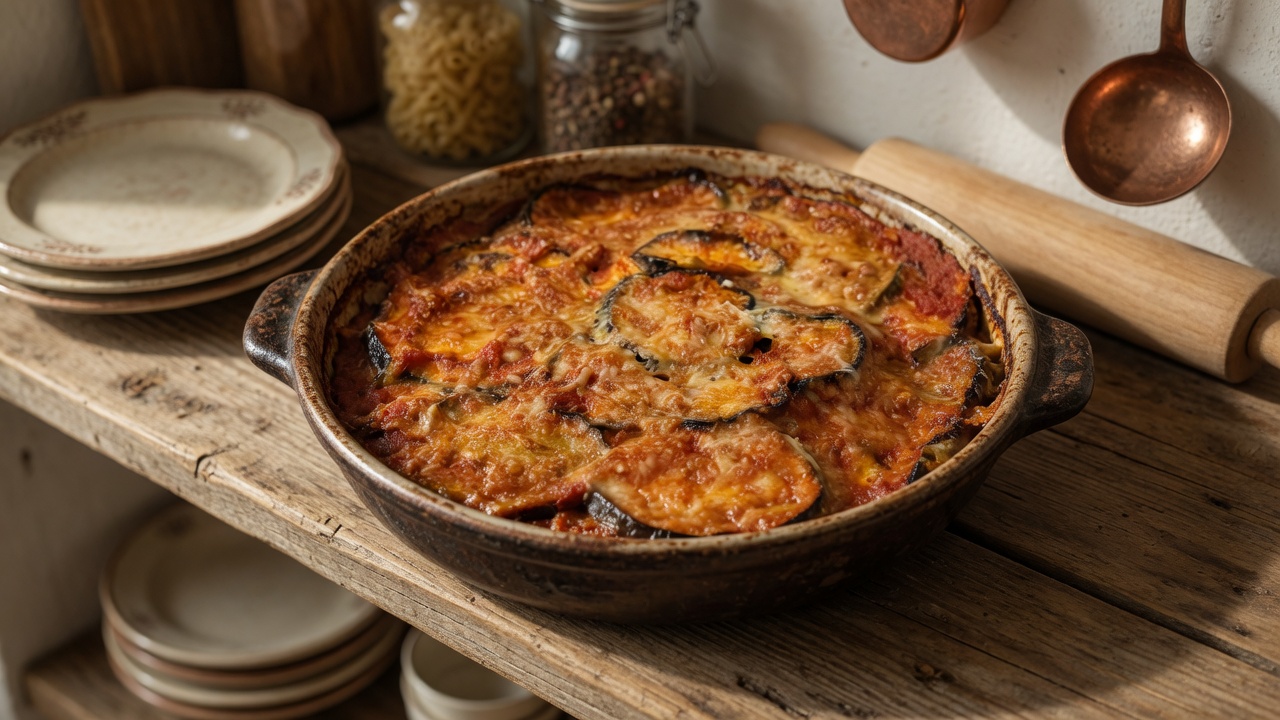
Italian Eggplant Parmesan
Perfect as a vegetarian main course, this impressive dish works equally well for family dinners or special occasions. The absence of breading makes it lighter than traditional versions while the generous cheese topping creates that irresistible crispy texture that makes this dish so satisfying.
6-9
servings15
minutes45
minutes244
kcal1
hourIngredients
3 pounds eggplants (about 3 small or 2 medium)
2 ounces freshly grated Parmesan cheese (about 1 cup)
6 ounces freshly grated part-skim mozzarella cheese (about 1 ½ cups, packed)
2 cloves garlic, pressed or minced
1 medium yellow onion, finely chopped
¼ cup + 2 tablespoons extra-virgin olive oil, divided
1 teaspoon balsamic vinegar
Pinch of red pepper flakes¼ cup roughly chopped fresh basil, plus additional basil for garnish
28 ounces crushed tomatoes, preferably fire-roasted variety*
¼ cup tomato paste
Fine sea salt and freshly ground black pepper
Directions
- Preparing the Eggplant: Start by preheating your oven to 425 degrees Fahrenheit and line two large rimmed baking sheets with parchment paper. Slice off both rounded ends of each eggplant and then vertically slice them into even slabs, about ¼ to ½ inch thick. Discard the sides covered in eggplant skin. Brush both sides of the eggplant slabs lightly with olive oil and arrange them in a single layer on the prepared baking sheets. Sprinkle with salt and pepper. Roast until golden and tender, approximately 22 to 27 minutes, rotating the pans halfway through baking.
- Creating the Tomato Sauce: In a medium saucepan over medium heat, warm 2 tablespoons of olive oil. Add the chopped onion and a pinch of salt, cooking until translucent, about 4 to 7 minutes. Stir in the garlic and tomato paste, cooking for an additional minute. Add the crushed tomatoes, bring to a simmer, and then reduce the heat to medium-low. Allow the sauce to simmer until thickened, approximately 15 minutes. Remove from heat and stir in the chopped basil, vinegar, salt, and red pepper flakes.
- Assembling the Dish: Spread about ¾ cup of the sauce in the bottom of a 9” square baker. Layer one-third of the roasted eggplant slices over the sauce, followed by another ¾ cup of sauce and ¼ cup of mozzarella cheese. Repeat with the remaining eggplant, sauce, and mozzarella cheese, finishing with a layer of Parmesan cheese on top.
- Baking to Perfection: Bake the assembled dish on the lower rack of the preheated oven at 425 degrees Fahrenheit, uncovered, until the sauce bubbles and the top is golden, approximately 20 to 25 minutes. Allow the dish to cool for at least 15 minutes before serving. Garnish with additional basil if desired.
- Savoring the Flavor: Slice with a sharp knife and serve warm. Leftovers can be stored in the refrigerator for up to 4 days and reheated before serving.
Nutrition Facts
- Calories: 244kcal
- Fat: 17g
- Carbohydrates: 16.2g
- Sugar: 9.2g
- Protein: 10g