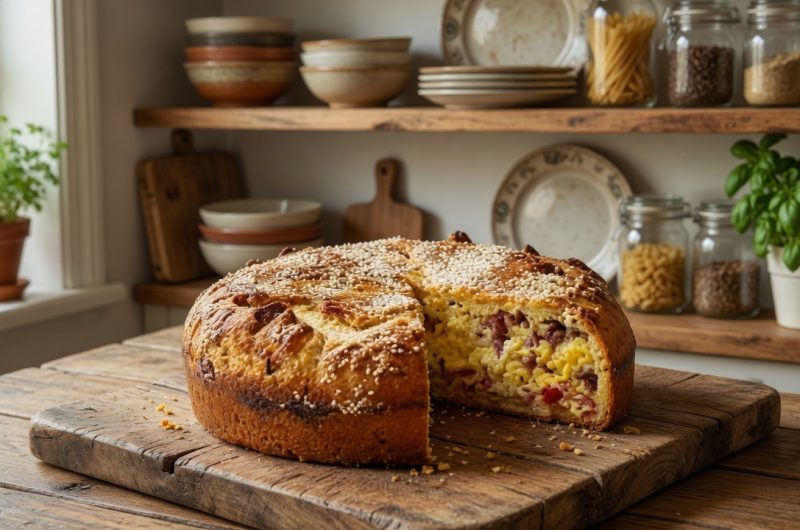
Italian Easter Pie, known as Pizza Rustica in many Italian communities, represents one of the most anticipated dishes of the Easter season. This savory pie has been prepared in Italian households for generations, particularly in the days leading up to Easter Sunday. The tradition of making this pie stems from the celebration of breaking the Lenten fast, which explains why it’s so rich and filled with an abundance of meats and cheeses. Unlike sweet dessert pies, this hearty creation serves as a main course or substantial side dish that brings families together around the table. The pie embodies Italian culinary philosophy—taking simple, quality ingredients and combining them in ways that create something far greater than the sum of individual parts. Understanding the cultural significance helps you appreciate why this recipe remains so beloved and why people continue making it year after year, passing the tradition to younger generations.
The Significance of Basket Cheese in Authentic Preparation
Basket cheese holds special importance in traditional Italian Easter Pie recipes, and finding this ingredient makes a noticeable difference in the final result. This cheese gets its distinctive name from the plastic basket mold in which it’s made and formed during production. The texture and flavor profile of basket cheese—soft, mild, and slightly creamy—distinguish it from other cheeses you might use in cooking. The mild flavor allows the basket cheese to complement rather than overpower the various meats and stronger-flavored cheeses in the pie. Unfortunately, basket cheese remains difficult to find outside of Easter season in many areas, even in communities with significant Italian populations. When you cannot locate authentic basket cheese, selecting a soft, mild cheese as a substitute works reasonably well, though aficionados will notice the difference. Some good substitutes include fresh mozzarella, mild ricotta, or even a combination of the two, though true basket cheese creates the most authentic result.
Building a Flaky, Buttery Pie Crust Foundation
The pie crust serves as the container for your filling and contributes significantly to the overall eating experience, so taking care with crust preparation matters. A foolproof pie crust relies on a few key principles: cold ingredients, minimal handling, and proper technique. Cold butter cut into small pieces creates pockets that steam during baking, producing the desired flaky texture. Handling the dough as little as possible prevents overdevelopment of gluten, which would result in a tough crust rather than a tender one. Adding ice water gradually allows you to add just enough moisture to bring the dough together without creating a wet, sticky mixture that’s difficult to work with. Chilling the dough before rolling it out makes it easier to handle and helps it maintain its shape during baking. These fundamentals apply whether you make crust from scratch or use a quality store-bought version, though homemade crust offers superior flavor and texture.
Selecting Quality Italian Meats for Maximum Flavor
The meat filling represents the heart of Italian Easter Pie, and the quality of meats you select directly affects the final product’s flavor and appeal. Italian sausage—preferably from a local Italian butcher—provides savory, herbaceous notes that form the flavor foundation. Pepperoni adds slight spice and distinctive paprika flavor that creates complexity throughout the pie. Salami contributes a different type of cured meat flavor that’s milder than pepperoni but adds interesting texture. Prosciutto brings delicate, salty notes that feel more refined than other cured meats. Using a combination of these meats creates a more interesting final result than relying on just one or two varieties. The amounts can vary based on personal preference—some people use equal amounts of each meat, while others favor one type more heavily. Purchasing these meats from a specialty Italian market or butcher counter, rather than pre-packaged versions, ensures better quality and fresher flavor.
Understanding Cheese Selection and Balance
While basket cheese forms the primary cheese component, many Italian Easter Pie recipes include additional cheeses for extra flavor and richness. Mozzarella adds mild creaminess and helps bind the filling together as it melts during baking. Pecorino Romano contributes sharper, saltier notes that balance the richness of other ingredients. Ricotta adds creamy texture and helps create a more cohesive filling. The exact cheeses and their proportions can vary based on family tradition and personal preference, but the general principle is creating a balanced cheese component that complements rather than overwhelms the meats. Freshly grated cheese integrates better into the filling than pre-shredded varieties, which often contain anti-caking agents that prevent smooth melting. Using good-quality cheeses, while potentially more expensive than budget alternatives, creates noticeably superior results that justify the additional cost.
Preparing and Seasoning Your Filling Properly
Combining all the filling ingredients requires thoughtful assembly to ensure even distribution throughout the pie. Starting with cooked Italian sausage—broken into small pieces—creates the foundation. Adding other cured meats cut into bite-sized pieces ensures variety in every slice. Incorporating the cheeses thoroughly distributes them evenly rather than creating pockets of concentrated cheese. Some recipes include eggs in the filling, which help bind everything together and create a more custard-like texture when baked. Adding fresh herbs like parsley or basil brightens the flavor profile and adds color to the filling. Seasoning with salt and pepper should be done carefully since the meats and cheeses already contribute significant salt. Tasting a small amount of filling before adding it to the pie allows you to adjust seasonings if necessary. Not overfilling the pie is important—too much filling can burst through the crust or create an unbalanced texture where filling overwhelms the pastry.
Assembling Your Pie with Proper Layering Technique
Layering your filling into the crust-lined pan creates even distribution and helps ensure each slice contains a good mix of meats and cheeses. Placing a bottom crust in your pan first gives you a foundation. Adding your meat and cheese filling in an even layer, rather than heaping it in the center, ensures consistent results throughout the pie. Some recipes call for multiple layers, particularly when the filling is substantial. Covering with a top crust completes the pie and creates a contained package. Creating steam vents by slashing the top crust allows moisture to escape during baking, preventing the crust from becoming soggy. Sealing the edges by pressing them together with a fork not only secures the two crusts but also creates an attractive presentation. Brushing the top with an egg wash before baking creates a golden, shiny finish that looks professionally made.
Understanding Baking Temperature and Time Requirements
Baking Italian Easter Pie requires balancing two competing goals: cooking the filling thoroughly while developing a golden, crispy crust. A moderate oven temperature of approximately three hundred fifty to three hundred seventy-five degrees Fahrenheit allows the pie to bake through without the crust browning excessively before the interior is cooked. The baking time varies depending on your pie’s size and thickness, typically ranging from forty-five minutes to over an hour. Covering the pie with foil partway through baking prevents the crust from browning too much while the interior continues cooking. Checking for doneness involves confirming that the filling is heated through and the crust is golden brown. A pie that’s underbaked will have a gummy filling and possibly uncooked crust, while overbaking creates a crust that’s too dark or even burned. Using a meat thermometer to check that the filling reaches a safe temperature provides reliable confirmation of doneness.
Cooling and Serving Your Finished Pie
Allowing your pie to cool for at least fifteen to twenty minutes before slicing serves multiple purposes. The filling sets as it cools, making clean slices possible rather than having filling spill out when you cut into a too-hot pie. Cooling also allows flavors to settle and develop fully, improving the eating experience. Some Italian families serve their Easter Pie at room temperature rather than hot, which actually allows you to taste the individual flavors more clearly. The pie can be served as a main course, a substantial side dish, or even sliced and served cold for leftovers. Many people enjoy it alongside simple vegetables and salad, which provide contrast to the rich, meat-filled pie. The portion size can be adjusted based on how substantial your meal needs to be—a thin slice works as part of a larger meal, while a thicker slice serves as a main course.
Storage Methods and Shelf Life Considerations
Proper storage extends your pie’s freshness and allows you to enjoy it over several days. Covered with plastic wrap or aluminum foil at room temperature, the pie keeps for two to three days. Refrigerating the pie extends its shelf life to about four to five days, though some texture changes may occur. Freezing works well for longer-term storage—wrap the completely cooled pie tightly in plastic wrap and then aluminum foil, and it will keep for up to three months. Thawing frozen pie at room temperature and reheating in a warm oven restores much of its original quality. Many people prefer reheating individual slices in the microwave for convenience, though this can sometimes make the crust less crispy than oven reheating. Knowing these storage options means you can make pie in advance of your Easter celebration or enjoy leftovers throughout the following week.
Why Traditional Recipes Remain Popular Today
Despite modern cooking trends favoring lighter, simpler dishes, Italian Easter Pie continues gaining popularity among home cooks seeking traditional recipes. The pie appeals to people wanting to connect with their Italian heritage and maintain family traditions. It also attracts cooks who appreciate recipes that deliver impressive, delicious results without requiring advanced culinary skills. The flexibility of the recipe—allowing substitutions and variations based on available ingredients and personal preferences—means everyone can make a version that works for their situation. Social media sharing of homemade recipes has introduced Italian Easter Pie to younger generations and people without direct Italian heritage who appreciate traditional, hearty cuisine. The festive nature of the pie makes it appropriate for celebration occasions beyond just Easter, including holiday gatherings, special dinners, and family celebrations throughout the year.
Making Substitutions When Ingredients Are Unavailable
While traditional ingredients create the most authentic result, several substitutions allow you to make Italian Easter Pie successfully even when specialty items are unavailable. If basket cheese is impossible to find, fresh mozzarella, ricotta, or a combination of both creates acceptable results. If specific Italian meats are unavailable, other quality cured meats or even cooked ham work reasonably well. Whole wheat flour can replace some of the all-purpose flour in the crust for added nutrition. Some recipes use a vegetable oil-based crust instead of butter, which works though creates slightly different texture. Store-bought pie crusts save time, though homemade crusts create superior flavor and texture. These substitutions mean the recipe adapts to various situations without requiring you to abandon the dish entirely if certain ingredients aren’t available in your area.
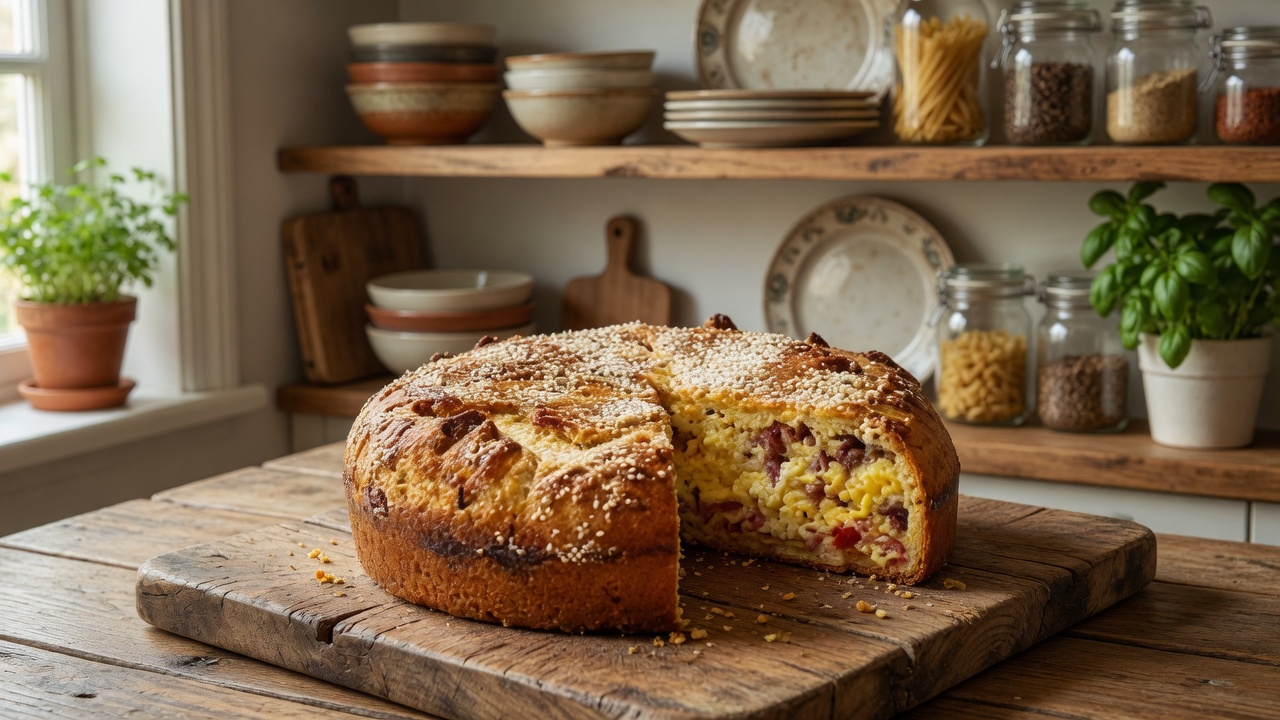
Italian Easter Pie
Perfect for Easter celebrations, holiday gatherings, or any special occasion where you want to serve something impressive and traditionally authentic. The combination of meats and cheeses creates rich, complex flavors that appeal to meat lovers and anyone seeking substantial, satisfying dishes. Serve warm or at room temperature alongside vegetables and salad for a complete meal that brings Italian tradition to your table.
10-12
servings1
hour50
minutes656
kcal30
minutes2
hours20
minutesIngredients
- For the Pie Dough:
2½ cups (312.5 g) all-purpose flour
2 tablespoons granulated sugar
1 teaspoon salt
13 tablespoons unsalted butter, cold, cut into ¼-inch cubes
7 tablespoons vegetable shortening, cold, cut into pieces
4 to 5 tablespoons ice water
- For the Pie Filling:
8 ounces (226.8 g) sweet Italian sausage
1 small sweet onion, finely chopped
4 ounces (113.4 g) pepperoni, chopped
4 ounces (113.4 g) hard salami, chopped
4 ounces (113.4 g) prosciutto, chopped
1 pound (453.59 g) fresh basket cheese, drained and cut into bite-size pieces
1 pound (453.59 g) ricotta cheese, drained
4 ounces (113.4 g) mozzarella cheese, shredded (about 1 cup)
4 ounces (113.4 g) provolone cheese, shredded (about 1 cup)
¼ cup (25 g) grated Parmesan cheese
3 eggs, lightly beaten with a fork
Freshly grated black pepper
- For the Egg Wash:
1 tablespoon heavy cream
1 egg yolk
Directions
- Prepare the Pie Dough: In a food processor, combine flour, salt, and sugar. Add cold butter and shortening, pulsing until mixture resembles coarse cornmeal. Gradually add ice water, pulsing until dough comes together. Divide dough into two disks, wrap in plastic, and chill for 30 minutes.
- Preheat oven to 350°F (175°C).
- Prepare the Filling: Brown sausage in a large sauté pan over medium heat. Add onions and cook until translucent. Transfer sausage and onions to a large mixing bowl. Add remaining filling ingredients and mix well.
- Roll out the Dough: On a lightly floured surface, roll out one disk of dough into a circle. Transfer to a pie plate.
- Fill the Pie: Pack filling tightly into the pie dish, mounding slightly in the center. Cover with remaining dough, sealing the edges. Cut slits in the top crust.
- Brush with Egg Wash: In a small bowl, beat together egg yolk and heavy cream. Brush over the top crust.
- Bake: Bake pie until crust is golden brown and cheese is bubbling, about 50 minutes.
- Serve: Allow pie to cool for at least 30 minutes before serving. Refrigerate any leftovers.
Nutrition Facts
- Calories: 658kcal
- Fat: 61g
- Carbohydrates: 26g
- Protein: 31g