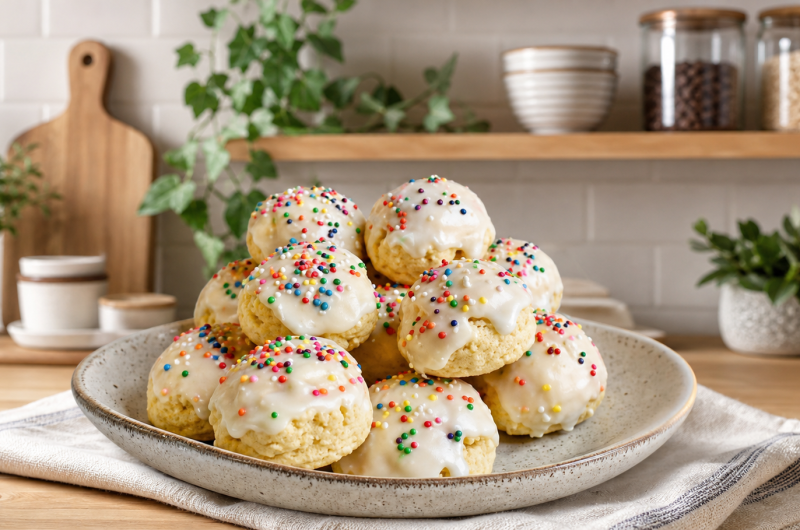
If you are searching for the best Italian ricotta cookies recipe that delivers a soft, melt-in-your-mouth texture with a delicate citrus aroma, this traditional treat deserves a place in your kitchen. Italian ricotta cookies are known for their pillowy softness, subtle sweetness, and smooth glaze finish. Unlike crisp butter cookies, these are tender and cake-like, thanks to the addition of ricotta cheese.
These cookies are especially popular during the holidays, family gatherings, and celebrations, but they are just as enjoyable as an everyday dessert. The combination of whole milk ricotta, vanilla extract, and fresh lemon zest creates a flavor profile that feels both comforting and refreshing. With proper preparation, you can achieve bakery-quality results at home using simple pantry staples.
Why Italian Ricotta Cookies Are So Popular
Italian ricotta cookies stand out because of their texture. While many cookie recipes rely on butter alone for richness, this recipe incorporates ricotta cheese, which adds moisture and softness. The result is a cookie that stays fresh longer and has a light, airy crumb.
Another reason for their popularity is versatility. They can be customized with different extracts, citrus variations, or festive decorations. They also store well, making them suitable for gifting or holiday trays.
The Signature Texture – Soft and Tender
The hallmark of ricotta cookies is their ultra-soft interior. Unlike chewy chocolate chip cookies or crunchy shortbread, these cookies are tender and slightly fluffy. The ricotta cheese provides moisture without heaviness, preventing the cookies from drying out.
Proper creaming of butter and sugar contributes to lightness. Avoiding overmixing ensures the crumb remains delicate.
Ingredient Overview and Their Roles
Each ingredient plays a specific role in achieving the ideal texture and flavor. All-purpose flour provides structure and holds the dough together. Baking powder allows the cookies to rise slightly, contributing to their airy texture.
Salt enhances overall flavor balance. Unsalted butter adds richness and tenderness. Granulated sugar sweetens and contributes to soft consistency.
Lemon zest introduces bright citrus notes that complement vanilla extract. Ricotta cheese adds moisture and creaminess. Eggs bind ingredients and support structure.
Choosing the Right Ricotta Cheese
Whole milk ricotta is strongly recommended for best results. It produces a richer, softer cookie compared to low-fat varieties.
Before using, drain the ricotta if it appears watery. Excess moisture can make the dough too loose and affect baking consistency.
Step 1 – Creaming Butter and Sugar
Begin by creaming softened unsalted butter and granulated sugar until light and fluffy. This process incorporates air and creates a smooth base.
Proper creaming is crucial for achieving soft cookies. Beat for several minutes until pale in color.
Step 2 – Incorporating Ricotta and Flavorings
Add the drained ricotta cheese, lemon zest, and vanilla extract to the butter mixture. Mix until smooth.
The ricotta should blend evenly without lumps. This stage determines the overall creaminess of the dough.
Step 3 – Adding Eggs
Add eggs one at a time, mixing thoroughly after each addition.
This ensures proper emulsification and prevents curdling.
Step 4 – Mixing Dry Ingredients
In a separate bowl, whisk together flour, baking powder, and salt.
Gradually incorporate the dry mixture into the wet ingredients, mixing just until combined. Overmixing can develop gluten and result in dense cookies.
Step 5 – Chilling the Dough
Refrigerate the dough for at least two hours. Chilling allows the butter to firm and prevents excessive spreading during baking.
Chilled dough also enhances flavor development.
Step 6 – Shaping and Baking
Preheat the oven and line baking sheets with parchment paper. Scoop dough into evenly sized portions and place them on the sheet with spacing between each.
Bake until lightly golden on the bottoms but pale on top. The cookies should remain soft.
Step 7 – Cooling and Glazing
Allow cookies to cool completely before applying glaze. Applying glaze too early will cause it to melt and lose structure.
Once cooled, drizzle or spread a simple powdered sugar glaze over each cookie. Decorate as desired.
Notes for Best Results
Use whole milk ricotta. Drain excess liquid. Chill dough thoroughly. Avoid overmixing. Bake on light-colored sheets. Cool completely before glazing.
These steps guarantee soft and tender cookies.
Flavor Variations
Replace part of the vanilla extract with almond extract for added depth. Add mini chocolate chips for a chocolate variation. Incorporate orange zest for a citrus twist.
Decorate with seasonal sprinkles for holiday versions.
Storage and Freezing
Store cookies in an airtight container at room temperature for up to three days. Refrigerate for up to seven days.
Unfrosted cookies can be frozen for up to three months. Thaw before glazing.
Serving Suggestions
Serve with espresso, cappuccino, or tea. Pair with biscotti for an Italian dessert platter.
These cookies also make thoughtful homemade gifts when packaged attractively.
Why This Recipe Remains a Favorite
Italian ricotta cookies continue to trend because they offer softness, elegance, and versatility. Their light texture appeals to many palates.
By using simple ingredients and proper technique, you can recreate this classic Italian dessert in your own kitchen.
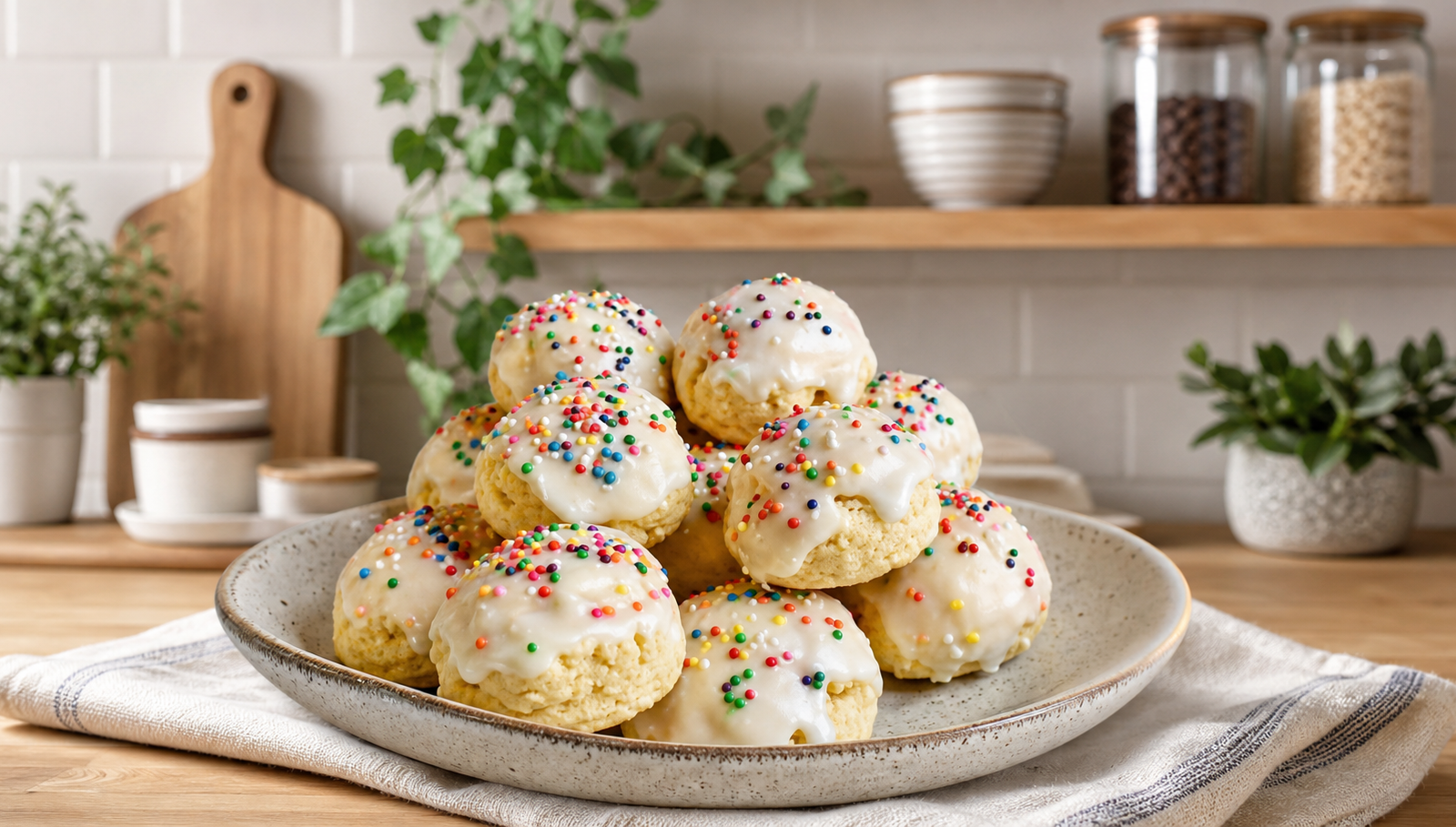
Italian Ricotta Cookies Soft and Fluffy
Italian ricotta cookies are the epitome of soft, delicate, and melt-in-your-mouth goodness. These cookies boast a rich, buttery texture enhanced by the moisture and subtle creaminess of ricotta cheese.
60
servings30
minutes1
hour20
minutes125
kcal1
hour50
minutesIngredients
3 ½ cups (495g) all-purpose flour
2 ½ tsp baking powder
¾ tsp salt
1 cup (226g) unsalted butter, softened
1 ¾ cups (350g) granulated sugar
1 tsp lemon zest
15 oz whole milk ricotta (about 1 ¾ cups)
1 tbsp vanilla extract
2 large eggs
- For the Icing:
1 tbsp butter, melted
3 ½ cups (420g) powdered sugar
2 tbsp fresh lemon juice
1 tsp vanilla extract
4-6 tbsp milk
Directions
- Prepare the Dough
- In a mixing bowl, whisk together flour, baking powder, and salt. Set aside.
- In a stand mixer, beat butter, sugar, and lemon zest until light and fluffy.
- Add ricotta and vanilla extract, mixing until combined.
- Beat in eggs one at a time.
- Gradually mix in the dry ingredients until just combined.
- Cover and refrigerate the dough for at least 2 hours (or up to 2 days).
- Bake the Cookies
- Preheat oven to 350°F (175°C).
- Line baking sheets with parchment paper.
- Scoop tablespoon-sized portions of dough and shape into balls.
- Place on baking sheets, spacing 2 inches apart.
- Bake for 12-14 minutes, or until edges are lightly golden.
- Let cool on the baking sheet for a few minutes before transferring to a wire rack.
- Make the Glaze
- In a bowl, whisk together powdered sugar, melted butter, lemon juice, vanilla, and 4 tbsp milk until smooth.
- Add more milk, 1 tsp at a time, to achieve the desired consistency.
- Decorate and Serve
- Spoon glaze over cooled cookies.
- Add sprinkles immediately if using.
- Allow icing to set before storing.
Nutrition Facts
- Serving Size: 1 g
- Total number of serves: 60
- Calories: 125kcal
- Fat: 4g
- Saturated Fat: 3g
- Trans Fat: 0.1g
- Cholesterol: 18mg
- Sodium: 41mg
- Potassium: 41mg
- Carbohydrates: 20g
- Protein: 2g
- Calcium: 28mg
- Iron: 0mg