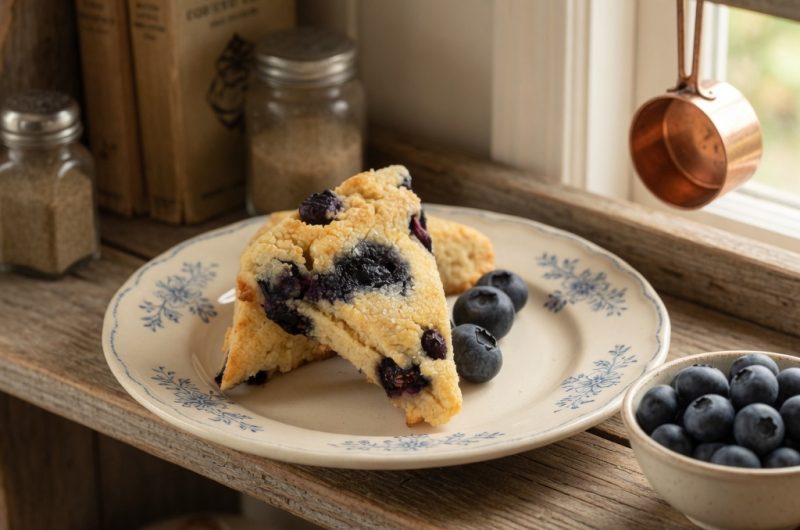
Butter-free blueberry scones made with cottage cheese and Greek yogurt represent a modern approach to traditional scone baking, combining the light, fluffy texture of scones with the tender crumb characteristic of biscuits. These innovative scones eliminate butter entirely while maintaining exceptional texture through the creamy richness of whipped cottage cheese and tanginess of Greek yogurt. The result is a hybrid pastry that satisfies both scone and biscuit cravings simultaneously, offering something entirely unique that traditional recipes cannot achieve. The addition of fresh or frozen blueberries creates bursts of flavor throughout each scone while contributing natural sweetness and antioxidants. With only ten minutes of hands-on preparation and basic ingredients found in most kitchens, this recipe proves that exceptional baking need not require complicated techniques or hard-to-find specialty items. The freezing step before baking ensures clean, straight cut lines that create professional-looking scones that rival bakery quality. Whether you are seeking lower-fat baking alternatives, exploring dairy-free or plant-based adaptations, or simply looking for delicious scones that require minimal effort, this recipe delivers impressive results that satisfy even experienced bakers.
Understanding the Role of Self-Rising Flour in Scone Structure
Two cups of self-rising flour serves as the primary dry ingredient that provides structure, texture, and leavening without requiring separate baking powder or salt additions. Self-rising flour already contains baking powder and salt combined in precise proportions designed for quick breads and scones, making it ideal for recipes requiring minimal ingredients. The flour’s protein content develops gluten through mixing, creating the structure that holds the scones together while remaining tender rather than tough. Self-rising flour eliminates the need for measuring multiple leavening agents, simplifying the recipe and reducing opportunity for error. Using quality self-rising flour from reputable brands ensures consistent results across batches. If self-rising flour is unavailable, two cups of all-purpose flour combined with two teaspoons of baking powder and one-half teaspoon of salt creates an acceptable substitute. Understanding flour’s role helps home bakers make informed substitutions and adapt recipes for different needs or ingredient availability.
Quick Oats Contributing Texture and Wholesome Character
One-half cup of quick oats adds wholesome grain texture and subtle oat flavor that distinguishes these scones from plain flour-based versions. Quick oats, which are more finely cut than rolled oats, integrate smoothly into the dough without creating overly chunky texture. The oats contribute fiber and nutritional value while creating a slightly heartier crumb structure than flour-only scones would produce. The oats absorb some moisture during mixing, affecting dough consistency slightly but not compromising the final scone quality. Quick oats are preferred over instant oatmeal packets, which often contain added sugar and flavorings that would complicate the recipe.
Baking Powder and Salt as Secondary Leavening and Flavoring
Two teaspoons of baking powder provides additional leavening that works with the baking powder already in self-rising flour, creating optimal rise during baking. One-half teaspoon of salt enhances all flavors while controlling fermentation and strengthening gluten structure. These ingredients ensure adequate leavening for light, fluffy scones without the density that insufficient leavening produces. The combination of baking powder in self-rising flour plus additional baking powder creates multiple points of leavening that contribute to the scone’s characteristic rise. Salt should not be omitted despite its small amount because it significantly impacts overall flavor balance.
Sugar for Subtle Sweetness and Browning
Two tablespoons of sugar provides subtle sweetness appropriate for scones that should taste more savory than dessert-like. The sugar also contributes to browning during baking, creating attractive golden exterior. The amount specified balances sweetness from blueberries and the optional decorative sugar topping without making scones taste like cake. Sugar dissolves during mixing, distributing throughout the dough rather than creating sweet pockets.
Greek Yogurt Providing Tanginess and Moisture
One-half cup of nonfat Greek yogurt contributes tanginess that adds complexity to the flavor while providing moisture that keeps scones tender. The high protein content in Greek yogurt provides structural support similar to eggs in traditional recipes. The yogurt’s acidity reacts with baking soda and baking powder, enhancing leavening action. Nonfat yogurt ensures the scones remain lower in fat while maintaining creamy texture through the yogurt’s natural composition.
Fat-Free Cottage Cheese as the Primary Creamy Component
One-half cup of fat-free cottage cheese, when whipped smooth, creates a creamy base that replaces butter’s richness without adding fat. The cottage cheese curds completely disappear when blended thoroughly, leaving only smooth, uniform texture. The cottage cheese contributes protein, calcium, and moisture that creates exceptional scone texture. Whipping the cottage cheese in a food processor is essential; simply stirring will not break down the curds adequately.
Low-Fat Buttermilk as the Liquid Component
One-third cup of low-fat buttermilk provides liquid for hydrating flour while adding tangy flavor that complements the yogurt and cottage cheese. The buttermilk’s acidity activates the baking powder and baking soda, enhancing leavening. Low-fat buttermilk reduces overall fat content while maintaining the buttermilk’s essential contribution to dough development. If buttermilk is unavailable, regular milk with one tablespoon of lemon juice or vinegar creates an acceptable substitute.
Fresh or Frozen Blueberries as Flavor Burst
One cup of fresh or frozen blueberries creates pockets of flavor throughout each scone while contributing antioxidants and natural sweetness. Fresh blueberries provide superior flavor and texture, though frozen blueberries work acceptably. Tossing blueberries in flour before adding to the wet mixture prevents them from sinking to the bottom during baking. Frozen blueberries should not be thawed before use; baking directly from frozen produces better results.
The Blending Process for Smooth Dairy Component
Blending nonfat Greek yogurt, fat-free cottage cheese, and low-fat buttermilk in a food processor for approximately one minute creates smooth, uniform mixture free from cottage cheese curds. This blending step is essential because unblended cottage cheese creates lumpy texture in the finished scones. The resulting mixture should appear completely smooth and uniform in color. Proper blending integrates the dairy components thoroughly, ensuring even distribution throughout the dough.
Mixing Dry and Wet Ingredients Without Overmixing
Adding the blended dairy mixture to dry ingredients and mixing just until the dough comes together prevents overdeveloping gluten that creates tough scones. The dough should appear somewhat shaggy and rough rather than smooth and uniform. Overmixing develops gluten excessively, creating biscuit-like density rather than the desired light scone texture. Stopping as soon as ingredients barely combine is crucial for achieving optimal results. Using a spatula or gentle stirring motion prevents the vigorous mixing that develops toughness.
Freezing for Clean, Straight Cut Lines
Shaping the dough into an eight-inch circle on parchment paper and freezing for forty-five to sixty minutes without cutting ensures clean, straight cut lines when slicing before baking. The freezing step firms the dough substantially, making slicing easier and preventing the jagged edges that warm dough produces. The frozen dough slices beautifully into eight equal pieces with minimal crumbling. This technique eliminates the need for cutting before freezing, which would prevent the dough from freezing solid as a cohesive unit.
Proper Oven Temperature and Baking Time
Preheating the oven to four hundred degrees Fahrenheit and baking the separated scones for fifteen to eighteen minutes produces golden-brown exterior with fully cooked interior. The higher temperature ensures proper browning and rise without overcooking the interior. Baking time varies slightly depending on individual ovens and scone size, so checking at fifteen minutes prevents overbaking. The scones should appear golden brown with firm exteriors and tender interiors when done.
Oil Spray and Decorative Sugar for Finish
Spraying the separated scones with avocado oil spray before baking creates a light, crispy exterior without adding excessive fat. The optional decorative sugar sprinkled on top before baking creates attractive appearance and subtle sweetness that contrasts with the scone’s interior. Both steps are optional but significantly improve the finished presentation and eating experience.
Storage and Make-Ahead Preparation
The completely cooled scones store in airtight containers at room temperature for up to two days or refrigerated for up to one week. Freezing baked scones wrapped tightly preserves quality for up to three months. The dough can be prepared ahead and frozen in its circle form for up to one month, then thawed slightly before slicing and baking. This make-ahead capability allows convenient fresh-baked scones with minimal last-minute effort.
Serving Suggestions and Flavor Pairings
These scones work beautifully served warm with jam, honey, or fresh fruit compote for breakfast or afternoon tea. Serving alongside Greek yogurt and berries creates a simple but elegant breakfast presentation. These scones also work as accompaniments to soup or salad for lunch meals. The buttery flavor despite containing no butter makes them suitable for both sweet and savory applications.
Understanding Why This Recipe Creates Hybrid Texture
The combination of self-rising flour, oats, Greek yogurt, and whipped cottage cheese creates a texture that genuinely feels like a cross between a scone and a biscuit. The oats add biscuit-like heartiness while the Greek yogurt and cottage cheese create scone-like tenderness and moisture. The result is neither purely a scone nor purely a biscuit but a unique hybrid that satisfies both preferences. Understanding how each ingredient contributes to this hybrid texture helps bakers appreciate the recipe’s thoughtful formulation.
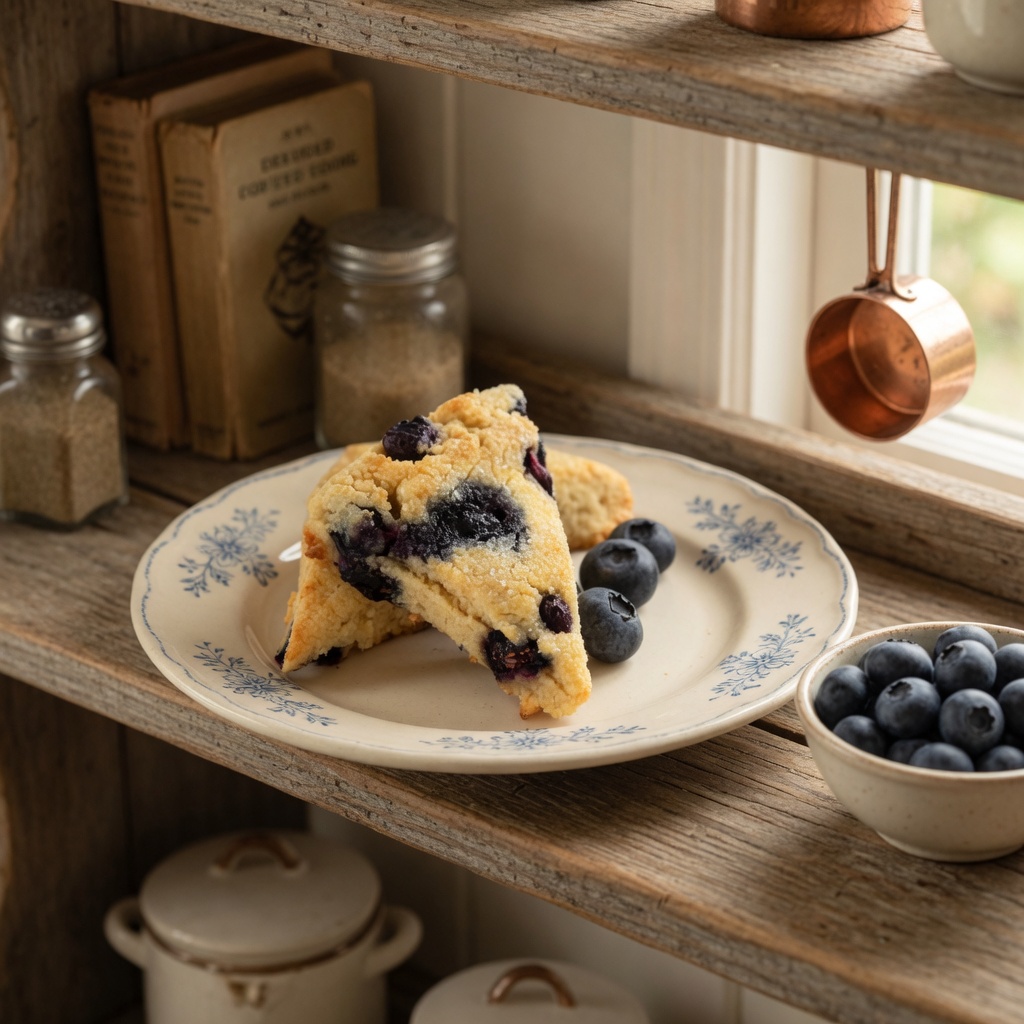
Blueberry Cottage Cheese Scones
Perfect for breakfast, afternoon tea, or any occasion calling for delicious baked goods, these scones deliver bakery-quality results without butter or complicated techniques. The freezing step ensures clean cut lines and professional presentation.
5
minutes1
hour178
kcal1
hour5
minutesIngredients
- For the Scones:
2 cups self-rising flour
1/2 cup quick oats
2 teaspoons baking powder
1/2 teaspoon salt
2 tablespoons granulated sugar
1/2 cup nonfat Greek yogurt
1/2 cup fat-free cottage cheese
1/3 cup low-fat buttermilk
1 cup fresh blueberries (or frozen, unthawed)
- For Topping:
Avocado oil cooking spray
1 tablespoon decorative sugar (optional)
Directions
- In a food processor, combine one-half cup of nonfat Greek yogurt, one-half cup of fat-free cottage cheese, and one-third cup of low-fat buttermilk. Blend for approximately one minute until the mixture is completely smooth and uniform, with no visible cottage cheese curds remaining. This smooth dairy mixture will be combined with dry ingredients, so thorough blending is essential for proper scone texture.
- In a large mixing bowl, combine two cups of self-rising flour, one-half cup of quick oats, two teaspoons of baking powder, one-half teaspoon of salt, and two tablespoons of granulated sugar. Stir these dry ingredients together thoroughly to ensure even distribution of the baking powder, salt, and sugar throughout the flour mixture.
- Add one cup of fresh or frozen blueberries to the dry ingredient mixture. Toss the blueberries gently to coat them evenly in the flour mixture. This coating prevents the blueberries from sinking to the bottom of the scones during baking, distributing them throughout instead.
- Add the blended dairy mixture to the dry ingredients with blueberries. Using a spatula or wooden spoon, mix gently just until the dough comes together. The mixture should appear somewhat shaggy and rough rather than smooth and uniform. Stop mixing as soon as all dry ingredients are incorporated; overmixing develops gluten and creates tough scones rather than the light texture desired.
- Place a piece of parchment paper on your work surface. Transfer the dough onto the parchment paper and shape it gently into an eight-inch diameter circle approximately one inch high. The dough should be handled minimally to avoid compacting it, which would affect the finished scone texture.
- Place the parchment paper with the dough circle on a baking sheet and freeze for forty-five to sixty minutes. The freezing hardens the dough substantially, making it easier to slice cleanly into straight-edged pieces without the dough crumbling or breaking apart. Freezing also develops flavor as ingredients meld together.
- While the dough freezes, preheat your oven to four hundred degrees Fahrenheit. Proper preheating ensures the oven reaches the correct temperature before the scones are added, which is essential for proper browning and rise.
- Remove the frozen dough circle from the freezer. Using a sharp knife, slice the circle into eight equal pieces, like cutting a pie into eighths. The frozen dough should slice cleanly and easily without crumbling. If the dough has become slightly soft, return it to the freezer for five to ten minutes before slicing.
- Separate the eight scone pieces carefully and arrange them on a clean baking sheet, allowing space between each piece for air circulation during baking. The scones will expand slightly during baking, so spacing prevents them from touching.
- Spray each scone lightly with avocado oil cooking spray. This creates a light, crispy exterior without adding excessive fat. Sprinkle the optional decorative sugar on top of each scone. The combination of oil and sugar creates attractive appearance and subtle sweetness.
- Bake the scones for fifteen to eighteen minutes until the exterior is golden brown and the scones appear fully baked. The exact baking time depends on your specific oven and scone thickness. Check at fifteen minutes to ensure they are not overbaking. The scones should have firm exteriors and tender interiors when done.
- Allow the scones to cool on the baking sheet for approximately five minutes, then transfer to a wire cooling rack or serving plate. The scones taste best served warm or at room temperature, optionally with jam, honey, or Greek yogurt alongside.
Nutrition Facts
- Fat: 1g
- Carbohydrates: 36g
- Fiber: 2g
- Sugar: 9g
- Protein: 6g