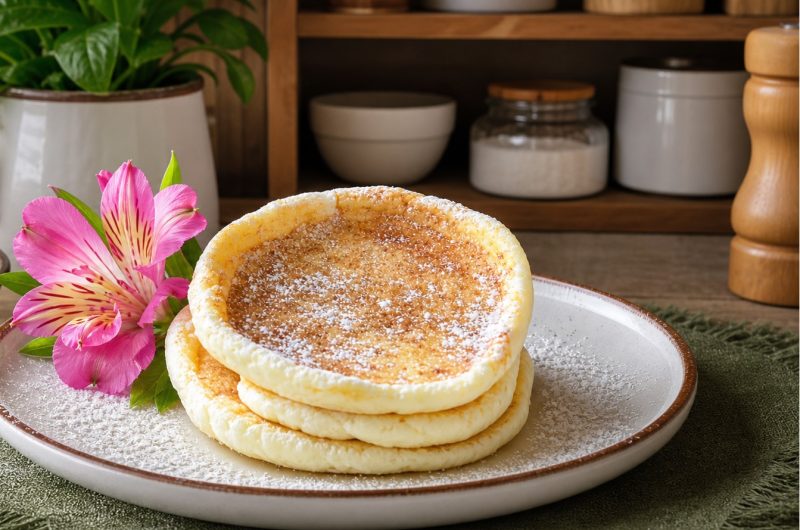
If you are following a carnivore diet, ketogenic lifestyle, or strict zero-carb eating plan and miss traditional breakfast favorites, these Carnivore Pancakes are the perfect solution. Made entirely from animal-based ingredients, this recipe delivers soft, fluffy pancakes without flour, sugar, dairy, or plant-based fillers.
Unlike traditional pancakes that rely on grains and sweeteners, this animal-based pancake recipe uses eggs, gelatin, collagen peptides, and cooking fat to create structure and texture. The result is light, airy, and protein-rich pancakes that align perfectly with carnivore and low-carb principles while still feeling indulgent.
This comprehensive guide explains how to prepare these carnivore-friendly pancakes step by step, why each ingredient works, and how to achieve the ideal fluffy texture every time.
Why Carnivore Pancakes Are Trending
As interest in ketogenic and carnivore diets increases, more people are searching for carnivore breakfast recipes that provide comfort without compromising dietary rules. Pancakes are a nostalgic breakfast favorite, but traditional versions contain flour and sugar.
This carnivore pancake recipe eliminates carbohydrates entirely while preserving texture and satisfaction. With high protein content and zero plant-based ingredients (unless optional vanilla extract is used), it meets strict carnivore guidelines.
The Science Behind Fluffy Carnivore Pancakes
Creating a fluffy pancake without flour requires understanding how eggs behave. Egg whites contain proteins that trap air when whipped. When heated gently, those proteins coagulate and set, forming a light structure.
Gelatin adds elasticity and structure, preventing the pancakes from collapsing completely. Collagen peptides contribute protein and smooth texture. Cooking slowly at low heat ensures the structure sets gradually without burning.
Ingredient and use
Each ingredient in this carnivore pancake recipe has a specific function. Eggs are the primary structural component, providing protein and richness. Separating the whites from the yolks allows proper aeration.
Salt enhances flavor and stabilizes egg white foam. Unflavored gelatin helps bind and adds subtle chew. Collagen peptides increase protein content and create smooth consistency.
Optional vanilla extract provides aroma if tolerated. Bacon grease or alternative animal fats prevent sticking and add flavor during cooking.
Step 1 – Separating the Eggs
Begin by separating the egg whites from the yolks. Place the whites in a completely clean, grease-free bowl. Even a small amount of fat can prevent proper whipping.
Place the yolks in a separate bowl. Proper separation is crucial for achieving light texture.
Step 2 – Whipping the Egg Whites
Add a pinch of salt to the egg whites. Sprinkle gelatin gradually while beating at low speed.
Increase speed and whip until stiff peaks form. The whites should hold their shape firmly. This step creates the airy base of the pancakes.
Step 3 – Preparing the Yolk Mixture
Whisk egg yolks until creamy. Add collagen peptides and optional vanilla extract. Blend thoroughly until smooth.
The yolks provide richness and balance to the airy whites.
Step 4 – Folding for Volume
Gently fold one-third of the whipped egg whites into the yolk mixture. Continue folding gradually until no visible streaks remain.
Use slow, careful movements to preserve as much air as possible. Overmixing can deflate the foam and reduce fluffiness.
Step 5 – Cooking Low and Slow
Heat a frying pan over medium heat with one tablespoon of bacon grease or preferred cooking fat. Reduce heat to low before adding batter.
Spoon approximately one heaping tablespoon of batter per pancake and shape into small circles. Cover with a lid and cook gently for about eight minutes until the bottom is golden and the top is set.
Step 6 – Flipping Carefully
Flip each pancake gently. Replace the lid and cook for an additional five minutes.
Cooking at low heat prevents burning and allows the structure to set fully.
Step 7 – Cooling and Serving
Remove from pan and allow pancakes to cool slightly. They may deflate slightly but remain thick and soft.
Serve plain or with carnivore-friendly toppings such as melted butter or whipped cream (if dairy is included in your diet).
Notes for Perfect Carnivore Pancakes
Ensure bowls are grease-free before whipping egg whites. Use low heat to avoid rapid rising and collapse. Fold gently to maintain volume. Keep remaining batter refrigerated between batches.
These small steps ensure consistent texture.
Texture Expectations
Carnivore pancakes differ from flour-based pancakes. They are lighter and more airy, with a delicate crumb. They hold shape when cooked properly and remain soft inside.
They do not have the elasticity of wheat-based pancakes but provide satisfying texture within carnivore guidelines.
Flavor Enhancements Within Carnivore Limits
For strict carnivore, keep ingredients animal-based only. If spices are permitted, a small pinch of cinnamon or nutmeg can add warmth.
Different cooking fats such as beef tallow or duck fat provide subtle variations in flavor.
Nutritional Benefits
These pancakes are high in protein and healthy fats. They contain zero carbohydrates and no plant-derived fillers.
Collagen peptides support joint health, while egg yolks provide vitamins A, D, E, and K.
Storage and Reheating
Store leftover pancakes in the refrigerator for up to three days. Reheat gently in a pan over low heat.
Freezing is possible; separate layers with parchment paper before freezing.
Why This Recipe Works
Carnivore pancakes succeed because they leverage egg protein structure and gentle cooking to create lift without flour. Gelatin stabilizes texture, and collagen increases density without heaviness.
The result is a reliable, protein-rich breakfast option for animal-based diets.
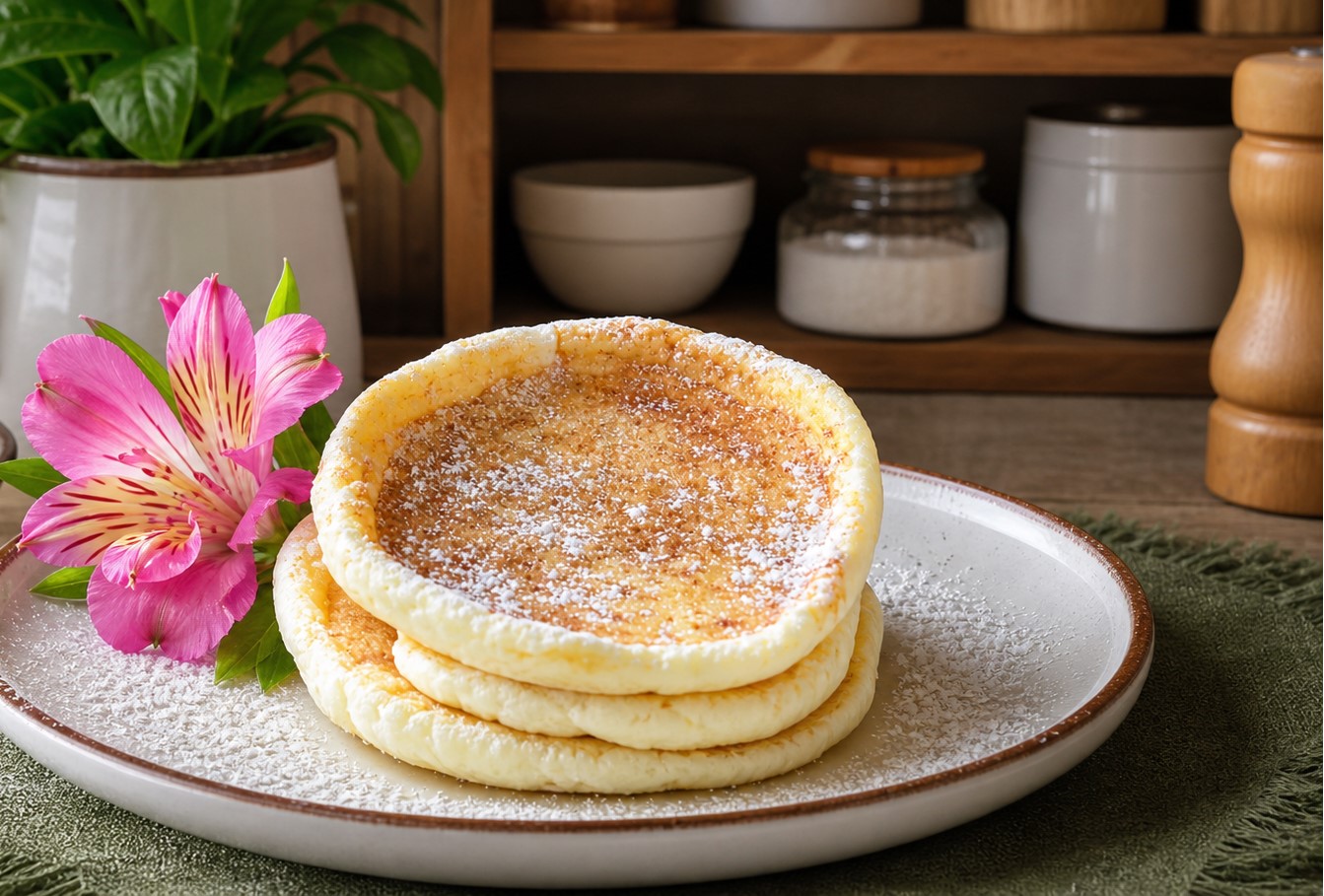
Carnivore Pancakes(Animal-Based Breakfast)
These soft, animal-based pancakes are perfect for keto and zero-carb diets.
4
servings10
minutes25
minutes186
kcal35
minutesIngredients
3 large eggs, separated
1 dash salt
1 tbsp gelatin (unflavored, grass-fed)
3 tbsp collagen peptides (unflavored, grass-fed)
½ tsp vanilla extract (optional)
2 tbsp bacon grease (or ghee, butter, avocado oil)
Directions
- Beat egg whites with salt and gelatin until stiff peaks form.
- Whisk yolks with vanilla (if using) and collagen until combined.
- Gently fold whites into yolks.
- Heat grease in pan over low heat. Add batter, cover, cook 8 minutes. Flip, cook 5 minutes.
- Enjoy immediately.
Notes
- Notes:
Cook over low heat.
Refrigerate remaining batter.
Add carnivore-friendly toppings.
Nutrition Facts
- Serving Size: 4 g
- Total number of serves: 1
- Calories: 186kcal
- Fat: 14g
- Carbohydrates: 0.4g
- Sugar: 0.3g
- Protein: 14g

)