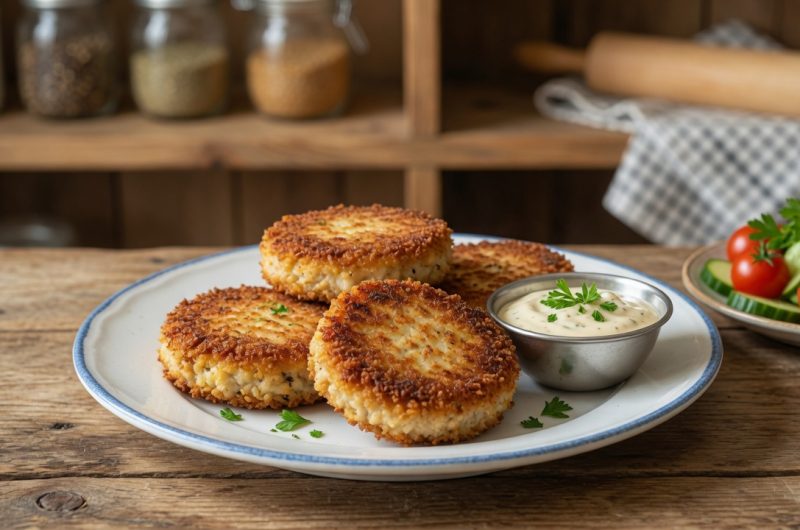
Crab cakes are one of those restaurant dishes that seem fancy and complicated, but they are actually quite simple to make at home. Using canned lump crab meat makes this recipe accessible and budget-friendly compared to buying fresh crab. You can cook these on a flat top griddle like a Blackstone or in a regular skillet on your stovetop. Either way, you get crispy golden crab cakes with tender, flavorful interiors that taste like they came from an expensive seafood restaurant. The whole process from start to finish takes only about twenty minutes of active work, making this a perfect weeknight dinner option when you want something special.
Why Use Canned Crab Meat For This Recipe
Canned lump crab meat offers several advantages for home cooks who want to make crab cakes without spending a fortune or hunting down fresh crab. The quality of canned crab has improved significantly over the years, and good brands provide large, sweet lumps of meat that work beautifully in crab cakes. You do not need to pick through whole crabs or deal with steaming and cleaning, which saves enormous amounts of time and effort. The canned version is already cooked and ready to use straight from the can. This makes crab cakes an option for busy weeknights rather than just special occasions. You can keep a few cans in your pantry and make these crab cakes whenever the craving strikes.
The Best Crackers To Use In Crab Cakes
Club crackers or Ritz crackers work perfectly as a binder in these griddle crab cakes. You need to crush the crackers into fine crumbs before adding them to the mixture. The crackers help hold everything together without making the crab cakes heavy or dense like bread crumbs sometimes can. They add a subtle buttery flavor that complements the sweet crab meat nicely. To crush the crackers, you can place them in a plastic bag and roll over them with a rolling pin, or pulse them a few times in a food processor. You want them crushed into small pieces but not turned into powder. The texture should be similar to coarse sand or cornmeal.
Understanding The Wet Ingredients That Bind Everything
The mixture of mayonnaise, egg, Worcestershire sauce, mustard, and lemon juice creates the base that holds your crab cakes together while adding flavor and moisture. Mayonnaise might seem like an unusual ingredient, but it keeps the crab cakes moist during cooking and adds richness. The egg acts as a binder that helps everything stick together when you form the patties. Worcestershire sauce and Dijon mustard bring depth and a bit of tang to balance the sweetness of the crab. Fresh lemon juice brightens all the flavors and adds that classic seafood pairing. A couple dashes of hot sauce give just a hint of heat without making the crab cakes spicy.
How Old Bay Seasoning Enhances Crab Cakes
Old Bay seasoning is a classic spice blend traditionally used with seafood, especially crab. This mixture contains celery salt, paprika, black pepper, and various other spices that complement crab meat perfectly. You only need about a teaspoon mixed into the crab cake mixture, plus a little extra for the hollandaise sauce if you decide to make it. The seasoning adds warmth and complexity without overpowering the delicate flavor of the crab. If you cannot find Old Bay seasoning at your local store, you can substitute with a combination of paprika, celery salt, and a tiny bit of cayenne pepper. However, the authentic Old Bay flavor really does make a difference in this recipe.
Preparing The Crab Meat Properly
Even though canned crab meat is already cooked and ready to use, you still need to prepare it properly before making your crab cakes. Open the can and pour the contents into a fine mesh strainer set over a bowl or the sink. Let the excess liquid drain away while you gently pick through the crab meat with your fingers. Look for any small pieces of shell or cartilage that might have made it into the can and remove them. Be very gentle during this process because you want to keep the lumps of crab meat intact as much as possible. Those large lumps give your finished crab cakes better texture and make them look more impressive when you cut into them.
Forming Perfect Crab Cakes Every Time
Once you have mixed all your ingredients together and gently folded in the strained crab meat, you need to form the mixture into six equal portions. Using a silicone ring mold makes this process much easier and helps you create uniform crab cakes that look professional. Spread a thin layer of panko breadcrumbs in the bottom of the mold first, then gently press the crab mixture into the ring. Add another light coating of panko on top before carefully removing the mold. If you do not have ring molds, you can simply use your hands to shape the crab cakes, though they might not be quite as uniform. Either way works fine, so use whatever method feels most comfortable for you.
Why Refrigerating The Crab Cakes Matters
After forming your crab cakes and coating them with panko breadcrumbs, place them on a baking sheet and refrigerate for fifteen to twenty minutes before cooking. This chilling time might seem like an unnecessary extra step, but it actually serves an important purpose. The cold temperature helps all the ingredients firm up and bind together more tightly. When you put cold, firm crab cakes onto the hot griddle, they are much less likely to fall apart during cooking. The chill also helps the coating stick better to the outside of the cakes. If you skip this step, your crab cakes might break apart when you try to flip them, leaving you with a messy griddle and disappointment.
Getting Your Griddle Ready For Cooking
Whether you use a flat top griddle or a large skillet, you need to preheat it to about three hundred seventy-five degrees Fahrenheit before adding your crab cakes. This temperature is hot enough to create a nice golden crust but not so hot that the outside burns before the inside heats through. Add about three tablespoons of butter along with a quarter cup of your preferred cooking oil to the heated surface. The combination of butter and oil gives you the best of both worlds – the butter provides flavor while the oil prevents the butter from burning at high temperatures. Spread this mixture around with your spatula to create an even cooking surface.
Cooking The Crab Cakes To Golden Perfection
Carefully place your chilled crab cakes onto the hot griddle surface where you have spread the butter and oil mixture. Let them cook undisturbed on the first side for about five to seven minutes. You want to see a light golden brown color developing on the bottom before you attempt to flip them. Use a thin metal spatula to gently flip each crab cake to the second side, being careful not to break them. Cook for an additional four to five minutes on the second side until that side also turns golden brown. The crab meat is already cooked from the can, so you are really just heating it through and creating that crispy exterior coating.
Making Easy Blender Hollandaise Sauce
Traditional hollandaise sauce has a reputation for being difficult and finicky, but making it in a blender takes away all the stress and technical difficulty. Start by melting half a cup of butter in a small saucepan until it is completely melted and hot. Add egg yolks, lemon juice, Dijon mustard, a pinch of salt, and optional seasonings like Old Bay or cayenne pepper to your blender. Blend these ingredients together for just about five seconds. With the blender running, open the center plug in the lid and slowly pour in the hot melted butter in a steady stream. The sauce will thicken and become smooth within ten to fifteen seconds. Serve this immediately while it is still warm.
Serving Suggestions For Your Crab Cakes
These griddle crab cakes work wonderfully as a main course served with simple side dishes. Consider pairing them with a fresh green salad, roasted vegetables, or crispy french fries. The blender hollandaise sauce elevates these crab cakes to restaurant quality, but they also taste great with classic tartar sauce or a simple squeeze of fresh lemon. You can serve them on toasted buns as crab cake sandwiches, or place them on a bed of mixed greens for a lighter meal. Some people enjoy adding sliced tomatoes, avocado, or remoulade sauce as additional toppings. The crab cakes are versatile enough to dress up or down depending on the occasion.
Tips For Keeping Crab Cakes From Falling Apart
The most common problem people encounter when making crab cakes is having them fall apart during cooking. Several factors help prevent this issue. First, make sure you refrigerate the formed crab cakes before cooking them, as mentioned earlier. Second, be gentle when folding the crab meat into the mixture so you do not break it up too much, but also make sure everything is evenly distributed. Third, do not skimp on the binder ingredients like the egg and crackers, as these hold everything together. Finally, resist the urge to flip the crab cakes too early. Wait until the first side has developed a proper golden crust before attempting to turn them over with your spatula.
Can You Make These Crab Cakes Ahead Of Time
These crab cakes work well for meal prep and can be made ahead in several ways. You can mix the crab cake mixture and form them into patties up to twenty-four hours before you plan to cook them. Just cover them well and keep them refrigerated until cooking time. You can also cook the crab cakes completely and then reheat them gently in a low oven when ready to serve, though they taste best when freshly cooked. The uncooked formed crab cakes can even be frozen for up to one month. Place them on a baking sheet to freeze individually first, then transfer to a freezer bag. Cook them directly from frozen, adding a few extra minutes to the cooking time.
Understanding The Role Of Panko Breadcrumbs
Panko breadcrumbs differ from regular bread crumbs in their texture and size. These Japanese-style breadcrumbs are larger and flakier, which creates a lighter, crispier coating on your crab cakes. You only coat the outside of the formed crab cakes with panko, not mix it into the batter itself. This creates a nice textural contrast between the crispy exterior and the tender interior. The panko coating also helps protect the delicate crab cakes during cooking and makes them easier to flip without breaking. Make sure to coat the crab cakes with just a thin, even layer of panko rather than a thick coating that would overpower the crab flavor.
What To Do If You Do Not Have A Griddle
Not everyone owns a flat top griddle, but you can still make these crab cakes successfully in a regular skillet on your stovetop. Use a large, heavy-bottomed skillet that distributes heat evenly, like cast iron or stainless steel. You might need to cook the crab cakes in two batches if your skillet is not large enough to hold all six without crowding. Crowding the pan lowers the temperature and prevents proper browning. Heat your skillet over medium to medium-high heat and add the butter and oil just as you would on a griddle. The cooking time and temperature remain the same regardless of whether you use a griddle or skillet.
Notes About This Recipe
Strain the crab meat gently and pick through it carefully to remove any shell or cartilage pieces while keeping the lumps intact. Refrigerating the formed crab cakes for fifteen to twenty minutes before cooking helps prevent them from falling apart on the griddle. Using a silicone ring mold makes forming uniform crab cakes easier, but you can shape them by hand if needed. The combination of butter and oil for cooking provides flavor while preventing burning. Do not flip the crab cakes until the first side has developed a golden brown crust, which takes about five to seven minutes. The blender hollandaise sauce comes together in seconds and should be served immediately while warm. You can make the crab cake mixture up to twenty-four hours ahead and refrigerate until ready to cook.
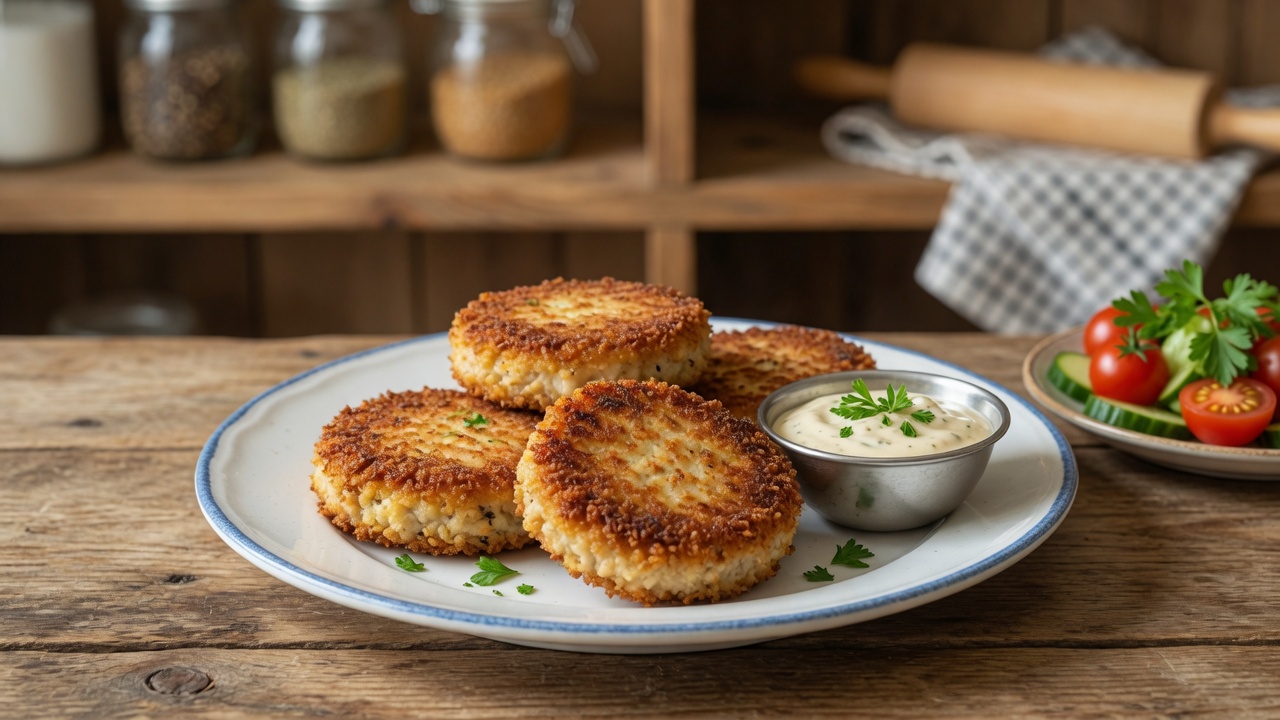
Crab Cakes on the Griddle
Crispy pan-fried crab cakes made with canned lump crab meat, crackers, and simple seasonings. Served with quick blender hollandaise sauce for an elegant meal ready in twenty minutes.
6
servings10
minutes10
minutes20
minutesIngredients
- For the crab cakes:
16 ounces lump crab meat, canned
⅓ cup mayonnaise
1 teaspoon Worcestershire sauce
1½ teaspoons Dijon mustard
1 tablespoon lemon juice
1 large egg
2 dashes hot sauce
¾ cup crushed crackers (Club crackers or Ritz crackers)
1 teaspoon Old Bay seasoning
Pinch of salt and pepper
1 cup panko breadcrumbs
3 tablespoons butter, for cooking
¼ cup cooking oil, for cooking
- For the blender hollandaise sauce:
½ cup unsalted butter
3 egg yolks
1 tablespoon lemon juice
1 teaspoon Dijon mustard
Pinch of salt
Pinch of Old Bay seasoning, optional
Pinch of cayenne pepper, optional
1 to 2 dashes hot sauce, optional
Directions
- Preparing the crab cakes:
- Strain the lump crab meat in a fine-mesh strainer. While it drains, gently pick through the meat to remove any shell pieces or cartilage. Handle gently to keep the lumps intact. In a large mixing bowl, combine the mayonnaise, egg, Worcestershire sauce, Dijon mustard, lemon juice, hot sauce, Old Bay seasoning, crushed crackers, salt, and pepper. Mix until well combined.
- Gently fold in the strained lump crab meat, taking care not to break up the lumps. Form the mixture into six equal-sized cakes. Lightly coat the top and bottom of each cake with a thin, even layer of panko breadcrumbs. Place the formed crab cakes on a baking sheet and refrigerate for fifteen to twenty minutes.
- Cooking the crab cakes:
- Heat your griddle or large skillet to approximately three hundred seventy-five degrees Fahrenheit. Add three tablespoons of butter and one-quarter cup of cooking oil to the heated surface. Spread it around with your spatula. Carefully place the refrigerated crab cakes in the hot oil and butter. Cook for five to seven minutes on the first side until light golden brown.
- Carefully flip each crab cake to the second side and cook for an additional four to five minutes until golden brown on both sides. Transfer the cooked crab cakes to a baking sheet and keep warm in the oven on the lowest setting while making the sauce, or serve immediately.
- Making the blender hollandaise:
- Melt half a cup of butter in a small saucepan until hot and completely melted. Add egg yolks, lemon juice, Dijon mustard, salt, and optional seasonings (Old Bay, cayenne pepper, hot sauce) to a blender cup. Blend for about five seconds.
- With the blender running, open the plug in the lid and slowly pour in the hot melted butter in a thin stream. After ten to fifteen seconds, the sauce should be thick and smooth. Serve immediately.