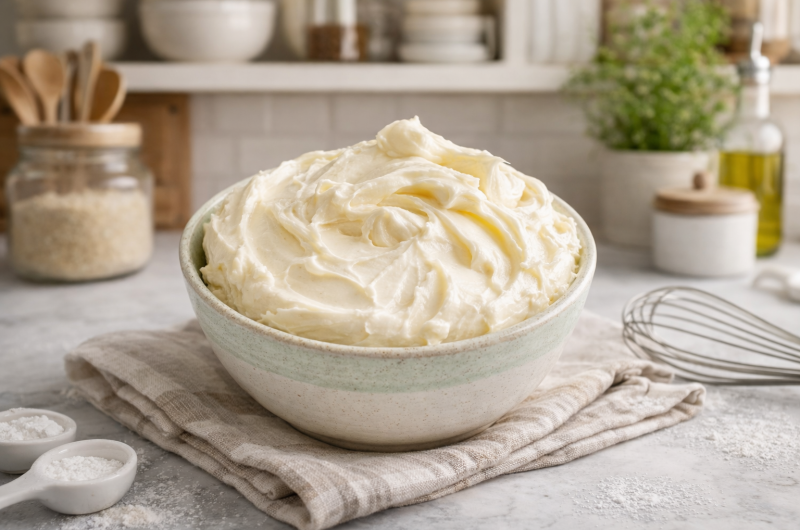
Cream cheese frosting represents one of the most versatile and beloved toppings in the baking world, capable of transforming ordinary desserts into memorable treats. This frosting appeals to people seeking a balance between sweetness and tanginess that standard buttercream cannot provide. The combination of cream cheese and butter creates a frosting with superior flavor complexity and more interesting taste profile than single-ingredient alternatives. Whether you’re decorating a simple sheet cake, topping delicate cupcakes, frosting sugar cookies, or spreading across brownies and bars, this frosting adapts beautifully to any application. The tanginess from cream cheese cuts through sweetness in a way that prevents desserts from becoming cloying or one-dimensional. Understanding why cream cheese frosting has become such a staple in home and professional baking helps you appreciate its versatility and why this recipe deserves a permanent place in your baking repertoire.
Why This Cream Cheese Frosting Stands Out From Alternatives
This particular frosting recipe achieves something many other cream cheese frostings struggle to accomplish—maintaining both creaminess and pipeable consistency. Standard cream cheese frostings often turn out too soft and difficult to pipe decoratively without refrigeration between applications. The careful balance of ingredients in this recipe ensures you get a frosting that’s thick enough to hold decorative piping while remaining smooth and spreadable. The ratio of cream cheese to butter to powdered sugar has been carefully calibrated to create the ideal texture that professional bakers strive for. Unlike overly sweet American buttercream frosting that dominates many dessert shops, this frosting respects your palate with appropriate sweetness levels. The frosting doesn’t taste aggressively sweet but rather features a pleasant balance where the cream cheese tang shines through. Many bakers report this frosting is the first one they return to repeatedly because it consistently delivers excellent results and beautiful presentation.
Selecting Quality Cream Cheese for Superior Results
The cream cheese you choose fundamentally determines the success of your frosting endeavor. Full-fat brick-style cream cheese, not whipped versions or reduced-fat alternatives, provides the proper texture and consistency needed for this recipe. The firmness of brick-style cream cheese allows it to incorporate properly with butter without creating an overly soft mixture. Whipped cream cheese contains added air that creates excessive volume without providing enough structure, resulting in frosting too soft for piping. Reduced-fat cream cheese contains additional moisture and less fat, which prevents proper thickening and creates a grainy texture unsuitable for decoration. Room temperature cream cheese is absolutely crucial because cold cream cheese doesn’t blend smoothly with butter, creating lumpy, uneven frosting with visible streaks. Some bakers microwave cream cheese briefly if they forgot to remove it from the refrigerator, though this risks creating slightly oily frosting if overheated. Investing in quality cream cheese from reputable brands typically produces better results than budget alternatives that sometimes contain additives affecting texture.
Choosing Unsalted Butter for Flavor Control
Unsalted butter provides a neutral base that doesn’t interfere with the cream cheese’s distinctive tang. Using unsalted butter allows you to control salt content precisely through the salt you add separately. Salted butter contains varying amounts of salt depending on the brand, making consistent results difficult. Room temperature butter blends smoothly with cream cheese without creating hard lumps or separated mixture. Butter that’s too cold remains firm and doesn’t incorporate properly, creating a frosting with visible butter streaks throughout. Butter that’s too warm becomes greasy and creates a soft, almost liquid frosting that lacks structure. The ideal butter temperature is approximately seventy degrees Fahrenheit—soft enough to leave a fingerprint indentation but still maintaining shape. Some bakers place butter at room temperature for thirty minutes before beating to ensure proper temperature.
Understanding Powdered Sugar’s Critical Role
Powdered sugar serves multiple functions beyond simply adding sweetness to the frosting. The fine powder texture allows smooth incorporation without creating grainy frosting that’s unpleasant to eat. The cornstarch included in powdered sugar helps thicken the frosting and provides structure that keeps it pipeable. The amount of powdered sugar directly affects frosting consistency—using too little creates soft frosting that spreads but won’t hold decorative piping. Using too much powdered sugar creates an overly thick frosting that’s difficult to spread smoothly and may crack when piped. The recipe calls for gradual addition of powdered sugar, allowing you to stop when you reach your preferred consistency. Some bakers sift powdered sugar before adding to prevent lumps that create grainy frosting. The quality of powdered sugar matters less than ensuring you measure correctly and add gradually rather than all at once.
Adding Vanilla Extract for Aromatic Complexity
Pure vanilla extract contributes aromatic sweetness and flavor depth that elevates the frosting beyond merely sweetened cream cheese. The vanilla flavor becomes more noticeable when balanced against the cream cheese tanginess. Using pure vanilla extract rather than imitation vanilla provides superior flavor, though imitation works in a pinch. The amount of vanilla can be adjusted based on personal preference—more vanilla creates a more pronounced vanilla flavor while less allows cream cheese tang to dominate. Some bakers prefer using alternatives like almond extract or maple extract to create different flavor profiles. The vanilla should be thoroughly incorporated so you don’t taste separated vanilla flavor but rather integrated taste throughout.
The Importance of Salt for Flavor Enhancement
Salt, though used in small amounts, plays a crucial role in balancing and enhancing all other flavors in the frosting. The salt suppresses excessive sweetness perception while highlighting the cream cheese’s natural tang. Without salt, the frosting often tastes one-dimensional and overly sweet regardless of other ingredient quality. The salt should be fine sea salt or table salt for even distribution, avoiding coarse salts that won’t dissolve properly. The amount of salt can be adjusted based on taste preference and whether your butter was salted or unsalted. Adding salt gradually and tasting prevents oversalting that would create an unpleasant salty frosting. Understanding salt’s flavor-enhancing properties helps you appreciate how this simple ingredient dramatically improves the final result.
Preparing Ingredients to the Ideal Temperature
Room temperature ingredients represent the most critical element for creating smooth, lump-free frosting. Cold cream cheese straight from the refrigerator doesn’t blend properly with butter, creating a grainy texture that no amount of mixing resolves. Similarly, cold butter resists incorporation and creates lumpy frosting with visible butter pieces throughout. The ideal approach is removing both cream cheese and butter from the refrigerator thirty to sixty minutes before mixing. Some bakers place ingredients near a sunny window or in a warm location to speed up the warming process. If you’re impatient, carefully microwaving cream cheese for five to ten seconds helps, though risks creating slightly oily frosting if overheated. Ensuring both ingredients reach approximately room temperature before starting prevents frustration and ensures consistent results.
The Beating Process and What Proper Mixing Looks Like
Beating cream cheese and butter together creates a smooth, fluffy mixture ready to accept powdered sugar. Using an electric mixer saves arm strength and creates better results than hand mixing. Starting the mixer on low speed prevents splattering cream cheese and butter throughout your kitchen. Once ingredients begin combining, increasing speed to medium creates the desired fluffy texture. The mixture should become noticeably lighter in color and increase in volume as you beat. This process typically takes three to five minutes and creates the foundation for successful frosting. Properly beaten mixture appears light, fluffy, and uniform in color with no visible streaks of cream cheese or butter remaining visible.
Gradually Adding Powdered Sugar for Consistency Control
Adding powdered sugar gradually rather than all at once allows you to monitor consistency and stop at your preferred thickness. Starting with half the powdered sugar allows initial mixing and integration before committing to the full amount. Mixing thoroughly between additions ensures even distribution and prevents lumpy frosting. After adding the first half, check the consistency and taste before adding remaining powdered sugar. This gradual approach lets you create frosting perfectly suited to your needs rather than being locked into a specific consistency. If you’re piping decoratively, you want thicker frosting; if you’re spreading, slightly thinner works better. The beauty of gradual addition is flexibility to adjust based on your specific dessert application.
Achieving Perfect Consistency for Your Application
The ideal frosting consistency depends entirely on how you plan to use it. For piping decorative borders, rosettes, or other designs, you want thick frosting that holds its shape. For spreading smoothly across cake layers or cupcake tops, slightly thinner frosting applies more easily. The frosting should be thick enough to hold peaks when you lift the beater but not so stiff it becomes difficult to work with. If frosting becomes too thick during mixing, adding milk or cream one teaspoon at a time gradually thins it. If it remains too soft, adding more powdered sugar by the tablespoon thickens it. The recipe provides guidelines, but personal preference and specific application ultimately determine ideal consistency.
Making This Frosting Work for Various Dessert Applications
This frosting adapts beautifully across the entire spectrum of desserts from traditional layer cakes to unconventional applications. For carrot cake, the cream cheese tang complements the spiced cake perfectly. For red velvet cake, the frosting provides the traditional cream cheese pairing that makes red velvet special. For chocolate cakes, the frosting cuts through richness while adding its own appealing flavor. Cupcakes frost beautifully with piped dollops that look professionally made. Sugar cookies and gingerbread cookies frost smoothly with spreading or piping consistency. Brownies and cookie bars benefit from frosting that adds richness and visual appeal. The frosting works equally well for birthdays, weddings, holiday gatherings, or casual family desserts.
Storage Methods for Maximum Freshness and Safety
Proper storage extends frosting freshness while maintaining food safety and quality. Refrigeration is the safest storage method for cream cheese frosting because cream cheese is a perishable dairy product. Store frosting in an airtight container to prevent it from absorbing refrigerator odors. Properly stored frosting maintains quality for three to four days in the refrigerator. If frosting hardens during refrigeration, bring it to room temperature and stir before using. Freezing works for longer storage, keeping frosting safe for up to one month in an airtight container. Thaw frozen frosting in the refrigerator overnight before bringing to room temperature. Never leave frosting at room temperature for extended periods beyond a couple hours.
Troubleshooting Common Frosting Problems
Understanding what causes common frosting issues helps you fix problems quickly. Lumpy frosting usually results from cold cream cheese or butter that didn’t blend properly—fix by briefly microwaving and remixing. Overly soft frosting that won’t hold decorative piping needs more powdered sugar added gradually until thickening. Grainy frosting may result from powdered sugar not dissolving properly—ensure thorough mixing after each addition. Frosting that tastes gritty suggests inadequate mixing or using granulated sugar instead of powdered sugar. Separated frosting with visible oil streaks indicates overbeating or ingredients that were too warm—start over with fresh ingredients. Understanding causes prevents repeating mistakes and builds confidence in your frosting-making abilities.
Creating Variations While Maintaining Core Frosting Structure
This basic frosting recipe serves as a foundation for countless variations while maintaining the cream cheese tang that makes it special. Adding food coloring creates colored frosting for themed cakes and celebrations. Incorporating cocoa powder creates chocolate cream cheese frosting that appeals to chocolate lovers. Adding coffee creates mocha-flavored frosting pairing beautifully with chocolate or vanilla cakes. Lemon or orange extract adds brightness and citrus flavor. Maple extract creates fall-inspired frosting for spiced cakes. The basic recipe remains the same; only the flavoring ingredients change. Understanding the foundation allows confident experimentation with new flavor combinations.
Why Professional Bakers Prefer This Approach
Professional bakers often choose cream cheese frosting because it delivers consistent results across different applications and cake types. The flavor profile doesn’t clash with virtually any cake flavor, making it reliable for catering and custom orders. The ability to achieve both pipeable and spreadable consistency makes it versatile for different decoration techniques. The relatively quick preparation time means last-minute frosting emergencies don’t derail baking plans. The ingredients are widely available at reasonable prices, keeping costs down. The frosting maintains quality throughout a celebration without melting or separating like some alternatives.
Making Frosting Part of Your Regular Baking Routine
Creating frosting from scratch becomes quick and easy with practice, eventually taking less time than gathering store-bought frosting ingredients. The investment in learning proper technique pays dividends through countless desserts. Keeping cream cheese and butter on hand allows spontaneous cake baking whenever the craving strikes. The frosting appeals across age groups and dietary variations, making it suitable for diverse gatherings. Building frosting-making skills develops confidence and competence in the kitchen. Understanding how this frosting works creates foundation knowledge applicable to other frosting types and baking techniques.
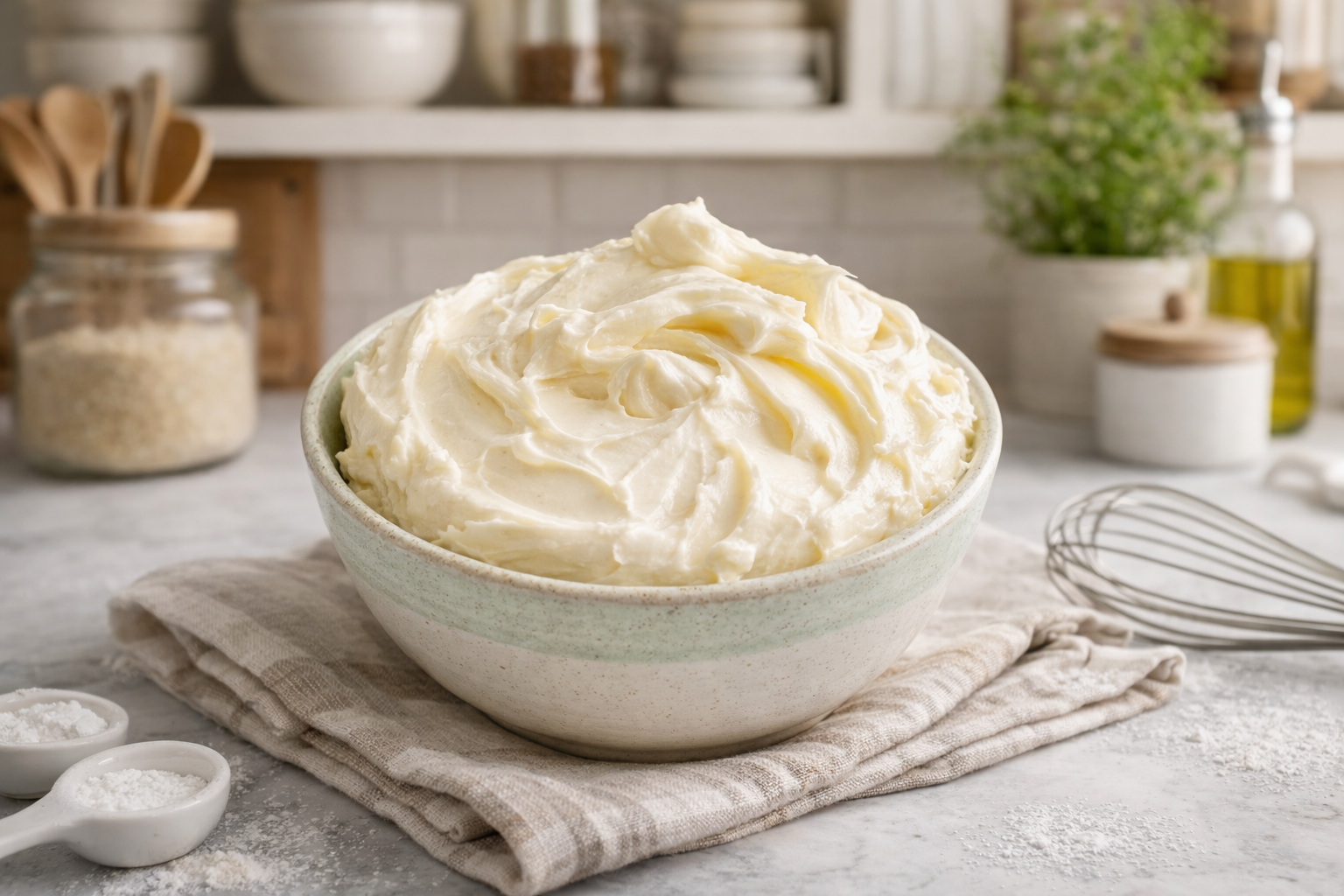
Creamy Cheese Frosting
Unlike overly sweet buttercream frosting, this version respects your palate with appropriate sweetness levels while allowing cream cheese tang to shine through. Perfect for birthdays, holidays, weddings, or everyday desserts, this frosting transforms plain cakes into impressive presentations worthy of special moments.
4
servings10
minutes80
kcal10
minutesIngredients
12 ounces (340 grams) cream cheese, room temperature
3-6 tablespoons (42-84 grams) unsalted butter, room temperature
1 cup (120 grams) powdered sugar (you can add more, if desired)
1/2 teaspoon vanilla extract
pinch of salt
Directions
- Combine cream cheese and butter in a large mixer bowl; beat until smooth.
- Gradually add half of the powdered sugar, mixing until smooth.
- Incorporate vanilla extract and salt; mix thoroughly.
- Gradually add remaining powdered sugar until desired consistency is achieved.
Notes
- Yield: This recipe yields just over 2 1/2 cups, sufficient for 12-14 cupcakes with generous swirls of frosting.
- Storage: Refrigerate unused frosting for 3-4 days or freeze for up to one month in an airtight container. Allow to come to room temperature before use.
Nutrition Facts
- Protein: 14.7g