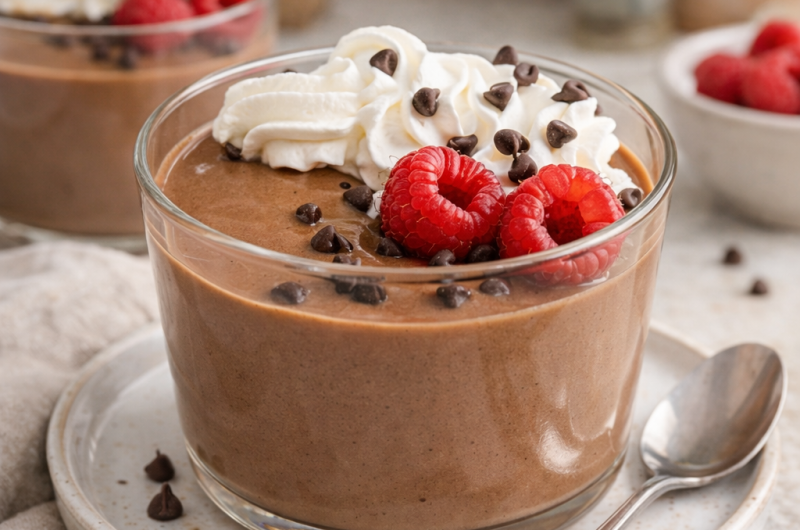
High-protein chocolate pudding represents a simple yet satisfying dessert that combines indulgence with impressive nutritional benefits. This no-bake treat appeals to people seeking convenient protein-rich snacks that fit within fitness goals and dietary preferences. The straightforward three-ingredient formula makes this pudding accessible to anyone, regardless of baking experience or culinary skill level. The versatility allows endless flavor variations while maintaining the core health benefits that make this dessert special. Made fresh at home, this pudding surpasses store-bought versions in taste, quality, and nutritional control. Understanding why homemade pudding offers superior value helps you appreciate the benefits of preparing your own desserts rather than relying on commercial products.
Why Homemade Protein Pudding Outperforms Store-Bought Options
Creating your own protein pudding provides significant cost savings compared to purchasing individual servings from specialty shops or grocery stores. A single homemade batch costs a fraction of store-bought alternatives while often containing superior ingredients. Homemade versions allow complete control over ingredients, eliminating preservatives, artificial sweeteners, and additives found in commercial products. The taste of homemade pudding is noticeably fresher and more satisfying than mass-produced versions that often taste artificial or chemical. Making your own pudding takes only minutes, providing convenience without sacrificing quality or nutritional value. The ability to customize flavors and macronutrient ratios creates pudding perfectly suited to your preferences and dietary needs. Store-bought puddings often contain mysterious ingredients you cannot pronounce, while homemade versions feature clean, recognizable components.
The Economics of Making Protein Pudding at Home
The financial benefits of homemade pudding become apparent when comparing costs to commercially produced alternatives. A single serving of specialty store pudding might cost five to eight dollars, while homemade pudding costs less than two dollars per serving. Making your own pudding for an entire week costs less than purchasing one serving from a coffee shop or dessert establishment. The bulk purchasing of protein powder and yogurt reduces per-serving costs significantly. Over time, the savings accumulate substantially, allowing you to redirect money toward other nutrition or fitness goals. The economic advantage makes homemade pudding an excellent choice for anyone watching their budget while maintaining nutritional standards. Creating this pudding at home represents smart financial planning combined with health-conscious decision-making.
Selecting Quality Protein Powder for Optimal Results
The protein powder you choose significantly impacts the pudding’s taste, texture, and nutritional profile. Brown rice protein powder creates a thick, creamy consistency ideal for pudding preparation while avoiding thinning effects. Casein protein powder also thickens pudding effectively while providing sustained protein release that keeps you satisfied longer. Pea protein offers a plant-based alternative that works well for creating pudding with impressive nutritional benefits. Avoiding whey-based protein powder prevents thin, watery pudding that lacks the desired creamy texture and satisfaction. The flavor of your chosen protein powder becomes quite noticeable in pudding, so selecting one you genuinely enjoy is important. Quality protein powder without excessive additives or artificial flavors creates pudding tasting like a treat rather than a supplement. Testing different brands helps you discover which protein powder tastes best and creates ideal pudding texture.
Choosing the Right Greek Yogurt for Thickness and Creaminess
Greek yogurt forms the base of this pudding, making its quality crucial for success. Non-fat Greek yogurt provides maximum protein while maintaining creaminess and satisfaction. Full-fat Greek yogurt creates richer texture though contains more calories per serving. Plant-based yogurt alternatives work for vegan versions though texture may vary slightly depending on the brand. The yogurt should be thick and creamy rather than thin or watery, which affects the final pudding quality. Checking the ingredient list ensures your yogurt contains minimal additives or added sugars that would complicate nutritional tracking. Quality thick yogurt creates pudding with superior texture and satisfaction compared to thinner yogurt varieties. Some yogurt brands contain gelatin or stabilizers that actually improve pudding consistency rather than detract from it.
Understanding Optional Sweeteners and Their Role
Sweeteners enhance pudding flavor only when needed, depending on your protein powder’s existing sweetness. Allulose provides sweetness without the aftertaste some people notice with stevia or sugar alcohols. Regular sugar works effectively though affects carbohydrate count for those tracking macronutrients carefully. Honey and maple syrup add natural sweetness though contain more calories and carbs than alternative sweeteners. If your protein powder already contains sweeteners, adding extra sweetener is unnecessary and creates overly sweet pudding. Testing your protein powder’s taste before adding sweeteners prevents oversweetening the final product. The amount of sweetener should be adjusted to personal preference and dietary goals. Some people prefer naturally sweet pudding relying on yogurt and quality ingredients rather than added sweeteners.
Creating Rich Chocolate Variation with Cocoa Powder
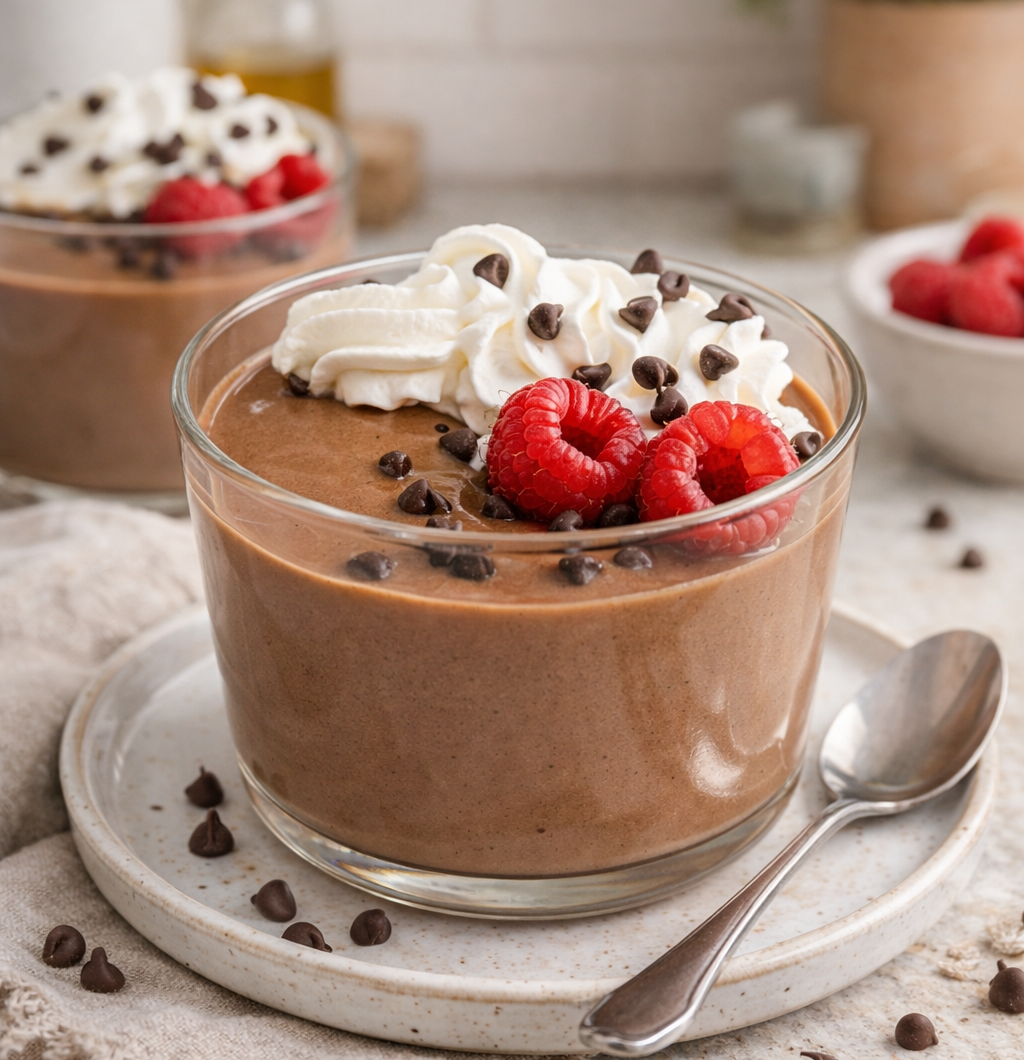
Adding cocoa powder transforms basic pudding into rich chocolate flavor that rivals store-bought chocolate puddings. Two tablespoons of unsweetened cocoa powder provides substantial chocolate flavor without excessive bitterness. Combining cocoa powder with chocolate protein powder intensifies chocolate flavor significantly for chocolate lovers. Chocolate chips add texture and concentrated chocolate flavor pockets throughout the pudding. Using quality cocoa powder creates superior chocolate flavor compared to budget alternatives containing additives. The chocolate elements should complement rather than overpower the creamy yogurt base. Dutch-processed cocoa powder creates darker color and smoother flavor compared to natural cocoa powder.
Exploring Vanilla and Peanut Butter Flavor Variations
Vanilla extract adds familiar flavor that appeals broadly across different preferences and age groups. Using vanilla-flavored Greek yogurt intensifies vanilla flavor while adding extra creaminess. Peanut butter variations combine protein powder with powdered peanut butter for nutty richness. Standard peanut butter works though may increase fat content slightly compared to powdered varieties. These variations allow personalization while maintaining the nutritional benefits of the basic recipe. Experimenting with different flavor combinations helps you discover personal preferences. Layering different flavors creates complex taste profiles surpassing simple single-flavor puddings.
The Importance of Refrigeration for Achieving Proper Consistency
Refrigerating pudding for approximately one hour allows the mixture to thicken substantially. The thickening process occurs as protein powder continues hydrating and ingredients fully integrate together. Rushing this step results in thinner pudding lacking the desired creamy consistency and satisfaction. Cold temperature enhances the dessert nature of the pudding, making it feel more luxurious. Some people prefer overnight refrigeration for maximum thickness and creaminess. The refrigeration step is non-negotiable for achieving proper pudding texture that satisfies like real dessert. Temperature control represents one of the most important factors in successful pudding preparation.
Adding Mix-Ins and Toppings for Enhanced Variety
Chocolate chips add texture and concentrated chocolate flavor throughout the pudding layers. Crushed nuts provide crunch and additional protein complementing the smooth pudding base. Granola creates texture contrast between creamy pudding and crunchy topping elements. Fresh berries add brightness, visual appeal, and natural fruit flavors. Coconut flakes provide tropical flavor and appealing texture variation. The possibilities for customization are nearly endless while maintaining nutritional benefits. Layering different toppings creates visually impressive desserts worthy of special occasions. Mix-ins allow you to personalize pudding for different moods and preferences.
Storing Pudding Properly for Extended Freshness
Properly stored pudding remains fresh in the refrigerator for up to five days. Covering prevents the pudding from absorbing odors from other foods in your refrigerator. If pudding thickens excessively during storage, adding almond milk or another milk restores desired consistency. Frozen pudding can be blended to create a thick, creamy soft-serve texture. Portioning into individual containers allows grab-and-go convenience throughout the week. Proper storage extends the pudding’s usefulness while maintaining quality and nutritional value. Glass containers preserve pudding better than plastic, which can absorb flavors and stains.
Troubleshooting Common Pudding Consistency Issues
If pudding remains too thin, cornstarch or xanthan gum thickens the mixture effectively. Adding more protein powder increases both thickness and protein content per serving. Whey protein powder creates thin pudding—switching to brown rice or casein resolves this issue. Overly thick pudding becomes more palatable with added milk gradually incorporated. Testing ingredients before full preparation prevents complete recipe failures and wasted ingredients. Most consistency issues have simple solutions allowing successful pudding creation. Understanding ingredient interactions helps you adjust recipes for perfect results.
Creating Delicious Vegan Versions Without Compromise
Plant-based yogurt alternatives successfully replace Greek yogurt in vegan versions. Coconut yogurt, almond yogurt, and soy yogurt all work depending on personal preference. Vegan protein powder options include pea, rice, hemp, and soy varieties. The preparation remains identical regardless of protein source used. Vegan versions provide equal nutritional benefits to dairy-based versions. The taste may vary slightly depending on plant-based yogurt selection and protein powder brand. Full recipes developed specifically for vegan ingredients ensure optimal results.
Understanding Why Protein Powder Quality Matters
Budget protein powders often contain fillers and additives affecting taste and texture. Quality protein powders use cleaner ingredient lists producing superior pudding results. Investing in better protein powder dramatically improves the pudding experience. Premium brands often taste more like dessert than supplement. The price difference between budget and quality powder is often recouped through better results and satisfaction. Taste testing different brands helps identify which works best for your preferences. Reading reviews helps identify brands with consistently good pudding preparation results.
Making Pudding Part of Your Nutritional Strategy
High-protein pudding fits perfectly into fitness-focused nutrition plans and dietary approaches. The thirty grams of protein per serving supports muscle maintenance and recovery. The minimal carbohydrates make this pudding suitable for low-carb and keto diets. Including pudding in meal plans provides satisfying dessert without nutritional compromise. The convenience factor makes pudding easier to stick with compared to complicated recipes. Preparing pudding in advance ensures you always have healthy dessert options available. This pudding supports various dietary approaches from flexible dieting to strict nutrition plans.
Why This Pudding Works for Different Lifestyles
Busy professionals appreciate the minimal preparation time required for pudding. Fitness enthusiasts love the impressive macronutrient profile supporting their training goals. Budget-conscious people appreciate the significant savings compared to store-bought pudding. People with dietary restrictions benefit from customization options accommodating different needs. Athletes use pudding as convenient post-workout nutrition supporting recovery. Parents seeking healthier dessert options for children find pudding appealing and delicious. College students appreciate affordable nutrition fitting within limited budgets.
The Environmental Benefits of Homemade Pudding
Making pudding at home reduces packaging waste compared to individually packaged store versions. Bulk purchasing protein powder and yogurt generates less packaging per serving. Choosing large containers over individual serving cups reduces environmental impact. Reusable storage containers minimize disposable container waste. Making pudding at home represents an environmentally conscious choice. Supporting sustainable practices through daily food choices contributes to larger environmental goals. Homemade pudding allows you to align your choices with environmental values.
Making Pudding an Enjoyable Part of Your Routine
Creating pudding becomes an enjoyable ritual rather than a chore. The simple preparation process feels meditative and satisfying. Experimenting with flavors keeps pudding interesting rather than boring. The immediate gratification of completing a healthy dessert reinforces positive behaviors. Sharing pudding with friends and family creates social connection. Building consistency through regular pudding preparation establishes healthy habits. The satisfaction of creating something delicious at home builds confidence and pride.
Protein Pudding
Indulge in a satisfying and healthy dessert with this quick and easy protein pudding recipe. Packed with protein, this creamy delight is a breeze to prepare and a treat for your taste buds.
3
servings1
minute1
minute165
kcal2
minutesIngredients
1.5 cups Greek yogurt (non-fat or plant-based)
0.75 cup vanilla protein powder
1.5 tablespoons sugar or sugar substitute
Directions
- In a large mixing bowl, whisk together the yogurt and protein powder until the mixture is thick and free of clumps. Add the sweetener if a sweeter pudding is desired.
- Enjoy immediately or cover the bowl and refrigerate for an hour to allow the pudding to thicken.
Notes
- For chocolate flavor, add two tablespoons of cocoa powder, use chocolate protein powder, and fold in chocolate chips.
- For vanilla flavor, add 1/2 teaspoon of vanilla extract and use vanilla-flavored Greek yogurt.
- For a peanut butter twist, incorporate two tablespoons of powdered or standard peanut butter.
- Storage Instructions:
To store, refrigerate the pudding covered. If it thickens too much, thin it out with unsweetened almond milk or your milk of choice.
To freeze, portion the pudding in a shallow container. When ready to enjoy, blend the frozen pudding until thick and creamy.
Nutrition Facts
- Calories: 165kcal
- Fat: 2g
- Sodium: 105mg
- Potassium: 252mg
- Carbohydrates: 9g
- Protein: 28g
- Iron: 0.1mg