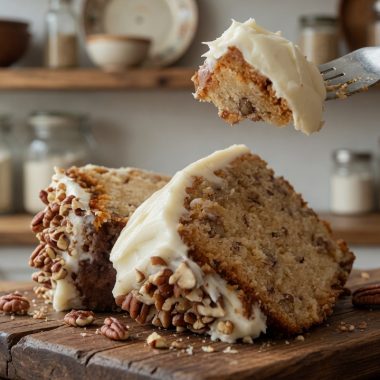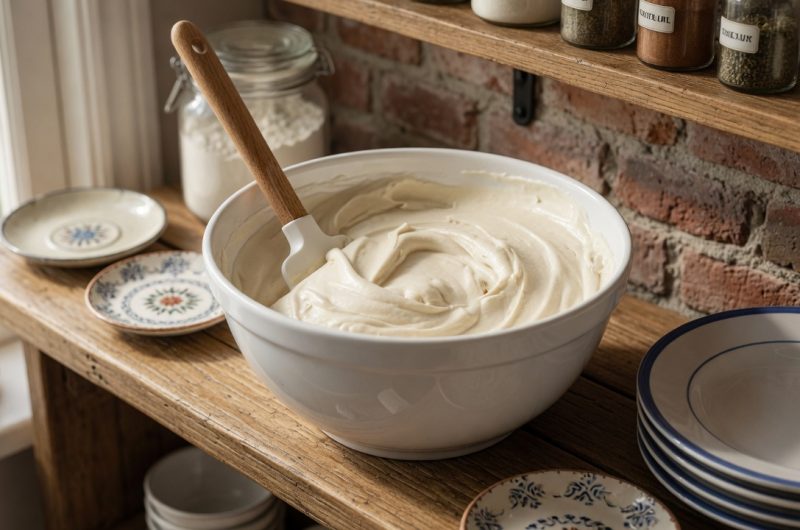
Keto cream cheese frosting offers a low-carb alternative to traditional frostings made with powdered sugar. This frosting contains only a fraction of the carbohydrates found in regular frosting, making it suitable for people following ketogenic diets. The base ingredient is simple cream cheese, which provides a tangy flavor and creamy texture without requiring any flour or cornstarch. Stevia glycerite sweetens the frosting naturally without adding sugar or artificial ingredients that some people want to avoid. The result is a frosting that tastes rich and indulgent while keeping your desserts keto-friendly and low in net carbs.
Understanding Stevia Glycerite as a Sweetener
Stevia glycerite is a liquid sweetener extracted from the stevia plant and suspended in glycerin. This form of stevia dissolves easily into frosting without creating any graininess that powdered stevia sometimes leaves behind. One and one-half teaspoons of stevia glycerite provides the same sweetness as one-half cup of powdered sugar, allowing you to enjoy your frosting without the sugar content. Stevia glycerite has a clean taste that does not leave the bitter aftertaste some people experience with other sugar substitutes. This sweetener is also heat stable, meaning it does not break down or change flavor when used in baked goods. Keep stevia glycerite in your pantry as a reliable low-carb baking ingredient.
Why Cream Cheese Works Best
Cream cheese provides the perfect base for keto frosting because of its natural creaminess and mild tang. Unlike butter-based frostings, cream cheese frosting does not require large amounts of butter or confectioners sugar to achieve a smooth texture. The fat content in cream cheese creates a rich mouthfeel that makes the frosting satisfying even in small amounts. Cream cheese also whips up quickly to a fluffy consistency without extensive beating. The slight tang complements sweet cake flavors and helps balance the sweetness from the stevia. Full-fat cream cheese works better than reduced-fat versions because the higher fat content creates better texture and flavor.
Softening Cream Cheese Properly
Cold cream cheese straight from the refrigerator is too firm to whip into frosting. Softening the cheese makes it blend smoothly with the other ingredients and whips up more easily. Cutting the cream cheese into cubes increases the surface area and helps it soften faster. Place the cubed cream cheese in a microwave-safe bowl and heat in ten-second intervals, checking the texture after each interval. The cheese should be soft enough to press with your finger but should not be melted or oily. Overheating turns cream cheese into a greasy puddle that does not whip properly. Room temperature cream cheese takes about thirty minutes to soften without any heating needed.
The Role of Vanilla Extract
Vanilla extract adds depth and complexity to the cream cheese frosting flavor. The vanilla masks any slight tanginess from the cream cheese and creates a more balanced taste. Pure vanilla extract works better than imitation because it contains real vanilla bean flavor compounds. One teaspoon of vanilla is enough to perfume the frosting without overpowering the other flavors. You can experiment with other extracts like almond or maple if you want different flavor profiles. Vanilla extract is also shelf-stable and has a long storage life, making it a reliable ingredient to keep on hand.
Hand Whisking Versus Electric Mixing
Hand whisking the frosting works perfectly fine and takes only about two minutes of vigorous whisking. This method gives you complete control over the mixing process and prevents overbeating. A sturdy whisk with multiple wires works better than a fork for incorporating air into the frosting. The physical effort of hand whisking creates a natural stopping point when the frosting reaches the right consistency. For people who prefer not to use electric appliances, hand whisking is a simple and effective method. The frosting will be smooth and fluffy without requiring any special equipment.
Using an Electric Whisk or Mixer
An electric whisk or stand mixer speeds up the frosting-making process and creates a very light, fluffy texture. Start mixing on low speed to combine the ingredients evenly and prevent splashing. Once everything is combined, increase the speed to medium and beat for about one minute until the frosting reaches the right consistency. Stop and scrape down the sides of the bowl with a rubber spatula several times to ensure even mixing. The frosting whips up faster with an electric mixer because the rapid motion incorporates more air. Use whatever mixing method feels most comfortable and fits your kitchen setup.
Achieving the Right Frosting Consistency
The frosting should be thick enough to hold its shape when piped or spread but soft enough to work with easily. As you whisk or mix, the frosting will become increasingly fluffy and pale in color. Stop mixing when the frosting looks smooth and airy rather than grainy or thin. Overmixing cream cheese frosting can cause it to become thin and lose its structure. The finished frosting should double in volume from when you started mixing. A proper consistency allows you to pile the frosting high on cupcakes or spread it smoothly over cake layers.
Choosing Between Stevia and Powdered Sweeteners
Stevia glycerite creates a smoother frosting texture because it dissolves completely without leaving any grittiness. Powdered sweeteners like erythritol or monk fruit can also work but may create a slightly grainy mouthfeel if not mixed thoroughly. Granulated sweeteners definitely create a grainy texture and should be avoided for frosting unless you dissolve them in a small amount of liquid first. The sweetener choice affects the final taste and mouthfeel significantly, so it is worth trying different options to find your preference. Some people prefer the clean taste of stevia while others like the slight cooling sensation of erythritol. Experiment with different sweeteners to discover which you enjoy most.
Measuring Ingredients Accurately
Use a kitchen scale to measure cream cheese for the most accurate results. Eight ounces equals about two hundred twenty-five grams on a scale. If measuring by volume, one eight-ounce package of cream cheese is approximately one cup. Measuring by weight removes guesswork and produces more consistent frosting texture. Vanilla extract should be measured with a standard teaspoon measure to get the right flavor intensity. Too much vanilla creates an overpowering taste while too little leaves the frosting tasting flat. Precision in measuring makes the difference between frosting that turns out perfect and frosting that needs adjustment.
Adjusting Sweetness to Your Preference
The one and one-half teaspoons of stevia glycerite in this recipe provides sweetness equivalent to one-half cup of powdered sugar. If you prefer sweeter frosting, add an additional one-half teaspoon of stevia and remix. If you find the frosting too sweet, reduce the stevia by one-quarter teaspoon. Keep in mind that stevia and other alternative sweeteners vary in potency between brands. You may need to adjust the amount based on the specific product you use. Always mix in sweetener gradually and taste as you go to avoid making the frosting too sweet to correct. The beauty of making frosting at home is that you can adjust it to your exact preference.
Frosting Cupcakes and Cakes
For frosting six cupcakes, spoon the frosting directly onto the top of each cooled cupcake and spread with a small spatula or knife. Work quickly so the frosting does not warm up and lose its shape. You can also use a piping bag fitted with a large round or star tip to create decorative frosting peaks. For a single-layer cake, spread the frosting evenly over the top using an offset spatula or butter knife. Work from the center outward for even coverage. If frosting a two-layer cake, double the recipe amount to have enough frosting for between the layers and on top.
Storing Frosted Desserts
Cupcakes or cakes frosted with cream cheese frosting should be stored in the refrigerator because cream cheese has a higher moisture content than other frostings. Place frosted desserts in an airtight container to prevent them from absorbing odors from other foods. Cream cheese frosting stays fresh in the refrigerator for up to five days. Let frosted desserts sit at room temperature for ten to fifteen minutes before eating so the frosting softens slightly. Frosted cupcakes and cakes can be frozen for up to one month by wrapping them individually and placing them in a freezer-safe container. Thaw frozen frosted desserts in the refrigerator overnight before serving.
Making Frosting Without Stevia
If you do not have stevia glycerite, you can use other keto-friendly sweeteners as substitutes. Powdered erythritol works well at the same measurement as stevia but may have a slight cooling effect and grainy texture. Monk fruit sweetener is another option, though it often contains erythritol as a bulking agent. Liquid sweeteners like liquid stevia extract also work but may change the consistency slightly. For every teaspoon of stevia glycerite, substitute one teaspoon of most liquid sweeteners. Powdered sweeteners may need to be dissolved in a small amount of liquid first to prevent grittiness. Always follow the brand’s recommendations for conversion ratios since potency varies between products.
Preventing Common Frosting Problems
Grainy frosting usually results from using granulated sweeteners instead of powdered or liquid ones. If your frosting turns out grainy, pass it through a fine mesh strainer to remove the particles. Frosting that is too thin might indicate overmixing or that the cream cheese was too warm when you started. Let thin frosting chill in the refrigerator for thirty minutes before using it. Frosting that breaks or looks curdled can sometimes be rescued by letting it sit at room temperature for ten minutes, then remixing gently. If the frosting still looks broken, pass it through a strainer to smooth it out.
Doubling the Recipe
To make enough frosting for twelve cupcakes or a two-layer cake, simply double all the ingredient amounts. Mix sixteen ounces of softened cream cheese with two teaspoons of vanilla extract and three teaspoons of stevia glycerite. The mixing time remains about the same because the consistency adjusts proportionally. Doubling the recipe does not require any changes to the mixing method or technique. Keep track of the ingredient amounts carefully to ensure proper proportions. Extra frosting can be stored in an airtight container in the refrigerator for up to one week.
Flavor Variations
While vanilla is the classic choice, you can create different frosting flavors by adjusting the extract. Use one teaspoon of almond extract instead of vanilla for an almond-flavored frosting. Lemon extract or lime extract creates a citrus-flavored frosting that works well with chocolate or vanilla cakes. Peppermint extract adds a festive touch for holiday desserts. Coffee or espresso powder mixed with the cream cheese creates a mocha-flavored frosting. Cocoa powder can be whisked in to create a chocolate frosting, though this increases the carb content slightly. Experiment with different flavorings to create unique frosting variations.
Why Keto Frosting Matters
Following a ketogenic diet requires careful attention to ingredient choices to maintain ketosis. Regular frosting made with powdered sugar contains significant carbohydrates that can interfere with ketogenic goals. This cream cheese frosting provides a satisfying, delicious topping that fits within keto macros. Creating keto versions of favorite desserts helps people stick with their dietary choices long-term. Homemade frosting also allows you to control the ingredients and avoid additives or preservatives found in store-bought versions. Making this frosting at home takes just ten minutes, making it convenient for weeknight desserts or special occasions.
Serving Suggestions
Serve frosted keto cupcakes or cake as a special treat at gatherings where others also follow low-carb diets. The frosting appeals to people watching their sugar intake for various reasons. Pair frosted desserts with coffee or tea for an afternoon snack or dessert course. These keto-friendly desserts work well for holiday celebrations, birthdays, or any occasion calling for cake or cupcakes. The frosting complements vanilla, chocolate, or almond-flavored cakes beautifully. Send frosted cupcakes to work or school in lunch boxes as a keto-compliant treat. The freezer-friendly nature of frosted desserts makes them convenient to have on hand.
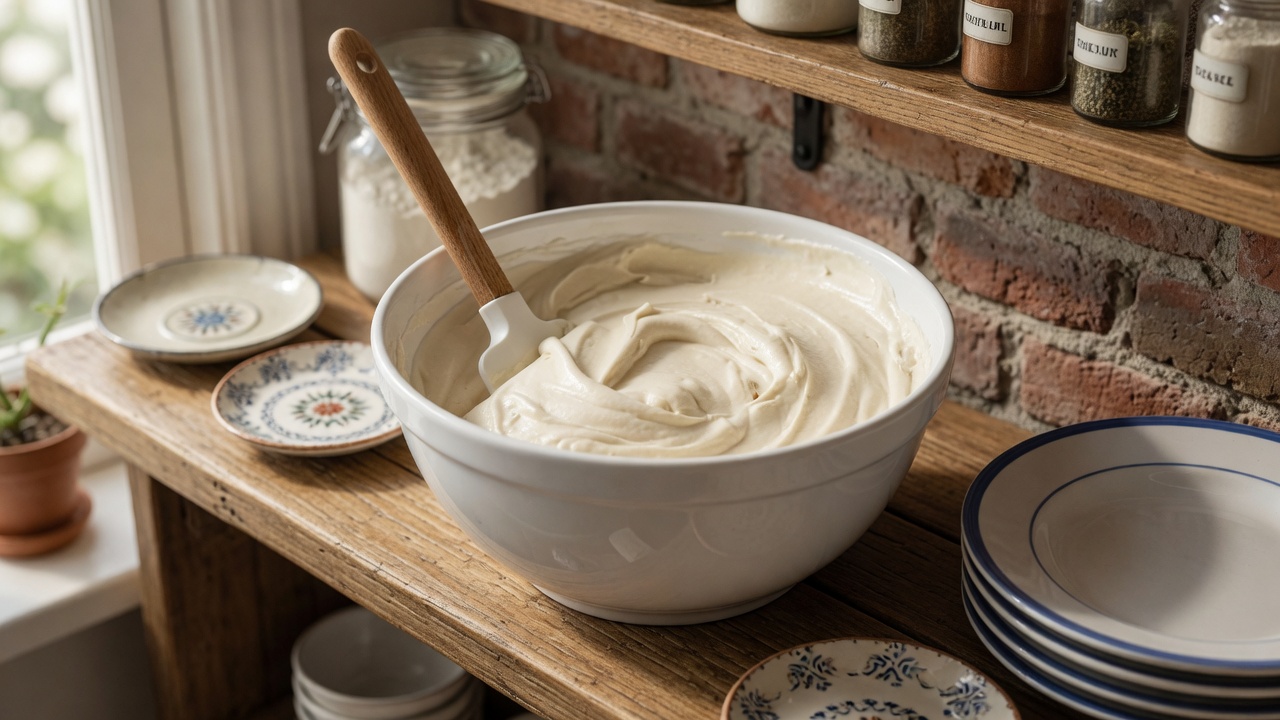
EASY KETO CREAM CHEESE FROSTING
Quick and easy low-carb frosting made with cream cheese and stevia. Smooth, fluffy texture perfect for cupcakes and single-layer cakes. No powdered sugar needed.
6
servings10
minutes0
minutes131
kcal1.6
g10
minutesIngredients
8 ounces cream cheese, softened and cubed
1 teaspoon vanilla extract
1 1/2 teaspoons stevia glycerite (equivalent to 1/2 cup powdered sugar)
Directions
- If the cream cheese is cold, remove it from the wrapper and cut it into cubes. Place the cubed cream cheese in a microwave-safe bowl. Microwave the cream cheese in ten-second intervals until soft but not melted or oily.
- Add the vanilla extract and stevia glycerite to the softened cream cheese. Using a hand whisk, whisk vigorously for about two minutes until the frosting is smooth and fluffy.
- Alternatively, use an electric mixer or hand mixer on low speed until the mixture is uniform. Increase the mixer speed to medium and beat for about one minute until the frosting becomes fluffy.
- Stop and scrape down the sides of the bowl with a rubber spatula as needed. Spoon the frosting onto the tops of six cooled cupcakes and spread evenly.
- Alternatively, use a piping bag fitted with a decorative tip to pipe the frosting onto cupcakes. For a single-layer cake, spread the frosting evenly over the top with an offset spatula or butter knife.
Nutrition Facts
- Calories: 131kcal
- Fat: 13g
- Carbohydrates: 1.6g
- Fiber: 0g
- Sugar: 1.5g
- Protein: 3g