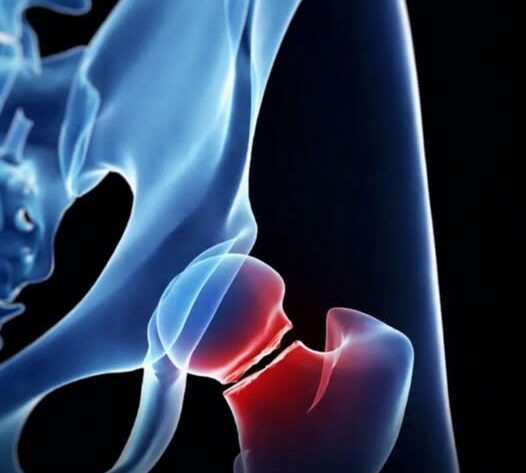
Strong bones are built through a combination of healthy nutrition, regular physical activity, and smart lifestyle choices. Calcium and vitamin D are among the most important nutrients for maintaining bone density, but protein, magnesium, and weight-bearing exercise also play essential roles. While no single drink will instantly damage your bones, regularly consuming certain beverages in large amounts may make it more difficult to maintain healthy bones over time, particularly if they replace nutrient-rich options like milk or calcium-fortified plant-based beverages.
Nutrition experts emphasize that balance and moderation are the keys to long-term health. Enjoying these beverages occasionally is generally acceptable for most healthy adults, but making them your primary drink every day may reduce your intake of nutrients that help support strong bones. Below are five beverages that deserve moderation if your goal is to maintain healthy bones and reduce the risk of osteoporosis.
1. Sugar-Sweetened Soft Drinks
Soft drinks, especially sugar-sweetened sodas, provide plenty of added sugar but very few nutrients that contribute to bone health. Although enjoying an occasional soda is unlikely to cause problems, drinking several servings every day may replace healthier beverages that naturally contain calcium, vitamin D, and protein.
Why Regular Soda Consumption May Be a Concern
- Contains large amounts of added sugar with minimal nutritional value.
- Often replaces milk and other calcium-rich drinks in the daily diet.
- Cola beverages contain phosphoric acid, which has been associated in some observational studies with lower bone mineral density when consumed frequently.
- High sugar intake is linked to poorer overall dietary quality and reduced nutrient intake.
Researchers have not confirmed that phosphoric acid directly weakens bones. However, people who regularly choose cola instead of calcium-rich beverages may consume less calcium overall, which could negatively affect bone health over time.
Better Beverage Choices
Instead of drinking sugary soda every day, consider these healthier options:
- Plain water
- Sparkling water with fresh lemon or lime
- Low-fat or fat-free milk
- Calcium-fortified soy, almond, or oat milk
These beverages help support hydration while providing nutrients that contribute to stronger bones.
2. Excessive Alcoholic Beverages
Heavy alcohol consumption has long been recognized as a significant risk factor for reduced bone density and osteoporosis. While moderate alcohol intake does not consistently appear to damage bone health in healthy adults, long-term excessive drinking may interfere with the body’s ability to build and maintain strong bones.
Why Heavy Alcohol Intake May Affect Bones
- Can reduce the body’s ability to absorb calcium efficiently.
- May interfere with vitamin D metabolism.
- Can slow the activity of osteoblasts, the cells responsible for building new bone tissue.
- Increases the risk of falls and bone fractures.
- May disrupt hormones involved in maintaining healthy bone mass.
Research consistently shows that chronic heavy alcohol use is associated with lower bone mineral density and an increased risk of osteoporosis, making moderation an important part of a bone-friendly lifestyle.
Healthier Alternatives
If you’re cutting back on alcohol, try these refreshing options:
- Alcohol-free sparkling beverages
- Herbal tea served hot or iced
- Fruit-infused water
- Naturally flavored sparkling water
These drinks provide hydration without the negative effects associated with excessive alcohol consumption.
3. Highly Sweetened Coffee Beverages
Coffee itself is not considered harmful to bone health when consumed in moderate amounts. In fact, many studies suggest that moderate coffee intake is safe for adults who consume adequate calcium. The concern comes from oversized specialty coffee drinks that contain large amounts of added sugar, flavored syrups, whipped cream, and sweetened creamers.
Why Sugary Coffee Drinks May Be Less Healthy
- Excessive caffeine may slightly increase calcium loss through urine.
- Large specialty coffees often contain significant amounts of added sugar.
- High-calorie coffee drinks can contribute to poor overall dietary quality.
- Frequent consumption may replace more nutritious beverages.
Fortunately, research indicates that moderate caffeine intake is unlikely to have a meaningful effect on bone health when calcium intake is sufficient.
Better Coffee Choices
Healthier alternatives include:
- Black coffee
- Coffee with less added sugar
- Unsweetened latte made with dairy milk
- Coffee prepared with calcium-fortified plant-based milk
These options allow you to enjoy coffee while keeping added sugar and calories under control.
4. Energy Drinks
Energy drinks are widely used by people looking for a quick burst of energy, but many of these beverages contain high amounts of caffeine and added sugars. While they may temporarily improve alertness, frequent consumption can make it difficult to maintain a balanced diet and healthy hydration habits. For teenagers and young adults especially, health professionals recommend limiting energy drink intake because of concerns related to heart health, sleep quality, and overall wellness.
Why Energy Drinks May Not Be the Best Choice
- Often contain excessive amounts of caffeine.
- Usually include large quantities of added sugars.
- May replace healthier beverages that supply important nutrients.
- Can contribute to consuming more caffeine than recommended each day.
- Poor sleep caused by excessive caffeine may indirectly affect overall health and recovery.
Choosing healthier beverages more often can help support better hydration, balanced nutrition, and long-term wellness.
Healthier Alternatives
Instead of reaching for an energy drink, try these refreshing options:
- Green tea
- Unsweetened iced tea
- Water infused with fresh fruit
- Coconut water without added sugar
- Homemade fruit smoothies with yogurt or fortified milk
These beverages provide hydration while helping you avoid unnecessary sugar and excessive caffeine.
5. Sugary Fruit Drinks and Sweetened Beverages
Many fruit-flavored beverages appear healthy because of colorful packaging and fruit images, but they often contain very little real fruit juice. Instead, they are commonly made with added sugars, artificial flavors, and sweeteners that provide calories without many essential nutrients. Drinking these beverages regularly may reduce your intake of healthier drinks that naturally contain calcium, protein, and vitamins important for maintaining strong bones.
Why Sweetened Fruit Drinks Should Be Limited
- High levels of added sugar.
- Usually low in calcium and protein.
- Can replace more nutritious beverages.
- May contribute to excessive daily calorie intake.
- Lack the fiber, vitamins, and antioxidants found in whole fruit.
Choosing whole fruit instead of fruit-flavored beverages provides significantly greater nutritional benefits while helping you stay satisfied for longer.
Better Beverage Options
Consider replacing sugary fruit drinks with:
- Fresh whole fruit
- 100% fruit juice in moderate portions
- Plain drinking water
- Smoothies prepared with yogurt or calcium-fortified milk
- Homemade fruit and vegetable smoothies
These options offer better nutrition while supporting healthy eating habits.
Is Sparkling Water Harmful to Bone Health?
Many people wonder whether carbonated water affects bone strength because it contains bubbles similar to soft drinks. Fortunately, current scientific evidence does not support this concern. Plain sparkling water without added sugar is not associated with weaker bones and can be an excellent alternative to sugary soft drinks.
Unlike sugar-sweetened sodas, sparkling water contains no added sugars and does not replace important nutrients when consumed as part of a balanced diet. If you enjoy fizzy beverages, choosing plain carbonated water with natural fruit slices can be a refreshing and healthier alternative.
Bone-Friendly Drinks Worth Including in Your Diet
Supporting healthy bones starts with choosing beverages that provide important nutrients. Drinks rich in calcium, protein, and vitamin D can help maintain normal bone structure while supporting overall health.
Excellent choices include:
- Low-fat or fat-free milk
- Calcium-fortified soy milk
- Fortified almond milk
- Fortified oat milk
- Plain kefir
- Yogurt-based smoothies with little or no added sugar
- Water
- Green smoothies made with leafy vegetables and fortified dairy or plant-based milk
These beverages can help provide calcium, protein, vitamin D (when fortified), potassium, and other nutrients that contribute to healthy bones.
Additional Habits That Help Build Strong Bones
Healthy bones depend on much more than beverage choices. A balanced lifestyle plays the biggest role in maintaining bone density throughout life. Experts recommend combining nutritious eating habits with regular physical activity and other healthy routines.
Some of the best ways to protect your bones include:
- Eat plenty of calcium-rich foods every day.
- Get enough vitamin D through sunlight, fortified foods, or supplements when recommended by your healthcare provider.
- Perform weight-bearing exercises such as walking, jogging, dancing, hiking, or resistance training.
- Consume enough protein to support healthy bones and muscles.
- Avoid smoking.
- Limit excessive alcohol consumption.
- Maintain a healthy body weight.
- Stay physically active throughout every stage of life.
Following these habits consistently can significantly reduce the risk of osteoporosis while supporting long-term mobility and independence.
Frequently Asked Questions
Does drinking coffee increase the risk of osteoporosis?
Current research indicates that moderate coffee consumption alone is unlikely to cause osteoporosis. Adults who consume adequate calcium and maintain moderate caffeine intake generally do not experience significant negative effects on bone health from coffee.
Are cola drinks worse than other soft drinks?
Some observational studies have reported a stronger association between frequent cola consumption and lower bone mineral density compared with non-cola soft drinks. However, researchers believe overall dietary habits and lower calcium intake may also contribute to these findings.
Does sparkling water weaken bones?
No. Research has not shown that plain unsweetened sparkling water has harmful effects on bone health. It remains a healthy alternative to sugar-sweetened soft drinks.
How much calcium should adults consume daily?
Most healthy adults require approximately 1,000 to 1,200 milligrams of calcium each day, depending on age and sex. Adequate vitamin D intake is equally important because it helps the body absorb and use calcium efficiently.