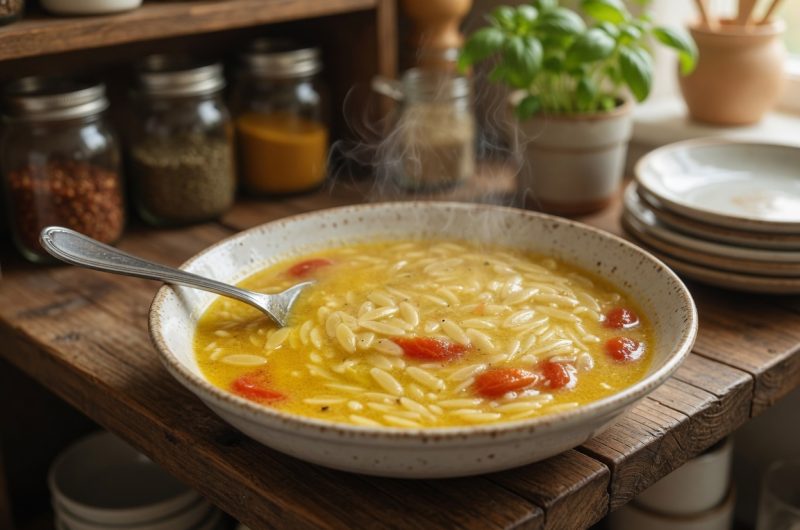
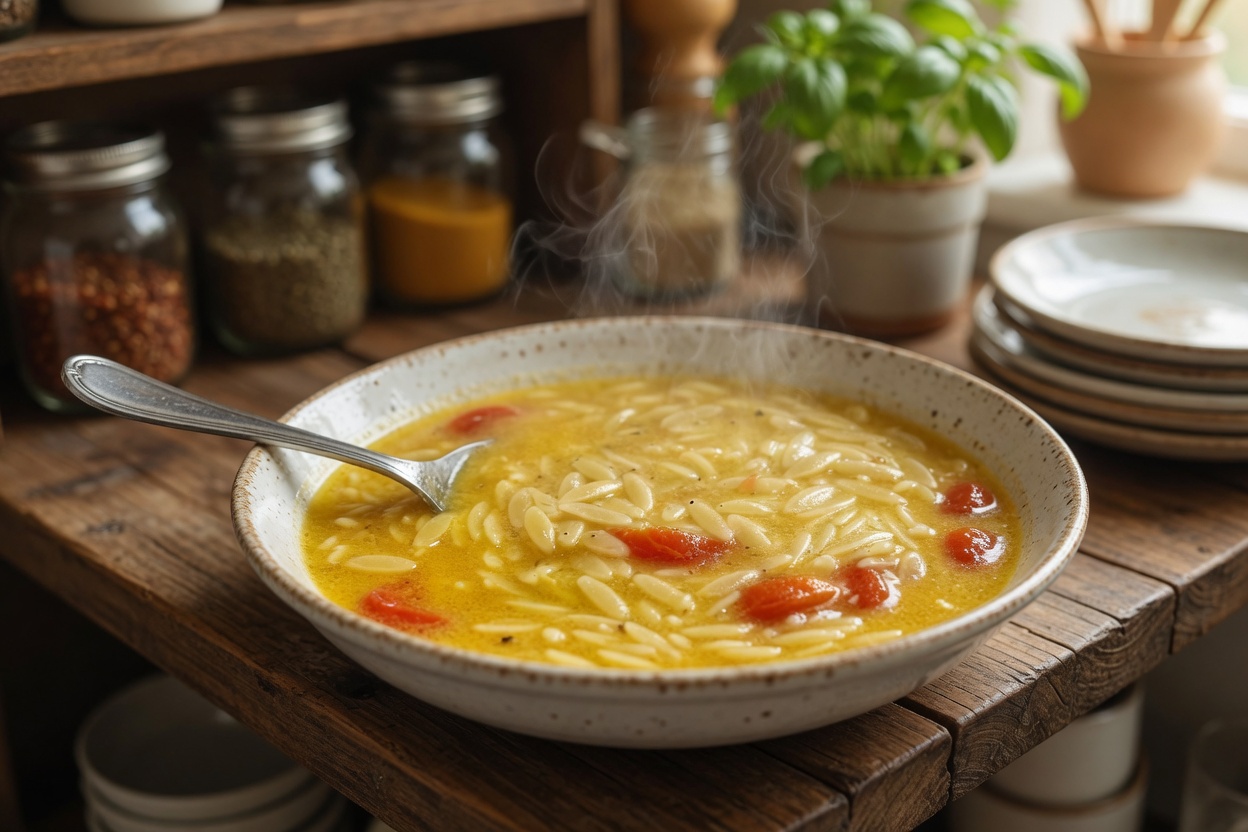
Pastina soup is a traditional Italian dish that brings warmth and comfort with every spoonful. This simple recipe combines tiny pasta shapes with flavorful broth to create a satisfying meal in just fifteen minutes. The addition of fresh cherry tomatoes adds a subtle sweetness and bright color to the broth. Parmesan cheese stirred in at the end creates a creamy texture without adding heavy cream. This soup works perfectly as a light lunch, dinner starter, or comforting meal when you feel under the weather.
Understanding Pastina Pasta Shapes
Pastina refers to tiny pasta shapes that are smaller than most other pasta varieties you find in stores. These small pasta pieces cook quickly and are easy to eat with a spoon. Common pastina shapes include stars, rings, alphabets, and small tubes. Any of these shapes work well in this soup recipe. The small size makes pastina especially popular for children and anyone who prefers delicate pasta in their soup. You can find pastina in the pasta aisle of most grocery stores or Italian specialty shops.
Choosing the Right Broth Base
The broth you select forms the foundation of flavor for this soup. Chicken broth is the most traditional choice and provides a rich, savory base. Vegetable broth works perfectly for vegetarian versions while still delivering good flavor. Beef broth creates a heartier soup with deeper, more robust taste. You can use store-bought broth or homemade stock depending on what you have available. Low sodium broth gives you better control over the salt level in your finished soup.
Preparing Cherry Tomatoes Properly
Fresh cherry tomatoes add brightness and natural sweetness to the soup. The recipe calls for removing the skins, which creates a smoother texture in the finished dish. Making a small X-shaped cut at the bottom of each tomato helps the skin peel off easily. Soaking the tomatoes in hot water for two to three minutes loosens the skins. After soaking, the skins should slide right off when you use a small knife. This extra step takes only a few minutes but improves the final texture noticeably.
Why Remove Tomato Skins
Tomato skins can become tough and curl up during cooking, which affects the soup texture. Peeled tomatoes blend into the broth more smoothly and create a more refined appearance. The skins also have a slightly bitter taste that can interfere with the sweet tomato flavor. Removing skins is especially important for soups where you want a silky, smooth consistency. If you are short on time, you can skip this step, but the soup will have a different texture.
Getting Your Broth to the Right Temperature
Starting with properly heated broth ensures your pasta cooks evenly and at the right speed. Bring your broth to a full rolling boil over high heat before adding the pastina. The vigorous boiling helps the pasta cook uniformly and prevents it from clumping together. Once you add the pasta, you can reduce the heat to medium to maintain a gentle boil. Cooking at too low a temperature makes the pasta absorb too much liquid and become mushy.
Timing Your Pasta Cooking
Pastina cooks much faster than regular-sized pasta because of its small size. Most pastina packages recommend cooking times between five and eight minutes. Start checking your pasta at the minimum cooking time listed on the package. The pasta should be tender but still have a slight firmness when you bite into it. Remember that the pasta continues to soften slightly even after you turn off the heat. Overcooking pastina turns it into mush, so watch the timing carefully.
Adding Cheese to Soup
Parmesan cheese adds a salty, nutty flavor and creates a slightly creamy consistency when stirred into hot soup. Add the cheese after turning off the heat to prevent it from becoming stringy or clumping. Freshly grated Parmesan melts more smoothly than pre-grated cheese from a container. Use a wooden spoon to stir the cheese through the soup until it melts completely. The residual heat from the soup is enough to melt the cheese without further cooking.
Drizzling Oil for Richness
A small drizzle of olive oil at the end adds richness and helps carry the flavors throughout the soup. Extra virgin olive oil provides the best flavor with its fruity, peppery notes. Add just enough oil to create a light sheen on the surface of the soup. The oil also helps prevent the pasta from sticking together as the soup sits. This finishing touch makes the soup taste more restaurant-quality despite its simple preparation.
Seasoning Your Soup Correctly
Black pepper adds a mild spiciness that balances the richness of the cheese and broth. Freshly ground black pepper tastes sharper and more complex than pre-ground pepper. Add pepper to taste, starting with a small amount and increasing as needed. Salt requirements vary depending on how salty your broth is to begin with. Taste the soup before adding salt since the Parmesan cheese already contributes saltiness. Season gradually to avoid making the soup too salty.
Serving Temperature and Presentation
This soup tastes best when served piping hot right after preparation. Pour the soup into warmed bowls to help it maintain its temperature longer. The steam rising from hot soup makes it look more appetizing and inviting. Pastina soup is meant to be eaten with a spoon since the pasta pieces are too small for a fork. Serve immediately after preparation because the pasta continues absorbing broth as it sits.
Adding Fresh Herbs for Extra Flavor
Fresh herbs bring brightness and aroma that dried herbs cannot match. Chopped fresh parsley adds a light, fresh flavor and a pop of green color. Basil leaves give the soup an Italian character with their sweet, slightly peppery taste. A bay leaf simmered in the broth adds subtle depth without overwhelming other flavors. Add delicate herbs like parsley and basil right before serving to preserve their fresh flavor. Heartier herbs like bay leaf can simmer in the broth during cooking.
Making Larger Batches
This recipe serves two people but scales up easily when you need to feed more. Double or triple all ingredients while keeping the same proportions for consistent results. Use a larger pot when making bigger batches to give the pasta room to cook properly. The cooking time stays the same regardless of how much soup you make. Larger batches are convenient for meal preparation or feeding a family.
Storing Leftover Soup
Pastina soup keeps in the refrigerator for up to three days in an airtight container. The pasta will absorb more broth as the soup sits, making it thicker. Add extra broth when reheating to return the soup to its original consistency. Reheat gently on the stovetop over medium-low heat, stirring occasionally. You can also reheat individual portions in the microwave for one to two minutes. The cheese and oil may separate slightly during storage but will recombine when stirred during reheating.
Adjusting Consistency Preferences
Some people prefer their pastina soup brothier while others like it thicker. Use less pasta if you want more broth in your soup. Add more pasta for a heartier, more substantial soup with less liquid. The pasta continues absorbing liquid even after cooking, so the soup thickens over time. If your soup becomes too thick, simply stir in additional broth until you reach your desired consistency.
Nutritional Benefits of This Soup
Each serving provides a good balance of carbohydrates from the pasta and protein from the broth and cheese. The soup contains moderate amounts of fat, mostly from the Parmesan cheese and olive oil. Cherry tomatoes contribute vitamins and antioxidants without adding many calories. At five hundred forty-one calories per serving, this soup works as a complete meal. The fiber content helps with digestion and keeps you feeling satisfied.
Making the Recipe Vegetarian
Switching to vegetable broth instead of chicken or beef broth makes this soup suitable for vegetarians. Check that your Parmesan cheese is vegetarian-friendly since traditional Parmesan contains animal rennet. Some brands make vegetarian Parmesan using microbial or plant-based rennet instead. The rest of the ingredients are naturally vegetarian, so only these two substitutions are needed. The vegetarian version tastes just as good as the original with proper seasoning.
Customizing Your Soup
This basic recipe serves as a foundation that you can customize based on your preferences. Add cooked chicken pieces for extra protein and heartiness. Stir in fresh spinach or kale during the last few minutes of cooking for added nutrition. Small white beans make the soup more filling without changing the flavor much. Crushed red pepper flakes add heat for those who like spicy food. Each addition creates a different variation while keeping the simple spirit of the original.
Why This Recipe Works for Beginners
New cooks appreciate this recipe because it requires minimal ingredients and simple techniques. The short cooking time means less opportunity for things to go wrong. You do not need any special equipment beyond a pot and basic utensils. The recipe is forgiving and still tastes good even with small variations. Success with this simple soup builds confidence for trying more complex recipes later.
Italian Penicillin Soup
A warming Italian soup combining tiny pasta shapes with flavorful broth, fresh cherry tomatoes, and Parmesan cheese for a comforting fifteen-minute meal.
2
servings5
minutes10
minutes541
kcal15
minutesIngredients
6 cups broth (chicken, vegetable, or beef)
1 1/2 cups pastina pasta
6 cherry tomatoes
Salt, to taste
Black pepper, to taste
2 tablespoons Parmesan cheese, grated
Chopped fresh parsley, optional
Olive oil for drizzling
Directions
- Pour the broth into a large pot and bring to a boil over high heat. Wash the cherry tomatoes and cut a small X shape at the bottom of each one.Heat water in a kettle until very hot. Pour the hot water into a bowl and add the cherry tomatoes. Let them soak for 2 to 3 minutes.
- Remove the cherry tomatoes from the hot water and peel off the skins using a small knife. Chop the peeled tomatoes. Add the chopped cherry tomatoes to the boiling broth. When the broth returns to a boil, add the pastina pasta. Reduce heat to medium and cook according to package directions, usually 5 to 8 minutes.
- When the pasta is tender, turn off the heat. Add the Parmesan cheese and a small drizzle of olive oil. Stir well with a wooden spoon until the cheese melts. Add freshly ground black pepper to taste. Taste the soup and add salt if needed.
- Ladle the hot soup into bowls and serve immediately. Garnish with chopped fresh parsley if desired.
Notes
- Use chicken broth for traditional flavor, vegetable broth for vegetarian version, or beef broth for heartier taste. Any small pasta shapes work including stars, rings, alphabets, or small tubes. Removing tomato skins creates smoother texture but can be skipped if short on time. Low sodium broth gives better control over final salt content. Add fresh herbs like parsley, basil, or bay leaf for extra flavor. Bay leaf can simmer in broth while cooking, but add parsley or basil just before serving. Use freshly grated Parmesan for best melting and flavor. Add cheese after turning off heat to prevent clumping. Drizzle extra virgin olive oil for best flavor. Recipe doubles or triples easily for larger servings. Store leftovers in airtight container in refrigerator for up to 3 days. Add extra broth when reheating as pasta absorbs liquid during storage. Customize with cooked chicken, white beans, spinach, or kale for variations. Check Parmesan label for vegetarian rennet if making vegetarian version.
Nutrition Facts
- Calories: 541kcal
- Fat: 12g
- Carbohydrates: 77g
- Fiber: 4g
- Sugar: 14g
- Protein: 29g