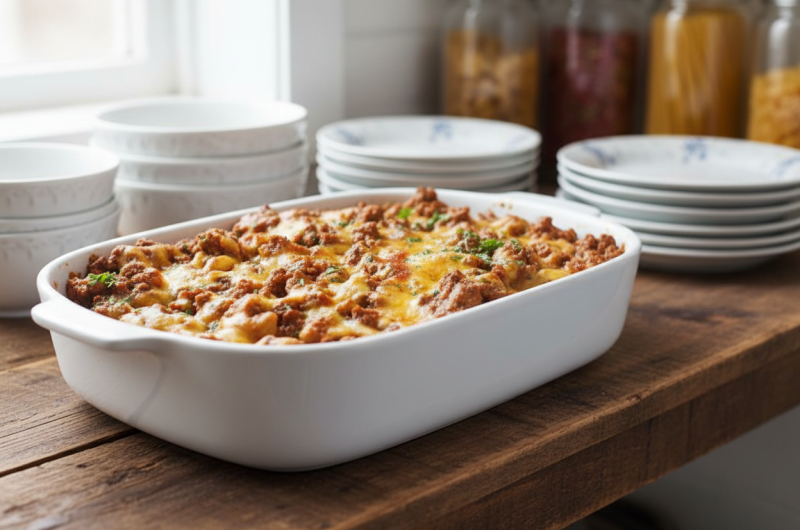
Combining the classic appeal of a cheeseburger with the simplicity and comfort of a baked pie dish, this recipe is a true celebration of all things carnivorous and satisfying. Perfect for anyone embracing a high-protein lifestyle or simply craving a comforting, indulgent meal that delivers bold flavors without any complicated preparation, this pie is all about straightforward cooking and pure enjoyment. No greens, no grains, and no unnecessary ingredients cluttering the plate—just pure, unadulterated cheeseburger joy baked into a convenient pie form. This dish works equally well for weeknight family dinners, meal prep for the week ahead, or special occasions when you want something hearty and filling. Let us dive into how to prepare this delicious, protein-packed dish that will leave your taste buds singing and your appetite completely satisfied.
Understanding Why This Recipe Works So Well
This Carnivore Cheeseburger Pie ticks all the boxes for a truly satisfying meal that delivers exactly what you want with minimal fuss. The recipe is protein-packed and loaded with ground beef, eggs, and cheese, making it ideal for anyone following a keto, paleo, or carnivore diet approach to eating. With just a handful of staple ingredients, you can whip this pie up without much effort or time spent in the kitchen, making it perfect for busy weeknights or whenever hunger strikes unexpectedly. The beauty of this recipe lies in its customizable nature, allowing you to adjust spices, experiment with different cheese varieties, or tweak the salt level to suit your personal preferences and taste. For many people, this pie represents the ultimate comfort food classic—essentially a deconstructed cheeseburger made even more indulgent and cozy through baking.
Selecting the Right Ground Beef for Maximum Flavor
Choosing beef with a higher fat content is absolutely crucial for maximum flavor and juiciness in your finished pie, as the fat content directly impacts how rich and delicious the final dish tastes. Opt for beef with a fat content of eighty-twenty or seventy-thirty for the best results, avoiding extremely lean meat that would result in a dry, less flavorful pie. The fat not only keeps the dish moist during baking but also enhances the overall flavor profile and creates a more satisfying eating experience. When shopping for ground beef, ask your butcher for their fattier cuts or look for packages labeled with higher fat percentages on the label. Grass-fed and organic options are worth seeking out if available, as they tend to have superior flavor compared to conventionally raised beef.
Understanding the Role of Eggs in This Pie
Organic free-range eggs add structure and richness to the dish while also helping to bind all the ingredients together into a cohesive pie that slices cleanly. Three large eggs provide enough protein and fat to create a custard-like filling that holds the beef and cheese together perfectly. The eggs also help the pie set during baking, transforming the mixture from loose ingredients into a solid, sliceable dish. Free-range eggs tend to have richer, more flavorful yolks compared to conventional eggs, which contributes to better overall flavor in the finished pie. The size of the eggs matters for consistency, so using large eggs rather than medium or extra-large ensures the proper ratio of eggs to other ingredients.
Choosing the Best Cheese for Your Pie
Shredded sharp cheese provides flavor and helps create that creamy, melted texture that makes this pie so appealing and satisfying. Aged cheddar, gouda, or any cheese that melts beautifully works well in this recipe, allowing you to choose based on your personal flavor preferences. While pre-shredded cheese is convenient and saves time, freshly grated cheese melts better and has a creamier texture that elevates the finished dish. If you have the time, grating your own cheese from a block produces superior results compared to using pre-packaged shredded cheese. Different cheese varieties bring different flavor notes to the pie, so do not be afraid to experiment with various options to find your personal favorite combination.
The Importance of Water in the Egg Mixture
Water helps blend the egg mixture smoothly and ensures that the eggs cook evenly throughout the pie without creating dry patches. Three tablespoons of water mixed into the eggs creates the right consistency for the custard portion of the pie that surrounds the beef. The water also helps distribute the fat and protein from the eggs more evenly, creating a more uniform texture throughout the finished pie. Without sufficient liquid, the eggs would cook too quickly on the outside while remaining raw in the middle, resulting in an uneven texture.
Selecting High-Quality Salt for Proper Seasoning
Unrefined sea salt enhances the natural flavors of the meat and cheese while also bringing out the umami characteristics that make this pie so deeply satisfying. One teaspoon provides a good baseline for seasoning, though you should feel free to adjust the amount based on your personal salt tolerance and preference. Unrefined sea salt contains trace minerals that refined table salt lacks, which can enhance the overall flavor profile of your dish. Tasting the raw meat mixture before baking allows you to assess whether additional salt is needed, as some cheese varieties contain salt and can affect the overall saltiness of the pie.
Understanding the Role of Cooking Fat
Butter or tallow adds depth and richness when cooking the ground beef, enhancing the flavor and ensuring even browning throughout the meat. Tallow, which is rendered beef fat, provides an authentic, deep flavor that complements the beef particularly well. Butter offers a slightly different flavor profile but works equally well for this recipe. The choice between butter and tallow often comes down to personal preference and availability, as both produce excellent results. Having enough fat in the pan ensures the beef browns properly rather than steaming in its own juices, which is important for developing flavor.
Preparing Your Workspace and Equipment
Using a quality pie pan is essential for even cooking and easy cleanup, with a nine-inch glass or ceramic pie dish working best for this recipe. Glass pans heat evenly and allow you to monitor browning from the bottom of the pie, while ceramic offers excellent heat distribution. Avoid metal pans, which can react with acidic ingredients and may create hot spots that cook unevenly. Having all your ingredients prepared and measured before you begin cooking ensures smooth progress through the recipe without interruption. Organizing your workspace with bowls, utensils, and ingredients within reach makes the cooking process faster and more enjoyable.
Preheating Your Oven to the Correct Temperature
Begin by preheating your oven to three hundred fifty degrees Fahrenheit, which equals one hundred seventy-five degrees Celsius, ensuring even cooking and a golden-brown finish. Preheating typically takes ten to fifteen minutes, so start this step before you begin cooking the ground beef. An oven thermometer can help verify that your oven is at the correct temperature, as oven accuracy varies significantly between different appliances. Getting the temperature right is crucial for proper cooking of the egg mixture and even melting of the cheese.
Cooking the Ground Beef Properly for Best Results
Heat butter or tallow in a skillet over medium heat and add the ground beef, cooking thoroughly and breaking it apart with a wooden spoon as it browns. Make sure there are no large chunks remaining, as the pie works best with a consistent texture throughout. The meat should be completely cooked with no pink remaining, which typically takes seven to ten minutes depending on your skillet size and heat level. Once cooked, you can drain any excess grease if desired, though leaving some fat adds richness and flavor to the finished pie. The cooked beef should be broken into small pieces rather than large chunks for the most uniform texture in the finished dish.
Preparing the Perfect Egg Mixture
In a mixing bowl, whisk together the eggs, water, shredded cheese, and salt, ensuring the water helps create a smooth mixture while the cheese adds creaminess and structure. Whisking thoroughly incorporates air into the eggs and ensures even distribution of all ingredients. For an extra touch of indulgence, you can mix in a small handful of cheese with the meat before pouring the egg mixture on top, creating pockets of melted cheese throughout. The mixture should be thoroughly combined with no visible streaks of egg white remaining before pouring it over the meat.
Assembling Your Pie for Even Cooking
Transfer the cooked ground beef into your pie pan, spreading it evenly across the bottom to ensure uniform distribution. Pour the egg and cheese mixture over the meat, ensuring it is distributed evenly throughout the pan. For extra indulgence, sprinkle additional cheese on top before baking to create a golden, cheesy crust on the finished pie. The beef should be completely covered with the egg mixture to ensure even cooking and prevent the meat from drying out.
Baking Your Pie to Perfect Doneness
Place the pie in your preheated oven and bake for about twenty-five minutes, watching carefully to catch it at the perfect moment. You will know it is ready when the cheese is melted and slightly golden on top, and the edges look set but the center still jiggles slightly when you shake the pan. The jiggle indicates the pie is perfectly cooked and will continue to set as it rests. Overbaking will result in a dry, rubbery texture, so monitor the pie carefully during the last few minutes. The top should be golden brown and the edges should be lightly browned when done.
Allowing Your Pie to Rest Before Serving
Once baked, remove the pie from the oven and let it rest for ten minutes, allowing it to set and making it easier to slice and serve. The resting period allows the proteins in the eggs to continue setting without additional heat, creating cleaner slices. Cutting and serving immediately without resting will result in the pie falling apart or losing its shape on the plate. The resting time also allows the flavors to meld together more completely.
Enhancing Your Pie With Complementary Sides
While this pie is designed to shine on its own, you can pair it with a side of crispy bacon for a true carnivore feast that doubles down on the meat and fat content. A dollop of sour cream or a drizzle of sugar-free ketchup provides a tangy contrast to the rich, savory pie. Optional toppings like extra cheese or cooked mushrooms add texture and flavor variation if you want to experiment. Some people enjoy serving it with avocado slices for additional fat and creaminess, though this moves beyond strict carnivore principles.
Experimenting With Different Cheese Varieties
For cheese lovers, experimenting with different cheeses like parmesan, mozzarella, or Monterey Jack creates entirely different flavor profiles and eating experiences. Mixing multiple cheese varieties creates complex flavors that are more interesting than using a single type. Sharper cheeses provide bold, distinctive flavors while milder cheeses contribute to creaminess and smoothness. The melting characteristics of different cheeses vary, so experimenting helps you discover your favorite combinations.
Adding Spices for Increased Flavor Complexity
Add diced jalapeños or a dash of hot sauce to the egg mixture for a kick that livens up the flavor profile without overwhelming the core cheeseburger taste. Garlic powder, onion powder, or smoked paprika contribute depth and complexity to the dish without requiring additional ingredients. Even small amounts of these spices can dramatically enhance the flavor, so start small and add more if desired. Black pepper, paprika, and cayenne pepper all work well for creating a more complex seasoning profile.
Bulking Up the Protein Content
For extra protein, consider mixing in cooked, crumbled sausage with the beef to create even more savory, rich flavor. Bacon bits scattered throughout add smokiness and textural variation. Ground pork mixed with the beef creates a different flavor profile that some people prefer. These additions are optional but can elevate the dish significantly for those seeking maximum protein and flavor.
Storing and Reheating Your Leftover Pie
This pie stores beautifully, keeping leftovers in an airtight container in the refrigerator for up to three days. Reheat slices in the oven at three hundred twenty-five degrees for about ten minutes until warmed through, or use the microwave for faster reheating. The pie can also be frozen for several weeks if you want to prepare it ahead for future meals. Reheating in the oven preserves the texture better than microwaving, as the microwave can make the eggs rubbery if not careful.
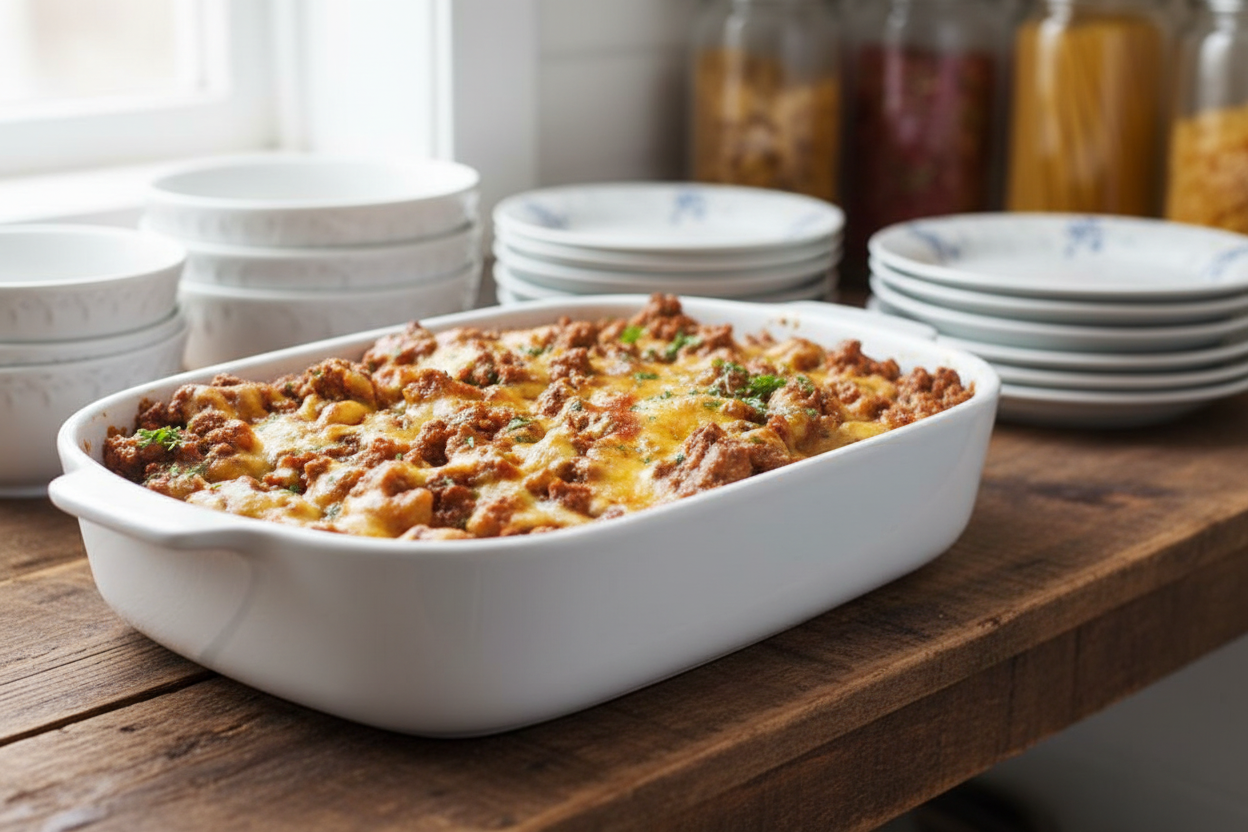
Low-Carb Cheeseburger Pie
This Carnivore Cheeseburger Pie is an effortless and satisfying way to indulge in the ultimate comfort food while staying true to a protein-rich, low-carb lifestyle. Get ready to savor every cheesy, beefy bite!
6
servings20
minutes25
minutes45
minutesIngredients
1 lb (450 g) fatty ground beef
3 organic free-range eggs
3 tablespoons water
2 cups (470 ml) shredded sharp cheese
1 teaspoon unrefined sea salt (or to taste)
Butter or tallow for frying
Directions
- Preheat your oven to 350°F (175°C).
- Cook the ground beef in a skillet with butter or tallow, breaking it apart until fully cooked.
- Spread the cooked beef evenly in a 9-inch (23 cm) pie pan.
- In a mixing bowl, whisk together eggs, water, shredded cheese, and salt until well combined.
- Pour the egg mixture over the beef in the pie pan. Optionally, sprinkle extra cheese on top.
- Bake in the preheated oven for 25 minutes, or until the cheese is melted and golden brown.
- Remove from the oven, let it rest for 10 minutes, and serve.
Nutrition Facts
- Serving Size: 1 g
- Total number of serves: 1
- Fat: 22.2g
- Carbohydrates: 0.1g
- Protein: 224g