Monkey Butter is a sweet tropical fruit spread made from bananas, pineapple, coconut, and lemon juice cooked together with sugar. This thick, jam-like mixture has a smooth texture and bright tropical flavor that works for both breakfast and dessert. The name comes from the golden color and thick consistency that resembles old-fashioned apple butter. Unlike traditional jams that require pectin, this spread thickens naturally as the bananas break down during cooking. The combination of sweet bananas and tangy pineapple creates a balanced flavor that appeals to many taste preferences.
Why This Spread Works So Well
The ingredients in Monkey Butter work together to create something greater than the sum of their parts. Ripe bananas provide natural sweetness and create the thick, spreadable texture as they cook down. Crushed pineapple adds brightness and tropical flavor while contributing moisture to the mixture. Sugar helps preserve the spread and balances the acidity from the pineapple and lemon juice. The coconut adds subtle tropical notes without overpowering the main fruit flavors. Lemon juice provides acidity that helps preserve the spread and prevents the bananas from turning brown too quickly.
Choosing the Right Bananas
Selecting bananas at the correct ripeness is important for the best results in this recipe. Look for bananas that are yellow with no brown spots on the peel. The bananas should be ripe enough to be sweet but still firm enough to slice cleanly. Overripe bananas with many brown spots will make the mixture too mushy and may affect the final texture. Green or underripe bananas lack the sweetness needed and will not break down properly during cooking. If your bananas have just a few small spots, they will still work fine in this recipe.
Using Canned Pineapple
Canned crushed pineapple is the best choice for this recipe because it includes juice that adds moisture. The fourteen-ounce can size provides the right proportion of fruit to liquid for proper consistency. Do not drain the pineapple juice from the can as you need that liquid for cooking. The crushed texture of canned pineapple distributes evenly throughout the spread as it cooks. Fresh pineapple can work if you crush it yourself and include enough juice. The canned version offers convenience and consistent results every time you make this recipe.
Understanding Sugar’s Role
White granulated sugar does more than just sweeten this tropical spread. The sugar helps thicken the mixture as it cooks and combines with the fruit. Sugar acts as a preservative that allows the Monkey Butter to last several weeks in the refrigerator. The amount of sugar in this recipe creates the right balance between sweetness and the natural tartness of the fruit. Using too little sugar will result in a thinner consistency that does not spread as well. The two cups of sugar might seem like a lot, but it is necessary for both flavor and texture.
Adding Coconut Flavor
Unsweetened ground coconut, sometimes called macaroon coconut, adds tropical flavor without making the spread too sweet. This finely ground coconut blends into the mixture rather than creating chunks. The coconut contributes subtle flavor that enhances but does not overpower the banana and pineapple. Make sure to use unsweetened coconut since sweetened coconut would make the spread too sugary. Three tablespoons provides just enough coconut presence without dominating the other flavors. The coconut also adds a slight thickness to the final texture of the spread.
Why Use Bottled Lemon Juice
Bottled lemon juice provides consistent acidity that helps preserve the Monkey Butter. The standardized acidity level in bottled juice makes the recipe more reliable for food safety. Lemon juice prevents the bananas from oxidizing and turning an unappealing brown color. The tartness from the lemon balances the sweetness of the bananas and sugar. Three tablespoons is enough to provide these benefits without making the spread taste sour. Fresh lemon juice can be substituted if you prefer, though the acidity may vary slightly between different lemons.
Preparing Your Bananas
Peel all four bananas and place them on a cutting board. Slice the bananas into thin rounds about one-quarter inch thick. Thinner slices will break down faster and more completely during cooking. Try to make the slices roughly the same thickness so they cook evenly. You do not need to mash the bananas before cooking as they will dissolve naturally in the pan. Slicing rather than mashing gives you better control over the texture as the spread cooks. Have all your bananas sliced before you start cooking so you can add everything at once.
Combining All Ingredients
Use a large nonstick pan to give yourself plenty of room for stirring as the mixture cooks. Add the sliced bananas first, then pour in the crushed pineapple with all its juice. Measure and add the white sugar, spreading it evenly over the fruit. Sprinkle the ground coconut over the mixture, then add the lemon juice. Use a wooden spoon or heat-resistant spatula to stir everything together thoroughly. Make sure the sugar is not clumped in one spot as this can cause burning. All ingredients should be well mixed before you apply any heat.
Bringing the Mixture to a Boil
Place your pan over medium-high heat and begin stirring the mixture frequently. The sugar will start to dissolve as the fruit releases its juices. Keep stirring to prevent the sugar from settling on the bottom and burning. The mixture will become more liquid as the fruit breaks down and releases moisture. Watch for large bubbles breaking the surface, which indicates the mixture has reached a full boil. This initial boiling stage usually takes five to eight minutes depending on your stove. Once you see a rolling boil, you are ready to reduce the heat.
Simmering Process
Turn the heat down to low so the mixture maintains a gentle simmer rather than a hard boil. Continue stirring frequently, scraping the bottom and sides of the pan. The bananas will begin to dissolve and incorporate into the liquid. You should see the pieces of banana getting smaller and starting to disappear. The mixture will gradually thicken as moisture evaporates and the fruit breaks down. This simmering stage takes between fifteen and twenty minutes. Stir more often toward the end of cooking to prevent sticking or scorching on the bottom.
Checking for Doneness
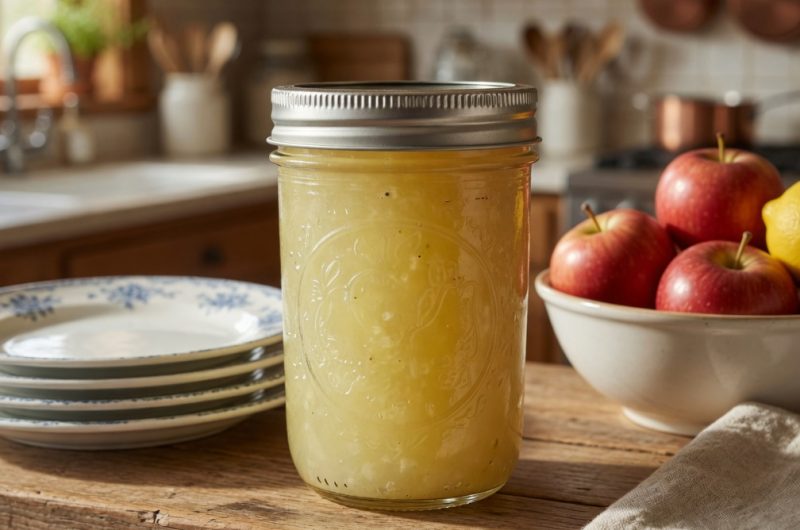
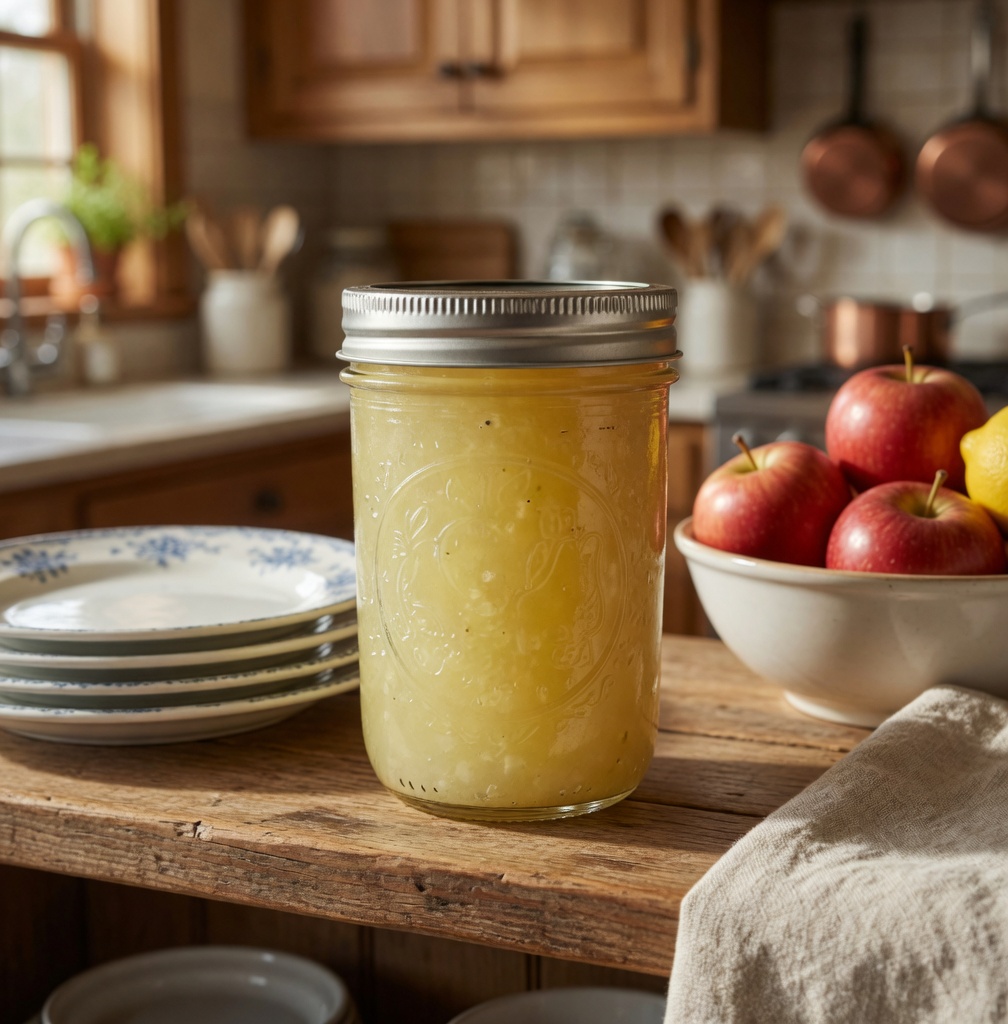
The Monkey Butter is ready when the bananas have completely dissolved into the mixture. The spread should be thick enough to coat the back of your spoon. The color will be golden yellow with no visible banana chunks remaining. The mixture will thicken more as it cools, so do not cook it too long. If you want a thicker consistency, cook for a few more minutes while stirring constantly. The spread should look smooth and glossy when finished. Remove the pan from heat once you achieve the texture you want.
Cooling and Storing
Let the Monkey Butter cool in the pan for about ten minutes before transferring to storage containers. Use clean glass jars with tight-fitting lids for the best storage. Spoon the warm spread into the jars, leaving about half an inch of space at the top. Wipe the rims of the jars clean before putting on the lids. Let the jars cool completely at room temperature before refrigerating. The spread will continue to thicken as it cools down. Once cool, store the jars in the refrigerator where they will keep for four to six weeks.
Serving on Toast and Bread
Monkey Butter makes a delicious alternative to regular jam or jelly on your morning toast. Spread it thickly on warm toast for the best flavor and texture. The spread also works wonderfully on English muffins, bagels, or biscuits. Try it on banana bread for an extra tropical flavor combination. The thick consistency stays on the bread without running off like some thinner jams. Room temperature Monkey Butter spreads more easily than when it is cold from the refrigerator. Let it sit out for a few minutes before spreading if it seems too thick.
Using on Pancakes and Waffles
This tropical spread transforms ordinary pancakes and waffles into something special. Warm the Monkey Butter slightly in the microwave for easier pouring. Drizzle it over a stack of pancakes or spread it between the squares of a waffle. The warm spread soaks into the pancakes and adds moisture as well as flavor. You can use it instead of syrup or in addition to butter. The fruit chunks in the spread add interesting texture to breakfast items. Kids especially enjoy this sweet topping on their weekend breakfast favorites.
Creating Dessert Toppings
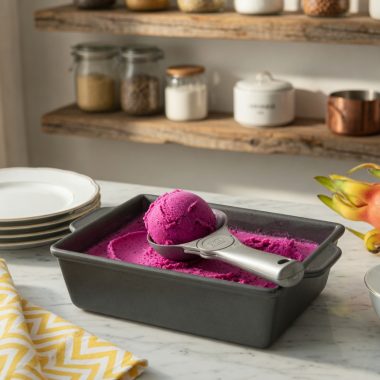
Monkey Butter works beautifully as an ice cream topping when warmed slightly. Heat a few spoonfuls in the microwave for fifteen to twenty seconds. Pour the warm spread over vanilla, coconut, or banana ice cream. The warm fruit spread contrasts nicely with cold ice cream. You can also use it as a topping for pound cake, cheesecake, or angel food cake. Swirl it into vanilla yogurt for a tropical parfait. The possibilities for dessert applications are limited only by your imagination.
Trying Different Variations
Adding warm spices like cinnamon or nutmeg creates a different flavor profile. Start with just a quarter teaspoon and increase if you want more spice flavor. Ground ginger adds a subtle warmth that complements the tropical fruits. A tiny pinch of cardamom brings an exotic touch to the spread. Brown sugar instead of white sugar creates a deeper, more caramel-like sweetness. Honey can replace some of the sugar for a different type of sweetness. Each variation changes the character of the spread while keeping the basic method the same.
Adding Other Tropical Fruits
Diced mango pieces add extra tropical flavor and bright orange color to the spread. Papaya works similarly and contributes a subtle melon-like taste. Passion fruit pulp adds intense tropical flavor and beautiful seeds throughout. Guava paste stirred in at the end creates a different tropical dimension. Start with small amounts of additional fruits so they do not overpower the banana and pineapple base. These additions can make each batch of Monkey Butter unique and customized to your preferences. Experiment with combinations to find your favorite tropical mix.
Making Larger Batches
This recipe doubles or triples easily if you want to make larger quantities. Use a bigger pan to accommodate the increased volume of ingredients. The cooking time may increase slightly with larger batches. Stir more frequently when cooking larger amounts to prevent scorching. Making multiple jars at once is efficient if you want to give some as gifts. Monkey Butter makes a thoughtful homemade present that most people enjoy. Label your jars with the date so you know when you made each batch.
Food Safety Considerations
Always use clean jars and lids when storing Monkey Butter to prevent contamination. The combination of sugar and lemon juice helps preserve the spread naturally. Always store opened jars in the refrigerator, never at room temperature. Use clean utensils each time you scoop out some spread. If you see any mold or off odors, discard the entire jar immediately. The spread should maintain its bright color and fresh smell throughout its storage life. Following these basic food safety practices ensures your Monkey Butter stays safe to eat.
Freezing for Longer Storage
Monkey Butter freezes well if you want to keep it longer than six weeks. Use freezer-safe containers or jars, leaving extra space for expansion. The spread will keep in the freezer for up to three months. Thaw frozen Monkey Butter in the refrigerator overnight before using. The texture may be slightly different after freezing but the flavor remains good. Stir the thawed spread well before using to reincorporate any separated liquid. Freezing in smaller portions makes it easier to thaw just what you need.
Monkey Butter
A sweet tropical spread made with bananas, pineapple, coconut, and lemon juice that works perfectly on toast, pancakes, or as a dessert topping.
3
cups5
minutes20
minutes25
minutesIngredients
4 perfectly ripe bananas (no spots)
14 oz can of crushed pineapple (with the juice)
2 cups white sugar
3 tablespoons unsweetened ground coconut (macaroon coconut)
3 tablespoons lemon juice (from a bottle)
Directions
- Prepare the Bananas: Peel and slice the bananas into thin pieces.
- Mix Ingredients: In a large nonstick pan, combine the sliced bananas, crushed pineapple with juice, white sugar, ground coconut, and lemon juice.
- Boil: Bring the mixture to a rolling boil over medium-high heat, stirring often.
- Simmer: Reduce the heat to low and simmer for about 15 to 20 minutes, stirring frequently, until the bananas have dissolved and the mixture has thickened slightly.
- Serve: Enjoy warm over ice cream, or spread on toast, pancakes, or waffles.
Notes
- Store: Keep in an airtight container in the fridge for 4 to 6 weeks.