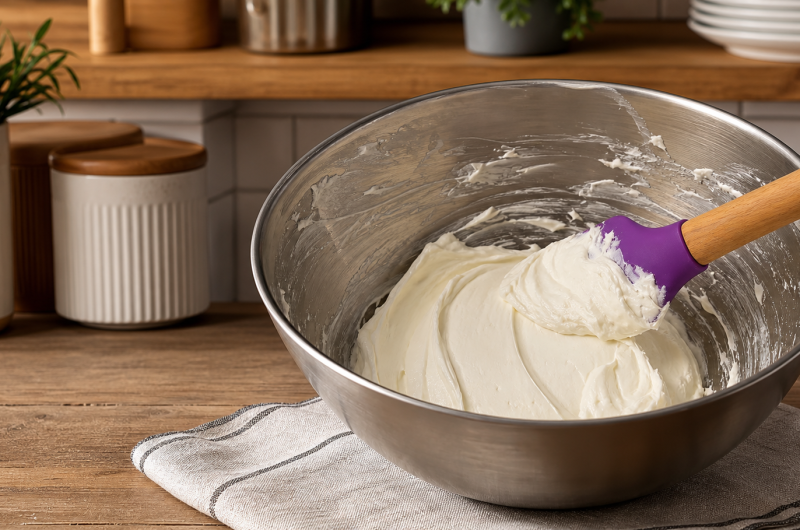
If you are searching for the ultimate Swiss Meringue Buttercream recipe that is smooth, silky, and professional-quality, you are in the right place. Swiss Meringue Buttercream, often abbreviated as SMBC, is one of the most beloved frostings among bakers because of its luxurious texture, balanced sweetness, and exceptional versatility. Unlike traditional American buttercream, which can be overly sweet and dense, Swiss Meringue Buttercream is light, airy, and melts delicately on the palate.
This classic frosting is ideal for cake decorating, cupcake piping, layered cakes, wedding cakes, and even macarons. Its glossy finish and smooth consistency make it a favorite for achieving sharp edges and elegant designs. Whether you are a beginner or an experienced baker, understanding the technique behind Swiss Meringue Buttercream will elevate your baking to a new level.
What Is Swiss Meringue Buttercream?
Swiss Meringue Buttercream is a meringue-based frosting made by heating egg whites and granulated sugar together over a double boiler, whipping them into stiff peaks, and then gradually incorporating butter. The result is a stable, creamy frosting that is less sweet than American buttercream but richer and more structured than whipped cream frosting.
Because the sugar is dissolved completely during heating, the buttercream has a silky texture without graininess. This method creates a glossy base that integrates seamlessly with softened butter, producing a smooth, velvety finish.
Why Bakers Prefer Swiss Meringue Buttercream
Many professional pastry chefs choose SMBC for its versatility and workability. It pipes beautifully, spreads evenly, and holds its shape under moderate conditions. The flavor is subtle and buttery, allowing cakes to shine without being overpowered by sugar.
Swiss Meringue Buttercream is also highly adaptable. It can be flavored with extracts, fruit purees, melted chocolate, or coffee. It can be tinted with gel food coloring for decorative designs. This flexibility makes it suitable for birthdays, weddings, holidays, and special events.
The Importance of Ingredient Quality
The success of this buttercream depends heavily on quality ingredients. Fresh egg whites whip more effectively than carton varieties. Granulated sugar dissolves completely when heated properly. Unsalted butter allows precise control over saltiness and contributes to smooth texture.
Using pure vanilla extract enhances flavor depth. A small pinch of salt balances sweetness and rounds out the buttery profile. Each component plays a vital role in achieving perfect texture and taste.
Understanding the Science Behind SMBC
Swiss Meringue Buttercream relies on emulsification. Heating egg whites and sugar to 160°F (71°C) dissolves the sugar and pasteurizes the eggs. Whipping introduces air, creating a stable meringue structure.
Gradually adding butter forms an emulsion between fat and the whipped meringue base. This process requires patience. If temperatures are not balanced, the mixture may appear curdled or soupy before stabilizing.
Step 1 – Preparing the Double Boiler
Combine egg whites, granulated sugar, and salt in a heatproof bowl. Place it over simmering water without letting the bowl touch the water.
Whisk gently until the sugar dissolves completely. Test by rubbing a small amount between your fingers. It should feel smooth, not gritty.
Step 2 – Whipping the Meringue
Transfer the heated mixture to a stand mixer fitted with a whisk attachment. Beat on medium-high speed until stiff, glossy peaks form and the mixture cools to room temperature.
This stage is critical. The meringue must be fully cooled before adding butter to prevent melting.
Step 3 – Incorporating the Butter
Switch to the paddle attachment. With the mixer on low speed, add softened unsalted butter one tablespoon at a time. Allow each piece to incorporate fully before adding the next.
The mixture may look curdled or thin at first. Continue mixing; it will eventually become smooth and creamy.
Step 4 – Flavoring and Coloring
Once the buttercream is silky, add vanilla extract or desired flavoring. If coloring, use gel food coloring to maintain consistency.
Mix gently until evenly distributed.
Notes for Perfect Swiss Meringue Buttercream
Ensure all equipment is grease-free before whipping egg whites. Bring butter to room temperature but avoid melting. Be patient during butter incorporation. If the mixture looks curdled, continue mixing.
These steps guarantee a stable and silky frosting.
Troubleshooting Common Issues
If the buttercream appears curdled, warm the bowl slightly and continue mixing. If it becomes too soft, refrigerate briefly before re-whipping.
Maintaining proper temperature balance is key to resolving texture issues.
Flavor Variations
You can customize SMBC with almond extract, lemon zest, espresso powder, or melted chocolate. Fruit purees can also be added for natural color and flavor.
Each variation builds upon the stable meringue base.
Storage and Freezing
Store Swiss Meringue Buttercream in the refrigerator for up to two weeks in an airtight container. Before using, bring to room temperature and re-whip.
It can also be frozen for up to three months. Thaw overnight in the refrigerator and re-whip before applying.
Why This Recipe Is Trending
Searches for “Swiss meringue buttercream recipe,” “smooth cake frosting,” and “professional cake icing” continue to rise. Home bakers seek reliable frostings that offer elegance and stability.
This recipe provides consistent results and superior texture compared to basic buttercream.
Applications in Cake Decorating
Swiss Meringue Buttercream works well for crumb coating, smoothing cake surfaces, piping rosettes, and creating intricate decorations. Its light texture makes it ideal for layered cakes without overwhelming sweetness.
It pairs beautifully with vanilla, chocolate, and fruit-flavored cakes.
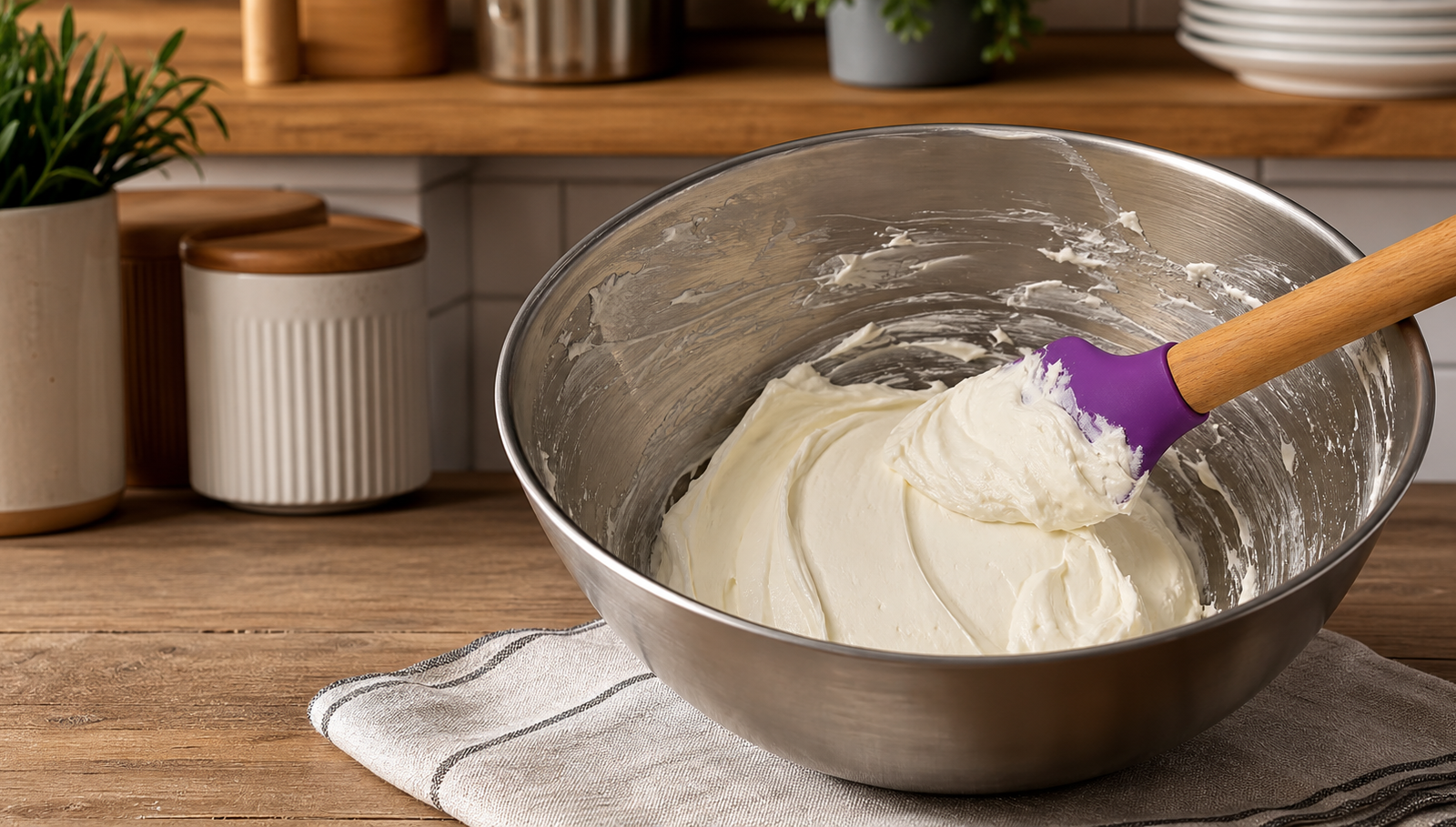
Silky Swiss Meringue Buttercream
This creamy, silky-smooth Swiss Meringue Buttercream requires just five ingredients. It’s ideal for decorating, piping, or spreading on your favorite baked treats.
1
servings25
minutes5
minutes4506
kcal30
minutesIngredients
5 egg whites (room temperature)
2 cups (452g) unsalted butter (room temperature)
1½ cups (300g) granulated sugar
A pinch of kosher salt
1 teaspoon vanilla extract
Directions
- Combine Ingredients: Place the egg whites, sugar, and salt into a mixing bowl. Lightly whisk them together.
- Heat the Mixture: Set the bowl over a pan of simmering water, ensuring the water doesn’t touch the bowl. Warm the mixture, whisking occasionally at first, then continuously as it heats. When it reaches 160°F or feels smooth (not grainy) between your fingers, it’s ready.
- Whip the Meringue: Transfer the bowl to a stand mixer fitted with a whisk attachment. Whip the mixture until it forms glossy, room-temperature peaks.
- Incorporate Butter: Switch to a paddle attachment. On low speed, add the butter a tablespoon at a time, ensuring each piece is fully blended before adding more.
- Add Flavor: Once all the butter is mixed in, add the vanilla extract. The buttercream is now ready to use. Store it in a piping bag or a sealed container in the fridge or freezer.
Notes
- Tips for Success
Ensure your bowl is clean, dry, and free of grease. Even a tiny bit of egg yolk can prevent the meringue from whipping properly. Wipe everything down with lemon juice or vinegar if needed.
Separate eggs while cold for easier handling, but let the whites reach room temperature before whipping for better elasticity.
If the buttercream appears curdled or soupy, don’t panic! Keep whipping—it will smooth out as the ingredients fully combine.
If the mixture stays curdled after 5–10 minutes of mixing, warm the edges by placing the bowl over simmering water, then continue mixing.
Butter-based frostings like this one are sensitive to heat and humidity. Store and serve in a cool environment to prevent melting.
To avoid overworking your mixer, let it rest by chilling the bowl and paddle attachment for 20–30 minutes if needed.
Nutrition Facts
- Serving Size: 1 g
- Total number of serves: 1
- Calories: 4506kcal
- Fat: 368g
- Cholesterol: 976mg
- Sodium: 341mg
- Potassium: 353mg
- Carbohydrates: 301g
- Sugar: 301g
- Protein: 20g