Sourdough Apple Fritter Bread is a comforting homemade quick bread that brings together tender cake-like crumb, juicy pieces of fresh apple, fragrant cinnamon sugar, and a simple vanilla glaze. It has the familiar flavors of an apple fritter but is prepared as an easy loaf, making it much simpler to bake and serve. The sourdough discard adds a subtle fermented depth that blends naturally with the sweetness of the brown sugar and the warmth of cinnamon. Unlike traditional sourdough bread, this recipe does not require a long fermentation or complicated shaping process. Instead, the discard becomes a practical ingredient in a soft apple bread that is especially enjoyable with coffee, tea, or as an afternoon dessert. The combination of buttery batter, cinnamon filling, apples, and icing makes every slice rich, moist, and full of classic bakery-style flavor.
Why Sourdough Discard Works So Well in Apple Bread
Sourdough discard is particularly useful in recipes such as this because it can contribute flavor without requiring the long fermentation associated with traditional sourdough loaves. In this apple fritter bread, the discard works alongside butter, milk, egg, sugar, and flour to create a tender batter with a slightly deeper flavor. Since the recipe also uses baking powder as its primary leavening ingredient, there is no need to wait for the sourdough discard to become active before baking. This makes the recipe a convenient way to use leftover starter that might otherwise be thrown away. The mild tang from the discard balances the sweetness of the cinnamon sugar and vanilla glaze, while the apples bring natural moisture and a pleasant fruity flavor. It is an excellent sourdough discard recipe for anyone who wants something sweet, simple, and approachable.
The Flavor Combination That Makes This Loaf Special
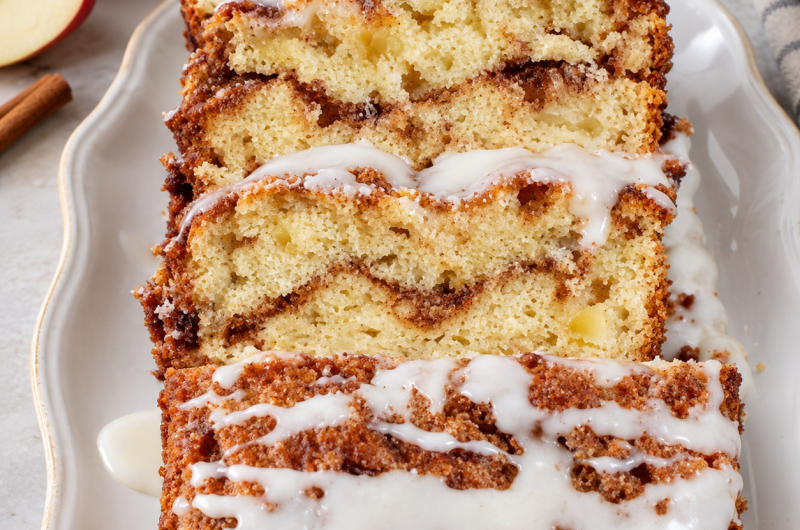
The appeal of this homemade apple fritter bread comes from the way several simple flavors work together. Butter gives the loaf a rich base, while granulated sugar and brown sugar provide sweetness and help create a soft texture. Cinnamon adds warmth and gives the center of the loaf the familiar character associated with apple fritters. Fresh diced apples provide little pockets of fruity flavor throughout the bread, and their natural moisture keeps the crumb pleasantly tender. The finishing glaze brings powdered sugar, milk, and vanilla together into a smooth topping that melts slightly over the warm surface of the loaf. Once sliced, the bread reveals layers of tender cake, apples, and cinnamon sugar. The result is a dessert bread that feels more special than an ordinary quick bread without requiring complicated pastry techniques or unusual ingredients.
Choosing Apples for the Best Texture
Fresh apples are one of the most important ingredients in this recipe, and the variety you choose can subtly change the finished loaf. Apples with a pleasant balance of sweetness and acidity work particularly well because they add fruit flavor without making the bread overwhelmingly sweet. Gala and Honeycrisp apples provide a naturally sweet, crisp character, while Granny Smith apples introduce more tartness that can create a pleasing contrast with the brown sugar and vanilla icing. The apples should be peeled and diced before being folded into the batter. The size of the pieces can also be adjusted according to personal preference, although the original ingredient quantity should remain unchanged. Larger pieces create more noticeable bites of apple, while smaller pieces distribute the fruit more evenly. Whatever variety you choose, fresh apples should be prepared shortly before mixing them into the batter for the best texture.
Why Room-Temperature Ingredients Matter
Using room-temperature ingredients is a small preparation detail that can make the batter easier to mix and help create a more even texture. Softened butter combines more effectively with the granulated sugar and brown sugar, allowing the mixture to become smooth and creamy instead of remaining lumpy. A room-temperature egg also blends more naturally into the butter mixture, while room-temperature sourdough discard and milk help prevent the butter from becoming firm or curdled when the wet ingredients are combined. A slightly curdled mixture does not necessarily mean the bread will fail, but keeping the ingredients at a similar temperature makes the mixing process more predictable. Before starting, allow the butter, egg, sourdough discard, and milk to come to room temperature. This simple step can make a noticeable difference when preparing a tender sourdough apple bread.
Creating the Buttery Base
The first major stage of the recipe is preparing the butter and sugar mixture. Softened butter is beaten together with granulated sugar and brown sugar until the mixture becomes smooth. This step should receive enough attention because properly creamed butter contributes to the light texture of the finished loaf. Rather than simply stirring the ingredients together, beating them helps incorporate air into the butter mixture. The brown sugar also contributes a deeper caramel-like flavor that complements the apples and cinnamon. Once the mixture is smooth, the egg, sourdough discard, and vanilla extract can be incorporated. The milk is then whisked into the mixture to provide moisture. At this stage, the batter may not look completely uniform, particularly if the ingredients were not perfectly matched in temperature, but it can still bake successfully. The goal is to combine the ingredients without unnecessary overmixing.
Combining the Dry Ingredients Without Overworking the Batter
Once the wet mixture has been prepared, the flour, baking powder, and salt are incorporated. This is one of the points where a light touch is important. Flour contains gluten-forming proteins, and excessive mixing can develop more gluten than desired in a quick bread. Too much gluten can make the finished loaf firmer or tougher instead of soft and tender. The dry ingredients should therefore be mixed into the wet ingredients only until the flour is incorporated. A few small lumps in the batter are not a problem. In fact, trying to make the batter perfectly smooth can encourage overmixing. This is particularly important for a cake-like apple fritter loaf, where a delicate crumb is part of the appeal. Once the flour mixture has disappeared into the wet ingredients, stop mixing and move on to the apples.
Preparing and Adding the Fresh Apples
After the batter comes together, the prepared apples are folded in gently. The apples should be peeled and diced according to the ingredient specification, although the size of the pieces can be adjusted slightly depending on the texture you prefer. Larger pieces give the loaf a more rustic character and make the fruit especially noticeable in each bite. Smaller pieces spread throughout the batter and provide a more consistent apple flavor from slice to slice. Folding is preferable to vigorous stirring because it helps distribute the fruit while keeping the batter from becoming unnecessarily overworked. Make sure the apples are spread throughout the mixture rather than concentrated in one area. Once the diced apples are evenly incorporated, the batter is ready to be layered with the cinnamon sugar filling. This simple apple addition is what transforms the basic sourdough quick bread into a distinctly apple fritter-inspired loaf.
Building the Cinnamon Sugar Center
The cinnamon filling is one of the defining features of this recipe. Brown sugar and cinnamon are combined separately to create a fragrant mixture that can be layered through the batter. Rather than mixing the cinnamon sugar completely into the batter, part of the mixture is placed between layers of the apple bread. This creates a visible ribbon of sweetness when the loaf is sliced. The brown sugar also softens as the bread bakes, blending with the cinnamon and surrounding batter. To assemble the loaf, part of the batter is placed into the prepared pan first, followed by most of the cinnamon sugar mixture. The remaining batter is then added on top, with the final portion of cinnamon sugar scattered over the surface. This layering technique gives the bread its apple-fritter character and adds contrast to the tender crumb.
Preparing the Loaf Pan Properly
A properly prepared loaf pan makes removing the finished apple fritter bread much easier. The specified 8.5 x 4.5-inch loaf pan should be greased thoroughly or lined with parchment paper before the batter is added. Parchment provides an especially convenient way to lift the cooled bread from the pan without damaging the sides. Make sure the parchment is positioned securely so it does not fold excessively into the batter. Greasing the pan also helps prevent exposed areas of the loaf from sticking. Once the pan is ready, the batter can be added in layers. Avoid pressing or compacting the mixture unnecessarily because the batter should remain light. A little care during preparation makes the final loaf easier to remove and helps preserve the attractive shape of the bread when it is ready to glaze and slice.
Baking the Sourdough Apple Fritter Loaf
The oven should be fully preheated to 350°F before the loaf goes inside. Starting with a properly heated oven helps the baking powder begin working at the intended stage and allows the bread to develop a steady rise. The loaf generally requires approximately 55 to 60 minutes, although oven performance and the moisture content of the apples can affect the exact baking time. The original recipe indicates that an internal temperature of 200°F is a useful guide for determining doneness. The surface should appear baked and lightly golden, while the center should no longer look wet or unset. Avoid opening the oven repeatedly during baking because this can allow heat to escape and interfere with the baking process. When the loaf is finished, remove it carefully and place it on a wire rack so it can begin cooling before the glaze is prepared.
Understanding When the Bread Is Fully Baked
Checking doneness is particularly useful when baking fruit-filled quick breads because apples contribute moisture to the batter. The loaf may look golden on the outside before the center is completely baked. For this reason, an internal temperature of approximately 200°F provides a helpful indication that the bread has reached the desired stage. If you do not have an instant-read thermometer, the center should feel set rather than liquid or excessively soft. A toothpick inserted into a section without a large piece of apple should come out without wet batter. Keep in mind that a few moist crumbs are different from raw batter. Once removed from the oven, the bread continues to settle as it cools. Allowing it to rest before slicing also helps the cinnamon filling and apple pieces remain in place rather than causing the loaf to crumble excessively.
Cooling the Bread Before Adding the Glaze
Cooling is an important part of the process, even though the aroma of warm apple and cinnamon can make it tempting to slice the bread immediately. After baking, transfer the loaf to a wire rack and allow it to cool gradually. The cooling period gives the crumb time to firm up and allows the moisture to distribute more evenly throughout the loaf. If the glaze is added while the bread is extremely hot, it can melt too quickly and run off the surface instead of creating a visible finishing layer. A slightly warm or fully cooled loaf gives you more control over the glaze. Once the bread has cooled sufficiently, prepare the icing by combining powdered sugar, milk, and vanilla extract. Stir until smooth, then drizzle it over the loaf before slicing and serving.
Making a Smooth Vanilla Glaze
The vanilla glaze requires only three ingredients, but its consistency plays an important role in the appearance of the finished bread. Powdered sugar provides the smooth base, milk loosens the mixture, and vanilla extract gives it a gentle aroma and flavor that complements the cinnamon and apples. Add the liquid carefully and stir until the glaze reaches a consistency suitable for drizzling. A glaze that is too thick may sit heavily on the bread, while one that is too thin can disappear quickly into the surface. Once the loaf has cooled, drizzle the icing across the top, allowing some of it to naturally run down the sides. The finished glaze adds sweetness and creates the visual impression of a bakery-style apple fritter. It also brings the entire combination of cinnamon, apple, sourdough, and butter together.
How to Keep the Bread Tender
A tender texture depends largely on how the batter is mixed and baked. The butter should be properly softened rather than melted, and it should be beaten with the sugars until smooth. The dry ingredients should then be incorporated gently, stopping as soon as the flour disappears. Overmixing is one of the easiest ways to make a quick bread unnecessarily dense or tough. The apples also contribute moisture, so their quantity should remain exactly as specified in the original recipe. Baking the loaf for the correct amount of time is equally important. Underbaking can leave the center gummy, while excessive baking can dry the crumb. Using room-temperature ingredients, avoiding unnecessary mixing, and monitoring the loaf toward the end of its baking time are practical ways to help produce the soft, cake-like texture expected from a good sourdough apple fritter bread.
How the Sourdough Flavor Changes the Loaf
Sourdough discard does not make this recipe taste like a traditional sourdough loaf. Instead, its fermented character adds a subtle depth that works quietly behind the sweeter ingredients. The brown sugar and cinnamon provide warm, familiar flavors, while the sourdough discard adds a mild tang that helps prevent the sweetness from becoming one-dimensional. Because this is a quick bread rather than a naturally leavened sourdough loaf, the discard is used primarily as a flavor-rich ingredient rather than the main rising agent. This makes the recipe especially convenient for people who maintain a sourdough starter and regularly have excess discard available. It is also an approachable way for newer sourdough bakers to incorporate discard into desserts without committing to a long fermentation schedule or complicated bread-making process.
Notes for Getting the Best Results
For the most consistent results, pay attention to a few straightforward details throughout the recipe. Room-temperature ingredients are helpful because they allow the butter mixture to remain smoother as the wet ingredients are combined. Do not worry if the batter appears slightly lumpy after the milk is added, especially if the ingredients were not exactly the same temperature. Once the flour is added, mix only until it is incorporated. Choose an apple variety according to the flavor you enjoy, remembering that sweeter apples and tart apples create different contrasts with the cinnamon sugar and glaze. Most importantly, do not rush the baking process. The center needs enough time to cook fully because the apples add moisture. Finally, let the bread cool before glazing and slicing so that the loaf holds together cleanly and the icing remains attractive on the surface.
Serving Ideas for Apple Fritter Bread
This sourdough apple fritter bread is versatile enough to serve in several ways. Thick slices are excellent for breakfast or brunch alongside coffee, tea, or another favorite warm drink. Because the loaf contains apples, cinnamon sugar, butter, and vanilla glaze, it also works naturally as an afternoon snack or simple dessert. For a more polished presentation, slice the loaf once it has cooled and arrange the pieces on a serving plate with the glaze visible across the top. The bread can be served on its own because it already has a rich combination of flavors, but it can also be paired with fresh fruit or a warm beverage. The cinnamon and apple flavors make it particularly inviting during cooler seasons, although the recipe is simple enough to enjoy throughout the year.
Storing the Finished Apple Bread
Once the sourdough apple fritter bread has cooled completely, store it in a suitable airtight container to help preserve its texture. Keeping the loaf covered prevents unnecessary moisture loss and helps protect the glaze from becoming overly dry. If you expect to eat the bread over several days, slice only what you need rather than cutting the entire loaf immediately. This can help preserve the remaining portion more effectively. Because the recipe contains fresh apples and a milk-based glaze, storage conditions should be considered carefully, particularly in a warm environment. For the best eating experience, allow chilled slices to come closer to room temperature before serving. If you plan to keep the loaf longer, individual slices can also be wrapped securely and frozen, then thawed before serving. Always make sure the bread is completely cooled before wrapping or storing it.
Common Mistakes to Avoid
There are several simple mistakes that can affect the texture of this quick bread. One common problem is using butter that is too cold, which can make creaming difficult and lead to an uneven mixture. On the other hand, melted butter changes the structure of the batter and does not provide the same creaming effect. Another issue is overmixing after the flour has been added. Once the flour is incorporated, additional mixing is unnecessary. Cutting the apples too large or too small is not necessarily wrong, but the choice affects how the fruit is distributed throughout each slice. Finally, avoid removing the loaf from the oven too early simply because the top looks finished. The center needs to be fully baked, and checking the internal temperature can be particularly helpful. These small details can make the difference between an average quick bread and a tender, well-structured loaf.
Why This Recipe Is a Useful Sourdough Discard Dessert
Recipes that use sourdough discard are practical because they provide another way to enjoy starter that might otherwise go unused. While discard is often associated with pancakes, waffles, crackers, and muffins, it can also be incorporated into sweet quick breads. This apple fritter version is especially appealing because the discard fits naturally with ingredients such as cinnamon, brown sugar, vanilla, and fresh apples. There is no need to build a separate levain or wait for a fermentation period before beginning the recipe. The batter is mixed, layered, and baked in a loaf pan, making it suitable for an ordinary home kitchen. The finished bread has the familiar comfort of an apple dessert while also providing a creative use for sourdough discard. It is a useful recipe to keep available whenever your starter produces more discard than you need.
A Simple Homemade Alternative to Apple Fritters
Traditional apple fritters are usually fried, which gives them their characteristic crisp exterior and soft interior. This loaf takes inspiration from those flavors while using a much simpler baking method. Instead of frying individual portions, the apple, cinnamon sugar, and tender batter are layered in one loaf pan and baked together. The vanilla glaze provides the sweet finish associated with many apple fritter-style desserts. This makes the recipe less time-consuming for anyone who wants those familiar flavors without standing over a pot of hot oil. The result is not identical to a fried apple fritter, but it captures the key combination of apples, cinnamon, sugar, buttery richness, and glaze in a convenient quick-bread format. It is particularly useful for breakfast tables, casual gatherings, weekend baking, or whenever you want a homemade apple dessert without complicated preparation.