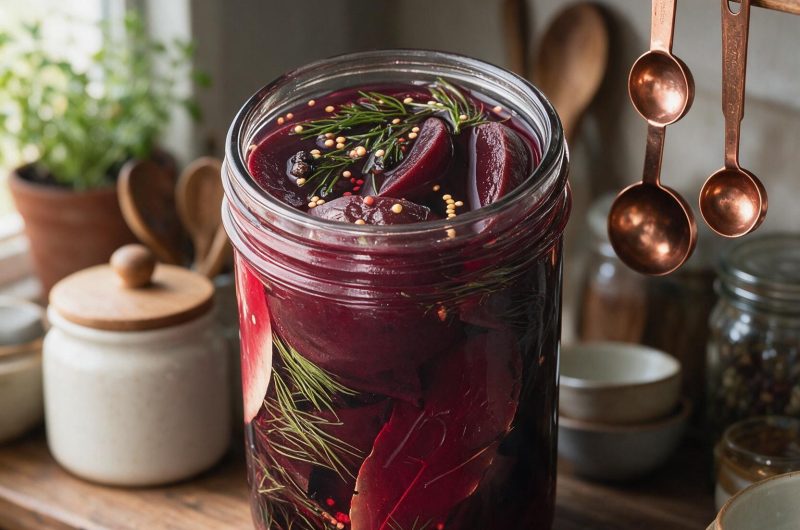
Homemade pickled beets are one of the easiest and most flavorful ways to preserve fresh vegetables while adding bold color and sweet-and-tangy taste to everyday meals. These refrigerator pickled beets are tender, vibrant, and packed with balanced flavor. Whether you are looking for a healthy side dish, a bright salad topping, or a flavorful sandwich addition, this easy pickled beets recipe delivers reliable results. With simple pantry ingredients and no complicated canning process, it is a beginner-friendly method that produces fresh, delicious pickled vegetables at home.
The Growing Popularity of Refrigerator Pickled Beets
Refrigerator pickle recipes have become increasingly popular because they are quick, practical, and require minimal equipment. Unlike traditional canning, which often involves sterilizing jars and sealing lids for shelf storage, refrigerator pickling is much simpler. You prepare the vegetables, pour over a hot vinegar brine, cool, and refrigerate. That is it. Homemade pickled beets are especially trending because they are naturally gluten-free, colorful, and versatile. Many people prefer making them at home to avoid preservatives and control sweetness and acidity levels.
The Flavor Profile of Sweet and Tangy Pickled Beets
The appeal of this homemade pickled beets recipe comes from its perfectly balanced flavor. Fresh beets have a natural earthy sweetness that becomes softer and juicier after cooking. The vinegar-based brine adds bright acidity, while sugar smooths the sharp edges and creates a pleasant sweet-and-sour contrast. Garlic, bay leaves, and peppercorns contribute subtle savory notes that deepen the overall flavor. The result is a refreshing combination that tastes slightly sweet, gently tangy, and aromatic without overpowering the natural beet flavor.
Choosing the Best Fresh Beets for Pickling
Selecting high-quality beets is essential for achieving the best texture and taste. Look for beets that are firm, heavy for their size, and free from soft spots or blemishes. Smaller to medium-sized beets are often sweeter and more tender than very large ones. Smooth skin and deep color are signs of freshness. While red beets are most commonly used for pickling because of their vibrant ruby hue, golden beets can also be used for a milder flavor and beautiful golden color.
Why Vinegar Is Essential in Pickling
Vinegar is the foundation of any good pickling brine. It provides the sharp acidity that defines pickled vegetables and helps preserve them in the refrigerator. White vinegar is commonly used because of its clean, crisp flavor and clear appearance, which keeps the brine bright. Apple cider vinegar can also be used if you prefer a slightly sweeter, fruitier taste. Combined with water, sugar, and salt, vinegar creates a balanced brine that enhances the beets rather than overwhelming them.
Achieving the Perfect Sweet and Sour Balance
One of the key reasons this easy pickled beets recipe stands out is its balanced ratio of sugar and vinegar. The sugar reduces the harsh edge of the vinegar and highlights the natural sweetness of the beets. Salt enhances the overall flavor and brings all ingredients together. This careful balance ensures that the brine is neither too sour nor overly sweet. When properly combined, the flavors create a smooth, refreshing taste that complements salads, sandwiches, and roasted dishes.
Cooking Beets for the Best Texture
Cooking the beets correctly is important for achieving tender yet firm slices. Start by washing the beets thoroughly and leaving the skins intact. Boiling them whole helps preserve their moisture and color. Once fork-tender, allow them to cool slightly before peeling. The skins will slide off easily using your fingers or a paper towel. Properly cooked beets should feel soft but not mushy. This texture allows them to absorb the brine while maintaining structure.
Slicing Techniques and Presentation
The way you cut your beets can influence both presentation and texture. Beet rounds are classic and visually appealing for salads and sandwiches. Cubes work well in grain bowls or side dishes. Thin slices absorb the brine faster and create a softer bite, while wedges offer a rustic look suitable for serving platters. Uniform slicing ensures even marinating and consistent flavor throughout the jar. Choose the cut that best suits how you plan to serve them.
Adding Garlic and Aromatic Spices
Garlic, whole peppercorns, and bay leaves add depth to the pickling brine. Garlic provides mild sharpness and savory richness without overpowering the sweetness of the beets. Peppercorns contribute gentle warmth and complexity, while bay leaves offer subtle herbal aroma. These classic pickling spices enhance flavor without making the brine overly complicated. The goal is to support the natural taste of the beets while creating layers of interest.
Optional Onion for Extra Flavor and Texture
Sliced onion is optional in this recipe, but it adds pleasant sharpness and a slight crunch. Red onion pairs beautifully with red beets, both visually and in flavor. The onion absorbs the sweet-and-sour brine alongside the beets, creating an additional layer of taste. If you enjoy a slightly stronger pickle flavor, including onion is a great way to enhance the overall profile without changing the base ingredients.
How Flavor Develops During Refrigeration
Freshly prepared pickled beets already taste good, but their flavor improves over time. After about 24 hours in the refrigerator, the beets begin to absorb the brine fully. The vinegar softens, the sweetness balances, and the spices blend harmoniously. After two to three days, the flavor becomes richer and more rounded. Allowing the beets to marinate properly is essential for achieving the best taste and texture. Patience truly enhances this recipe.
Creative Ways to Serve Pickled Beets
These sweet and tangy pickled beets are extremely versatile. Add them to fresh green salads for color and acidity. Layer them into sandwiches or burgers for a flavorful twist. Include them on cheese boards alongside goat cheese or feta. Toss them into grain bowls with quinoa or rice for added brightness. Serve them as a side dish with roasted meats or grilled vegetables. You can even enjoy them straight from the jar as a healthy snack.
Storage and Shelf Life Guidelines
Because this is a refrigerator pickle recipe, proper storage is important. Always store the beets in airtight glass jars to preserve freshness and flavor. Keep them refrigerated and ensure that the beets remain fully submerged in the brine. They are best enjoyed within three weeks. Always use clean utensils when removing beets from the jar to prevent contamination and extend shelf life. Avoid metal containers, as vinegar can react with metal and alter taste.
Nutritional Benefits of Pickled Beets
Beets are naturally rich in antioxidants, fiber, and essential nutrients such as vitamin C and folate. They are low in fat and contain beneficial plant compounds that support overall wellness. Homemade pickled beets provide these benefits without the added preservatives often found in store-bought versions. While the brine contains sugar, the overall recipe remains a lighter and healthier option compared to many processed side dishes.
Notes for Best Results
Wear gloves while handling beets to prevent staining hands and countertops. Slice beets evenly to ensure consistent pickling. Use fresh garlic for the cleanest flavor. Allow the beets to chill for at least 24 hours before serving. Always store in glass jars and keep refrigerated. Avoid freezing pickled beets, as freezing can alter their texture. These simple steps guarantee bright color, balanced flavor, and satisfying texture.
Why This Recipe Is Perfect for Meal Prep
Homemade pickled beets are ideal for meal prep because they last for weeks in the refrigerator and complement many dishes. Prepare a batch at the beginning of the week and use them in salads, wraps, bowls, or side plates throughout the week. Their flavor deepens over time, making them even more enjoyable after a few days. This recipe is affordable, easy, and highly adaptable for busy households.
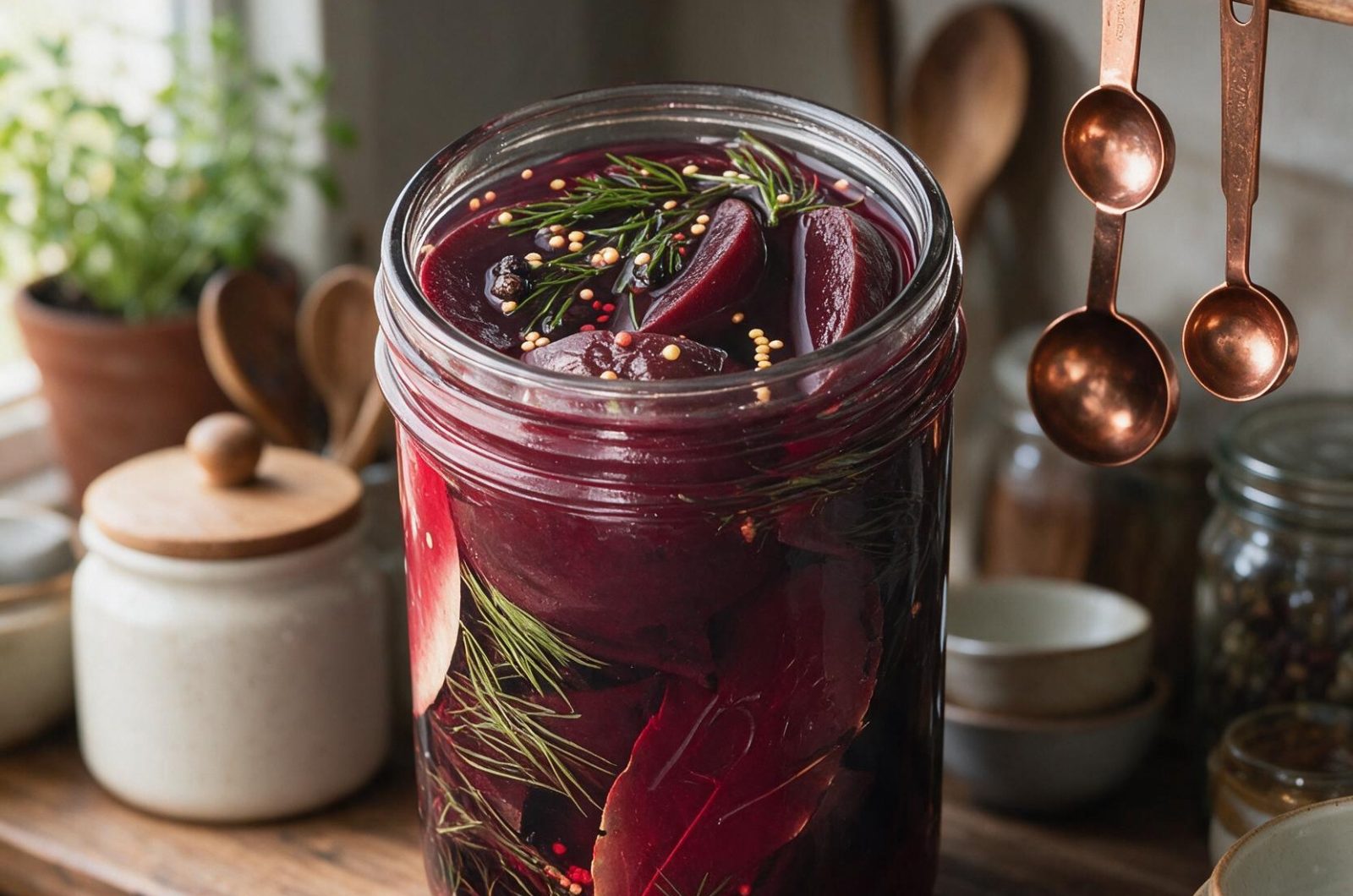
Tangy Pickled Beets
Sweet, tangy, and vibrant homemade pickled beets made with vinegar, sugar, garlic, and spices. Perfect for salads, sandwiches, burgers, or healthy snacks.
8
servings15
minutes45
minutes300
kcal24 hr
Ingredients
2 pounds fresh beets
1 cup white vinegar
1 cup water
½ cup granulated sugar
1 teaspoon salt
½ teaspoon whole black peppercorns
2 garlic cloves, thinly sliced
1 small onion, sliced (optional)
2 bay leaves
Directions
- Wash the beets thoroughly and place them in a large pot. Cover with water and bring to a boil. Reduce heat and simmer for 35–45 minutes, or until fork tender.
- Drain the cooked beets and allow them to cool slightly. Rub off the skins using your hands or a paper towel. Slice the beets into rounds, wedges, or cubes.
- In a small saucepan, combine vinegar, water, sugar, salt, peppercorns, garlic, and bay leaves. Bring to a gentle boil and stir until the sugar fully dissolves.
- Place sliced beets into a clean glass jar or container. Add sliced onion if using.
- Carefully pour the hot pickling liquid over the beets until fully covered.
- Let the jar cool completely. Cover tightly and refrigerate for at least 24 hours before serving.
Notes
- Notes
Store refrigerated for up to 3 weeks.
Flavor improves after 2–3 days.
Apple cider vinegar may be used for a slightly sweeter flavor.
Thinly sliced beets pickle faster.
Avoid metal containers when pickling.
Nutrition Facts
- Serving Size: 1 g
- Total number of serves: 1
- Calories: 90kcal
- Fat: 0g
- Sodium: 290mg
- Carbohydrates: 18g
- Fiber: 3g
- Sugar: 14g
- Protein: 2g