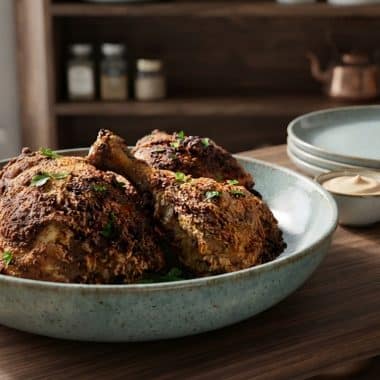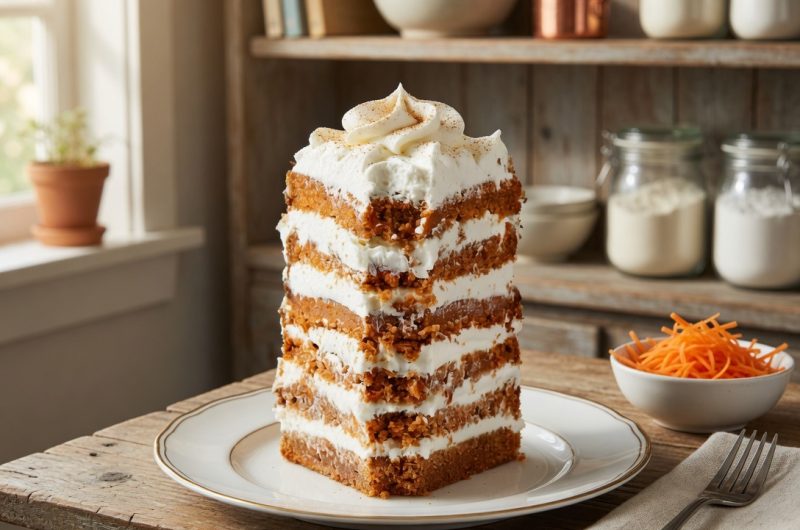
This moist and flavorful dessert topped with a creamy dairy-free frosting is sure to impress both friends and family, making it the perfect choice for special occasions, celebrations, or whenever you want to serve something truly memorable. The combination of warm spices, tender crumb, and rich frosting creates a dessert that rivals traditional wheat-based carrot cake while remaining completely suitable for those following gluten-free dietary preferences. Whether you are baking for someone with gluten sensitivity, celiac disease, or simply prefer avoiding gluten in your diet, this recipe delivers exceptional results that taste so good nobody will miss the gluten. The cake stays moist and tender for days when properly stored, making it an excellent choice for baking ahead of time. Let us dive into every step of this recipe, from essential ingredients to proven baking techniques that ensure success.
Understanding Gluten-Free Flour Blends and Their Importance
For the best results, Bob’s Red Mill One-to-One Gluten-Free Flour Blend is recommended because it provides a light and fluffy texture that is absolutely perfect for cakes and baked goods. This particular blend is formulated to mimic all-purpose wheat flour as closely as possible, making substitutions straightforward for most recipes. Alternatively, you can use your preferred gluten-free flour blend available at your local grocery store, though you should weigh the flour to ensure consistency across batches. Each gluten-free blend varies slightly in composition, hydration level, and binding properties, so adjustments to liquid ratios may be necessary depending on which brand you select. Some people prefer creating their own flour blend by combining brown rice flour, tapioca starch, and xanthan gum, which gives them complete control over the final texture. Whatever blend you choose, weighing rather than measuring by cup ensures greater accuracy and more consistent results from one baking session to the next.
Recognizing the Importance of Proper Leavening Agents
Baking powder and baking soda are essential leavening agents that work together to lift the heavy carrot cake batter, ensuring the finished cake is airy and soft rather than dense and gummy. The combination of these two ingredients works particularly well in gluten-free baking because they provide multiple stages of lift during the baking process. Baking soda reacts immediately when it meets acidic ingredients, while baking powder continues to work throughout the baking time, creating consistent rise. This dual action is especially important in gluten-free cakes where the lack of gluten structure means you need maximum leavening support. Using the correct amounts ensures you achieve that tender crumb texture that makes carrot cake so appealing, never dense or heavy.
Selecting and Using Classic Cake Spices
Classic carrot cake spices include cinnamon, which adds a sweet warmth that defines the cake’s character, ginger, which offers a subtle kick that prevents the cake from becoming cloying, and nutmeg, which provides depth and complexity. For a shortcut, you can substitute these individual spices with one and three-quarter teaspoons of apple pie spice or pumpkin spice, both of which contain similar spice combinations. Avoid using cloves unless you particularly prefer a bolder, more distinctive spice flavor, as cloves can easily overpower the other delicate flavors. The warm spices are what make people immediately recognize carrot cake and associate it with comfort and tradition. Measuring spices carefully ensures the flavor is balanced and not overwhelming, as too much spice can make the cake taste unpleasant.
Why Oil Is Superior to Butter in This Recipe
Using oil instead of butter keeps the cake remarkably moist and tender, even after refrigeration or several days of storage. Butter contains water content that can evaporate during baking and storage, potentially drying out the cake over time. Oil, being pure fat with no water content, maintains moisture throughout the cake’s shelf life. Light oils like olive oil or melted coconut oil are ideal choices, though neutral-flavored vegetable or canola oil also work excellently. Avoid substituting with butter, as the water content and different fat composition can negatively affect the cake’s texture and moisture level. The oil also helps the gluten-free flour bind together more effectively, contributing to a less crumbly texture.
Understanding Brown Sugar’s Role in the Cake
Light brown sugar is used in this recipe because it adds a subtle caramel undertone and enhances the overall moistness of the finished cake. The molasses in brown sugar provides both sweetness and moisture, making the cake more tender and flavorful than white sugar would. If needed, dark brown sugar can be used as a substitute, though it will create a slightly darker color and more pronounced molasses flavor. Avoid using white granulated sugar for this recipe, as it does not provide the same moisture or the characteristic caramel notes that define carrot cake flavor. The brown sugar helps create a more complex flavor profile that works beautifully with the warm spices and carrots.
The Essential Role of Eggs in Cake Structure
Eggs serve multiple crucial functions in this recipe, including binding all the dry ingredients together and providing structure to the cake so it holds together properly when sliced. The protein in eggs sets during baking, creating the framework that supports the cake’s crumb structure and prevents it from collapsing. While we have not tested egg-free versions of this recipe, flax or chia egg substitutes may work for those following vegan diets, though results may vary. The eggs also add richness and moisture to the batter, contributing to the overall tender texture of the finished cake. Using room-temperature eggs helps them incorporate more easily into the batter, creating a smoother mixture.
Discovering How Applesauce Keeps the Cake Moist
Applesauce is a surprising yet absolutely vital ingredient that keeps the cake moist and adds a subtle fruity note that pairs perfectly with the earthiness of carrots and warmth of spices. The natural moisture and pectin in applesauce help bind the ingredients together while keeping the cake tender. Applesauce also adds sweetness, allowing you to use slightly less sugar while maintaining proper flavor balance. The fruit provides complexity that prevents the cake from tasting one-dimensional or overly spiced. Using unsweetened applesauce ensures you have complete control over the sweetness level.
Selecting Fresh Carrots for Optimal Flavor
Fresh shredded carrots are essential for the best taste and texture, as they contribute moisture and natural sweetness that complements all the other flavors. Using a food processor to grate the carrots simplifies this step considerably and ensures even shredding that distributes throughout the batter. Fresh carrots should be firm and bright orange, as they will provide better flavor than older, darker carrots. Avoid pre-shredded carrots from grocery store produce sections, as they often contain additives to prevent clumping and may have been stored for extended periods. Grating carrots fresh on the day you bake ensures maximum moisture and vibrant flavor.
Including Optional Nuts and Mix-Ins
Walnuts or pecans add satisfying crunch and complement the spiced cake beautifully, providing textural contrast to the soft cake crumb. If you prefer a nut-free version, simply omit the nuts without adjusting any other ingredients in the recipe. Alternatively, you can incorporate shredded coconut or raisins for a different twist, ensuring that total mix-ins do not exceed one cup. Chopped nuts should be medium-sized rather than finely ground, as they provide better texture contrast. Toasting nuts lightly before adding them enhances their flavor significantly.
Preparing Your Workspace and Equipment
Before beginning to mix ingredients, gather all equipment including mixing bowls, measuring cups and spoons, a mixer, a spatula, and prepared cake pans. Having everything ready before you start ensures smooth progress through the recipe without interruption. Prepare your cake pans by greasing with oil or cooking spray and lining the bottom with parchment paper, which makes removal easier. Preheat your oven to the correct temperature well in advance so it reaches the proper heat by the time your batter is ready.
Mixing Wet Ingredients for a Creamy Base
In a large mixing bowl, beat together the oil and brown sugar for about two minutes to create a creamy base that will hold air and become fluffy. This step is important for incorporating air into the batter, which helps create a lighter texture. Add vanilla extract and mix for thirty seconds before incorporating eggs one at a time, mixing well between each addition. Adding eggs gradually ensures they incorporate evenly rather than creating lumps or streaks in the batter. The mixture should be smooth and uniform in appearance before moving on to combining dry ingredients.
Sifting Dry Ingredients for Even Distribution
In a separate bowl, sift together the gluten-free flour blend, baking powder, baking soda, cinnamon, ginger, nutmeg, and salt, which ensures even distribution of all leavening agents and spices. Sifting aerates the flour and removes any lumps that might interfere with smooth mixing. The dry ingredients should be thoroughly combined so that leavening and spices are evenly distributed throughout the cake. This step prevents pockets where spices would be too concentrated or areas where the cake would not rise properly.
Alternating Wet and Dry Ingredients for Perfect Texture
With the mixer on low speed, gradually add the dry mixture to the wet ingredients, alternating with applesauce and starting and ending with the dry mix. This alternating method ensures even distribution of all ingredients without overmixing, which would develop gluten in wheat flour and create a dense texture. Stir until just combined, stopping as soon as you no longer see visible streaks of dry flour. Overmixing gluten-free batter is particularly problematic because the lack of gluten structure means the batter can become tough and dense more easily than wheat-based batters.
Folding in Carrots and Nuts With Care
Fold shredded carrots and chopped walnuts into the batter using a spatula, ensuring even distribution without overmixing. Folding is a gentler mixing technique that incorporates ingredients without developing toughness in the batter. Make sure the carrots are distributed evenly throughout so every slice of cake contains carrot flavor. The nuts should be distributed randomly rather than concentrated in certain areas.
Preparing Cake Pans for Baking
Divide the batter evenly into prepared cake pans, whether you are using three six-inch pans, two eight-inch or nine-inch pans, or a single bundt pan. For cupcakes, fill the liners about two-thirds full, which yields approximately twenty-four cupcakes. For a sheet pan cake, pour all batter into a nine-by-thirteen-inch pan. Distributing batter evenly ensures all portions bake at the same rate and finish at the same time.
Baking at the Correct Temperature and Time
Bake the cake at three hundred fifty degrees Fahrenheit for twenty-five to thirty minutes, depending on the pan size and shape you are using. Use a toothpick to check doneness by inserting it into the center of the cake—it should come out clean or with just a few moist crumbs. Smaller pans finish faster than larger ones, so monitor baking carefully and check doneness starting at the lower end of the time range. Do not overbake, as gluten-free cakes can become dry more easily than wheat-based cakes.
Cooling the Cake Properly
Allow the baked cake to cool in the pan for about ten minutes before turning it out onto a wire cooling rack. This cooling time allows the cake to set enough to hold together when removed from the pan. Complete cooling on the wire rack ensures even cooling without the bottom of the cake becoming soggy from trapped steam. The cake must be completely cool before frosting to prevent the frosting from melting.
Choosing the Right Pan Size for Your Needs
This recipe is versatile and works for various pan sizes, including three six-inch round pans for a tall layer cake, two eight-inch or nine-inch round pans for a standard two-layer cake, or a single bundt pan for an elegant presentation. You can also bake as twenty-four cupcakes or pour the entire batter into a nine-by-thirteen-inch sheet pan for a casual, unfrosted version. Adjusting baking time accordingly ensures proper doneness regardless of which pan configuration you choose. Smaller individual cakes and cupcakes bake faster than larger cakes.
Storing Your Finished Cake Properly
Store the finished cake in the refrigerator due to the cream cheese frosting, wrapping it loosely with plastic wrap to maintain freshness for up to five days. The moisture from the applesauce means the cake actually improves slightly over a day or two as flavors continue to develop. Storing in the refrigerator prevents the frosting from developing an oily appearance and keeps it at the proper consistency for serving. Never store at room temperature if using dairy-free frosting, as it requires refrigeration.
Freezing for Make-Ahead Convenience
Wrap unfrosted cake layers in plastic wrap and then aluminum foil, then freeze for up to three months without any quality loss. This allows you to prepare the cake well in advance and frost it the day you plan to serve it. Thaw overnight in the refrigerator before frosting, which prevents condensation from forming on the cake. Frozen cake actually slices more easily than room-temperature cake, so you may prefer to slice it while still partially frozen before serving.
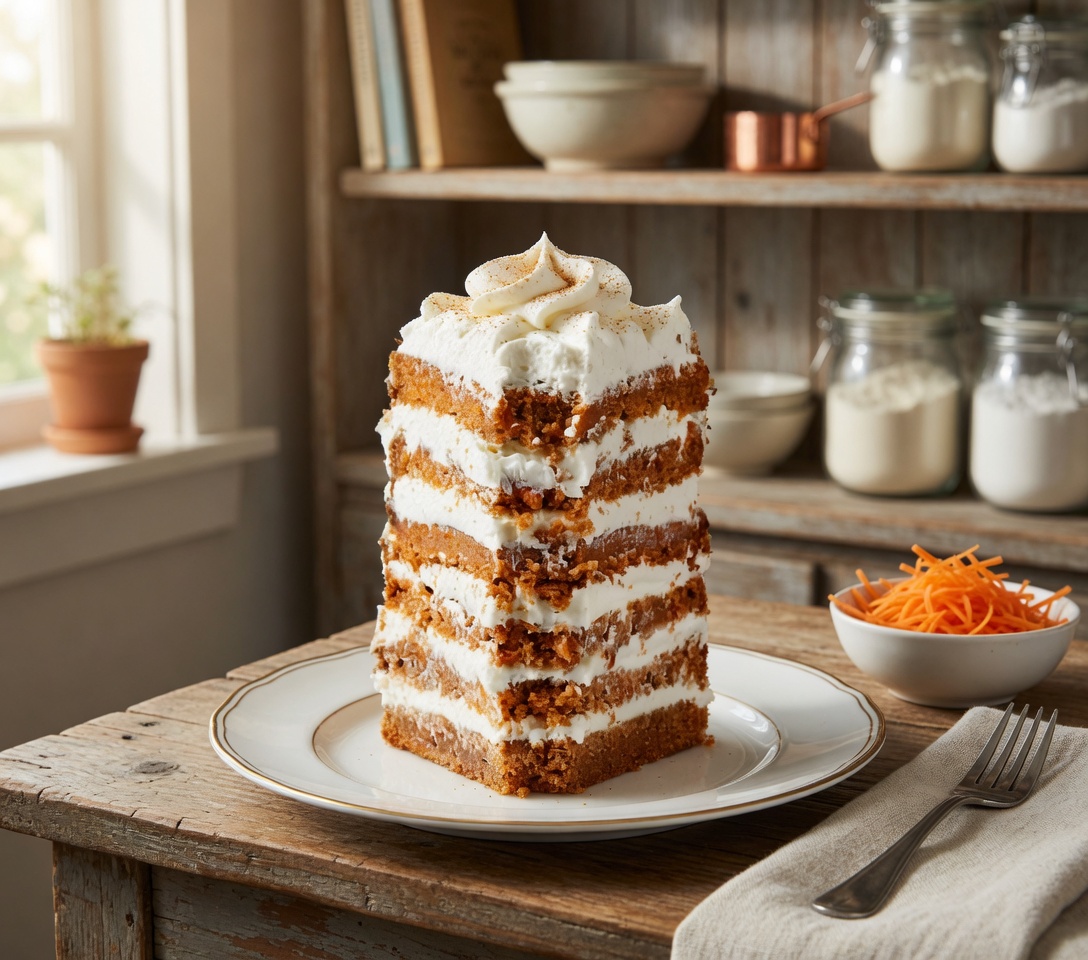
The Best Dairy-Free Gluten-Free Carrot Cake Recipe
This cake is moist and filled with spices and carrots. Yum!
10
servings1
hour30
minutes730
kcal1
hour30
minutesIngredients
- For the Cake
2 cups gluten-free 1-to-1 flour blend
2 tsp baking powder
½ tsp baking soda
1 tsp cinnamon
½ tsp ginger
¼ tsp nutmeg
½ tsp salt
½ cup olive oil
1 cup light brown sugar
1 tsp vanilla extract
3 eggs (room temperature)
½ cup unsweetened applesauce (room temperature)
2 cups shredded carrots
1 ½ cups walnuts, finely chopped (divided)
- For the Frosting
8 oz vegan cream cheese (room temperature)
½ cup vegan butter (room temperature)
4 cups powdered sugar (sifted)
1 tsp vanilla extract
Directions
- To Make the Cake
- Preheat oven to 350°F. Grease cake pans and line with parchment paper.
- Combine flour, baking powder, baking soda, cinnamon, ginger, nutmeg, and salt in a bowl. Set aside.
- Beat oil and sugar in an electric mixer for 2 minutes. Add vanilla and eggs, one at a time, mixing well.
- Alternate adding the dry mix and applesauce to the wet mixture. Mix until just combined.
- Fold in carrots and 3/4 cup walnuts.
- Divide batter into pans and bake for 25-30 minutes. Cool completely on a wire rack before frosting.
- To Make the Frosting
- Beat cream cheese until smooth. Add butter and mix until combined.
- Incorporate vanilla and powdered sugar gradually. Beat until fluffy.
- To Assemble
- Level cake layers and apply frosting between each layer.
- Coat the cake with a crumb layer of frosting. Chill for 30 minutes.
- Apply the final layer of frosting. Decorate with remaining walnuts.
- Chill for at least 30 minutes before serving.
Nutrition Facts
- Serving Size: 10 g
- Total number of serves: 10
- Calories: 730kcal
- Fat: 38g
- Saturated Fat: 7g
- Trans Fat: 1g
- Polyunsaturated Fat: 12g
- Monounsaturated Fat: 13g
- Cholesterol: 49mg
- Sodium: 461mg
- Potassium: 223mg
- Carbohydrates: 96g
- Fiber: 6g
- Sugar: 73g
- Protein: 9g