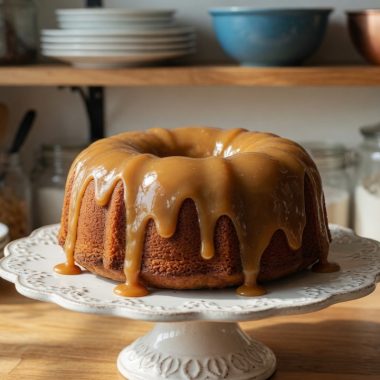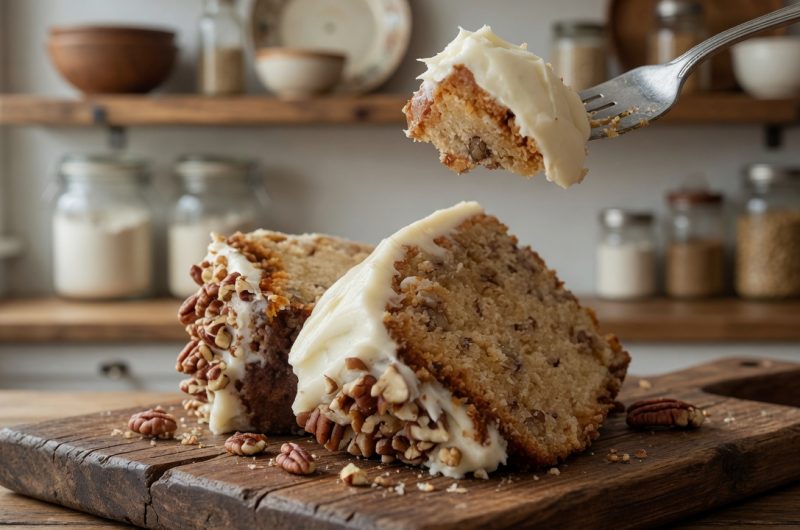
Butter pecan pound cake stands out among desserts because it combines the classic density of pound cake with the nutty richness of toasted pecans. The brown sugar adds a caramel-like sweetness that regular white sugar cannot match. Every slice offers a moist, tender crumb that melts in your mouth while the pecans provide satisfying crunch. The caramel glaze on top brings all the flavors together and adds a glossy, professional finish. This cake tastes like something from an expensive bakery but comes together in your own kitchen with basic ingredients and simple techniques.
Why Brown Sugar Works Better Than White
Light brown sugar contains molasses, which gives it a slight stickiness and deeper flavor than regular granulated sugar. This molasses content helps keep the cake moist for several days after baking. The brown sugar also contributes to the golden color of the crumb and pairs naturally with the pecans. Using a combination of brown and white sugar in this recipe creates the right balance of sweetness and moisture. The white sugar helps with the cake’s structure while the brown sugar focuses on flavor and texture. This two-sugar approach produces better results than using only one type.
Understanding Cake Flour Versus Regular Flour
Cake flour has less protein than all-purpose flour, which means it forms less gluten when mixed with liquid. Less gluten development creates a softer, more tender cake texture. The fine texture of cake flour also helps create a smooth, even crumb without large air pockets. If you only have all-purpose flour, you can substitute it, but the cake will be slightly denser and less delicate. For every cup of cake flour called for, use one cup of all-purpose flour minus two tablespoons, then add two tablespoons of cornstarch. Sift this mixture several times to lighten it.
Why Roasting Pecans Changes Everything
Raw pecans have a good flavor, but roasting them transforms their taste completely. Heat brings out the natural oils in the nuts and creates new flavor compounds that taste toasty and rich. Roasting pecans in butter rather than dry-roasting them adds another layer of flavor and helps them brown evenly. The butter coats each piece and conducts heat better than air alone. This step only takes about eight minutes but makes a huge difference in the finished cake. The roasted pecans stay slightly crunchy even after being mixed into the moist batter.
How Sour Cream Affects Cake Texture
Sour cream adds moisture to cakes without making the batter runny like milk would. The fat content in sour cream contributes to a tender crumb and rich taste. The acidity in sour cream also reacts with the baking powder to help the cake rise properly. This tanginess balances the sweetness from the sugars and complements the buttery flavor. Full-fat sour cream works best in this recipe, though low-fat versions can be used if needed. The thickness of sour cream helps maintain the proper batter consistency, which is important for pound cake texture.
Getting Butter to the Right Temperature
Softened butter should feel cool to the touch but leave an indentation when you press it with your finger. Butter that is too cold will not cream properly with the sugar and will leave you with a dense cake. Butter that is too warm or melted will not hold air bubbles and creates a greasy texture. Take butter out of the refrigerator about an hour before you plan to start baking. Cut it into smaller pieces to help it soften faster. Never microwave butter to soften it, as this melts the outside while leaving the inside cold.
The Importance of Creaming Butter and Sugar
Creaming butter and sugar together incorporates air into the mixture, which helps the cake rise and creates a light texture. This process should take three to five minutes with an electric mixer on medium speed. The mixture will change from yellow to a much paler color and will look fluffy rather than dense. The sugar crystals cut into the butter, creating tiny air pockets throughout. Scrape down the sides of the bowl several times during creaming to make sure everything mixes evenly. Rushing this step results in a heavier, denser cake.
Adding Eggs One at a Time
Adding eggs individually and beating after each one helps them incorporate smoothly into the creamed butter and sugar. This gradual method creates a stable mixture that holds together rather than separating. Room temperature eggs blend into the batter more easily than cold eggs straight from the refrigerator. If you forget to take eggs out ahead of time, place them in a bowl of warm water for five minutes. Make sure each egg completely disappears into the batter before adding the next one. The batter should look smooth and cohesive after all five eggs are added.
Alternating Dry and Wet Ingredients
The technique of alternating flour mixture and liquid mixture prevents overmixing and creates better texture. Start by adding about one-third of the dry ingredients and mixing on low speed just until combined. Then add half of the sour cream mixture and mix briefly. Continue this pattern, ending with the final portion of flour. Beginning and ending with dry ingredients helps prevent a tough texture. Mix only until you no longer see streaks of flour in the batter. Overmixing develops too much gluten, which makes the cake dense and rubbery instead of tender.
Folding in the Chopped Pecans
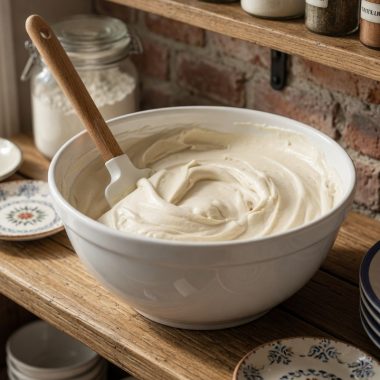
After mixing the batter, gently fold in the chopped roasted pecans by hand using a rubber spatula. Folding means cutting down through the center of the batter, scraping across the bottom, and bringing the spatula up along the side. This motion distributes the pecans evenly without deflating the air bubbles you worked to create. Mix just until the pecans are spread throughout the batter. Some pieces will sink to the bottom during baking, which is normal and creates nice texture throughout the cake. Save the remaining whole roasted pecans for decorating the top after glazing.
Preparing the Tube Pan Properly
A tube pan has a hollow center tube that helps thick batters like pound cake bake evenly all the way through. Grease the pan thoroughly with butter or shortening, making sure to coat the center tube and all the ridges. After greasing, dust the pan with flour and tap out the excess. This creates a barrier between the cake and the metal that prevents sticking. You can also use baking spray that contains flour for easier preparation. Take time to grease every surface well, as pound cake can be difficult to remove from the pan if it sticks.
Baking at the Right Temperature
This cake bakes at three hundred twenty-five degrees, which is lower than many cake recipes. The lower temperature allows the thick batter to bake through completely without the outside burning. Pound cakes need longer baking times at gentler heat to cook evenly from edge to center. Make sure your oven has fully preheated before putting the cake in. Use an oven thermometer to verify the actual temperature, as many ovens run hotter or cooler than the dial indicates. Avoid opening the oven door during the first forty-five minutes of baking, as this can cause the cake to sink.
Testing for Doneness
Start checking the cake at sixty minutes by inserting a wooden toothpick or cake tester into the thickest part. The tester should come out clean or with just a few moist crumbs attached. Wet batter on the tester means the cake needs more time. The top should be golden brown and spring back when lightly touched. The edges will begin pulling away slightly from the pan sides when done. If the top browns too quickly before the inside finishes baking, tent the cake loosely with aluminum foil. Different ovens may require anywhere from sixty to seventy minutes total.
Cooling the Cake Without Breaking It
Let the baked cake cool in the pan for exactly ten minutes before attempting to remove it. This cooling period allows the cake to firm up enough to hold its shape. Cooling too long causes the cake to stick to the pan. Run a thin knife around the edges and center tube to loosen any spots that might stick. Place a wire cooling rack over the top of the pan, then quickly flip the whole thing over. Lift the pan off carefully. If the cake resists, let it sit upside down for a minute and gently tap the pan.
Making Smooth Caramel Glaze
The caramel glaze starts by melting butter in a saucepan over medium heat. Add the brown sugar, cream, salt, vanilla, and corn syrup, stirring to combine everything. The corn syrup prevents the sugar from crystallizing and keeps the glaze smooth. Bring the mixture to a full boil, then reduce the heat and let it simmer gently for six minutes. This cooking time allows the glaze to thicken slightly and develop deeper flavor. The glaze will look thin while hot but thickens considerably as it cools. Stir occasionally while it cools to prevent a skin from forming on top.
Cooling the Glaze to the Right Consistency
The glaze needs to cool until it reaches a pourable but thick consistency that will coat the cake without running off completely. This usually takes about twenty to thirty minutes at room temperature. For faster cooling, pour the hot glaze into a shallow dish and refrigerate it, stirring every few minutes. The glaze should coat the back of a spoon and drip slowly rather than running off immediately. If the glaze gets too thick, warm it gently over low heat while stirring. Working with glaze at the right temperature makes decorating much easier and creates a better finish.
Applying the Glaze Evenly
Make sure both the cake and glaze have cooled before you start decorating. Spoon the glaze over the top of the cake, letting it drip down the sides naturally. You can also use a piping bag with the tip cut off for more control over where the glaze goes. Work slowly and let gravity help spread the glaze around the cake. The glaze will continue to thicken and set as it sits. Do not try to spread it with a spatula, as this can tear the cake surface. Let the glaze set for at least thirty minutes before adding the pecan topping.
Decorating with Remaining Pecans
Press the reserved whole roasted pecans gently into the glaze while it is still slightly soft. Arrange them in a pattern around the top of the cake or scatter them randomly for a rustic look. The pecans will stick to the glaze as it finishes setting. Using whole or halved pecans rather than chopped pieces creates a more attractive presentation. The nuts on top give people a preview of the flavor inside the cake. Once the glaze has fully set and the pecans are secure, the cake is ready to serve or store.
Storing for Maximum Freshness
This cake stays moist at room temperature for two to three days when stored properly. Place it under a cake dome or in an airtight container to prevent it from drying out. The glaze helps seal in moisture and keeps the cake fresh. Room temperature storage maintains the best texture, as refrigeration can make pound cake dry and firm. If you need to keep the cake longer than three days, refrigerate it for up to one week. Let refrigerated cake sit at room temperature for an hour before serving for the best flavor and texture.
Serving Suggestions
Cut thin slices of this rich cake, as the dense texture and sweet glaze make small portions satisfying. Serve it plain or with a dollop of whipped cream on the side. A scoop of vanilla ice cream pairs beautifully with the warm spices and pecans. This cake works well for holiday dinners, birthday celebrations, or potluck gatherings. The impressive appearance and delicious taste make it seem like you spent hours baking. Pair slices with coffee or tea for an afternoon treat. The cake also makes a thoughtful homemade gift when wrapped nicely.
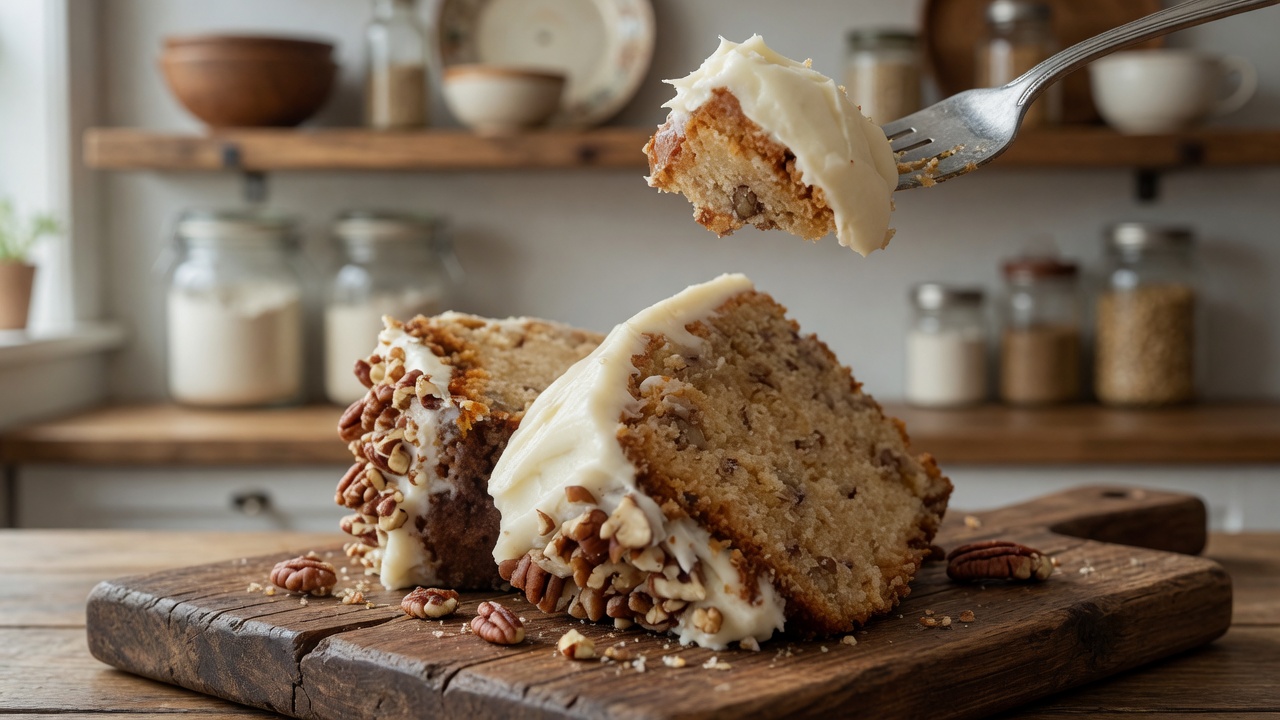
Butter Pecan Pound Cake
Moist, dense pound cake loaded with roasted butter pecans and topped with smooth caramel glaze. Rich brown sugar flavor throughout with a tender crumb.
15
servings30
minutes1
hour5
minutes1
hour35
minutesIngredients
- For the Buttered Pecans:
2½ cups whole pecans (285g)
3 tablespoons unsalted butter, melted (14g)
Pinch of salt (optional)
- For the Cake:
3 sticks unsalted butter, softened (339g)
1 cup white sugar (200g)
2 cups light brown sugar (400g)
5 large eggs, room temperature
3 cups cake flour (342g)
½ teaspoon baking powder (2g)
½ teaspoon salt (2g)
1 cup sour cream (242g)
⅓ cup milk (68g)
1 tablespoon vanilla extract (12g)
1½ cups finely chopped roasted pecans (165g)
- For the Caramel Glaze:
½ stick unsalted butter (57g)
1 cup light brown sugar (217g)
½ cup heavy cream (126g)
½ teaspoon salt (2g)
1 teaspoon vanilla extract (4g)
1 tablespoon light corn syrup (18g)
Directions
- Roast Pecans: Preheat oven to 350°F. Melt 3 tablespoons of butter on a baking sheet, add 2 ½ cups of pecans, toss to coat, and bake for 6-8 minutes. Chop 1 ½ cups of the roasted pecans finely.
- Prepare Cake: Grease and flour a tube pan. Preheat oven to 325°F. Whisk cake flour, salt, and baking powder together. Cream butter and sugars, then add eggs one at a time. Mix sour cream, milk, and vanilla. Alternate adding dry and wet ingredients to butter mixture. Fold in chopped pecans. Pour batter into the pan.
- Bake: Bake for 60-70 minutes until a toothpick comes out clean. Cool for 10 minutes in the pan, then turn out to cool completely.
- Make Glaze: Melt butter in a saucepan, add remaining glaze ingredients, bring to a boil, reduce to low, and simmer for 6 minutes. Let cool.
- Assemble: Pour cooled glaze over the cooled cake. Top with remaining pecans.