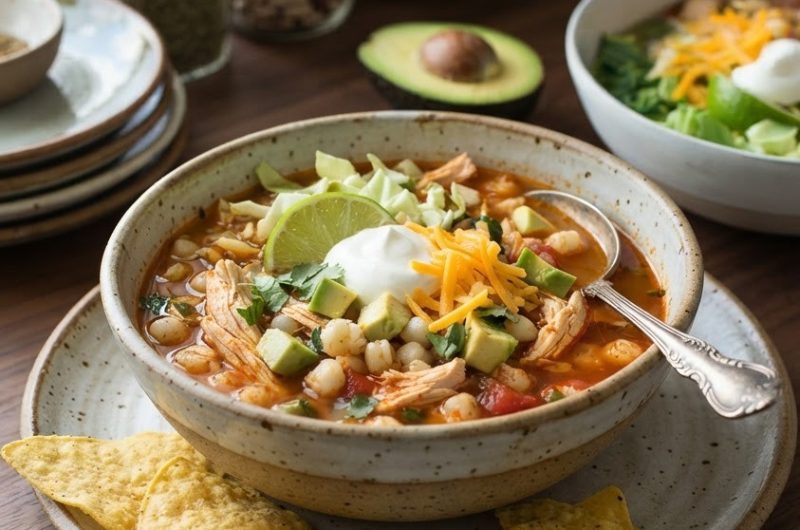
Chicken pozole verde represents a beloved Mexican soup that has been enjoyed for centuries across generations and regions. This vibrant green dish combines hominy, tender chicken, and a bright tomatillo-based sauce that delivers both comfort and sophistication. The name “pozole” comes from the Aztec word “pozolli,” which referred to the corn soup prepared during important celebrations and ceremonies. Today, pozole verde remains a staple at family gatherings, holidays, and festive occasions throughout Mexico and among Latin communities worldwide. The soup appeals to people seeking authentic Mexican flavors and traditional cooking methods that honor cultural heritage. Understanding the history and cultural importance of pozole verde helps you appreciate this recipe as more than just a meal—it represents tradition, family connection, and culinary artistry.
Why Hominy Forms the Essential Foundation
Hominy represents the heart of authentic pozole verde, providing the distinctive texture and flavor that defines this soup. Hominy is corn that has been specially treated with lime or lye, which changes its texture and nutritional profile while creating a unique taste. This ancient preparation method, used for thousands of years in Mesoamerica, makes the corn more digestible and allows your body to absorb more nutrients. The large, puffy kernels of hominy have a slight corn flavor with a tender, almost creamy texture when cooked. Store-bought canned hominy provides convenience and requires no special preparation beyond draining and rinsing. Frozen hominy offers another option that maintains better texture than some canned varieties. The hominy should be the dominant ingredient in terms of volume, creating a hearty base that makes the soup filling and satisfying.
Selecting Quality Chicken for Tender, Flavorful Results
Chicken thighs represent the ideal choice for pozole verde because they remain moist and flavorful during the extended simmering process. Unlike chicken breasts, which can become dry and stringy, thighs contain more fat and connective tissue that breaks down into gelatin, enriching the broth. Bone-in, skin-on chicken thighs deliver maximum flavor because the bones and skin add depth to the cooking liquid. Using approximately two pounds of chicken thighs provides adequate meat for a large batch while leaving space for other ingredients. The chicken should be cooked until completely tender, easily shredding with minimal effort. Removing the skin and bones before shredding makes the final dish cleaner while keeping that rich flavor in the broth. Some cooks prefer using bone-in chicken breasts, though these require careful cooking to prevent drying out.
Understanding Tomatillos and Their Unique Characteristics
Tomatillos, often confused with green tomatoes, are actually a completely different fruit with distinct flavor characteristics. These small, round fruits enclosed in papery husks provide the signature bright green color and tangy flavor of pozole verde. Fresh tomatillos have a slightly tart, citrusy taste that becomes more pronounced when cooked. The sourness of tomatillos balances the richness of the chicken and cream that some versions include. Purchasing firm tomatillos without blemishes ensures better flavor and texture in your finished soup. Removing the papery husk and rinsing the tomatillos before cooking eliminates any stickiness from the plant. If fresh tomatillos are unavailable, frozen tomatillos work reasonably well, though canned tomatillos sometimes contain added ingredients that affect taste. Using approximately two pounds of fresh tomatillos creates the proper balance with other ingredients.
Choosing the Right Chiles for Heat and Flavor
The chiles used in pozole verde provide both heat and complex flavor that distinguishes authentic versions from milder adaptations. Jalapeños are the most common choice for home cooks because they deliver manageable heat with fresh flavor. Serrano chiles offer more intense heat and slightly different flavor characteristics for those preferring spicier soup. Some traditional recipes use poblano chiles for milder heat with earthy undertones. The number of chiles should be adjusted based on personal heat tolerance and the specific variety chosen. Removing seeds and white membrane from inside the chiles reduces heat while maintaining flavor. Charring chiles briefly before adding to the soup intensifies and deepens their flavor profile. Fresh chiles are superior to dried or canned for this recipe because they provide the brightness and freshness essential to the dish.
Building Flavor with Aromatics and Seasonings
Onions and garlic form the aromatic base that underlies all the other flavors in pozole verde. Using both white and yellow onions provides complexity, though either can be used exclusively. Fresh garlic cloves, not powder, deliver superior flavor that permeates the entire pot as the soup simmers. Oregano, preferably Mexican oregano which has different flavor characteristics than Mediterranean oregano, adds herbal warmth. Fresh cilantro contributes brightness and freshness that balances the richness of the chicken and fat in the broth. Salt and black pepper round out the seasonings, though these should be adjusted to taste at the end. The combination of these aromatic elements creates the foundation upon which all other flavors rest.
Understanding Broth’s Role in Creating Rich Flavor
Chicken broth serves as the liquid foundation that carries and develops all the flavors in the soup. Using homemade chicken broth creates superior results compared to store-bought versions because of fresher taste and better control over salt levels. If using commercial broth, choosing low-sodium versions allows you to control final salt content. The broth should be good quality without excessive additives or artificial flavoring. Approximately three quarts of broth provides adequate liquid for cooking the chicken and creating the proper consistency. Some traditional recipes use water instead of broth, which means the chicken and aromatics must provide all the flavor. The broth should simmer gently rather than boiling vigorously, which toughens the chicken and causes excessive evaporation.
The Critical Blending Step That Creates Green Sauce
The blending of cooked tomatillos, onions, chiles, and garlic creates the bright green sauce that defines pozole verde. Removing these cooked vegetables from the pot and transferring them to a blender ensures proper texture and prevents over-processing other ingredients. Adding fresh cilantro to the blender at this point incorporates it into the sauce rather than adding it as a garnish. Using one cup of cooking liquid when blending maintains the proper sauce consistency while incorporating the flavors developed during simmering. Blending until completely smooth creates a velvety sauce without visible vegetable pieces. Some people prefer a slightly chunky sauce with more texture, which requires less blending time. The finished sauce should be vibrant green and thick enough to coat a spoon.
Proper Shredding Technique for Tender Chicken
Shredding the cooked chicken into small, delicate pieces requires a gentle touch and proper technique. Removing the chicken from the hot broth to a cutting board prevents it from overcooking as you work. Using two forks, one to hold the chicken steady and one to shred, creates tender pieces without mangling the meat. Shredding along the grain of the muscle creates longer, more attractive pieces. The chicken pieces should be small enough to easily pick up with a spoon but large enough to provide satisfying bites. All skin and bones should be removed before shredding, though some bones can be left in if you prefer more challenge during eating. The shredded chicken should be tender enough to fall apart with gentle pressure from your fork.
Bringing All Elements Together in the Final Simmer
Combining the shredded chicken, green sauce, and hominy in the original pot allows all flavors to meld and develop. The final fifteen-minute simmer gives the sauce time to coat the chicken and hominy while flavors integrate. During this simmering, the soup may thicken as the sauce coats the ingredients. Tasting and adjusting seasonings at this point ensures the final flavor matches your preferences. Some people add fresh lime juice during this stage to brighten the flavors. The soup should be hot but not violently boiling, which can cause ingredients to break apart. The final consistency should be thick with broth but not so thick that it’s more stew than soup.
Understanding Traditional Toppings and Their Purposes
Toppings represent one of the most enjoyable aspects of eating pozole verde, allowing each person to customize their bowl. Chopped white onions add crunch and sharp flavor that contrasts with the soft, cooked ingredients. Lime wedges allow diners to adjust tartness to their preference by squeezing juice directly into their bowl. Sliced radishes contribute peppery crunch that adds interest to every bite. Fresh cilantro leaves add herbal freshness and beautiful color. Mexican oregano, sometimes called oregano de castilla, provides aromatic warmth different from the dried oregano used in cooking. Thinly sliced cabbage adds crunch and slight sweetness that balances other flavors. Setting out multiple topping options allows guests to create their perfect bowl.
Storage Methods for Extended Enjoyment
Proper storage extends the life of your pozole verde while maintaining quality and food safety. Storing in airtight containers in the refrigerator keeps the soup fresh for up to five days. Pozole verde freezes remarkably well for up to three months, allowing you to enjoy it long after cooking. Cooling the soup completely before freezing prevents condensation that creates ice crystals. Freezing in portion-sized containers allows you to thaw only what you need. Thawing in the refrigerator overnight before reheating prevents uneven heating and maintains quality. Reheating on the stovetop at medium heat allows flavors to warm through without boiling, which can degrade texture.
Creating Variations While Honoring Tradition
While respecting authentic pozole verde, creative variations allow personal expression and dietary accommodations. Using enchilada sauce instead of making fresh green sauce creates a shortcut version that still tastes delicious. Creating your own sauce with guajillo chiles produces a richer, deeper flavor profile. Adapting the recipe for slow cooker preparation allows flavors to meld over hours while you attend to other tasks. Some cooks add cream or sour cream to create a richer, more indulgent version. Using turkey instead of chicken provides a leaner protein alternative. Adding beans like pinto or black beans increases nutrition and creates heartier soup. Adding homemade or store-bought salsa verde creates another shortcut approach.
Why Pozole Verde Remains Popular Across Generations
The enduring popularity of pozole verde stems from its combination of authentic flavor, relative ease of preparation, and adaptability to different preferences. The soup brings people together around the table, creating opportunities for connection and conversation. Making pozole verde honors cultural traditions while introducing younger generations to ancestral recipes. The ingredients are relatively accessible in most areas, making the recipe inclusive rather than requiring specialty shopping. The soup improves over time as flavors develop, making it perfect for batch cooking. The flexibility to customize with toppings ensures everyone can create their perfect bowl. Understanding why pozole verde remains beloved helps you appreciate the recipe’s importance beyond simple cooking.
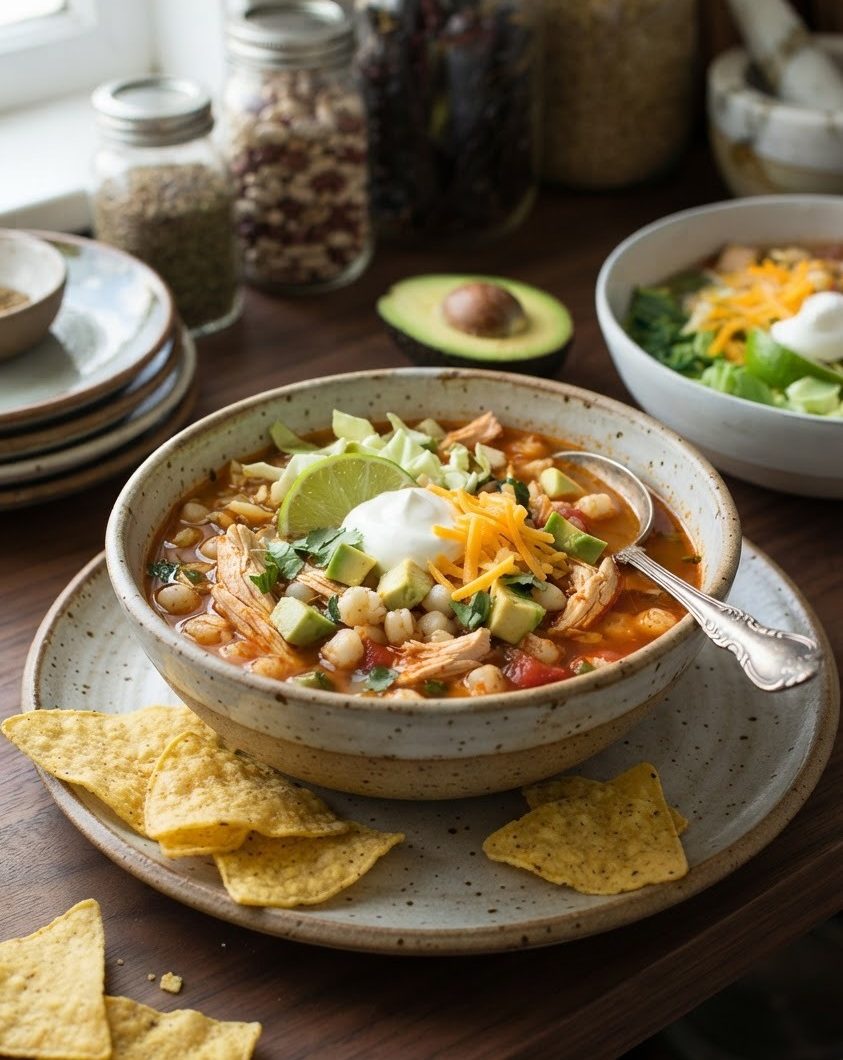
Chicken Pozole
Delight in the savory allure of Chicken Pozole, a cherished Mexican classic brimming with robust flavors and comforting warmth.
10
minutes1
hour250
kcal1
hour10
minutesIngredients
2 pounds boneless, skinless chicken thighs
1 pound tomatillos, husks removed and rinsed
1 large onion, chopped
3 jalapeño peppers, halved (seeds removed for milder heat)
2 cloves garlic
1 tablespoon dried oregano (opt for Mexican oregano for authenticity)
1 teaspoon kosher salt
6 cups broth (chicken or vegetable)
1 handful cilantro, stems and leaves
2 (15-ounce) cans white hominy, drained and rinsed
Toppings: lime wedges, sliced radishes, Mexican oregano, thinly shredded cabbage, diced onions, cilantro
Directions
- Cooking: In a large pot or Dutch oven, combine chicken thighs, tomatillos, onion, jalapeños, garlic, oregano, salt, and broth. Bring to a boil over high heat, then reduce to low. Partially cover and simmer for 40 minutes until chicken is tender.
- Shredding: Transfer chicken to a cutting board and shred using a fork. Set aside.
- Blending: Using a slotted spoon, carefully transfer cooked tomatillos, onions, jalapeños, and garlic to a blender. Add a cup of cooking liquid and cilantro. Blend until smooth.
- Simmering: Pour blended mixture back into the pot. Stir in shredded chicken and hominy. Simmer over medium-high heat for 15 minutes, uncovered. Adjust seasoning if needed.
- Serving: Garnish with lime wedges, shredded cabbage, sliced radishes, cilantro, diced onions, and Mexican oregano. Serve hot and enjoy the flavors of Mexico.
Nutrition Facts
- Calories: 250kcal
- Fat: 6g
- Carbohydrates: 24g
- Fiber: 4g
- Sugar: 7g
- Protein: 24g
- Calcium: 42mg
- Iron: 2mg