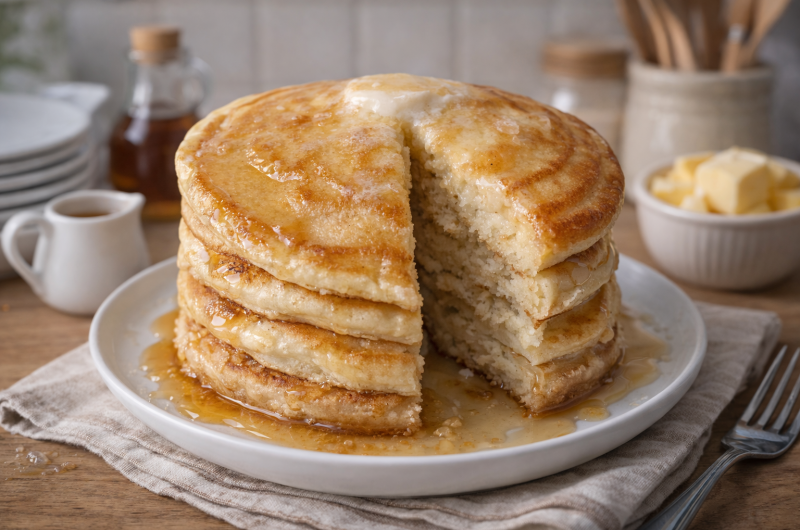
Sourdough protein pancakes represent a modern approach to breakfast that honors traditional fermentation methods while incorporating contemporary nutritional understanding. These pancakes combine the digestibility benefits of sourdough fermentation with added protein that transforms them from a simple carbohydrate source into a complete, satisfying meal.
The beauty of this recipe lies in how it merges ancestral food preparation techniques with current wellness trends. Unlike conventional pancakes that often leave you hungry within a couple hours, these protein-enriched pancakes provide sustained energy throughout your morning. The sourdough base contributes beneficial probiotics from fermentation while the added protein powder ensures adequate macronutrient balance. Understanding why this combination works helps you appreciate the recipe’s design and feel confident serving these pancakes to your family.
Why Sourdough Fermentation Improves Digestion and Nutrient Absorption
Sourdough fermentation creates a complex biological process that fundamentally changes how your body interacts with bread and grain products. During fermentation, wild yeast and lactobacilli bacteria work together to break down carbohydrates and proteins in the flour. This natural breakdown process makes gluten more digestible and reduces anti-nutrients like phytic acid that can interfere with mineral absorption. The long fermentation time allows beneficial bacteria to develop, which survive baking and provide probiotic benefits when consumed.
People who struggle digesting regular bread often find sourdough much easier on their stomach because the fermentation does some of the digestive work before the food even enters your body. The tangy flavor in sourdough comes from lactic acid produced during fermentation, which adds complexity and improves shelf life without requiring preservatives. This is why many people with mild wheat sensitivity can tolerate sourdough when they cannot digest regular bread.
The Nutritional Role of Collagen Protein in Modern Diets
Collagen protein has gained popularity in recent years because research increasingly confirms its benefits for joint health, skin quality, and overall connective tissue function. Unlike other proteins that contain all essential amino acids, collagen specifically provides glycine, proline, and hydroxyproline in concentrated amounts. These amino acids are particularly important for maintaining healthy joints, skin elasticity, and gut integrity. Collagen sourced from grass-fed cattle provides additional benefits compared to grain-fed sources because grass-fed cows contain higher levels of beneficial fatty acids.
The protein powder adds structural integrity to the pancake batter, helping create that fluffy texture while ensuring adequate protein content. Using collagen specifically, rather than other protein powders, means you’re getting targeted support for aspects of health that daily diets often lack. Grass-fed collagen represents a form of nose-to-tail eating that uses parts of the animal that might otherwise be wasted.
Selecting Quality Eggs for Superior Pancake Results
Free-range or pasture-raised eggs deliver noticeably better flavor and nutrition compared to conventional cage eggs. These eggs have richer yolks with deeper yellow or orange color, indicating higher levels of beneficial compounds like lutein and zeaxanthin. The taste difference becomes apparent when you’re making something as simple as pancakes where egg flavor isn’t masked by heavy sauces or seasonings. Eggs at room temperature blend more smoothly into batter and create lighter, fluffier pancakes than cold eggs straight from the refrigerator. The fat in egg yolks contributes to pancake tenderness while the protein helps create structure. Using the highest quality eggs available ensures you’re getting genuine nutrition rather than just calories. Sourcing eggs from local farms when possible supports sustainable agriculture while ensuring maximum freshness.
Understanding Almond Milk and Milk Alternatives in Baking
Almond milk represents just one option among many milk alternatives that work beautifully in pancake batter. The choice between different milks affects flavor, texture, and nutritional profile slightly. Almond milk provides a neutral flavor that doesn’t compete with the sourdough’s tanginess, making it an excellent choice for this recipe. Other options like oat milk create slightly thicker batter and a more subtle sweetness. Coconut milk adds tropical notes that might overpower the sourdough flavor. The fat content in different milk alternatives affects pancake texture—higher fat milks create creamier results. Temperature matters less with milk alternatives than with traditional dairy milk since they don’t require the same tempering considerations. Choosing unsweetened versions prevents adding unnecessary sugar that could affect overall recipe balance.
Exploring Sourdough Pancake and Waffle Mix Components
A quality sourdough pancake mix already contains fermented flour that provides the distinctive tangy flavor and digestive benefits. These premade mixes save time while ensuring you get proper fermentation benefits that you couldn’t achieve by simply adding sourdough starter to regular flour. The mix typically includes other ingredients like salt and sometimes leavening agents that work together to create optimal results. Using only two-thirds cup of mix prevents your pancakes from becoming too thick or dense. The ratio of mix to wet ingredients is carefully balanced to create batter with proper consistency. Higher quality mixes use stone-ground flour and minimal additives, which produce better flavor and texture. Reading ingredient labels helps you select mixes that align with your values regarding processing and ingredient sourcing.
How Coconut Oil Enhances Pancake Flavor and Health Benefits
Coconut oil serves multiple functions in pancake batter beyond simply providing fat for cooking. When used in the batter itself, coconut oil contributes a subtle tropical sweetness that complements the sourdough’s tanginess. The medium-chain triglycerides in coconut oil provide quick energy, making these pancakes particularly good for post-workout meals. Coconut oil remains solid at room temperature, which affects how it incorporates into batter differently than liquid oils. Using refined coconut oil rather than virgin varieties prevents strong coconut flavor from dominating the sourdough taste. The oil helps create tender pancakes by coating gluten strands and preventing excessive gluten development. For cooking the pancakes on the griddle, using grass-fed butter or the same coconut oil ensures flavor consistency throughout preparation.
The Science Behind Fluffy Pancake Texture
Creating fluffy pancakes involves understanding how various ingredients contribute to aeration and rise. The eggs help trap air bubbles while the protein powder adds structure that holds those bubbles stable during cooking. Proper mixing technique is crucial—overmixing develops gluten too much, creating dense rather than fluffy pancakes. The batter should be mixed just until ingredients combine, leaving some small lumps that will smooth out during cooking. The sourdough mix may already contain leavening agents that create lift, so additional baking powder is typically unnecessary. Heat management during cooking affects fluffiness significantly—proper medium-high heat creates the right speed for the center to cook through while the outside browns beautifully. Resisting the urge to flip pancakes too early ensures they develop enough structure to hold their shape.
Understanding Griddle Temperature and Pancake Browning
The temperature at which you cook pancakes dramatically affects the final result. Medium-high heat represents the sweet spot that allows proper browning while cooking the interior through. If your heat is too low, pancakes cook slowly and become dry before developing attractive color. If too high, the outside browns before the inside cooks completely. Testing the griddle temperature by dropping a small bead of water is more reliable than guessing. The water should sizzle immediately and evaporate quickly. Adjusting heat during cooking becomes necessary sometimes—if pancakes are browning too quickly, reduce heat slightly. The timing of when to flip matters almost as much as heat level. Flipping too early before the edges have set enough causes pancakes to tear or flip awkwardly.
Proper Techniques for Even Browning and Cooking
Using consistent amounts of batter—approximately three tablespoons per pancake—ensures even cooking across your batch. Pouring batter onto the hot griddle should create a sizzle sound indicating proper temperature. Leaving proper spacing between pancakes prevents them from crowding together and cooking unevenly. Watching the surface carefully as bubbles begin to form indicates when the bottom is set enough to flip. Once flipped, the second side cooks faster than the first because the top surface has already started cooking. Golden-brown color is the ideal endpoint, though some people prefer slightly darker pancakes. Stacking cooked pancakes on a warm plate keeps them heated while you finish cooking the remaining batch.
Enzyme and Nutrient Benefits of Fresh Ginger Variations
Although ginger isn’t mentioned in the base recipe, many people enjoy adding it to sourdough protein pancakes. Fresh ginger provides digestive enzymes that support the already-improved digestibility of sourdough. Adding ginger powder or fresh grated ginger to the batter creates warming spice notes that complement the sourdough tang. Just a quarter teaspoon prevents overpowering the delicate flavors while providing noticeable digestive benefits. Fresh ginger pairs beautifully with maple syrup toppings and adds sophistication to the finished dish. The combination of sourdough fermentation, protein, and ginger creates a breakfast designed to support both digestive health and sustained energy.
Making Ahead and Storage Strategies for Busy Mornings
Preparing pancake batter the night before removes morning preparation time while allowing sourdough flavors to develop slightly more. Storing batter in an airtight container in the refrigerator keeps it fresh and ready for quick cooking. The batter remains usable for several days, making this an excellent strategy for meal planning. Precooked pancakes can be refrigerated for three to four days, eliminating the need to cook fresh pancakes daily. Freezing offers even longer storage, allowing you to maintain a stock of ready-to-eat pancakes. The parchment paper between stacked pancakes prevents them from sticking together during freezing. Thawing overnight in the refrigerator before reheating ensures gentle, even warming.
Reheating Methods That Preserve Pancake Quality
Various reheating methods work depending on how much time you have and what equipment is available. A griddle or skillet with butter creates the most authentic reheating experience, developing warmth and slight crispiness on the exterior. A toaster works wonderfully for reheating frozen pancakes, creating an exterior texture that mimics fresh-cooked results. Microwave reheating works but tends to create softer, less appealing texture. Whatever method you choose, ensuring pancakes are heated completely through prevents any cold spots in the center. Adding fresh toppings after reheating rather than before ensures they maintain their quality and appeal.
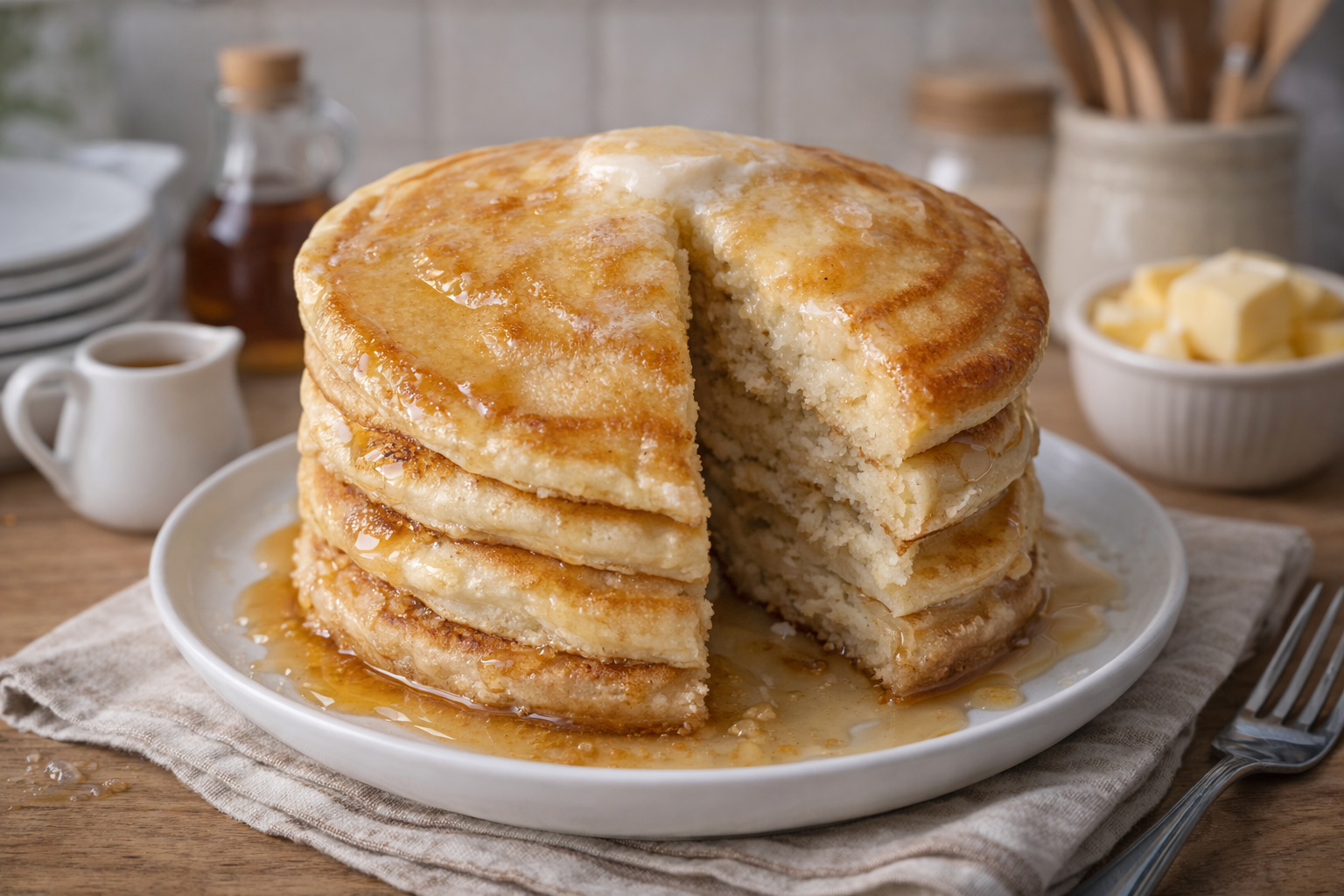
Sourdough Protein Pancakes
The unique combination of sourdough’s probiotic benefits and collagen’s joint-supporting properties makes this breakfast choice that supports your overall wellness. Perfect for anyone seeking a nutritious, delicious breakfast that keeps them satisfied for hours.
3
Pancakes5
minutes10
minutes196
kcal15
minutesIngredients
2/3 cup Activated Sourdough Pancake & Waffle Mix
2/3 cup Almond Milk (or your preferred milk)
2 large, pasture-raised eggs
1 scoop of Collagen Protein Powder (or protein powder of choice)
Grass-fed butter or favorite oil for cooking
Directions
- Mix the Wet Ingredients: In a medium bowl, whisk together the eggs, almond milk, and oil until well blended.
- Add the Protein Powder: Mix in one scoop of your preferred protein powder until incorporated.
- Combine with Sourdough Mix: Add 2/3 cup of the sourdough pancake and waffle mix to the wet ingredients. Stir gently until just combined, taking care not to over-mix.
- Preheat the Skillet: Heat a skillet over medium-high heat and lightly grease it with grass-fed butter or your preferred oil.
- Cook the Pancakes: Pour approximately 3 tablespoons of batter onto the hot skillet for each pancake. Cook until the edges bubble and the pancake begin to puff up (about 1-2 minutes).
- Flip the Pancakes: Flip the pancakes and cook the other side for an additional minute or until golden brown.
- Serve and Enjoy: Remove the pancakes from the skillet and serve with your favorite toppings such as maple syrup, honey, or fresh fruit.
Nutrition Facts
- Calories: 196kcal
- Fat: 6g
- Sodium: 297mg
- Carbohydrates: 23g
- Fiber: 4g
- Sugar: 0g
- Protein: 12g