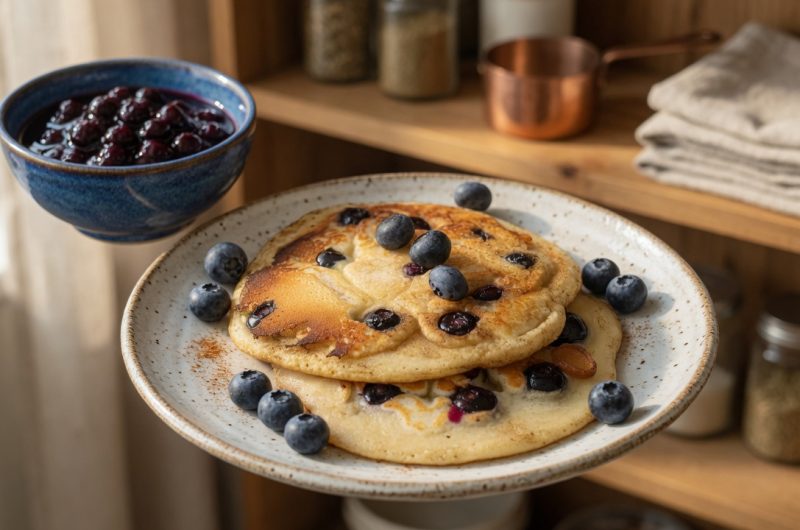
The secret to fluffy blueberry pancakes lies in the combination of baking powder and baking soda working together. Baking powder makes the pancakes rise and become light and airy. Baking soda reacts with the buttermilk to create additional lift and tenderness. Using both leavening agents creates pancakes that are taller and softer than those made with just one. The buttermilk also adds moisture and a slight tangy flavor that balances the sweetness. These ingredients work together to create the perfect fluffy texture everyone loves in a great pancake.
Making Homemade Buttermilk
You can create buttermilk at home using just milk and white vinegar. Mix three-quarters cup of regular milk with two tablespoons of white vinegar in a small bowl. Let this mixture sit for two to three minutes before using it. The acid in the vinegar causes the milk to curdle slightly and thicken. This creates a substitute that works just as well as store-bought buttermilk in pancake recipes. The tanginess from the vinegar adds flavor and helps activate the baking soda. This simple trick means you can make pancakes anytime without keeping buttermilk in your refrigerator.
Understanding Your Dry Ingredients
All-purpose flour provides the structure that holds the pancakes together. Granulated sugar adds a touch of sweetness without making the pancakes taste like dessert. Baking powder and baking soda are both leavening agents that make the pancakes rise. Salt enhances all the other flavors and prevents the pancakes from tasting flat. Whisking these dry ingredients together before adding liquid ensures even distribution. This step prevents pockets of baking powder or salt in your finished pancakes. Taking time to mix the dry ingredients well leads to better results.
Preparing the Wet Ingredients
Beat one large egg in a separate bowl before adding the other wet ingredients. The beaten egg helps create a smooth batter without egg streaks. Add the prepared buttermilk mixture and two tablespoons of melted butter to the egg. Whisk everything together until the mixture looks uniform and slightly foamy. The melted butter adds richness and helps prevent the pancakes from sticking to the pan. Make sure the melted butter has cooled slightly so it does not cook the egg. Room temperature ingredients mix together more easily than cold ones.
Mixing the Batter Correctly
Pour the wet ingredients into the bowl with the dry ingredients all at once. Use a wooden spoon or rubber spatula to gently fold the mixtures together. Stir just until you no longer see dry flour at the bottom of the bowl. The batter should still look lumpy with some small clumps of flour remaining. Overmixing develops the gluten in the flour, which makes pancakes tough and rubbery instead of tender. A few lumps in the batter are actually a good sign that you have not overmixed. The lumps will disappear during cooking and your pancakes will be tender.
Selecting Fresh Blueberries
Fresh blueberries work better than frozen ones in this pancake recipe. Fresh berries hold their shape and do not release as much juice into the batter. Look for blueberries that are firm, plump, and have a deep blue color. Avoid berries that look shriveled or have started to leak juice. Rinse the blueberries gently and pat them completely dry before using. Wet blueberries can make the batter too thin and may sink to the bottom. You need at least one cup of blueberries, but you can use more if you love extra fruit in your pancakes.
Heating Your Pan Properly
Use a nonstick skillet or griddle for the easiest pancake cooking experience. Heat the pan over medium heat for several minutes before adding any batter. Test if the pan is ready by sprinkling a few drops of water on the surface. The water should sizzle and evaporate quickly when the pan is hot enough. Add a small amount of butter to the pan and let it melt completely. Swirl the pan to coat the bottom evenly with the melted butter. The butter should foam but not turn brown or start smoking.
Portioning the Batter
Use a measuring cup or ladle to pour about one-third cup of batter onto the hot pan. This amount creates pancakes that are about four inches across when cooked. Leave enough space between pancakes so they do not touch and merge together. You can usually cook three or four pancakes at once in a large skillet. Pour the batter slowly onto the pan to create round shapes. If the batter spreads too much, it may be too thin and you can add a little more flour. If it does not spread at all, gently tap the pan or use a spatula to spread it slightly.
Adding Blueberries to Each Pancake
Drop blueberries onto the top of each pancake immediately after pouring the batter. Use about ten to fifteen blueberries per pancake depending on how fruity you want them. Scatter the berries across the surface rather than dumping them all in one spot. Adding berries to the top rather than mixing them into the batter prevents them from sinking. The berries will get partially embedded in the pancake as it cooks. Some berries may burst and release juice, which creates pretty purple streaks in the pancakes.
Knowing When to Flip
Watch the surface of each pancake for small bubbles to start forming. These bubbles will appear after about two to three minutes of cooking. The edges of the pancake should look dry and set rather than wet and shiny. When bubbles form across most of the surface and begin to pop, the pancake is ready to flip. Some bubbles should stay open rather than filling back in with batter. The bottom should be golden brown when you lift the edge with a spatula. Flipping too early results in raw centers while flipping too late creates overly dark pancakes.
Flipping and Finishing
Slide your spatula under the entire pancake to make sure it is not stuck to the pan. Quickly but carefully flip the pancake in one smooth motion. The second side cooks faster than the first, usually taking only one to two minutes. The pancake is done when both sides are golden brown and the center springs back when touched. You can check doneness by gently pressing the center with your finger. If it feels firm and springs back, the pancake is cooked through. If it feels soft or leaves an indentation, cook for another thirty seconds.
Keeping Pancakes Warm
Keep finished pancakes warm in a low oven while you cook the remaining batches. Preheat your oven to two hundred degrees Fahrenheit. Place cooked pancakes on an oven-safe plate or baking sheet. Cover them loosely with aluminum foil to prevent them from drying out. The low oven temperature keeps pancakes warm without continuing to cook them. You can keep pancakes warm in the oven for up to thirty minutes. This method ensures everyone can eat hot pancakes at the same time instead of in batches.
Serving Suggestions
Serve these blueberry pancakes immediately while they are hot and fluffy. Top each stack with a pat of butter that will melt into the warm pancakes. Drizzle pure maple syrup generously over the top, letting it run down the sides. The combination of butter and syrup enhances the flavor without overpowering the blueberries. Some people enjoy these pancakes plain because they are so flavorful on their own. You can also add whipped cream, additional fresh blueberries, or a dusting of powdered sugar. Serve with crispy bacon or sausage links for a complete breakfast.
Using Berry Alternatives
Fresh raspberries make an excellent substitute if you do not have blueberries available. Raspberries are more delicate and may break apart more easily during cooking. Blackberries work well but are larger, so you may need fewer per pancake. Strawberries should be diced small since whole berries are too big. Chocolate chips are a popular non-fruit alternative that kids especially enjoy. Use the same amount of chocolate chips as you would blueberries. Any of these substitutions create delicious variations on the basic recipe.
Adjusting Pancake Thickness
The amount of milk you use affects how thick or thin your pancakes will be. Using exactly three-quarters cup of milk creates thick, fluffy pancakes. Adding a little more milk, up to one cup total, makes thinner, lighter pancakes. Thicker pancakes take slightly longer to cook through the center. Thinner pancakes cook faster but may not be quite as fluffy. Start with the recipe as written and adjust the milk next time based on your preference. Remember that the batter will thicken slightly as it sits due to the flour absorbing liquid.
Making Dairy-Free Pancakes
Substitute almond milk, oat milk, or any other non-dairy milk for the regular milk. You still need to add the vinegar to create the buttermilk substitute. Use melted coconut oil instead of melted butter in the batter. Cook the pancakes in coconut oil or vegetable oil instead of butter. These simple swaps make the pancakes suitable for people who avoid dairy. The flavor will be slightly different but the pancakes will still be fluffy and delicious. Make sure your non-dairy milk is unsweetened to keep the sugar level consistent with the recipe.
Preventing Burning
Cook pancakes over medium heat rather than high heat for even cooking. High heat burns the outside before the inside cooks through. If your pancakes are browning too quickly, reduce the heat slightly. Make sure your pan is evenly heated before adding batter. Hot spots in the pan can cause uneven browning. Use a heavy-bottomed pan or griddle that distributes heat evenly. Clean any burnt butter from the pan between batches and add fresh butter. These steps ensure all your pancakes cook evenly and look golden brown.
Storing Leftover Pancakes
Let any leftover pancakes cool completely to room temperature. Stack the cooled pancakes with pieces of parchment paper between each one. Place the stack in an airtight container or freezer bag. Store in the refrigerator for up to three days or in the freezer for up to two months. Reheat refrigerated pancakes in the toaster, microwave, or oven. Frozen pancakes can go straight into the toaster from the freezer. This makes weekday breakfasts quick and easy when you batch cook pancakes on the weekend.
Doubling the Recipe
This recipe doubles easily if you need to feed a crowd or want extra leftovers. Use a large mixing bowl to accommodate the increased batter volume. You may need to work in batches unless you have a very large griddle. Keep finished pancakes warm in the oven as described earlier. The cooking time for each individual pancake stays the same even when you double the recipe. Doubled recipes are perfect for brunch gatherings or meal prep for the week ahead
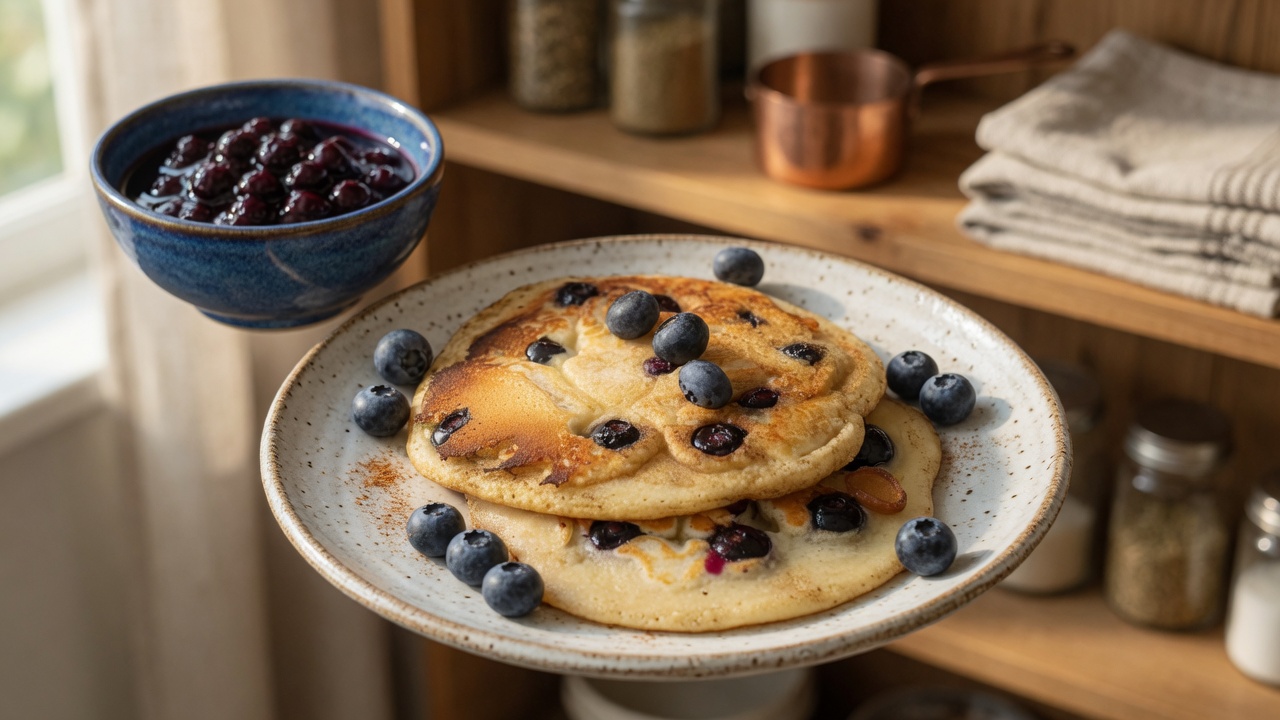
Fluffiest Blueberry Pancake
Super thick and fluffy blueberry pancakes that melt in your mouth, golden brown, and bursting with blueberries.
10
minutes10
minutes509
kcal20
minutesIngredients
3/4 cup milk
2 tablespoons white vinegar
1 cup all-purpose flour
2 tablespoons granulated sugar
1 teaspoon baking powder
1/2 teaspoon baking soda
1/2 teaspoon salt
1 large egg
2 tablespoons melted butter
1+ cup fresh blueberries
Additional butter for the pan
Directions
- Combine milk and vinegar; let sit for 2-3 minutes.
- Whisk flour, sugar, baking powder, baking soda, and salt in a bowl.
- In another bowl, beat the egg, add buttermilk and melted butter, and mix well.
- Combine wet and dry ingredients until just mixed.
- Heat a nonstick skillet over medium heat, melt a little butter.
- Pour 1/3 cup batter onto the skillet, add blueberries on top.
- Cook until bubbles form and edges set, flip and cook until golden brown.
- Serve warm with butter and maple syrup.
Nutrition Facts
- Calories: 509kcal
- Carbohydrates: 77.9g
- Fiber: 3.6g
- Protein: 13.9g