High-protein cottage cheese bread represents a modern approach to traditional bread baking, combining minimal ingredients with straightforward preparation to create moist, fluffy loaves suitable for sandwiches, toasting, or enjoying with favorite spreads. This recipe eliminates the complexity of yeast-based breads by using baking powder for leavening, making it accessible to bakers of all experience levels. The cottage cheese base delivers six grams of protein per slice, transforming ordinary bread into a nutritious staple that outperforms store-bought alternatives. The five-ingredient formula proves that quality bread need not require complicated techniques, special equipment, or long rising times. The finished loaves taste indistinguishable from traditional homemade bread despite the simplified preparation, satisfying those seeking delicious results without excessive effort. Whether you are new to bread baking or seeking quick alternatives to yeast-based recipes, this cottage cheese bread delivers impressive results consistently.
Understanding the Role of Flour in Bread Structure
All-purpose flour serves as the primary ingredient that provides structure, texture, and body to this cottage cheese bread. The flour’s gluten content develops during mixing, creating the network that traps moisture and gives bread its characteristic crumb structure. Proper flour measurement is crucial because too much flour creates dense, dry bread while insufficient flour produces crumbly results. Spooning flour into measuring cups and leveling with a knife provides accuracy superior to directly scooping from the bag, which compacts flour and results in over-measurement. The three cups of flour specified has been calibrated to work with the cottage cheese and milk proportions in this recipe. Understanding flour’s importance helps bakers make informed substitutions and adjust recipes when needed.
Baking Powder and Salt as Essential Leavening and Flavoring
One and a half tablespoons of baking powder serves as the leavening agent that creates rise during baking without requiring yeast fermentation or extended proofing time. The baking powder releases carbon dioxide when combined with moisture, creating the light, airy crumb characteristic of quality bread. One and a quarter teaspoons of salt enhances all flavors while strengthening gluten structure and controlling fermentation speed. These ingredients work synergistically to develop flavor and texture, making both essential rather than optional. If using self-rising flour, which already contains baking powder and salt, both ingredients should be omitted to avoid excessive leavening that creates overly light, fragile bread.
Milk Selection and Its Impact on Bread Texture
One and a half cups of milk provides moisture necessary for gluten development and creates the correct dough consistency. Any milk type works acceptably: whole milk creates richest flavor, while low-fat or skim milk produce lighter results with less fat content. Plant-based alternatives including unsweetened soy or almond milk work well for those preferring dairy-free options, though unsweetened varieties prevent unwanted sweetness. The milk type affects dough consistency slightly; different brands have varying water content, which may require minor adjustments to achieve proper consistency. Milk that is too warm or too cold affects dough development, so room temperature milk is preferable for consistent results.
Cottage Cheese as the Protein and Moisture Foundation
Two percent cottage cheese provides the protein boost that distinguishes this bread from plain varieties while contributing moisture that keeps the loaf tender and fresh. The cottage cheese curds should not be drained or blended; leaving them intact creates pockets of cheese distributed throughout the finished bread. Small-curd cottage cheese produces more uniform texture than large-curd varieties, creating a more pleasant eating experience. The cottage cheese adds approximately six grams of protein per slice, making this bread substantially more nutritious than standard white bread. Low-fat cottage cheese can substitute, though slightly increased milk may be needed to compensate for reduced moisture content.
The Importance of Sifting Dry Ingredients
Sifting flour, baking powder, and salt through a fine-mesh sieve aerates the mixture while ensuring even distribution of leavening agents throughout. This seemingly unnecessary step significantly improves the final bread’s texture by incorporating air and preventing clumps. Sifting distributes baking powder evenly, preventing pockets where bread rises excessively while other areas remain flat. The aeration from sifting contributes to lighter crumb structure in the finished loaf. Many home bakers skip sifting, unaware of its substantial impact on bread quality, making this step a simple way to improve results noticeably.
Proper Mixing Technique to Avoid Overmixing
Gently combining wet and dry ingredients using a spatula prevents overmixing that develops excessive gluten and creates dense, tough bread. The dough should be thick, sticky, and slightly spreadable rather than smooth and polished. Overmixing develops gluten excessively, creating bread with undesirable chewy texture rather than the desired tender crumb. The mixing should stop as soon as all ingredients are just combined, resisting the temptation to continue stirring. Proper mixing technique is crucial for achieving the light, fluffy texture that distinguishes this bread.
Loaf Pan Preparation and Parchment Paper Benefits
Lining a nine-by-five-inch loaf pan with parchment paper prevents sticking while simplifying removal after baking. The parchment paper extends beyond the pan edges, creating convenient handles for lifting the baked bread. Proper pan preparation ensures the bread releases cleanly without damage or difficulty. The nine-by-five-inch size has been calibrated to work with the dough quantity; different pan sizes may require adjusting baking time.
Baking Temperature and Duration for Perfect Results
Preheating the oven to three hundred seventy-five degrees Fahrenheit and baking for approximately seventy minutes produces properly cooked bread with golden exterior and fully set interior. The toothpick test, checking for mostly clean insertion with just a few crumbs clinging, accurately determines doneness better than appearance or time alone. If the top browns too quickly during baking, loosely covering with aluminum foil prevents excessive darkening while the interior continues cooking. Different oven variations may require adjusting baking time by five to ten minutes; monitoring the bread during final baking minutes prevents over-baking.
Cooling Process and Texture Development
Cooling the bread in the pan for approximately five minutes allows it to firm enough for removal without breaking or falling apart. Transferring to a wire cooling rack allows air circulation underneath, preventing a soggy bottom crust from condensation. Complete cooling, typically requiring about one hour, allows the bread to set fully before slicing. Cutting while warm may cause the bread to compress or crumble, compromising appearance and texture. The cooling period is crucial despite the desire to eat fresh bread immediately.
Slicing Technique and Serving Recommendations
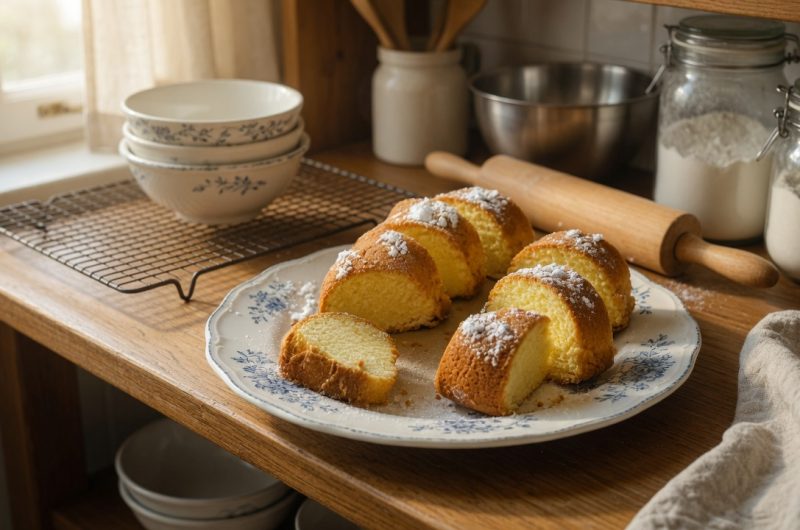
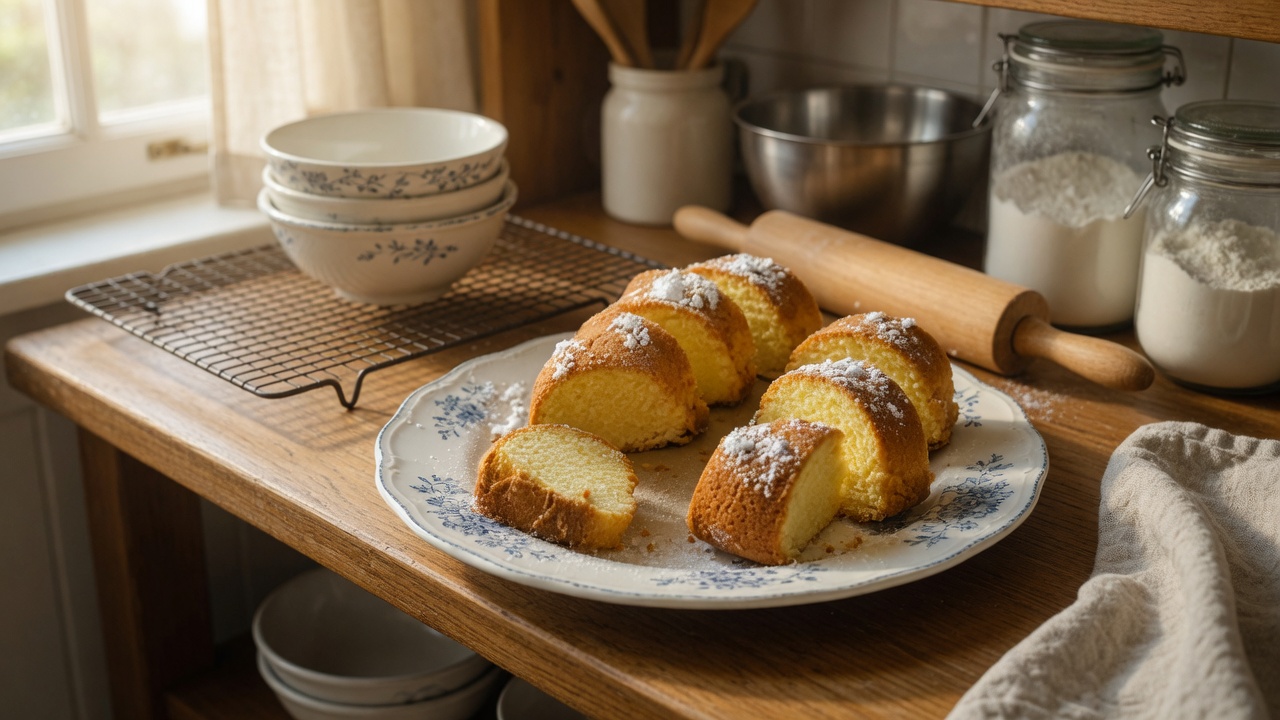
Using a serrated knife and sawing gently creates clean slices without compressing the tender crumb structure. Dividing the cooled loaf into ten even pieces provides consistent sizing for portion control. The bread slices beautifully for sandwiches, toasting, or enjoying with spreads. Toasting enhances flavor by concentrating bread characteristics and creating pleasant crispy exterior while maintaining soft interior.
Customizing with Herbs, Seeds, and Additional Ingredients
Up to one teaspoon of fresh or dried herbs including rosemary, thyme, or oregano can be added to the dry ingredients for enhanced flavor. One tablespoon of poppy seeds, sesame seeds, or flaxseeds adds texture and nutritional value. Chopped walnuts or almonds provide pleasant crunch and richness. One-third cup of dried fruits including cranberries or raisins adds sweetness without overwhelming. Shredded cheddar or Parmesan adds savory depth. One to two teaspoons of cinnamon creates warm, aromatic variations. These additions expand the bread’s versatility while maintaining the basic structure.
Understanding Alternative Flour Options
Self-rising flour eliminates the need for separate baking powder and salt, simplifying the ingredient list further. Whole wheat flour creates heartier bread requiring slightly more milk for proper dough consistency. One-to-one gluten-free flour blends should work though results may differ from wheat-based versions. White whole wheat flour or pastry flour substitute directly without recipe adjustments. Understanding flour options helps accommodate dietary preferences or ingredient availability.
Storage Solutions for Short and Long-Term Freshness
Room temperature storage wrapped in linen towels keeps bread fresh for two days, with an additional two days possible in airtight containers. Freezing cooled bread in Ziploc bags with air removed preserves quality for up to three months. Thawing at room temperature for several hours or overnight restores bread to fresh condition. Proper storage extends enjoyment across multiple days without waste or quality loss.
Cottage Cheese Bread
Simplified Cottage Cheese Bread Recipe
10
slices5
minutes1
hour10
minutes166
kcal1
hour15
minutesIngredients
3 cups all-purpose flour
1 ½ tablespoons baking powder
1 ¼ teaspoons salt
1 ½ cups milk (any type)
1 cup 2% cottage cheese
Directions
- Preheat your oven to 375°F (190°C). Line a 9×5-inch loaf pan with parchment paper.
- In a large bowl, combine flour, baking powder, and salt. Sift the mixture into another bowl.
- Add milk and cottage cheese. Stir gently with a spatula until just combined. The dough will be thick and sticky.
- Transfer the dough to the loaf pan and smooth it out.
- Bake for 70 minutes. If it browns too quickly, cover with foil. Check for doneness by inserting a toothpick—if it comes out clean, it’s ready.
- Let the bread cool for 5 minutes, then transfer to a wire rack to cool completely.
- Slice into 10 pieces and enjoy!
Nutrition Facts
- Calories: 166kcal
- Fat: 2g
- Saturated Fat: 0.4g
- Cholesterol: 4mg
- Sodium: 557mg
- Carbohydrates: 30g
- Fiber: 1g
- Sugar: 1g
- Protein: 6g