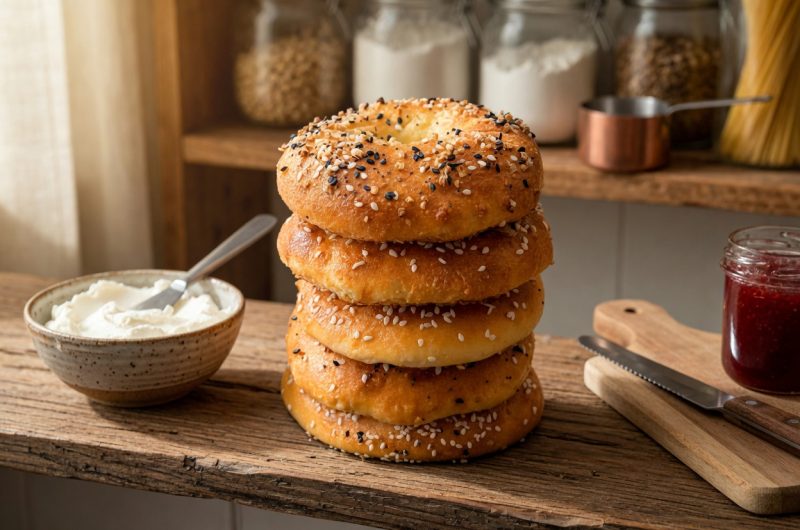
High-protein cottage cheese bagels represent a modern approach to traditional bagel baking, combining nutritious ingredients with straightforward preparation that requires no yeast, rising time, or boiling. These bagels deliver eleven grams of protein per serving, making them significantly more nutritious than store-bought varieties while remaining simple enough for beginners to master. The cottage cheese base creates soft, fluffy bagels with tender crumb structure that rivals traditional boiled bagels, yet the preparation requires only basic kitchen equipment and minimal hands-on time. The five-ingredient formula eliminates unnecessary complexity while delivering authentic bagel flavor and texture. Whether you are seeking quick breakfast options, healthy snacks for school lunches, or nutritious alternatives to commercial bagels, this recipe satisfies cravings while aligning with health-conscious eating. The flexibility to customize toppings and even omit them entirely allows personalization based on preference. Understanding why cottage cheese bagels work so well helps home bakers appreciate the simplicity and effectiveness of this approach.
Understanding Cottage Cheese’s Role in Bagel Structure
Cottage cheese serves as the star ingredient that distinguishes these bagels from traditional recipes, providing both protein and moisture that create soft, fluffy texture. The curds in cottage cheese completely melt during baking, disappearing entirely and leaving no visible trace while contributing their structural benefits to the final bagel. The moisture from cottage cheese keeps the bagels tender and prevents the dryness that plagues many homemade bagel attempts. The protein content provides nutritional benefits that transform these from indulgent carbohydrate-heavy treats into balanced meals or snacks. Different cottage cheese brands vary slightly in moisture content, which may require minor dough adjustments but does not compromise the recipe’s success. The cottage cheese should not be drained, blended, or strained; using it directly from the container simplifies preparation while achieving perfect results. Understanding this ingredient’s multifaceted contribution explains why the recipe works and how adjustments address issues.
All-Purpose Flour as the Dough Foundation
All-purpose flour provides the structural foundation for these bagels, containing sufficient protein to develop gluten network while maintaining tender crumb. The gluten development during mixing creates the characteristic chewy texture that distinguishes bagels from bread or other baked goods. All-purpose flour’s moderate protein content balances structure with tenderness, preventing bagels from becoming tough or dense. Self-rising flour can substitute if available, reducing the need for separate baking powder measurement and simplifying ingredient counting. Gluten-free flour options work acceptably for those with gluten sensitivity, though the texture differs slightly from traditional wheat-based versions. The flour should be measured accurately by weight or using the spoon-and-level method to ensure consistent dough hydration and final results.
Baking Powder’s Function in Creating Rise
Baking powder serves as the leavening agent that allows bagels to rise during baking without requiring commercial yeast or extended proofing time. The baking powder releases carbon dioxide gas, creating the light, airy crumb structure characteristic of quality bagels. The interaction between baking powder and the dough’s moisture content creates the gentle rise that develops during the brief ten-minute rest and the longer baking period. Using fresh baking powder ensures reliable leavening; expired powder loses potency and produces dense, flat bagels. If making self-rising flour, the baking powder should be thoroughly whisked with flour to ensure even distribution.
Eggs for Binding and Golden Finish
One egg serves dual purposes in this recipe: the majority incorporates into the dough as a binder that helps hold ingredients together while adding richness and moisture. The remaining portion becomes egg wash that brushes onto the bagel surface before baking, creating an attractive golden-brown exterior with subtle shine. Egg whites can substitute for the whole egg if preferred, though whole eggs produce richer flavor and better browning. The egg wash step is optional but significantly improves appearance, making homemade bagels look professionally baked. Room temperature eggs incorporate more smoothly and completely than cold eggs straight from the refrigerator.
Everything Bagel Seasoning and Topping Options
Everything bagel seasoning combines sesame seeds, poppy seeds, onion, garlic, and salt into a convenient topping that provides flavor and visual appeal. This seasoning adheres best to bagels brushed with egg wash, which provides moisture that helps toppings stick during baking. Alternative toppings include simple sesame seeds, poppy seeds, coarse salt, or herbs based on personal preference. Plain bagels without toppings work equally well for those preferring simplicity or needing dietary accommodations. The choice of topping does not affect the bagel’s nutritional profile or structural integrity.
Combining Dry Ingredients for Even Distribution
Whisking flour and baking powder together thoroughly ensures the leavening agent distributes evenly throughout the dough, preventing pockets where bagels rise excessively while others remain flat. This preliminary mixing in a separate bowl also prevents lumps that might occur from mixing baking powder directly with wet ingredients. If using self-rising flour, this step is eliminated, simplifying preparation further. Proper mixing ensures consistent results across all bagels in a batch.
Creating and Resting the Dough
Adding cottage cheese directly to the flour mixture without draining, straining, or blending simplifies preparation while the curds melt during baking rather than creating texture issues. Mixing initially with a spatula prevents overworking while incorporating ingredients, then switching to hands allows completing the dough without additional equipment. The resulting dough should be slightly sticky but manageable; adjusting flour gradually if needed prevents creating dough too dry or wet. The crucial ten-minute rest allows gluten to relax and develop, contributing significantly to final texture and rise. Skipping or shortening this rest period noticeably compromises bagel quality.
Shaping Dough into Authentic Bagel Form
Rolling dough into a log, dividing into four equal portions, then forming each into a rope provides the best shaping technique for these bagels. Rolling the rope and connecting the ends creates the characteristic bagel hole that distinguishes these from bread or rolls. Avoiding flattening the dough preserves the shape and prevents compression that interferes with rise during baking. Careful shaping produces visually appealing bagels that look and perform like traditional versions despite the simplified preparation.
Egg Wash Application for Professional Appearance
Whisking the egg or egg white and brushing onto bagel tops before baking creates a golden-brown, shiny finish that enhances appearance significantly. The egg wash helps topping adhere better and creates visual appeal suggesting professional bakery quality. This optional step noticeably improves results and takes only minutes. Applying egg wash just before baking prevents it from drying out and creating uneven appearance.
Baking at the Correct Temperature and Duration
Preheating the oven to three hundred fifty degrees Fahrenheit ensures consistent, even baking across all bagels in the batch. Baking for approximately twenty-five minutes allows thorough cooking without excessive browning or drying. Golden-brown exterior indicates proper doneness; overly dark bagels suggest excessive heat or extended baking time. Placing bagels on the middle rack ensures even heat exposure from top and bottom simultaneously.
The Essential Post-Bake Resting Period
Allowing bagels to rest for at least fifteen minutes after baking is crucial for proper setting and texture development. During this resting period, the structure continues firming as the bagel cools, preventing them from becoming soggy if cut while hot. This step ensures bagels remain fluffy rather than losing structure or becoming dense when sliced or served. Respecting this rest time is as important as any other step in the recipe.
Storage Methods for Short and Long-Term Enjoyment
Room temperature storage in airtight containers preserves freshness for three to four days, though these bagels disappear quickly due to their superior quality. Freezing in resealable bags removes as much air as possible to prevent freezer burn, preserving quality for up to three months. Thawing at room temperature or microwaving reheats frozen bagels, restoring their soft texture and warm quality. Proper storage extends enjoyment and prevents waste.
Troubleshooting Common Issues
If dough seems too wet despite proper ingredient measurements, cottage cheese brands vary in moisture content; adding small flour amounts gradually corrects this. If bagels lack rise, expired baking powder is likely responsible; replacing with fresh powder solves the problem. If bagels brown too quickly, reducing oven temperature by twenty-five degrees prevents excessive browning while allowing proper cooking. Understanding these common issues helps address problems confidently.
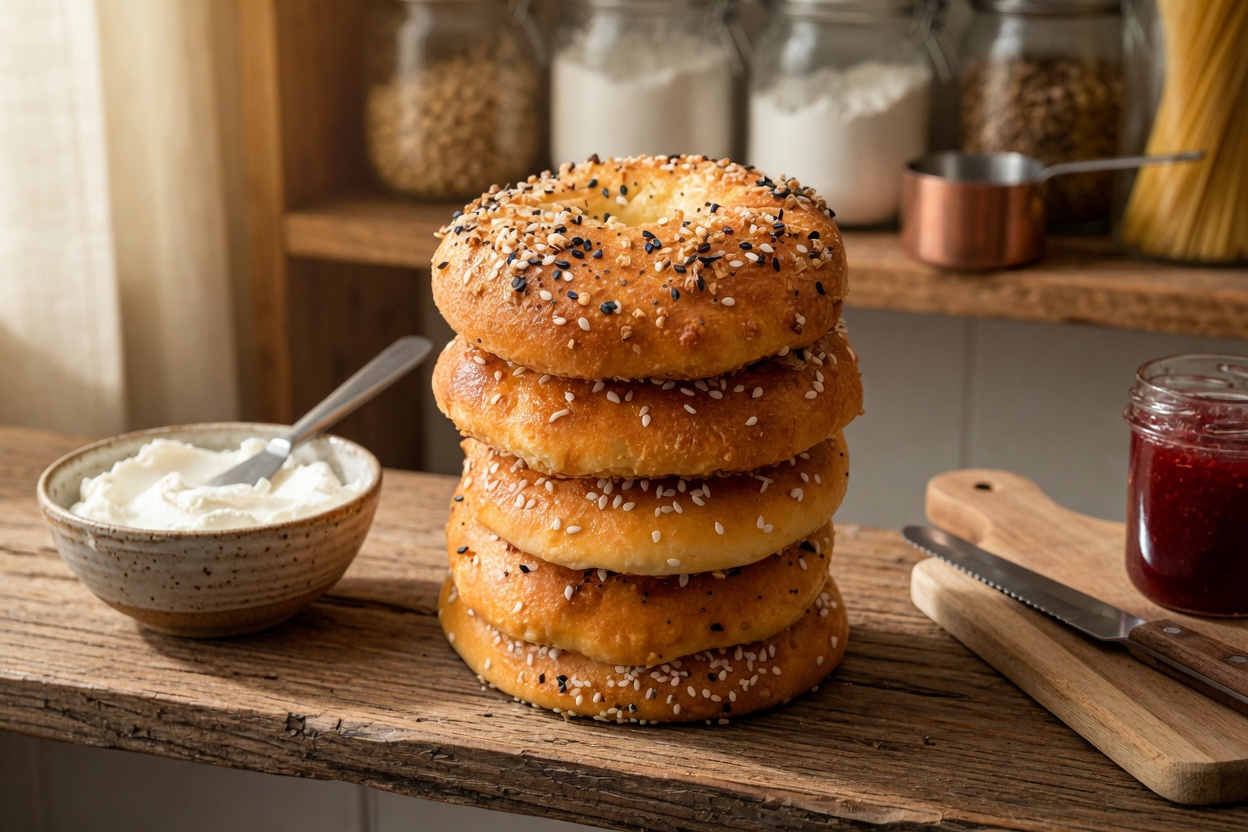
Cottage Cheese Bagels
Perfect for breakfast, school lunches, or healthy snacks, these bagels satisfy without complicated techniques or special equipment. Customize with your favorite toppings or enjoy plain.
4
bagels10
minutes25
minutes168
kcal25
minutes1
hourIngredients
1 cup + 1 tablespoon all-purpose flour or gluten-free flour (plus extra for dusting)
1 ½ teaspoons baking powder
1 cup cottage cheese
1 egg
Everything Bagel Seasoning (optional)
Directions
- Preheat the oven to 350°F (175°C). Line a baking sheet with parchment paper.
- In a large bowl, combine flour and baking powder. Mix well.
- Add cottage cheese and stir with a spatula until combined. Knead with your hands until a dough forms. The dough should be slightly sticky.
- Let the dough rest for 10 minutes, covered with a kitchen towel.
- Divide the dough into 4 equal pieces. Roll each piece into a rope and form it into a bagel shape. Pinch the ends together and place the bagels on the baking sheet.
- In a small bowl, whisk the egg. Brush the bagels with the egg wash and sprinkle with Everything Bagel Seasoning or leave them plain.
- Bake for 25 minutes, until golden brown. Let the bagels rest for 15 minutes before serving.
Nutrition Facts
- Calories: 168kcal
- Fat: 2g
- Carbohydrates: 28g
- Fiber: 1g
- Sugar: 2g
- Protein: 11g