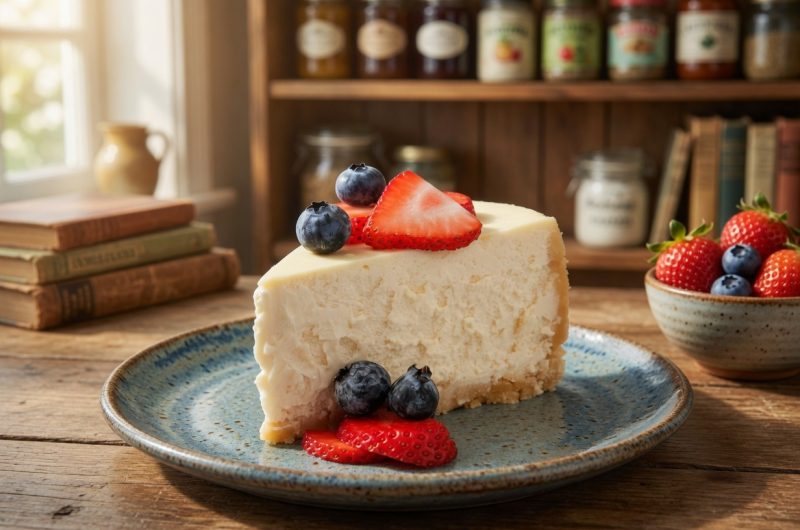
Light lemony berry cheesecake represents a modern approach to traditional desserts, combining creamy richness with refreshing citrus brightness and the natural sweetness of fresh berries. This dessert balances indulgence with wholesome ingredients, making it suitable for health-conscious cooks seeking satisfying treats without excessive calories or artificial additives. The use of light cottage cheese and light cream cheese reduces fat content while maintaining the creamy texture expected in quality cheesecake. Fresh lemon zest and juice provide authentic citrus flavor that brightens the entire dessert, preventing it from tasting heavy or monotonous. The graham cracker crust provides familiar texture and taste foundation that complements the lemony filling beautifully. Unlike dense, rich cheesecakes that leave you feeling overstuffed, this lighter version allows you to enjoy generous portions without guilt. Whether preparing for gatherings, special occasions, or simple weeknight desserts, this cheesecake impresses with its elegant presentation and sophisticated flavor balance.
Understanding Light Cream Cheese and Cottage Cheese in Cheesecake
Light cream cheese provides the tangy depth and smooth texture that defines quality cheesecake while containing approximately one-third less fat than regular cream cheese. The eight-ounce package should be softened before blending to ensure smooth incorporation without lumps. Light cottage cheese adds additional creaminess while introducing protein that helps the cheesecake set properly during baking. The two cups of light cottage cheese provides bulk and moisture that reduces the need for excessive cream cheese, lowering overall fat content. The combination of these two dairy products creates texture that rivals traditional cheesecake while delivering nutritional benefits including protein and calcium. Understanding how these ingredients work together helps troubleshoot texture problems and make informed substitutions.
The Role of Fresh Lemon Zest and Juice
One tablespoon of grated lemon zest provides concentrated citrus flavor and aromatic oils that create the signature lemony character of this dessert. The zest should be freshly grated from organic lemons when possible, as the color and flavor intensity indicate quality. One-quarter cup of fresh lemon juice contributes acidity that balances sweetness while adding brightness that cuts through the richness of cream cheese and cottage cheese. Fresh-squeezed juice delivers superior flavor compared to bottled juice, which often tastes flat or artificial. The combination of zest and juice creates authentic lemon flavor impossible to replicate with artificial flavorings.
Eggs and Their Critical Role in Structure
Three large eggs serve as binders that provide structure and help the cheesecake set during baking. The eggs should be at room temperature, allowing them to incorporate smoothly into the filling mixture without creating lumps or separated texture. The protein in eggs coagulates during baking, creating the structure that transforms the liquid filling into sliceable cheesecake. Using the correct number of eggs is important because too few results in a filling that does not set properly, while too many creates rubbery texture.
Whole-Wheat Graham Cracker Crust Foundation
Three-quarters cup of whole-wheat graham cracker crumbs forms the crust base, providing familiar texture and subtle sweetness that complements the lemony filling. Whole-wheat versions add nutritional value and fiber compared to regular graham crackers while maintaining the characteristic flavor. The crumbs should be pressed evenly into the pan bottom but not compressed so firmly that they become hard and dense. The thin crust allows the cheesecake filling to be the star of the dessert while providing structural support.
Sugar Content and Sweetness Balance
Three-quarters cup of sugar provides sweetness appropriate for balancing the tartness of lemon and the tanginess of cream cheese and cottage cheese. This amount creates balanced sweetness without making the cheesecake taste overly sweet or dessert-like. The sugar dissolves completely during blending, distributing evenly throughout the filling rather than creating pockets of excess sweetness. A small sprinkle of sugar on the berries enhances their natural sweetness and creates appealing texture contrast.
All-Purpose Flour and Vanilla Extract
Two tablespoons of all-purpose flour help thicken and stabilize the filling during baking, providing structure that assists the eggs in setting the cheesecake. The flour should be mixed thoroughly with other ingredients to prevent lumps. One teaspoon of vanilla extract adds warm, subtle flavor that complements lemon and berries without becoming obvious or overpowering.
The Blending Process for Smooth Filling
Using a blender or food processor to combine all filling ingredients ensures complete incorporation and smooth, lump-free texture. Blending on high speed creates a mixture that is creamy and homogeneous, essential for elegant cheesecake texture. Over-blending should be avoided as excessive blending incorporates too much air that can cause cracks during cooling. Blending until smooth but not excessively aerated produces optimal results.
Oven Temperature and Baking Time
Preheating the oven to three hundred seventy-five degrees Fahrenheit ensures even baking throughout the cheesecake. This moderate temperature prevents the edges from cooking faster than the center, a common problem with higher temperatures. Baking for approximately forty minutes allows the cheesecake to cook through while remaining creamy in the center. The cheesecake will puff slightly and develop a light golden hue when properly baked.
The Critical Cooling Process
Allowing the cheesecake to cool completely at room temperature before refrigerating prevents condensation from forming on the surface that creates cracks and uneven texture. Room temperature cooling allows the cheesecake to relax gradually without thermal shock that causes cracking. This step should not be rushed despite the natural desire to refrigerate immediately.
Chilling for Flavor Development and Proper Setting
Refrigerating for at least four hours, or preferably overnight, allows the cheesecake to set completely while flavors meld together and develop. The cold temperature firms the filling to the proper consistency for slicing. Extended chilling improves flavor as lemon notes become more pronounced and the overall taste becomes more refined. The cheesecake actually tastes better the day after baking as flavors continue developing during refrigeration.
Preparing Fresh Berries for Optimal Flavor
Washing fresh berries and tossing gently with a small amount of sugar enhances their natural sweetness without adding excessive sugar to the dessert. The sugar also creates slight juice that adds moisture to the berries. Using a combination of strawberries, raspberries, and blackberries provides color variation and flavor complexity. Fresh berries should be prepared just before serving to maintain their firmness and bright appearance.
Springform Pan Release and Serving
Carefully releasing the springform pan sides allows the cheesecake to stand alone for elegant presentation. Running a thin knife around the edges before releasing the sides prevents sticking and ensures clean release. Slicing with a sharp knife dipped in hot water between cuts creates clean, attractive slices. Topping each slice with fresh berries adds visual appeal and flavor dimension.
Variations for Different Preferences and Dietary Needs
Dairy-free versions using dairy-free cream cheese and cottage cheese alternatives work acceptably for those with lactose intolerance or vegan preferences. Natural sweeteners like honey or maple syrup can replace granulated sugar for different flavor profiles. Whipped cream or chocolate sauce enhance the dessert for more indulgent presentations. Different berry combinations allow customization based on seasonal availability or personal preference.
Storage and Make-Ahead Preparation
The completed cheesecake stores covered in the refrigerator for up to five days without quality loss. The cheesecake can be prepared a day ahead, allowing flavors to develop further before serving. Freezing the cheesecake wrapped tightly preserves quality for up to one month, with thawing required in the refrigerator before serving. This make-ahead capability makes the dessert convenient for entertaining or busy schedules.
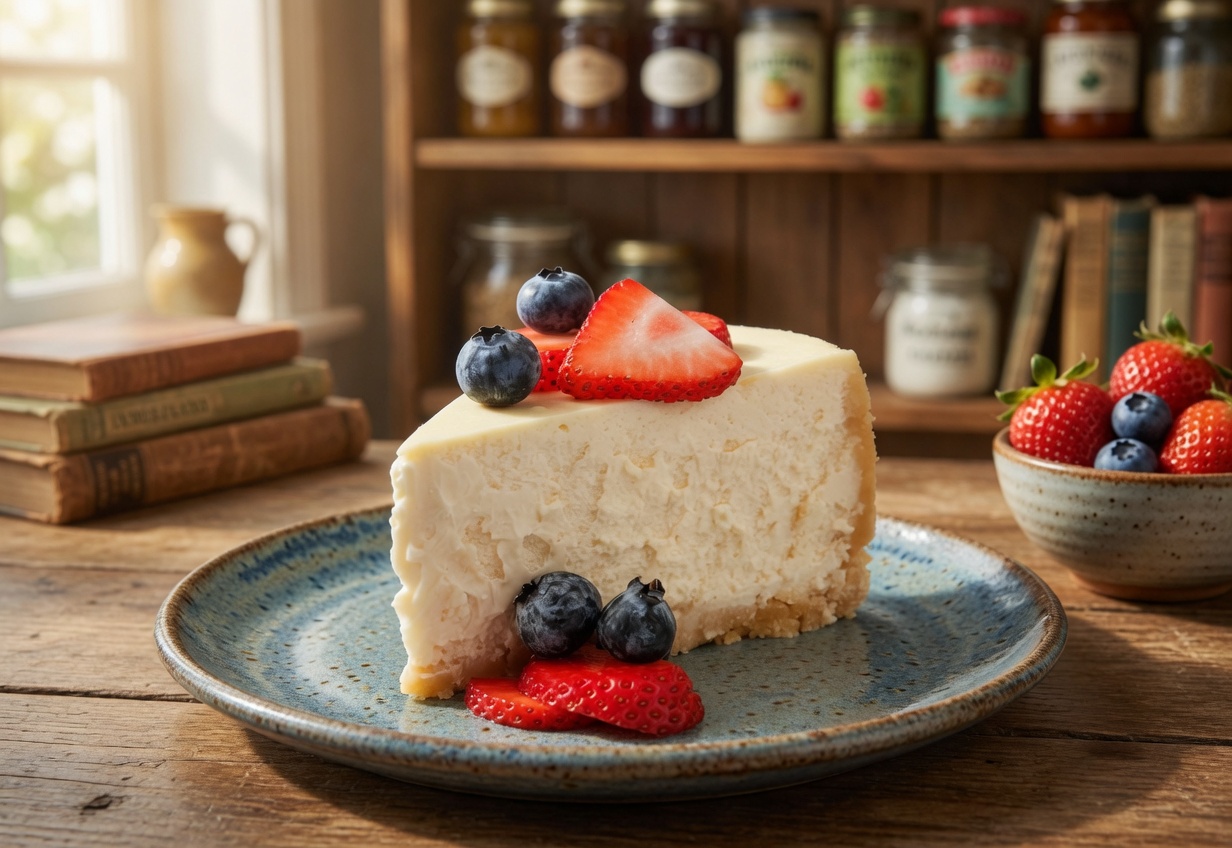
Light Lemony Berry Cheesecake
Light Lemony Berry Cheesecake, a perfect dessert that balances creamy richness with the refreshing zest of citrus and the vibrant sweetness of fresh berries
8
servings319
kcal10
minutes5
hours30
minutesIngredients
Nonstick cooking spray
3/4 cup (60 g) whole-wheat graham cracker crumbs
2 cups (480 ml) light cottage cheese
1 (8-ounce/225-g) package light cream cheese
3 large eggs
3/4 cup (150 g) sugar, plus a sprinkle for the berries
1 tablespoon grated lemon zest
1/4 cup (60 ml) fresh lemon juice
2 tablespoons all-purpose flour
1 teaspoon vanilla extract
Freshly sliced strawberries, raspberries, and blackberries for garnish
Directions
- Preheat the oven to 375°F (190°C) and spray a 9-inch (23-cm) springform pan with nonstick cooking spray.
- Press the whole-wheat graham cracker crumbs into the bottom of the prepared pan and spray with cooking spray.
- Blend the cottage cheese, cream cheese, eggs, sugar, lemon zest, lemon juice, flour, and vanilla until smooth.
- Pour the mixture into the crust and bake for 40 minutes. Allow it to cool completely.
- Chill in the refrigerator for at least 4 hours or overnight.
- Toss the berries with a pinch of sugar.
- Serve the cheesecake cold, topping each slice with berries.
Nutrition Facts
- Serving Size: 1 g
- Total number of serves: 1
- Calories: 319kcal
- Fat: 18g
- Carbohydrates: 30g
- Sugar: 22g
- Protein: 11g