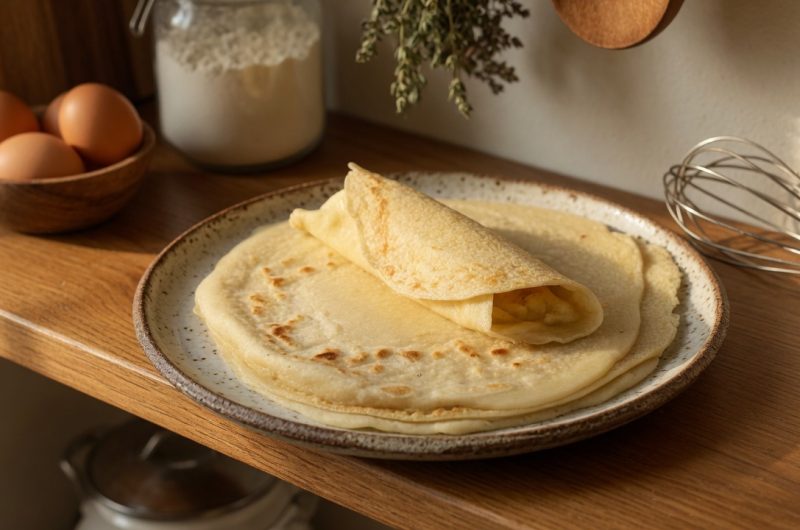
Gluten-free tortillas represent a significant advancement in gluten-free baking, allowing people with celiac disease or gluten sensitivity to enjoy soft, pliable wraps without sacrificing texture or taste. Traditional wheat tortillas rely on gluten development to create elasticity and structure, making gluten-free versions traditionally challenging to achieve. The absence of gluten means the dough lacks the natural binding and stretching properties that make wheat tortillas easy to work with and tear-resistant. Successfully creating gluten-free tortillas requires understanding how different ingredients compensate for gluten’s absence while maintaining the desired soft, flexible texture. Many people assume gluten-free tortillas will be dry, crumbly, or prone to tearing, but proper technique and ingredient selection create tortillas that rival traditional versions. The key lies in using ingredients that create elasticity and structure while maintaining moisture throughout cooking.
Why Psyllium Husk Functions as a Gluten Substitute
Psyllium husk serves as the crucial ingredient that replaces gluten’s binding and elasticity-creating properties in this gluten-free recipe. Psyllium husk is a soluble fiber derived from psyllium seeds that absorbs water and creates a gel-like substance when hydrated. This gel provides the elasticity needed for the dough to stretch without tearing, similar to how gluten works in traditional dough. The psyllium creates structure that holds the dough together while allowing it to remain pliable and flexible. Using psyllium husk requires preparing it as a gel beforehand by mixing it with water and allowing it to thicken before incorporating into the dough. The amount of psyllium husk affects the final texture—more psyllium creates firmer, more elastic dough while less creates softer, more delicate tortillas. Psyllium husk is available in most health food stores and increasingly in mainstream supermarkets, making it more accessible than it once was.
Selecting Quality Gluten-Free Flour Blends
The gluten-free flour blend you choose significantly impacts the tortilla’s flavor, texture, and baking characteristics. A quality gluten-free flour blend should contain multiple flours to create balanced flavor and texture rather than relying on a single flour type. Blends typically include rice flour, tapioca starch, and potato starch in varying proportions to create structure while maintaining softness. Some blends include binders like xanthan gum or psyllium, though this recipe adds psyllium separately. Store-bought blends offer convenience and consistent results because manufacturers have balanced the proportions carefully. Homemade blends allow customization but require more knowledge about how different flours interact. Using a blend specifically designed for bread or tortillas produces better results than blends designed for baking cakes or pastries. The flour blend should have a neutral flavor that doesn’t compete with other ingredients or create an unpleasant aftertaste.
Understanding the Role of Oil in Moisture and Texture
Oil contributes moisture and richness to the dough while helping create the soft, pliable texture characteristic of quality tortillas. The oil coats flour particles, preventing them from absorbing excessive water while creating a more tender crumb. Different oils contribute different flavors—neutral oils like vegetable or canola oil allow other flavors to shine, while coconut oil or olive oil adds distinctive flavor. The amount of oil affects texture—more oil creates softer, more pliable tortillas while less creates firmer ones. Oil also helps prevent sticking during rolling and cooking, reducing the need for excess flour dusting. Using room-temperature oil ensures even distribution throughout the dough without creating hard spots. Quality oil makes a difference—using fresh oil rather than rancid oil prevents unpleasant flavors from developing in the finished tortillas.
Preparing Psyllium Gel for Optimal Results
Creating psyllium gel beforehand ensures proper hydration and incorporation into the dough. Combining psyllium husk with water and allowing it to sit creates a thick, gel-like substance that’s ready to use. The ratio of psyllium to water matters—typically one-quarter teaspoon of psyllium to approximately one-quarter cup of water creates the right consistency. Allowing the gel to sit for a few minutes ensures the psyllium fully hydrates before adding it to the dough. The gel should be thick but pourable, not watery or excessively stiff. Some recipes call for mixing psyllium with the dry ingredients, but preparing it as a gel beforehand ensures more even hydration. The psyllium gel acts as a binder similar to how eggs function in traditional dough, holding everything together while creating structure.
Mixing Technique for Smooth, Elastic Dough
Combining the ingredients requires attention to ensure everything distributes evenly without overdeveloping the dough. Whisking together the gluten-free flour blend and salt creates the dry base. Creating a well in the center of the flour and adding oil and psyllium gel to the center allows gradual incorporation. Mixing by hand, either with a wooden spoon or fingers, combines the ingredients until a cohesive dough forms. Hand-kneading for a few minutes creates a smooth, springy texture that’s ready for shaping. The dough should come together into a ball that’s neither too sticky nor too dry. If the dough seems too wet, adding small amounts of flour helps achieve the right consistency. If too dry, adding small amounts of water helps bring it together. The goal is dough that’s smooth and elastic despite lacking gluten’s traditional structure.
Dividing Dough Into Uniform Portions
Dividing the dough into equal portions ensures tortillas cook evenly and have consistent thickness. The number of portions depends on desired tortilla size—typically six to eight portions create medium-sized tortillas. Weighing the dough and dividing by the number of portions provides the most precise method, though visually dividing into equal pieces works reasonably well. Shaping each portion into a smooth ball creates an even starting point for rolling. Working efficiently after dividing prevents the dough from drying out, which would make rolling more difficult. Some people cover the dough balls with a damp towel while working to prevent surface drying. The shaped balls should feel smooth and unified without visible cracks or seams.
Rolling Technique for Thin, Even Tortillas
Rolling gluten-free dough requires slightly different technique than rolling wheat dough because it lacks gluten’s elasticity and spring-back tendency. Using parchment paper or a non-stick mat as a work surface prevents sticking while allowing you to lift and rotate the tortilla. Placing the dough ball between two pieces of parchment paper and rolling allows easier handling without sticking. Rolling from the center outward in all directions creates a more even circle than rolling only in one direction. Rotating the tortilla frequently during rolling maintains shape and prevents uneven thickness. The goal is approximately nine inches in diameter and one millimeter thick—thin enough to wrap around fillings easily while thick enough to maintain structural integrity. If the dough tears while rolling, pressing the edges back together or patting rather than rolling that section helps repair it.
Cooking Temperature and Timing for Perfect Results
Cooking gluten-free tortillas at the right temperature and duration creates golden, puffed tortillas without burning. A non-stick pan or griddle heated over medium-high heat provides the right surface and temperature. The pan should be hot enough that a small piece of dough immediately sizzles without being so hot that it burns. Cooking approximately forty-five seconds per side creates golden color and allows the interior to set. The tortilla should develop bubbles as it cooks, indicating steam is building inside. Flipping when bubbles form ensures even cooking on both sides. The finished tortilla should have light to medium brown spots and a slightly flexible, warm texture. Overcooking creates brittle tortillas while undercooking leaves them soft and pliable but not as flavorful.
Achieving Flexibility and Tear Resistance
The texture of gluten-free tortillas depends significantly on proper hydration and the psyllium husk’s ability to create elasticity. The dough should be slightly moist but not wet, creating a pliable texture. The psyllium husk absorbs moisture and expands, creating the gel-like substance that mimics gluten’s elasticity. Allowing the dough to rest before rolling sometimes improves flexibility by giving the psyllium time to fully hydrate. Cooking the tortillas properly—until they develop slight browning but aren’t overdone—creates the right texture that’s both flexible and structurally sound. Some people find that gluten-free tortillas improve slightly after sitting for a few minutes post-cooking, as the moisture redistributes throughout the tortilla. The flexibility means these tortillas work equally well for wrapping burritos, tacos, or simply rolling around fillings.
Storing Tortillas to Maintain Freshness
Proper storage extends tortilla freshness and allows you to enjoy them over several days. Storing in a zip-lock bag or wrapped tightly in plastic wrap prevents air exposure that causes drying. Room temperature storage works for two to three days if the bag is properly sealed. Refrigerating extends shelf life to about a week, though cold storage sometimes makes tortillas slightly less pliable until they warm. Freezing works well for longer storage—wrapped tortillas keep for several weeks in the freezer. Thawing frozen tortillas at room temperature and gently warming in a dry pan restores the warm, pliable texture. Warming tortillas before serving makes them more flexible and enjoyable than serving at room temperature. Avoiding moisture from condensation inside storage containers prevents the tortillas from becoming soggy or developing mold.
Why Homemade Tortillas Surpass Store-Bought Versions
Creating tortillas at home offers advantages that commercial gluten-free tortillas cannot match. Homemade tortillas taste fresher and more flavorful than store-bought versions that have been packaged and shipped. The texture of homemade tortillas is noticeably softer and more pliable than many commercial varieties. Making tortillas at home costs significantly less than purchasing ready-made gluten-free tortillas, which tend to be expensive. The satisfaction of creating something from basic ingredients and serving it warm creates emotional dimension that pre-made tortillas cannot provide. Learning the technique means you can make tortillas whenever needed rather than being limited to what’s available in stores. The ease of the recipe means even beginners can achieve excellent results with minimal practice.
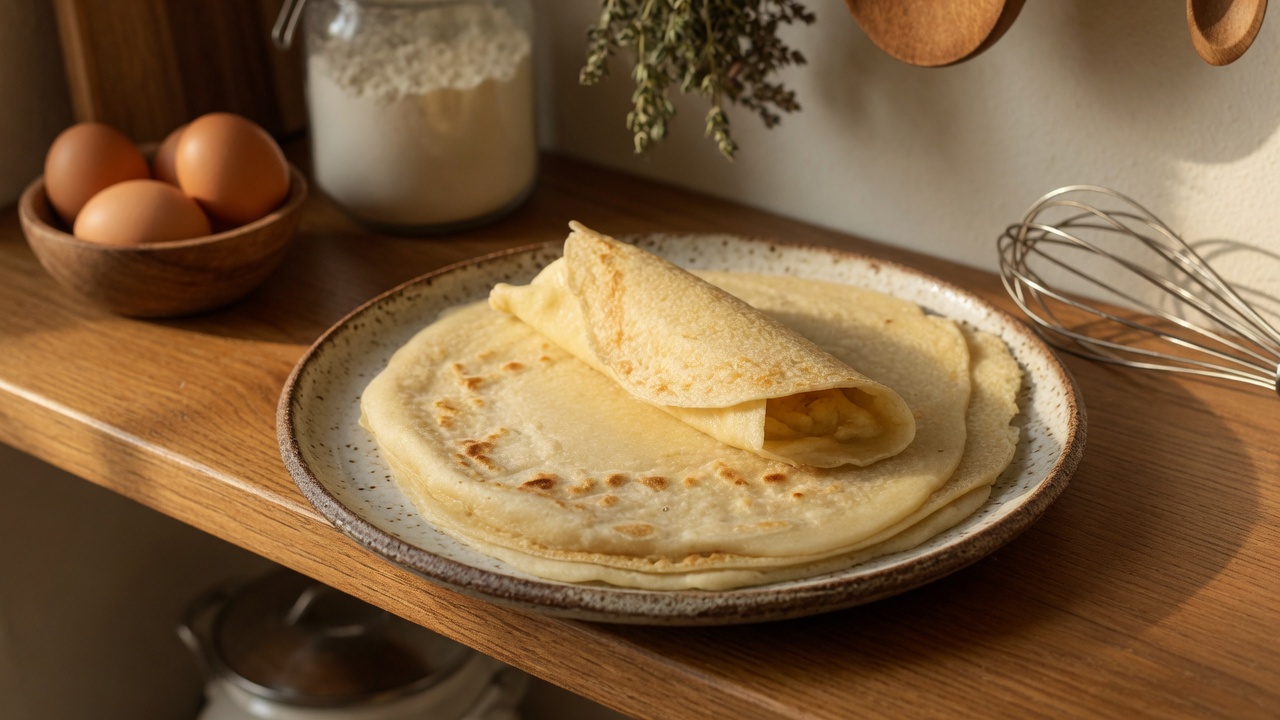
Easy Gluten Free Flour Tortillas
The quick cooking time means fresh tortillas are ready in minutes, and the simple ingredient list makes them accessible for anyone following a gluten-free diet. Soft enough to fold easily yet sturdy enough to hold substantial fillings, these tortillas work beautifully for any meal.
12
servings20
minutes20
minutes40
minutesIngredients
24g (5 tbsp) whole psyllium husk (or 20g psyllium husk powder)
480g (2 cups) warm water
360g (3 cups) plain gluten-free flour blend, plus extra for dusting
1 tsp salt
50g (¼ cup) sunflower oil or neutral-tasting oil of choice
Directions
- In a bowl, whisk together psyllium husk and warm water to form a gel. Set aside.
- In a separate bowl, whisk together gluten-free flour blend and salt.
- Create a well in the dry ingredients and add oil and psyllium gel. Mix until a dough forms.
- Turn out dough onto a floured surface and divide into 12 equal portions. Shape into balls.
- Roll out each ball into a thin, round tortilla (approximately 9 inches in diameter and 1mm thick).
- Heat a non-stick frying pan over medium-high heat. Cook each tortilla for about 45 seconds per side, until golden brown spots appear.
- Serve warm and enjoy with your favorite fillings!
Notes
- For optimal results, roll out tortillas while cooking them simultaneously, or stack rolled tortillas between layers of baking paper to prevent sticking.