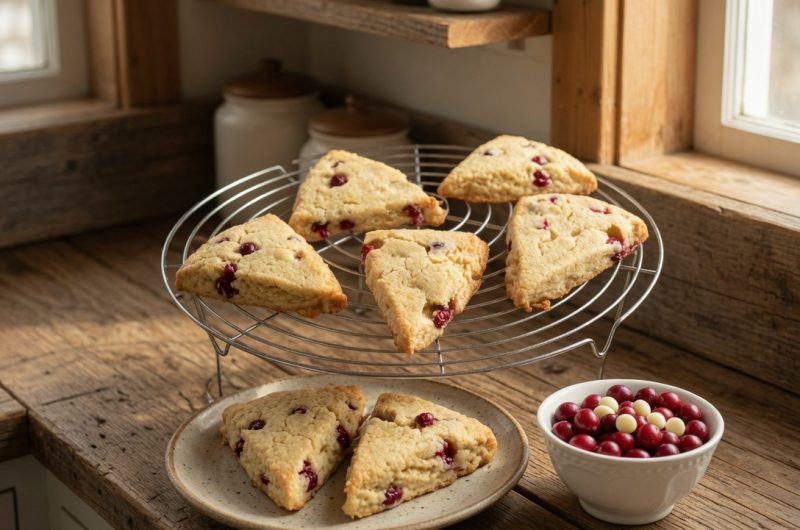
Creating fresh scones in your own kitchen transforms a simple breakfast or afternoon snack into something truly special and memorable. These orange cranberry einkorn scones bring together bright citrus flavors with the natural sweetness of dried cranberries, creating a combination that appeals to many palates. The use of einkorn flour, an ancient grain variety, gives these scones a distinctive nutty quality and tender texture that sets them apart from scones made with modern all-purpose flour. These scones work perfectly for breakfast gatherings, afternoon tea, casual snacking, or even as part of a special brunch menu. The recipe itself is surprisingly straightforward, requiring only basic kitchen equipment and ingredients that many people already have on hand. The golden-brown exterior of freshly baked scones combined with the buttery, crumbly interior creates an eating experience that is hard to match with store-bought versions. Making scones from scratch gives you complete control over ingredients, allowing you to adjust sweetness, citrus intensity, and texture to your personal preferences. This easy recipe will help you master scone-making and create batches of irresistible, golden scones that impress family and friends.
Understanding Einkorn Flour and Its Unique Properties
Einkorn flour comes from an ancient grain variety that has been cultivated for thousands of years and is experiencing renewed interest among home bakers. This particular flour stands out because of its rich, distinctive flavor profile that includes subtle nutty undertones often described as pleasant and complex. The nutritional composition of einkorn differs from modern wheat varieties, with a simpler gluten structure that some people find easier to digest. When used in baking, einkorn flour produces tender crumb structures and delicate textures that are particularly well-suited to scones and pastries. The flour absorbs liquid differently than conventional all-purpose flour, which is an important consideration when baking with it for the first time. Understanding these characteristics helps you adjust recipes and troubleshoot any issues that arise during the baking process. Einkorn flour is often available as all-purpose einkorn, whole wheat einkorn, or freshly ground einkorn varieties, each of which can be used in this recipe depending on your preference and availability.
The Role of Orange Zest in Creating Bright Citrus Flavor
Orange zest, the colored outer layer of orange peel, provides the bright, fresh citrus flavor that distinguishes these scones. One tablespoon of orange zest from one large orange provides sufficient citrus intensity without overwhelming the other flavors in the scones. The zest contains aromatic oils that deliver flavor much more effectively than orange juice would, and these oils remain potent during baking. To obtain zest, use a microplane or fine grater to remove only the colored portion of the peel, avoiding the bitter white pith underneath. Fresh orange zest provides superior flavor compared to bottled zest, which may have lost some aromatics during processing and storage. The zest is divided in the recipe, with some mixed into the cream and some combined with sugar for the topping. This dual use maximizes the citrus flavor throughout the scones, from the interior crumb to the sparkling top. Orange zest pairs particularly well with dried cranberries, creating a flavor combination that feels both familiar and sophisticated.
Why Dried Cranberries Add Texture and Natural Sweetness
Dried cranberries contribute both textural interest and natural sweetness to these scones. One cup of dried cranberries provides chewy pockets throughout the scones that create pleasant texture variation. The natural sugars in dried cranberries add sweetness that complements the orange flavor beautifully. Beyond taste and texture, the cranberries add visual appeal with their deep red color scattered throughout the golden scone dough. When purchasing dried cranberries, look for varieties without added oils or excessive sugar coating, as these can affect the texture of your scones. Some dried cranberries are sold with added sweetener, which you should account for when considering the overall sweetness of your scones. The cranberries should be added to the dry ingredients before the wet ingredients are incorporated, ensuring they are evenly distributed throughout the dough.
The Importance of Cold Butter in Creating Flaky Scones
Cold unsalted butter, totaling ten tablespoons or one hundred forty grams, is essential for creating the flaky, tender texture that characterizes excellent scones. The butter must be cold and cut into small cubes before being added to the flour mixture. Cold butter remains in distinct pieces within the dough rather than fully incorporating, and these butter pieces create layers and pockets during baking. As the scones bake, the cold butter melts and creates steam, which contributes to the rise and flakiness of the finished scones. If the butter is warm or soft, it will incorporate completely into the flour, resulting in dense, cake-like scones rather than flaky ones. Using unsalted butter allows you to control the salt content precisely through the salt added to the dry ingredients. The ratio of butter to flour in this recipe is carefully calibrated to produce the ideal texture balance between richness and delicate flakiness.
Selecting the Right Baking Powder for Proper Rise and Texture
Baking powder serves as the leavening agent that causes scones to rise and develop their characteristic tender crumb structure. One tablespoon of baking powder is the correct amount for the flour quantity in this recipe, providing sufficient leavening without creating an unpleasant chemical aftertaste. Baking powder should be fresh, as old baking powder loses potency over time and may not provide adequate rise. To test whether your baking powder is still active, combine a teaspoon with water; if it fizzes vigorously, it is still good. Double-acting baking powder, which is the most common variety, releases carbon dioxide in two stages: once when mixed with liquid and again during baking. This dual action helps create the structure and rise in scones. Storing baking powder in a cool, dry location in a sealed container helps maintain its potency.
Understanding Sea Salt and Its Flavor-Enhancing Properties
Sea salt, at three-quarter teaspoon and preferably fine-grain, enhances all the flavors in the scones without making them taste salty. Salt suppresses bitterness and makes sweet flavors more prominent, creating a more balanced and interesting taste profile. Fine-grain sea salt dissolves more easily and distributes more evenly than coarse varieties in baking applications. Some bakers prefer sea salt for its mineral content and subtle flavor complexity compared to refined table salt. The salt should be mixed thoroughly with the dry ingredients to ensure even distribution throughout the dough. The amount specified is carefully calculated to provide flavor enhancement without overwhelming the orange and cranberry notes.
The Heavy Cream Component and Its Multiple Roles
Heavy cream serves multiple functions in scone dough: it provides moisture for hydration, contributes richness and tenderness, and helps create the flaky texture. Three-quarter cup of heavy cream mixed with orange zest is the liquid component that brings the dry ingredients together into dough. The fat content in heavy cream contributes to both texture and flavor, creating richer, more tender scones compared to using milk. Additionally, two teaspoons of heavy cream are reserved for brushing the tops of the scones before baking, which creates a golden exterior and helps any sugar and zest topping adhere to the scones. Heavy cream should be cold when added to the dough to maintain the cold temperature that helps create flakiness. The combination of orange-infused cream with the dry ingredients should be mixed gently to avoid overdeveloping the gluten, which would create tough scones.
The Proper Technique for Mixing Flour and Butter
Combining cold, cubed butter with flour requires a specific technique to achieve the desired texture. A pastry blender, a tool with several wires or blades, cuts the butter into the flour effectively and is the preferred method for this task. If you do not have a pastry blender, your fingertips work well for breaking the butter into smaller pieces and coating them with flour. The mixture should resemble coarse breadcrumbs or sand, with some visible butter chunks remaining for maximum flakiness. Overmixing at this stage is the most common mistake, as it causes the butter to fully incorporate and disappear into the flour. This overmixing results in dense, cake-like scones rather than flaky ones. Mixing should stop as soon as the texture resembles coarse crumbs, before the mixture becomes uniform and smooth. The visible butter chunks remaining at this stage are responsible for creating layers and flakiness during baking.
Proper Dough Hydration and Minimal Kneading Techniques
When the heavy cream mixture is added to the flour-butter combination, the dough should be worked together gently with your hands until it barely holds together. The dough will look shaggy and somewhat rough at this point, which is exactly what you want. Light kneading, done five to ten times total, brings the dough together enough to hold shape without overdeveloping the gluten. Overmixing or excessive kneading creates tough, dense scones with a cake-like crumb rather than the tender, flaky texture desired. The goal is bringing the ingredients together into a cohesive mass while maintaining the distinct butter pieces that create flakiness. If the dough seems too dry and does not hold together, add cold heavy cream one teaspoon at a time until it reaches the proper consistency. Conversely, if the dough seems too wet and sticky, dust lightly with additional einkorn flour.
Rolling and Shaping Techniques for Large and Small Scones
The dough should be rolled between two sheets of parchment paper to prevent excessive flour addition and maintain the proper moisture level. For large scones, rolling the dough into an eight-inch circle approximately three-quarters inch thick provides ideal proportions that bake evenly. Cutting this circle into eight equal triangles like a pie ensures consistent sizing for even baking. For smaller scones, rolling the dough into a six-by-nine-inch rectangle about one inch thick allows you to cut the dough into six rectangles, then slice each diagonally to create twelve small triangles. The parchment paper makes transfer to the baking sheet much easier and prevents sticking. Using a sharp knife for cutting creates clean edges that allow scones to rise evenly during baking. Dull knives drag through the dough rather than cutting cleanly, which can compress the edges and interfere with proper rise.
Spacing and Arrangement on the Baking Sheet for Even Results
Arranging the cut scones with one and one-half inch spacing on the baking sheet allows heat to circulate evenly around each scone. Proper spacing prevents scones from rising into each other and allows them to develop golden-brown sides rather than pale, steamed sides where they touch. A baking sheet lined with parchment paper makes cleanup easy and prevents sticking. If you are baking multiple batches, allow the baking sheet to cool between batches to ensure consistent baking results. Room-temperature baking sheets may affect the baking of the first batch, so some bakers prefer to use multiple baking sheets or rotate them between batches.
Creating a Sparkling Sugar and Zest Topping
The reserved one tablespoon of sugar combined with one-quarter teaspoon of orange zest creates a sparkling topping that adds visual appeal and bursts of citrus flavor. This mixture should be sprinkled on the scones immediately after brushing them with heavy cream, while the cream is still moist and helps the topping adhere. The sugar crystals catch light as the scones bake, creating an attractive sparkle on the finished scones. The additional orange zest in the topping provides an extra burst of bright citrus flavor with each bite. Brushing the scones with heavy cream before adding the topping serves multiple purposes: it helps the topping stick, creates a golden exterior, and enriches the flavor of the baked scones.
Baking Temperature and Timing for Golden Scones
A preheated oven at four hundred twenty-five degrees Fahrenheit is hot enough to set the exterior of the scones quickly while allowing the interior to bake through. Preheating the oven ensures that the scones begin baking immediately when placed inside, which is important for proper rise and texture. Baking for eighteen to twenty minutes produces lightly golden scones with a tender crumb throughout. The exact timing depends on your oven’s accuracy and how hot it actually gets, so checking at eighteen minutes and observing the color helps determine if a few additional minutes are needed. Scones are finished baking when the tops are light golden brown and a toothpick inserted into the thickest scone comes out with just a few moist crumbs but not wet dough.
Understanding Proper Cooling for Optimal Flavor and Texture
While scones are best enjoyed warm, allowing them to cool slightly before eating prevents burning your mouth and allows the flavors to develop properly. The scones continue cooking slightly during cooling as residual heat bakes the interior. After the scones have cooled to the point where you can handle them comfortably, they are ready to eat. Scones are at their peak flavor when still warm but cool enough to handle, which is typically ten to fifteen minutes after removing them from the oven. Serving scones warm with butter, clotted cream, or jam makes them particularly special and indulgent.
Short-Term Storage Methods for Maintaining Freshness
Freshly baked scones can be stored at room temperature in a sealed container or bag for up to two days. The scones should be completely cooled before storing to prevent condensation from making them soggy. An airtight container preserves freshness better than a paper bag, which allows air circulation and moisture loss. Scones stored this way maintain their flavor and texture reasonably well, though they are best consumed within the first day or two of baking. Separating scones with parchment paper within the storage container prevents them from sticking together.
Long-Term Freezing Solutions for Future Enjoyment
Scones freeze beautifully in an airtight freezer bag for up to one month, allowing you to make a batch ahead and enjoy them gradually. To freeze scones, allow them to cool completely, then place them in a freezer bag, removing as much air as possible. Label the bag with the date and contents for easy identification. To serve frozen scones, thaw them at room temperature for approximately two hours, or place them directly in a warm oven at three hundred fifty degrees Fahrenheit and heat for about ten minutes. Some people prefer to toast thawed scones briefly in the oven to restore their warm quality. Freezing provides convenience and eliminates food waste when you cannot eat all the scones immediately.
Pairing Scones with Clotted Cream, Butter, and Other Toppings
Clotted cream, a traditional British accompaniment, provides a rich, luxurious topping that complements scones beautifully. If clotted cream is not available, regular butter or whipped cream are acceptable alternatives. Marmalade, particularly orange marmalade, pairs particularly well with orange-flavored scones. Jam in various flavors works well, as does honey or lemon curd. The choice of topping depends on your personal preferences and what you have available. Many people enjoy scones with butter alone, allowing the flavor of the scones themselves to shine without competing toppings.
The Unique Flavor Contribution of Einkorn Flour
The nutty undertone that einkorn flour provides distinguishes these scones from versions made with modern wheat flour. This subtle nuttiness complements the bright orange and tart cranberry flavors, creating a more complex and interesting flavor profile. Some people describe the einkorn flavor as slightly sweet or wheat-forward, which adds depth to the overall taste. The combination of einkorn’s nutty quality with the citrus and cranberry creates a uniquely appealing flavor experience that makes these scones memorable and distinctive.
Adjusting the Recipe for Personal Taste Preferences
The sugar content can be adjusted slightly if you prefer sweeter or less sweet scones. The orange zest amount can be increased for more pronounced citrus flavor or decreased if you prefer more subtle orange notes. Some people enjoy adding one-half teaspoon of vanilla extract to the cream mixture for additional flavor depth. An optional one-quarter teaspoon of nutmeg mixed with the dry ingredients adds warmth without changing the character of the scones significantly. Experimenting with these adjustments across multiple batches helps you develop a version that perfectly matches your preferences.
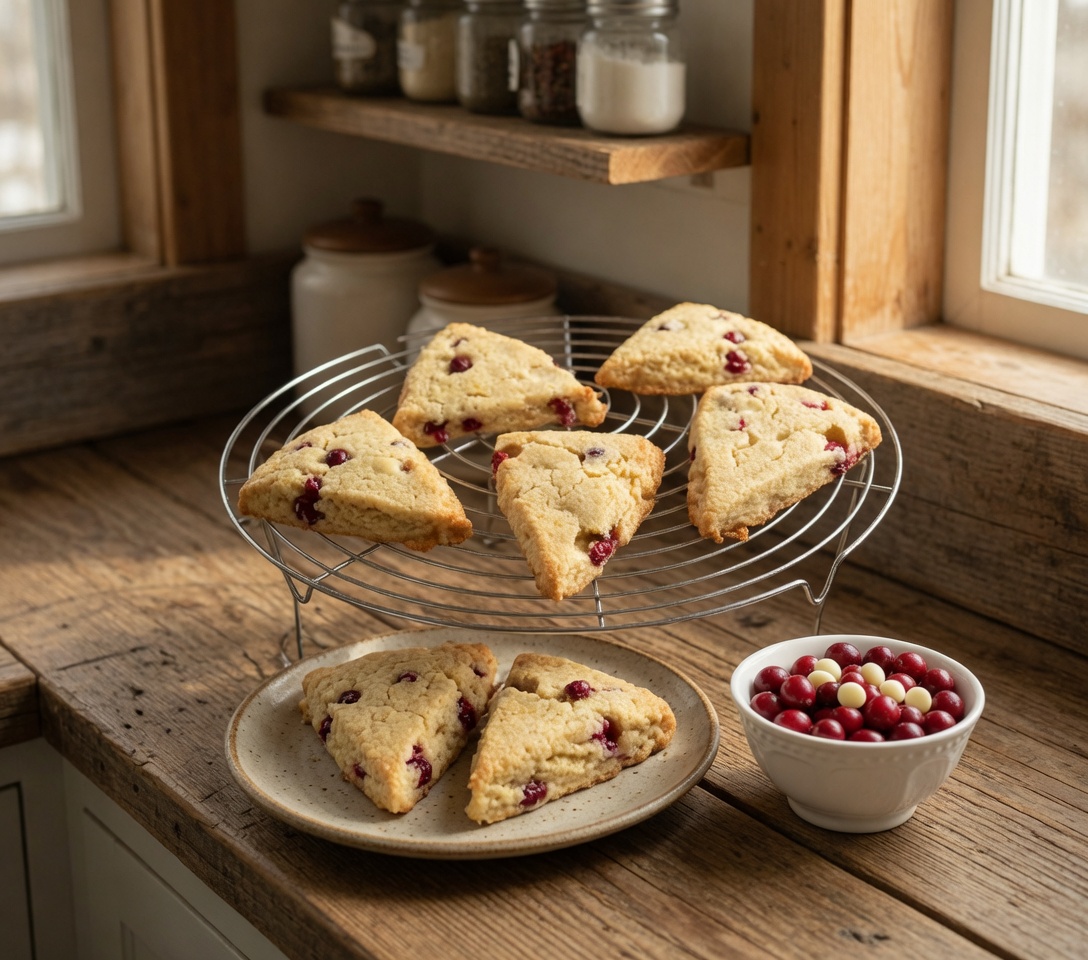
Healthy Orange Cranberry Einkorn Scones Recipe
Homemade Orange Cranberry Scones with a cup of tea or coffee!
15
minutes10
minutes25
minutesIngredients
- For the Scones:
1/4 cup (50 g) sugar (plus 1 tablespoon for topping)
1 tablespoon orange zest (from 1 large orange)
3 cups (360 g) Einkorn all-purpose flour (or 3½ cups whole wheat Einkorn, or freshly ground Einkorn flour)
1 tablespoon baking powder
¾ teaspoon sea salt (fine-grain recommended)
10 tablespoons (140 g) cold unsalted butter (cut into 1/4-inch cubes)
1 cup (145 g) dried cranberries
¾ cup (180 g) cold heavy cream (plus 2 teaspoons for brushing)
Directions
- Prepare Your Ingredients
- Preheat the Oven: Set your oven to 425°F (218°C) and allow it to preheat while you prepare the dough
- Make the Sugar Topping: Combine 1 tablespoon of sugar with 1/4 teaspoon of orange zest in a small bowl. Set this aside for later.
- Mix the Dry Ingredients
- In a large mixing bowl, stir together the Einkorn flour, 1/4 cup sugar, baking powder, and sea salt
- Add the cold, cubed butter to the bowl. Use a pastry blender or your fingers to mix until the texture resembles coarse crumbs, with a few visible butter chunks for flakiness
- Combine Wet Ingredients
- In a small bowl, mix the remaining orange zest with ¾ cup of cold heavy cream. Pour this mixture over the dry ingredients and gently work it in with your hands. Squeeze the dough lightly until it just begins to hold together
- Knead the dough 5 to 10 times to incorporate the flour. The dough should look shaggy, not smooth
- Shape the Dough
- Lightly flour a sheet of parchment paper and transfer the dough onto it. Dust the top of the dough lightly with flour and cover it with a second sheet of parchment paper.
- For large scones, roll the dough into an 8-inch circle that is about ¾ inch thick, then cut it into 8 equal triangles using a sharp knife
- For small scones, roll the dough into a 6×9-inch rectangle about 1 inch thick. Cut into thirds lengthwise, then in half crosswise to create six rectangles. Slice each rectangle diagonally to make 12 small triangles
- Bake the Scones
- Line a baking sheet with parchment paper and arrange the scones with 1½-inch spacing to allow for even baking.
- Brush the tops of the scones with 2 teaspoons of heavy cream, then sprinkle the prepared sugar and zest mixture on top for a sparkling, citrusy finish.
- Bake for 18–20 minutes or until the scones are lightly golden.
Notes
- Pro Tip: These scones pair beautifully with clotted cream, butter, or a dollop of marmalade for a truly indulgent treat. The Einkorn flour adds a nutty undertone that enhances the overall flavor, making these scones both unique and wholesome.