Creating tortillas from scratch in your own kitchen is easier than most people think, and it brings genuine satisfaction to your cooking routine. When you decide to make homemade tortillas instead of buying them from a store shelf, you gain complete control over what goes into your food. These soft and delicate tortillas, made with einkorn flour, deliver a wholesome taste with a subtle nutty quality that transforms ordinary meals into something special. Unlike the packaged versions you find in supermarkets, homemade einkorn tortillas contain no chemical preservatives or shelf-life extenders. You have the freedom to adjust the ingredients based on what your family enjoys, whether that means adding a touch more salt or experimenting with different cooking methods. An additional benefit is that these tortillas freeze exceptionally well, making them ideal for preparing meals ahead of time or getting ready for a large family dinner or gathering.
Understanding What Makes Einkorn Flour Different
Einkorn flour comes from an ancient grain variety that has been grown and used by people for thousands of years. This grain stands out because of its rich, distinctive taste, impressive nutritional profile, and beautiful golden color that shows up in finished baked goods. When you compare einkorn to the modern wheat varieties used in most commercial flour, you notice that einkorn has a simpler gluten structure that some people find easier for their bodies to digest. The natural sweetness that einkorn provides combines with a subtle nutty flavor, creating a taste profile that works wonderfully with both savory dishes and sweet applications. Because einkorn has this special flavor characteristic, it naturally improves any recipe where you use it, whether that is bread, pancakes, or tortillas. Adding einkorn flour to your tortilla recipe brings much more than just a pleasant taste. The flour also increases the protein content, supplies various essential minerals and vitamins your body needs, and contains beneficial antioxidants that support overall wellness. For anyone interested in making their meals healthier without sacrificing flavor, einkorn flour represents a straightforward and delicious solution.
The Individual Ingredients and Their Specific Roles
Every single ingredient in this tortilla recipe has a reason for being included, and understanding these reasons helps you make better choices when you are at the store or in your kitchen. The einkorn flour, measuring four hundred five grams, provides both the foundation and the distinctive flavor character. This particular amount creates a dough that can stretch into thin, pliable sheets without tearing. Lard or beef tallow, amounting to one third of a cup, might surprise modern cooks, but this ingredient is absolutely essential for achieving that soft, flexible texture that makes a great tortilla. The rendered fat coats the flour particles and creates tiny layers within the dough, which results in tortillas that bend without cracking when you fill them. Hot water, one full cup, does multiple jobs at the same time: it hydrates all the dry ingredients, it melts the solid fat so it distributes evenly, and it begins developing the gluten network that gives tortillas their structure. Baking powder, just half a teaspoon, creates tiny air bubbles throughout the dough as the tortillas cook, giving them a light and slightly fluffy texture rather than being dense and heavy. Finally, salt at one teaspoon sharpens and enhances all the other flavors, preventing the tortillas from tasting flat or one-dimensional.
Why Hot Water Changes Everything in Your Dough
The temperature of your water plays a much bigger role in tortilla making than many home cooks realize. Using water that is nearly boiling creates immediate changes in your flour and fat that you cannot achieve with room temperature water. When the hot water contacts the solid fat you have cut into the flour, the heat causes it to melt completely and distribute throughout the mixture rather than remaining in separate pockets. This even distribution is what creates that desirable tender crumb and flexibility. The hot water also begins hydrating the einkorn flour more rapidly and more completely than cold water could manage in a reasonable amount of time. This faster hydration means you spend less time mixing and kneading, which keeps the gluten from becoming overdeveloped and tough. Additionally, the heat from the water helps activate the baking powder slightly earlier in the process, which can improve how your tortillas puff up during cooking. Many experienced tortilla makers swear by this hot water method because it produces noticeably better results with less effort and fussing around.
Choosing the Right Type of Fat for Tender Tortillas
The choice of fat you use might seem like a small detail, but it fundamentally affects how your finished tortillas perform. Lard and beef tallow are the traditional choices because their molecular structure creates the ideal texture in tortillas. These rendered animal fats have a higher melting point than butter, meaning they create distinct layers in your dough that produce flexibility and softness. When these fats are distributed throughout the dough, they prevent the gluten strands from bonding too tightly, which would make tortillas stiff and prone to cracking. Some home cooks wonder if they can substitute butter or coconut oil, but these alternatives do not produce the same results. Butter contains water, which changes your dough hydration and creates a different texture. Coconut oil, while trendy in some cooking circles, produces tortillas that become brittle and break apart easily when you try to fill them. Vegetable shortening could work if you truly cannot find lard or tallow, but these animal fats genuinely deliver superior flavor and texture. If you are concerned about sourcing these ingredients, most butcher shops or farmers markets that sell meat can provide lard, or you can render it yourself from pork fat trimmings.
The Importance of Allowing Your Dough to Rest
After you have mixed your ingredients together, your instinct might be to immediately start rolling and cooking your tortillas. However, waiting at least fifty minutes before proceeding creates dramatically better results. During this resting period, the gluten network that forms during mixing relaxes and becomes more extensible, meaning you can roll the dough thinner without it snapping back or tearing. The resting time also allows the flour to fully absorb the water and fat, which develops a smoother, more cohesive dough that is genuinely pleasant to work with. Additionally, this rest gives any gluten in the einkorn flour time to continue developing, which provides structural integrity to your finished tortillas. Some home cooks are tempted to skip this step or reduce the time, but you will notice a real difference in how easily the dough rolls out and how tender your cooked tortillas turn out to be. The dough should be covered with a damp towel during this resting time to prevent the surface from drying out and forming a crust.
Cooking Each Tortilla with the Right Technique and Temperature
Getting the cooking temperature and timing exactly right makes the difference between mediocre tortillas and ones that are truly excellent. Your skillet or griddle should be heated to medium heat, which is hot enough to cook the tortilla thoroughly without burning the outside before the inside is cooked through. When you place a tortilla on the hot surface, you should see small bubbles form within the first forty five seconds of cooking. These bubbles indicate that steam is forming inside the dough and pushing upward, which creates the characteristic texture of well-made tortillas. After these bubbles appear, flip the tortilla and cook the other side for approximately thirty to forty five seconds. The total cooking time for both sides is roughly one and a half minutes, though you may need to adjust slightly depending on your specific stove and cookware. You will know your tortilla is done when it has light golden or tan spots scattered across both sides. These spots indicate the flour has toasted slightly and developed additional flavor. Avoid cooking at too high a temperature, which will create dark spots and harden the tortilla before it cooks through.
Preparing and Portioning Your Dough Before Rolling
Once your dough has finished resting, it is time to divide it into individual portions that you will roll into tortillas. Your rested dough should be divided into sixteen equal pieces, which means each piece gets about two ounces of dough. Rolling each piece into a smooth ball helps distribute the fat and flour evenly throughout each portion and makes rolling easier. As you work with the dough, keep the balls you haven’t rolled yet covered with a damp towel. This covering prevents the surface from drying out and forming a tough skin that would make rolling difficult and could cause cracks in your finished tortillas. If you find that your dough is getting too warm and sticky as you work, you can refrigerate the remaining balls for a few minutes to make them easier to handle. This short cooling period will not interfere with the tortillas or require you to rest the dough again.
Rolling Thin and Even Tortillas Takes Practice and Patience
Rolling out tortillas to an even thickness throughout requires a light touch and some practice, but the technique is quite learnable. Start with a lightly floured surface to prevent sticking, and place one dough ball in the center. Using a rolling pin with even pressure, roll from the center outward in all directions, rotating the tortilla occasionally to maintain a round shape. You are aiming for a thickness of about one eighth inch, which is thin enough to be flexible but thick enough to hold together during cooking. The key is using even pressure throughout rather than pressing harder in some areas than others. If you find that your tortilla is springing back to a thicker size after you roll it, this indicates your dough needs more resting time. Rather than fighting with the dough, simply cover it again and let it rest for another fifteen minutes before resuming. Do not be concerned if your tortillas are not perfectly round or completely uniform. Homemade tortillas naturally have slight variations, and many people find the rustic appearance charming and appealing.
Keeping Your Cooked Tortillas Soft and Pliable
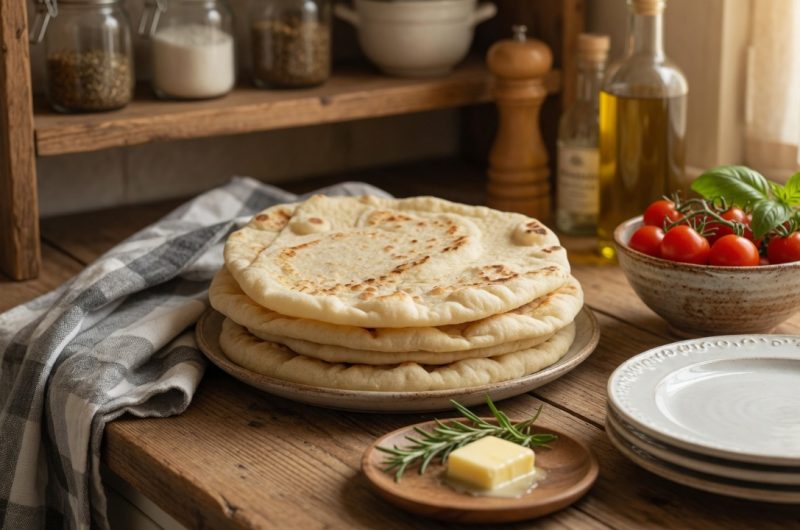
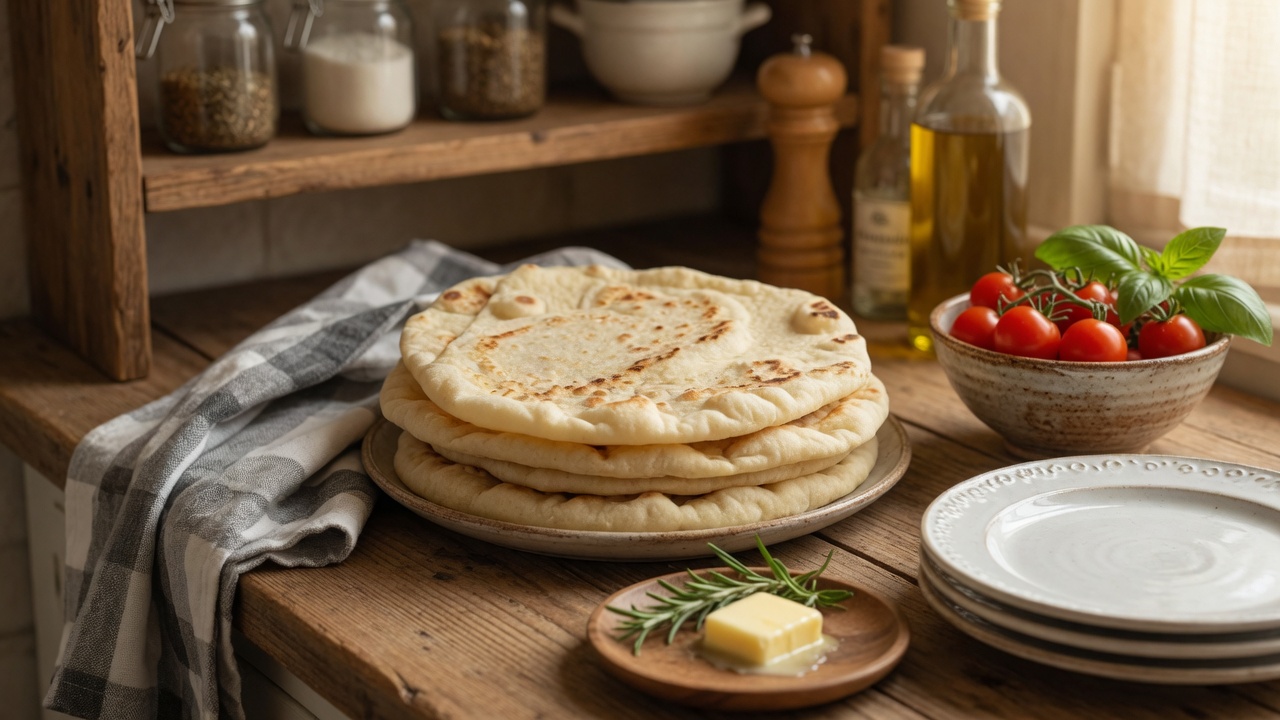
As you finish cooking each tortilla, you should immediately stack them on a plate and wrap the stack in a clean kitchen towel. This wrapping traps the steam that the hot tortillas are releasing, which helps soften them further and keeps them from drying out as they cool. Stacking the warm tortillas also helps them retain heat longer, so when you are ready to eat them, they are still pleasantly warm. Never leave cooked tortillas uncovered on the counter, as they will quickly become dry and brittle. The kitchen towel method is traditional and effective, though some people prefer wrapping their tortilla stack in aluminum foil for longer-term storage during a meal.
Refrigerator and Freezer Storage Methods That Actually Work
Fresh tortillas stay soft and edible at room temperature for approximately two days when stored in an airtight container or wrapped well. In your refrigerator, they will last about five days before starting to dry out noticeably. For longer storage beyond a week, freezing is your best option and preserves the tortillas beautifully for months. To freeze your tortillas properly, stack them with a piece of parchment paper between each one, preventing them from sticking together. Wrap the entire stack first in plastic wrap to protect them from freezer burn, and then wrap again in aluminum foil for additional protection. Properly frozen tortillas stay fresh for up to three months, though you will find they are best within the first two months. To reheat frozen tortillas, simply remove the plastic wrap but leave the aluminum foil in place. Place the foil-wrapped stack in a three hundred fifty degree oven for twenty to thirty minutes until the tortillas are heated through completely. Your tortillas will taste nearly as fresh as when you first made them.
Different Ways to Use Your Homemade Tortillas
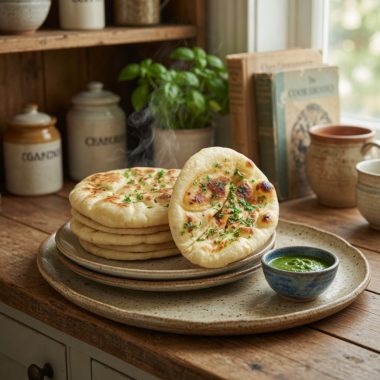
The versatility of homemade einkorn tortillas means you can use them in countless dishes throughout your week. For breakfast, fill them with scrambled eggs, shredded cheese, and your choice of vegetables to create satisfying breakfast burritos that fuel your morning. Transform them into tacos by adding your favorite fillings, whether that is seasoned grilled chicken, ground beef cooked with spices, or a combination of roasted vegetables for vegetarian options. Layer tortillas with cheese and beans, then cook them in a skillet until the cheese melts and the exterior is crispy for delicious quesadillas. For a sweet application, spread your tortillas with honey, nut butter like almond or peanut, or chocolate spread for a quick dessert that requires no baking. You can even use them as wraps for cold ingredients like deli meats, lettuce, and sauce to create handheld lunches that are convenient for eating on the go.
Why Your Tortillas Might Be Cracking and How to Fix It
Cracking tortillas are frustrating, but they indicate a specific issue that you can correct. The most common cause of cracking is insufficient hydration of the dough, which means the dough is too dry and lacks flexibility. When you mix your next batch, ensure you are using truly hot water and allow it to cool slightly before adding it, and add it slowly so you can gauge exactly how much your dough needs. Mix thoroughly until the dough is soft and slightly tacky rather than stiff and crumbly. Allow your dough the full resting time or even longer if you prepared it quickly. Underrested dough has tighter gluten strands that resist rolling and snap back, causing tears. If you are rolling and your tortillas keep cracking, your dough may be too cold. Let it sit at room temperature for a few minutes to warm up slightly, which makes it more pliable.
Achieving Perfectly Round Tortillas Takes Time to Master
Most home cooks worry that their tortillas need to be perfectly circular, but this concern is unnecessary. Even professional tortilla makers produce variations in shape, and rustic, slightly irregular rounds are part of the charm of homemade tortillas. The most important factor is even thickness throughout, which ensures consistent cooking. If you want to improve your roundness, focus on rolling with even pressure in all directions and rotating your tortilla as you work. Some people find that resting their dough balls for a few minutes before rolling helps them stay rounder and resists springing back. With practice over several batches, your hands develop an intuitive understanding of the pressure and technique required, and achieving rounder tortillas becomes easier.
Using Alternative Tools If You Do Not Have a Rolling Pin
Not everyone has kitchen equipment at hand, and fortunately, a rolling pin is not absolutely necessary for making tortillas. A smooth glass bottle works excellently as a rolling tool and produces the same results as a traditional rolling pin. The weight of the glass provides good contact with the dough, and the smooth surface prevents sticking just as well as a proper rolling pin. Some people use wine bottles, which are sturdy and have a comfortable shape for rolling. Even the bottom of a smooth measuring cup can work in a pinch, though it requires more effort to roll out larger tortillas.
Homemade Einkorn Flour Tortillas
These thin and soft tortillas made with einkorn will not only taste great for your next meal. Make them to eat fresh, or freeze them for later!
16
servings5
minutes20
minutes95
kcal25
minutesIngredients
3 1/3 cups einkorn flour (405g)
1/3 cup lard or tallow (room temperature)
1 cup hot water (almost boiling)
1/2 tsp baking powder
1 tsp salt
Directions
- Prepare the Dough: Combine flour, salt, and baking powder in a bowl. Mix in the lard until crumbly. Slowly add hot water while stirring until a dough forms.
- Knead and Rest: Knead the dough briefly, then let it rest, covered, for 50 minutes.
- Divide and Roll: Divide the dough into 16 equal pieces. Roll each into a thin circle on a floured surface.
- Cook Tortillas: Heat a skillet over medium heat. Cook each tortilla for 45 seconds on one side until bubbles form, then flip and cook the other side for another 30-45 seconds.
- Serve Warm: Stack the tortillas and keep them wrapped in a towel until ready to serve.
Nutrition Facts
- Serving Size: 1 g
- Total number of serves: 1
- Calories: 95kcal
- Fat: 1g
- Saturated Fat: 1g
- Sodium: 159mg
- Potassium: 30mg
- Carbohydrates: 20g
- Fiber: 1g
- Sugar: 1g
- Protein: 3g
- Vitamin A: 381mcg
- Vitamin C: 1mg
- Calcium: 13mg
- Iron: 1mg