This keto cloud cake is a light and soft low-carb dessert made without regular wheat flour or sugar. The recipe uses almond flour, coconut flour, powdered erythritol, butter, eggs, and yogurt to create a tender cake with a rich vanilla flavor. It is a good choice when you want a homemade keto dessert with a simple ingredient list.
The cake gets its cloud-like name from its soft and airy texture. Careful mixing, room-temperature ingredients, and proper baking help create a lighter crumb. Greek yogurt adds moisture, while the combination of almond flour and coconut flour gives the cake enough structure to hold together after baking and cooling.
This sugar-free cake can be served for birthdays, family gatherings, or an ordinary dessert. It can also be sliced into portions for the week. The recipe makes 10 servings and takes 55 minutes from start to finish, including 15 minutes of preparation and 40 minutes of cooking time.
Why This Cake Fits a Keto Lifestyle
Traditional cakes usually contain wheat flour and large amounts of sugar. Those ingredients are commonly avoided on a ketogenic or low-carb eating plan. This keto cake recipe uses powdered erythritol for sweetness and replaces regular flour with almond flour and coconut flour.
The supplied nutrition information lists 5 grams of carbohydrates per serving, along with 32 grams of fat and 6 grams of protein. These values make the recipe most suitable for the Keto Recipes category from the requested options. It also uses gluten-free flour alternatives instead of wheat flour.
A low-carb cake can be useful when you want a dessert that follows your chosen eating style without making a separate traditional cake. The ingredients in this recipe create sweetness, moisture, and structure in a different way from standard baking, so following the method carefully is important.
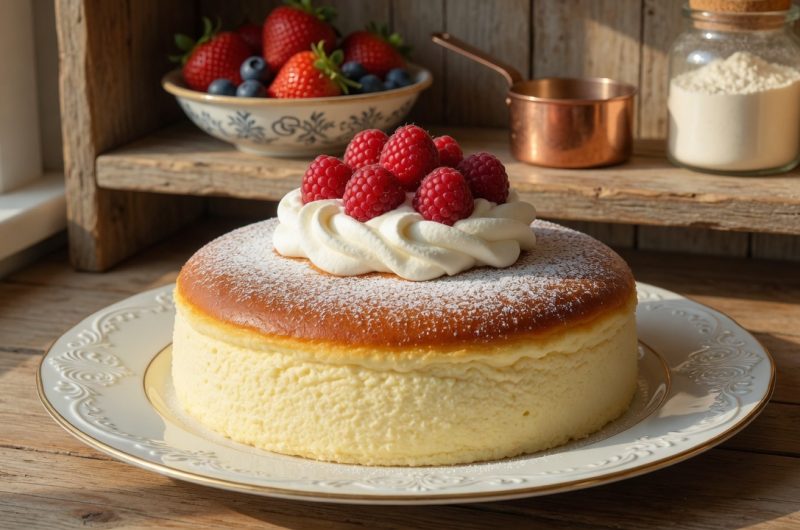
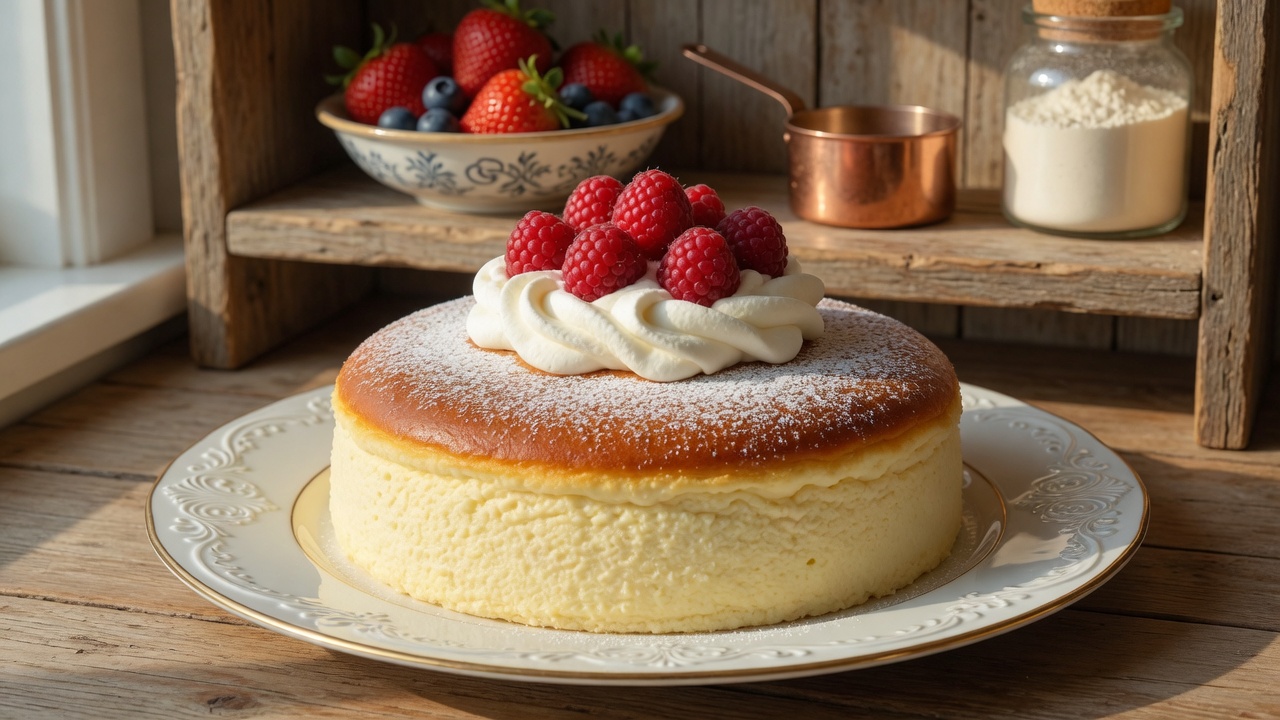
The finished cake has a mild vanilla flavor with a buttery taste and soft texture. It can be enjoyed plain or served with toppings mentioned in the original recipe, such as keto whipped cream or berries. These additions are optional and do not change the main ingredient list.
The Combination of Almond and Coconut Flour
Almond flour is one of the main dry ingredients in this keto cloud cake. It adds richness and helps create a softer texture. For the smoothest crumb, finely ground almond flour is generally easier to work with than a coarse almond meal because it blends more evenly into the batter.
Coconut flour behaves very differently from almond flour. It absorbs a significant amount of moisture, which is why the recipe uses a larger amount of yogurt and eggs to balance the dry ingredients. Measuring coconut flour carefully is important because adding extra can quickly make a low-carb cake dry.
Using both flours gives the batter a balance of texture and structure. Almond flour contributes a softer, richer base, while coconut flour absorbs moisture and helps the cake hold its shape. The listed quantities are designed to work together, so one flour should not simply be exchanged for more of the other.
Whisking the almond flour, coconut flour, baking powder, and salt together before adding them to the wet ingredients helps distribute everything evenly. This also breaks up small clumps and gives the baking powder a better chance to work throughout the cake.
Greek Yogurt and Coconut Yogurt
The recipe uses 1 cup of plain Greek yogurt or coconut yogurt. Yogurt is an important source of moisture in the batter and helps give the cake a soft texture. Its mild tang also balances the sweetness from the powdered erythritol and the richness from the butter.
Plain yogurt is the best match for this recipe because flavored varieties can change the taste and may contain additional ingredients. Greek yogurt creates a creamy batter, while coconut yogurt provides the dairy-free option listed in the original ingredients.
The yogurt is added gradually with the dry ingredients rather than all at once. Alternating the additions helps the thick batter come together more evenly. It also makes it easier to mix the coconut flour thoroughly without leaving dry sections.
Because coconut flour absorbs moisture quickly, the yogurt plays an important role in the final texture. Use the original amount listed in the recipe and mix until the batter is smooth. Once the ingredients are fully combined, avoid unnecessary mixing before transferring the batter to the prepared pan.
Powdered Erythritol for Sweetness
This recipe uses 1½ cups of powdered erythritol instead of regular sugar. The powdered form blends more easily into the softened butter and can help create a smoother texture than a coarse granulated sweetener. It also supports the sugar-free style of this keto dessert.
The sweetener is first beaten with the softened unsalted butter. This step is important because mixing the two ingredients thoroughly creates a lighter and creamier base. Continue beating until the mixture looks smooth and well combined before adding the eggs.
Powdered erythritol may provide a slightly different sweetness and texture from ordinary sugar, which is normal in low-carb baking. The butter, vanilla extract, yogurt, and salt help round out the flavor and create a balanced cake without relying on refined sugar.
Keep the listed amount unchanged when preparing the recipe. Sweeteners can behave differently during baking, so replacing powdered erythritol with another product may affect both sweetness and texture. Following the original ingredient list gives the best chance of achieving the intended result.
Butter Creates Richness and Texture
The 1½ cups of softened unsalted butter give this keto cake its rich and buttery character. Softened butter is easier to beat with powdered erythritol and helps create a smooth mixture. Cold butter will not cream in the same way and can make the early mixing stage more difficult.
Unsalted butter is listed so the amount of salt in the cake remains controlled by the separate pinch of salt. Butter also adds fat to the batter, which contributes to the supplied nutritional values and fits the recipe’s keto-style profile.
Before beginning, allow the butter to soften naturally so it is easy to beat but not melted. Butter that is overly warm can become greasy rather than fluffy. A properly softened texture allows it to combine smoothly with the powdered erythritol.
Beat the butter and sweetener until the mixture is creamy and lighter in appearance. This stage also introduces air into the mixture, helping support the softer texture of the finished keto cloud cake.
Eggs Help Build the Cake Structure
The recipe contains 5 large eggs, and they play an important part in holding the batter together. Eggs add structure while also helping the cake rise and develop a lighter texture during baking. Both the yolks and whites contribute to the final consistency.
Add the eggs gradually while mixing continuously, as directed in the original method. Adding them one at a time allows each egg to combine with the butter and erythritol mixture before the next one is introduced.
Room-temperature eggs are easier to incorporate into the softened butter mixture. Using ingredients at a similar temperature can help create a smoother batter and reduce the chance of the mixture appearing separated during the mixing process.
Do not reduce or remove the eggs because they are a key structural ingredient in this recipe. The amount is balanced with the almond flour, coconut flour, yogurt, butter, and baking powder to help the cake bake into firm but tender slices.
Baking Powder and the Light Texture
The recipe uses 16 g of baking powder to help the cake rise. Baking powder creates gas as the batter heats in the oven, which supports the airy texture associated with a cloud cake. It works together with the air introduced during the butter and sweetener mixing stage.
Before using baking powder, make sure it is still active and properly stored. Old baking powder may not provide enough lift, which can result in a flatter or denser cake. Store it in a dry place with the container tightly closed.
Whisk the baking powder with the coconut flour, almond flour, and salt before combining the dry ingredients with the wet mixture. This helps spread the leavening agent evenly throughout the batter instead of concentrating it in one section.
The cake should bake until the center is cooked through without leaving it in the oven longer than necessary. The original instructions recommend checking with a toothpick. When inserted into the center, it should come out clean to show that the cake is ready.
Preparing the Oven and Cake Pan
Preheat the oven to 360°F before preparing the final batter. Starting with a fully heated oven helps the cake begin baking at the correct temperature. This supports even cooking and allows the baking powder to work as the batter heats.
Use a 22 cm cake pan and line it with parchment paper as directed. Parchment paper helps prevent sticking and makes the cake easier to remove after cooling. Make sure the paper covers the base properly before adding the batter.
Prepare the pan before the batter is completely mixed. Once the baking powder has been combined with the wet ingredients, it is best to transfer the batter to the oven without unnecessary delay.
The keto cake batter should be poured into the lined pan and spread evenly across the surface. Smooth the top with a spatula so the batter is at a similar depth around the pan, helping it bake more evenly.
How to Mix the Keto Cake Batter
Begin by beating the softened butter and powdered erythritol in a large bowl. Continue until the mixture becomes smooth and creamy. This creates the base for the remaining ingredients and prepares the mixture for the gradual addition of eggs.
Add the 5 large eggs gradually while mixing continuously. Take enough time to blend each egg into the mixture before adding another. This helps maintain a smoother consistency throughout the wet ingredients.
In a separate bowl, whisk together the coconut flour, almond flour, baking powder, and salt. Mixing the dry ingredients separately gives you a more even blend before they are added to the main bowl.
Add the dry mixture to the wet ingredients alternately with the Greek yogurt or coconut yogurt. Continue until everything is combined and smooth. Stir in the sugar-free vanilla extract near the end of mixing before moving on to the baking stage.
Avoiding Overmixing
Once the batter is smooth and the ingredients are evenly combined, stop mixing. There is no need to continue beating the mixture for a long period. Extra mixing can change the texture and may make the finished cake less tender.
The batter should be thick because of the coconut flour, but it should still be smooth enough to spread in the prepared cake pan. Use a spatula to scrape the sides and bottom of the bowl so all ingredients are incorporated.
When alternating the dry ingredients with yogurt, add each portion gradually. This helps the ingredients combine more easily and prevents large lumps of dry flour from remaining in the finished batter.
The goal is a uniform mixture with no visible streaks of yogurt or dry flour. Once that stage is reached, add the vanilla if it has not already been mixed in, give the batter a final gentle stir, and transfer it to the prepared pan.
Baking Time and Temperature
Bake the keto cloud cake at 360°F for 35 to 40 minutes. The exact baking time can vary slightly depending on the oven and the cake pan, so begin checking near the lower end of the recommended time.
The top should look set and lightly golden when the cake is approaching readiness. Gently insert a toothpick into the center. If it comes out clean, the cake is ready to remove from the oven.
Avoid opening the oven repeatedly during the early baking stage because temperature changes can affect how evenly the cake cooks. Wait until the cake has had sufficient time to rise and set before checking it.
If the center still appears wet or the toothpick contains wet batter, continue baking and check again after a short period. Remove the cake once it is cooked through rather than extending the baking time unnecessarily.
Cooling Before Slicing
Allow the cake to cool completely at room temperature before slicing. Cooling gives the internal structure time to settle, making the cake easier to cut into clean portions. Slicing while the cake is very warm can cause the pieces to break apart.
Leave the cake in the pan during the initial cooling period if needed. Once it has become stable enough to handle, parchment paper can help with lifting it out. Handle the cake gently because low-carb cakes can have a more delicate structure when warm.
The flavor can also settle as the cake cools. The buttery base, yogurt, vanilla, and erythritol become more balanced after the cake has rested, giving the finished dessert a smooth and simple flavor.
After cooling, divide the cake into 10 servings. Keeping the portions similar in size helps match the supplied nutritional information for each serving.
Helpful Preparation Notes
Room-temperature ingredients can make the preparation easier. Softened butter combines more smoothly with powdered erythritol, room-temperature eggs blend more readily into the wet mixture, and yogurt that is not extremely cold can be incorporated with less effort.
Do not overbake the cake. Low-carb flours can become dry if exposed to heat for too long. Check the cake near the recommended minimum baking time and rely on the toothpick test rather than extending the baking time automatically.
Use a 22 cm pan as listed in the original method. A substantially different pan size can change the thickness of the batter and may affect how long the cake takes to bake. A deeper or wider pan can produce a different result.
For serving, the original recipe suggests keto whipped cream or berries if desired. These are optional serving choices rather than part of the main ingredient list. The cake can also be served plain when you want to keep the presentation simple.
Storage for Later Servings
Store leftover keto cloud cake in the refrigerator to help maintain freshness. Use an airtight container so the cake is protected from drying out and absorbing odors from other foods.
The original storage guidance recommends keeping the cake refrigerated for up to 5 days. If you plan to eat it gradually, slicing the cake into individual portions can make serving easier throughout the week.
For longer storage, individual slices can be wrapped and frozen for up to 2 months. Separating the portions before freezing makes it easier to remove only the amount you want at one time.
Allow frozen cake slices to thaw before serving. Proper storage makes this recipe suitable for preparing ahead when you want a keto-friendly dessert available without baking a new cake every time.
Keto Cloud Cake
Bake a light, fluffy keto cloud cake that tastes like bakery-quality dessert without the sugar and excess carbohydrates. This low-carb cake uses almond flour, coconut flour, and Greek yogurt to create an incredibly moist and airy texture while keeping the recipe completely sugar-free. With a delicate, cloud-like consistency and rich buttery flavor, this easy keto cake satisfies serious dessert cravings while fitting perfectly into your ketogenic lifestyle.
10
servings15
minutes40
minutes330
kcal55
minutesIngredients
1 cup plain Greek yogurt or coconut yogurt
1½ cups powdered erythritol
1½ cups unsalted butter, softened
½ cup almond flour
1¼ cups coconut flour
1 teaspoon sugar-free vanilla extract
A pinch of salt
16g baking powder
5 large eggs
Directions
- Preheat the oven to 360°F.
- Line a 22cm cake pan with parchment paper.
- In a large bowl, beat together softened butter and powdered erythritol until smooth and creamy.
- Add the eggs gradually while mixing continuously.
- In another bowl, combine coconut flour, almond flour, baking powder, and salt.
- Add the dry ingredients into the wet mixture alternately with the yogurt.
- Mix until fully combined and smooth.
- Stir in the vanilla extract.
- Pour the batter into the prepared cake pan and smooth the top evenly.
- Bake for 35–40 minutes or until a toothpick inserted into the center comes out clean.
- Allow the cake to cool completely at room temperature before slicing.
- Serve and enjoy.
Notes
- Use room-temperature ingredients for best texture.
Avoid overbaking to keep the cake moist and fluffy.
Store leftovers in the refrigerator for freshness.
Top with keto whipped cream or berries if desired.
Nutrition Facts
- Serving Size: 1 g
- Total number of serves: 1
- Calories: 330kcal
- Fat: 32g
- Carbohydrates: 5g
- Protein: 6g