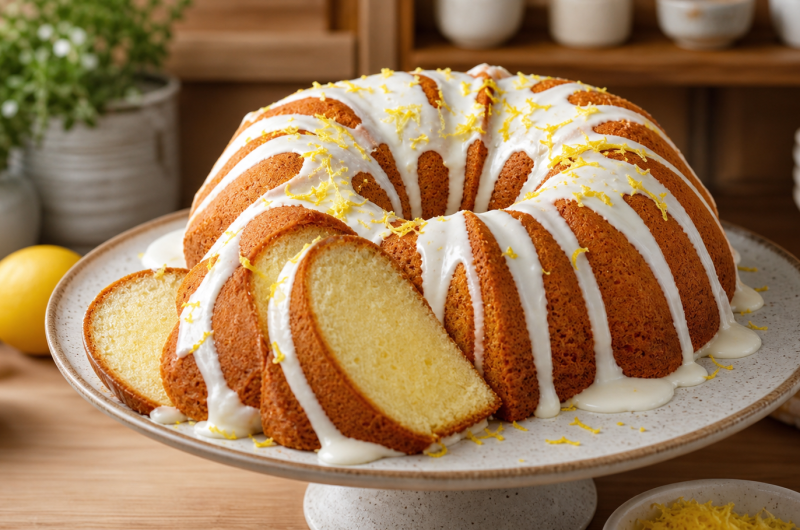
If you are searching for the best Lemon Ricotta Bundt Cake recipe that is moist, soft, and bursting with fresh citrus flavor, this classic Italian-inspired dessert deserves a place in your baking collection. Combining creamy whole milk ricotta cheese with fresh lemon zest and juice, this bundt cake achieves the perfect balance of tangy brightness and subtle sweetness. It is elegant enough for special occasions yet simple enough for everyday baking.
Unlike traditional butter cakes that can sometimes turn dry, this lemon ricotta cake remains tender and rich thanks to the addition of ricotta. Each slice delivers a soft crumb, delicate texture, and vibrant lemon aroma. Topped with a glossy lemon glaze and optional candied lemon peel, this cake looks impressive while requiring only basic baking skills.
Why Lemon Ricotta Cake Is So Popular
Lemon desserts consistently rank among the most searched baking recipes because they offer refreshing flavor without overwhelming sweetness. Ricotta-based cakes are especially popular in Italian cuisine, where dairy richness meets light citrus notes. This lemon ricotta bundt cake combines both traditions, creating a dessert that feels indulgent yet balanced.
Home bakers appreciate that the ingredients are simple and accessible. Butter, sugar, eggs, flour, and ricotta form the base, while lemon zest and juice add character. The result is a cake that pairs beautifully with coffee, tea, or fresh fruit.
The Secret to a Moist Bundt Cake
Ricotta cheese is the key to this cake’s moist texture. Unlike cream cheese, ricotta is lighter and less dense. When properly drained and incorporated into the batter, it prevents dryness and contributes subtle creaminess. Whole milk ricotta is preferred because it provides richer flavor and better consistency.
Draining excess liquid from ricotta is essential. Excess moisture can weigh down the batter and affect structure. Allowing the ricotta to sit in a fine mesh sieve ensures optimal texture.
Ingredient Breakdown and Their Purpose
Every ingredient in this lemon ricotta bundt cake serves a specific role. Softened butter creates a fluffy base when creamed with sugar. Granulated sugar sweetens and adds structure. Ricotta adds moisture and tenderness. Eggs bind ingredients and help the cake rise.
Vanilla extract enhances flavor depth. Lemon zest delivers fragrant citrus oils, while lemon juice provides tangy brightness. All-purpose flour forms structure, baking soda aids in rising, and salt balances sweetness. Powdered sugar and lemon juice create the finishing glaze.
Step 1 – Preparing the Bundt Pan and Oven
Preheat the oven to 350°F (175°C). Grease a 12-cup bundt pan thoroughly with butter and flour or nonstick spray. Proper preparation prevents sticking and ensures clean release.
Bundt pans with intricate designs require careful greasing to maintain the cake’s decorative shape.
Step 2 – Creaming Butter and Sugar
In a large mixing bowl, beat softened butter and granulated sugar until light and fluffy. This step incorporates air, which contributes to the cake’s tender crumb. Beat for at least two minutes until pale and creamy.
Proper creaming sets the foundation for a soft texture.
Step 3 – Incorporating Ricotta
Add drained ricotta cheese and beat on medium speed for about five minutes. This extended mixing time smooths the ricotta and enhances fluffiness.
The mixture should appear airy and uniform before adding other ingredients.
Step 4 – Adding Eggs and Flavorings
Add eggs one at a time, mixing well after each addition. Stir in vanilla extract, lemon zest, and lemon juice.
Combining wet ingredients gradually ensures smooth batter and prevents curdling.
Step 5 – Mixing Dry Ingredients
In a separate bowl, whisk together flour, baking soda, and salt. Gradually add the dry mixture to the wet ingredients on low speed until just combined.
Avoid overmixing, which can develop gluten and create dense texture.
Step 6 – Baking the Cake
Pour batter into the prepared bundt pan and smooth the top evenly. Bake for 40 to 45 minutes or until a toothpick inserted in the center comes out clean.
Allow the cake to cool in the pan for 15 minutes before transferring to a wire rack.
Step 7 – Preparing the Lemon Glaze
Whisk powdered sugar and lemon juice until smooth. Adjust consistency as needed. Thicker glaze requires more sugar; thinner glaze requires more juice.
Drizzle glaze over the cooled cake, allowing it to cascade down the ridges.
Notes for Best Results
Drain ricotta thoroughly before mixing. Use room-temperature butter and eggs for smooth blending. Avoid overbaking to maintain moisture. Cool completely before glazing. Grease bundt pan carefully to prevent sticking.
These simple practices ensure consistent texture and appearance.
Serving Suggestions
Serve lemon ricotta bundt cake with fresh berries, whipped cream, or a dusting of powdered sugar. Pair with espresso or afternoon tea.
The bright lemon flavor complements both casual gatherings and formal dinners.
Storage and Shelf Life
Store the cake in an airtight container at room temperature for up to three days. Refrigerate for up to one week if needed.
Wrap slices individually for freezing up to one month. Thaw at room temperature before serving.
Flavor Variations
For a citrus twist, add orange zest along with lemon. Replace glaze juice with Limoncello for a subtle adult flavor. Incorporate poppy seeds for texture variation.
These adjustments maintain the integrity of the recipe while offering customization.
Why This Cake Remains a Favorite
Lemon ricotta bundt cake remains popular because it offers freshness, moisture, and elegant presentation. Its texture sets it apart from traditional pound cakes.
By combining Italian tradition with simple preparation, it continues to trend among home bakers.
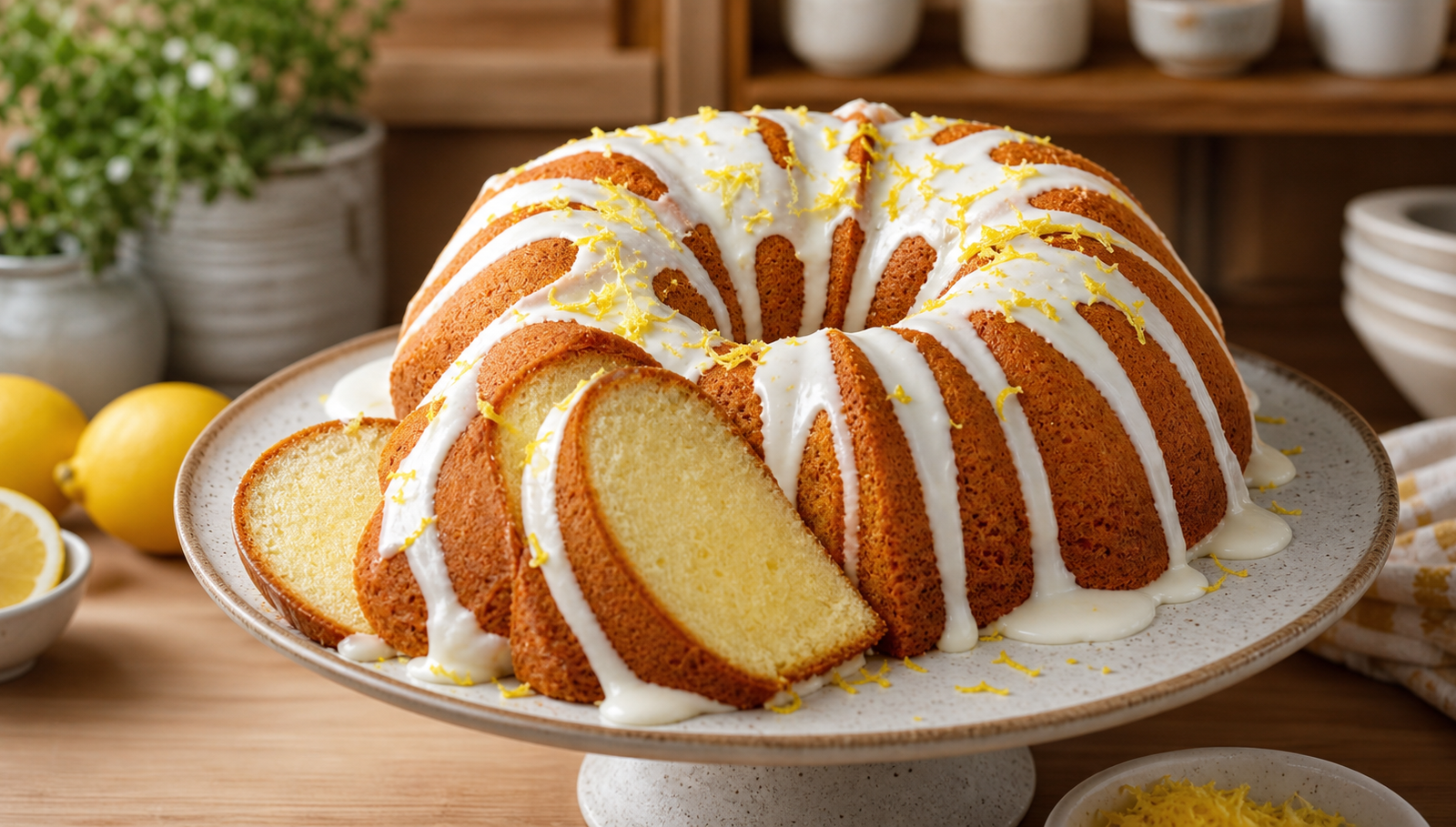
Lemon Ricotta Bundt Cake — Light and Fluffy
This is my go-to recipe for a wonderfully moist and flavorful Lemon Ricotta Bundt Cake, inspired by classic Italian baking. It’s a crowd-pleaser that’s surprisingly easy to make!
16
servings15
minutes45
minutes315
kcal1
hourIngredients
¾ cup (1 ½ sticks) unsalted butter, softened
1 ½ cups granulated sugar
15 ounces whole milk ricotta cheese, well-drained (see notes below)
3 large eggs, at room temperature
1 teaspoon pure vanilla extract
Zest and juice of 1 large lemon (preferably organic)
1 ½ cups all-purpose flour
½ teaspoon baking soda
½ teaspoon kosher salt
- For My Zesty Lemon Glaze:
2 cups powdered sugar
3 tablespoons fresh lemon juice (add more or less to reach desired consistency)
Candied lemon peel or fresh lemon slices, for decoration (optional)
Directions
- Preheat your oven to 350°F (175°C). Generously butter and flour your bundt cake pan, or spray it thoroughly with nonstick cooking spray. Set it aside.
- In a large mixing bowl or the bowl of a stand mixer, cream together the softened butter and granulated sugar until light and fluffy.
- Add the drained ricotta cheese to the butter-sugar mixture and blend until light and very well combined (about 5 minutes).
- Beat in the eggs one at a time, making sure each is fully incorporated. Stir in the vanilla extract, lemon juice, and lemon zest.
- In a separate bowl, whisk together the flour, baking soda, and salt. Gradually add the dry ingredients to the wet ingredients in two additions, mixing on low speed just until everything is combined. Be careful not to overmix.
- Pour the batter evenly into the prepared bundt cake pan and smooth the top.
- Bake for 40-50 minutes, or until a wooden skewer inserted into the center comes out clean.
- Let the cake cool in the pan for at least 15 minutes before carefully inverting it onto a wire rack to cool completely.
- While the cake cools, whisk together the powdered sugar and lemon juice in a small bowl until smooth. Add more lemon juice or a tiny bit of water if needed to get the right drizzling consistency.
- Once the cake is completely cool, drizzle the lemon glaze over the top. If you like, sprinkle with candied lemon peel or arrange fresh lemon slices for a pretty finish. Slice and enjoy!
Notes
- Notes for Extra Deliciousness:
Draining Ricotta: To drain the ricotta, place it in a fine-mesh sieve over a bowl and let it sit for at least 30 minutes (or up to an hour in the fridge). You can also gently press it with the back of a spoon to help release more liquid.
Limoncello Twist: For an adult version of the glaze, try substituting 1-2 tablespoons of the lemon juice with Limoncello liqueur.
Make Ahead: This cake can be made a day or two in advance. Store it in an airtight container at room temperature.
Glaze Absorption: If you want more glaze to soak into the cake, poke a few holes in the cooled cake with a skewer before drizzling.
Nutrition Facts
- Serving Size: 1 g
- Total number of serves: 16
- Calories: 315kcal
- Fat: 13g
- Saturated Fat: 8g
- Cholesterol: 75mg
- Sodium: 220mg
- Carbohydrates: 45g
- Fiber: 0.5g
- Sugar: 35g
- Protein: 6g
- Calcium: 70mg
- Iron: 1mg