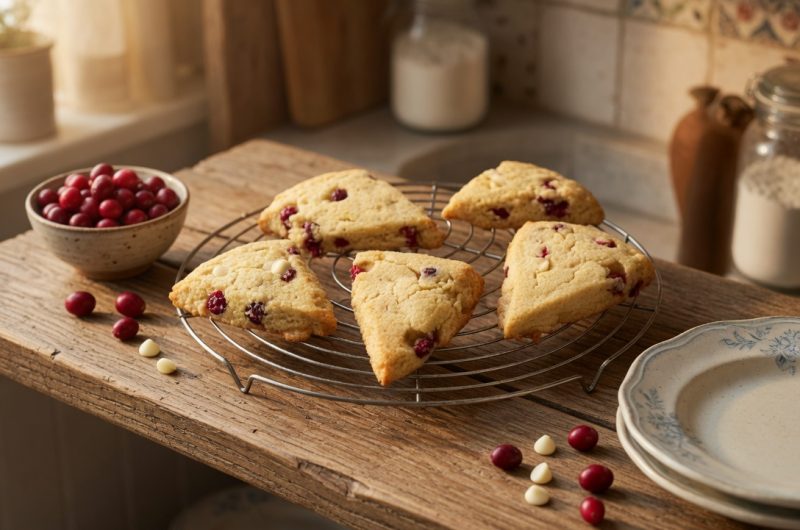
Gluten-free cranberry orange scones deliver soft, flaky texture combined with vibrant citrus and tart cranberry flavors that distinguish them as exceptional baked goods suitable for breakfast, brunch, or afternoon tea. The challenge of creating authentic scone texture without gluten requires understanding how ingredients interact and using proper techniques that professional bakers have refined through extensive testing. These scones achieve their characteristic tender crumb and delicate flakiness through careful ingredient selection, proper temperature management, and minimal handling that prevents gluten development that would create toughness. The combination of fresh oranges and cranberries creates a flavor profile that feels sophisticated and seasonal while remaining accessible for home bakers at any skill level. Unlike many gluten-free baked goods that taste dense or grainy, these scones rival traditional wheat-based versions in both texture and flavor, making them suitable for serving to guests regardless of dietary restrictions. The straightforward preparation process takes approximately one hour including chilling time, making these scones convenient for weekend baking or special occasions. Whether you are following a gluten-free diet by necessity or preference, this recipe demonstrates that traditional baked goods can be adapted successfully without sacrificing quality or enjoyment.
Selecting Quality Gluten-Free Flour for Proper Texture
The foundation of successful gluten-free baking rests on choosing a flour blend with appropriate composition and minimal excessive starch content that would create dense, gummy texture. Bob’s Red Mill One-to-One Gluten-Free Baking Flour and similar quality blends provide balanced ratios of flours and starches designed to approximate wheat flour’s behavior in various baking applications. These well-formulated blends contain adequate protein to provide structure while including starches that create tenderness and prevent excessive dryness. Avoiding flour blends with excessive cornstarch, such as Cup4Cup, prevents creating scones with overly dense, stodgy texture that lacks the desired lightness. Reading flour blend packaging identifies whether xanthan gum is already included; if not, adding one teaspoon of xanthan gum improves binding and creates better texture by providing the structure that gluten normally provides. This seemingly minor detail significantly impacts whether your scones achieve the desired texture or result in disappointingly crumbly products.
The Importance of Fresh Oranges and Proper Zesting
Using both zest and juice from fresh oranges ensures maximum flavor that cannot be replicated with bottled juice or dried zest. Organic oranges are recommended, particularly when using the zest, because they are free from pesticide residues that commercial oranges may have accumulated. The zest contains concentrated orange oils that deliver intense citrus flavor when rubbed into sugar, a technique that releases and distributes these flavorful compounds throughout the scone dough. Always zesting oranges before juicing ensures maximum ease; zesting whole fruit is simpler than attempting to zest cut pieces. The fresh juice provides liquid for the dough while contributing bright flavor that complements the tart cranberries beautifully. This combination of zest and juice creates authentic orange flavor impossible to achieve with bottled juice alone.
Understanding Cranberry Selection and Preparation
Fresh cranberries offer bright, tart flavor that balances the sweetness of the orange and sugar without becoming cloying. Frozen cranberries work acceptably and require no thawing; simply chopping them roughly and using them directly prevents excess moisture that would compromise dough texture. Dried cranberries, while convenient, lack the sharpness and intensity of fresh or frozen varieties, resulting in less vibrant flavor. Roughly chopping cranberries before mixing into the batter distributes them evenly and prevents large pieces from sinking to the bottom of the scones during baking. The tartness of cranberries creates flavor complexity that elevated these scones beyond simple citrus versions.
Why Buttermilk Creates Superior Scone Texture
Buttermilk contributes tangy flavor and acidity that reacts with baking soda or baking powder to create superior rise and tender crumb. The cultured dairy product contains lactic acid that adds subtle complexity while the low fat content of buttermilk creates lighter texture than whole milk would produce. If buttermilk is unavailable, combining one tablespoon of vinegar or lemon juice with one cup of milk creates a reasonable substitute that develops tanginess as it sits briefly. However, commercial buttermilk produces noticeably superior texture and flavor compared to homemade substitutes, justifying the small additional cost. The acidity in buttermilk also helps activate leavening agents more effectively than neutral milk, contributing to better rise.
The Critical Role of Cold Butter in Creating Flakiness
Cold unsalted butter, cut into small pieces or grated, creates the signature flaky texture by remaining separate from the flour rather than blending completely. As the cold butter pieces melt during baking, they create steam pockets that develop into layers that characterize flaky scones. Warm or softened butter blends completely into the flour, eliminating the texture advantage and creating dense, cake-like results. For dairy-free versions, solid dairy-free butter substitutes work acceptably, though spreadable versions should be avoided because they contain additional moisture that compromises texture. The temperature of ingredients significantly impacts final results, making cold butter essential rather than optional.
Preparing Dry Ingredients for Even Leavening Distribution
Sifting or whisking together gluten-free flour, baking powder, and salt in a separate bowl ensures these critical leavening and flavoring components distribute evenly throughout the mixture. Even distribution of baking powder is essential because uneven concentration results in some areas rising excessively while others remain flat. The whisking process also aerates the flour slightly, beginning the incorporation of air that contributes to light texture. Salt enhances all flavors and prevents the scones from tasting flat or one-dimensional. This preliminary preparation prevents overmixing later when wet and dry ingredients combine, which would develop toughness.
The Technique of Rubbing Zest into Sugar
Combining orange zest with granulated sugar and rubbing the mixture between your fingers releases the essential oils in the zest, infusing the sugar with vibrant orange flavor. This technique distributes the zest more evenly than simply adding it to the dough, ensuring every bite contains orange flavor rather than occasional zest pieces. The rubbed-together mixture becomes fragrant and slightly damp as the oils release, demonstrating that proper technique has been applied. This simple step elevates the final flavor of the scones significantly.
Incorporating Cold Butter Without Overmixing
Adding cold butter pieces to the flour mixture and using a pastry blender, fork, or clean hands to work it in creates pea-sized crumbs that bake into flaky layers. The goal is visible butter pieces distributed throughout the flour, not a uniform, smooth mixture. Working quickly while incorporating butter prevents it from warming and blending completely into the flour. The pea-sized crumb texture indicates proper incorporation; over-mixing creates a dough that is too uniform and bakes into dense scones.
Combining Wet and Dry Ingredients with Minimal Mixing
Whisking buttermilk, egg, vanilla, and orange juice together creates a frothy mixture that incorporates smoothly when added to dry ingredients. Pouring the wet mixture over the flour-butter combination and stirring gently with a spatula until the dough just comes together prevents overmixing that develops toughness. The dough will appear shaggy and rough, which is correct; smooth, polished dough indicates overmixing. Stopping as soon as the dough barely holds together is crucial for tender results. The chopped cranberries distribute throughout during this gentle mixing.
Shaping and Initial Chilling for Optimal Results
Transferring the dough to the prepared baking sheet and kneading briefly for approximately thirty seconds brings it into a cohesive ball without developing excessive gluten. Shaping into a seven-inch circle approximately three-quarters to one inch thick provides ideal proportions for even baking. If the dough is sticky, a light dusting of gluten-free flour makes handling easier without significantly affecting texture. Chilling the dough for at least ten minutes, or up to forty-eight hours, firms the butter and allows flavors to develop. This crucial step ensures maximum flakiness and allows flexibility in timing.
Proper Oven Temperature and Baking Time
Preheating the oven to four hundred degrees Fahrenheit while the dough chills ensures the oven reaches proper temperature before baking begins. Baking for twenty-two to twenty-six minutes produces golden-brown scones that are slightly firm to the touch. The exact baking time depends on your oven and scone thickness, so monitoring the last few minutes prevents over-browning. Cooling the scones on the baking sheet for at least ten minutes allows them to firm up before transferring to a wire rack, preventing them from crumbling.
Creating and Applying Sweet Orange Glaze
Whisking powdered sugar with freshly squeezed orange juice creates a smooth glaze that drizzles beautifully over cooled scones. Adding juice gradually allows you to control consistency, creating a drizzle that flows easily but maintains definition rather than becoming overly thin. Allowing the glaze to set before serving prevents smudging. Additional orange zest sprinkled on top before the glaze sets creates visual appeal and bursts of citrus flavor.
Storage Strategies for Maximum Freshness
Storing leftover scones in an airtight container at room temperature preserves quality for up to three days, though they taste best enjoyed fresh. Warming scones in the oven or microwave before serving restores tenderness and warmth. Freezing baked scones in freezer-safe containers preserves quality for up to two months, with thawing at room temperature before serving. Unbaked dough can also be frozen as cut wedges, then baked directly from frozen with four to six additional minutes of baking time, allowing convenient fresh-baked scones without advance preparation.
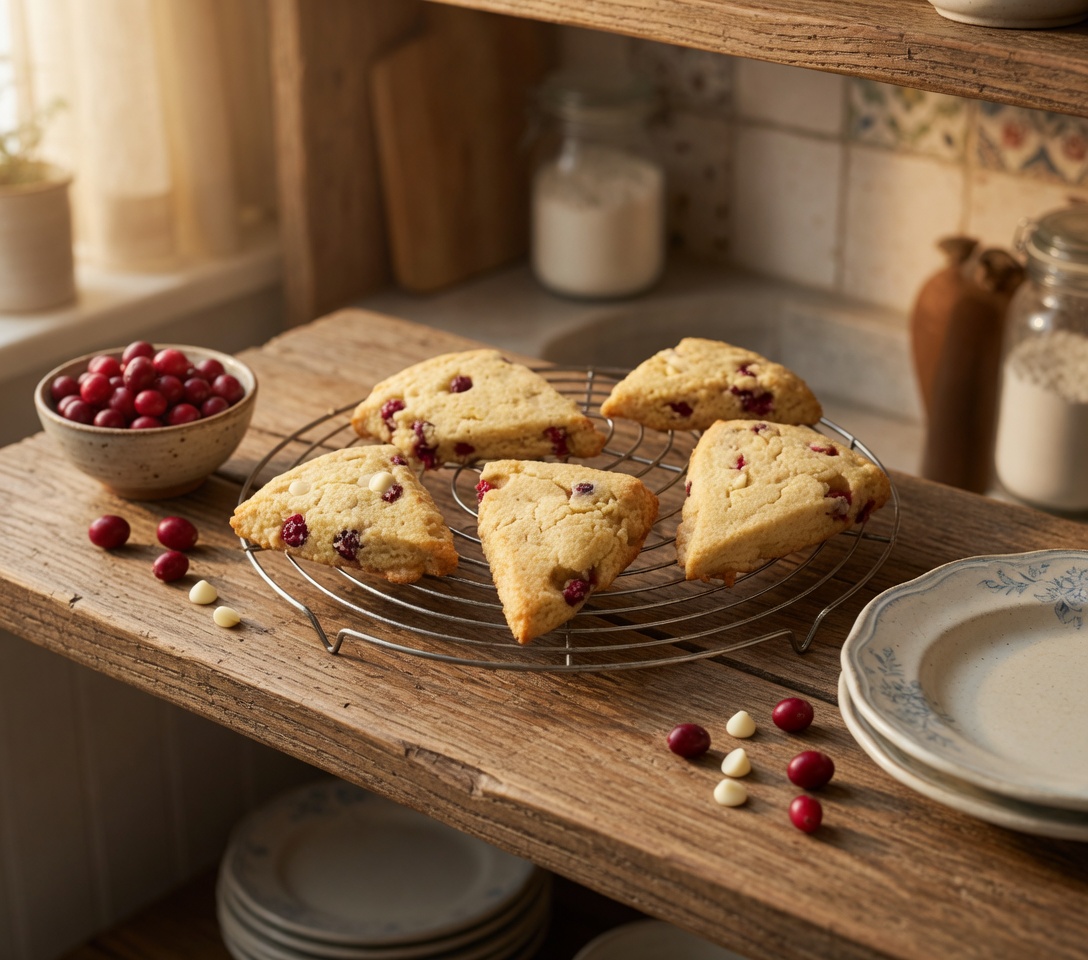
Gluten Free Cranberry Orange Scones
These easy-to-make gluten-free cranberry orange scones are tender and flaky with fresh cranberries and a sweet orange glaze. Perfect for breakfast, brunch, or a holiday treat!
25
minutes25
minutes50
minutesIngredients
Zest from 2 oranges (about 1 tbsp)
100 g granulated sugar
300 g gluten-free all-purpose flour
14 g baking powder
½ tsp kosher salt
113 g unsalted butter, cold
125 g buttermilk
1 large egg, cold
25 g fresh orange juice
1 tsp vanilla extract
100 g fresh cranberries, roughly chopped
Raw sugar (for topping)
Extra buttermilk (for brushing)
- Sweet Orange Glaze
120 g powdered sugar
30-40 g orange juice
Directions
- Prepare baking sheet: Line with parchment paper.
- Mix dry ingredients: Whisk flour, baking powder, and salt.
- Chop cranberries: Prepare fresh or frozen cranberries.
- Infuse sugar: Mix sugar and orange zest.
- Cut in butter: Add cold butter and work into dry ingredients.
- Mix wet ingredients: Whisk buttermilk, egg, orange juice, and vanilla.
- Form dough: Combine wet and dry ingredients. Add cranberries.
- Shape: Knead dough and form a circle.
- Chill: Refrigerate dough for 10 minutes.
- Preheat oven: Set to 400°F (200°C).
- Cut and bake: Slice into wedges, brush with buttermilk, and sprinkle with sugar. Bake for 22–26 minutes.
- Cool and glaze: Once cool, drizzle with orange glaze.