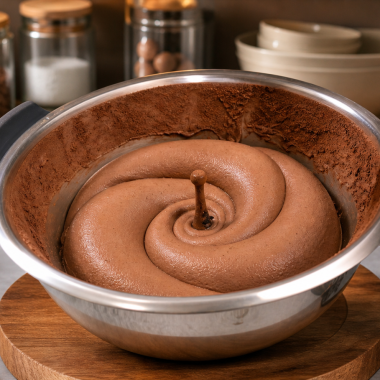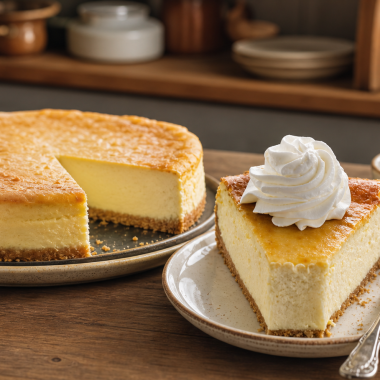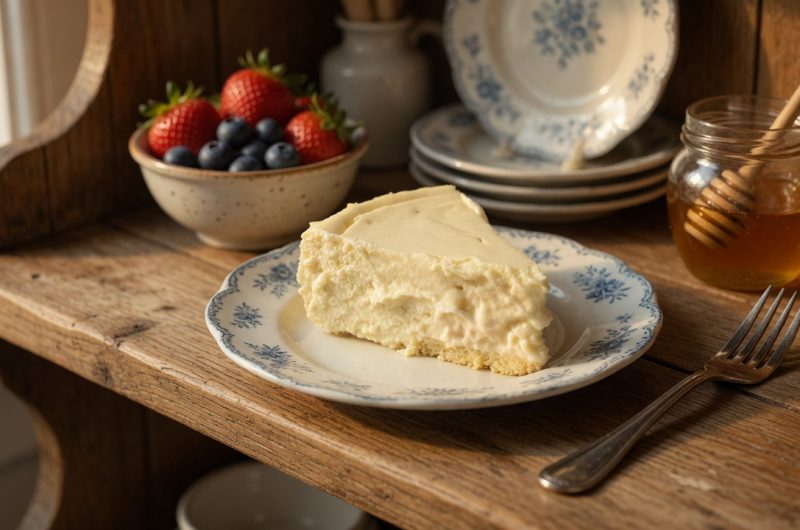
Creating a Japanese cotton cheesecake at home opens up exciting possibilities for anyone following a ketogenic or gluten-free lifestyle. This particular style of cheesecake differs dramatically from traditional American cheesecake because it achieves a light, fluffy texture rather than a dense, heavy one. The dessert combines the richness of multiple cheese varieties with the airiness of whipped egg whites to create something genuinely special. What makes this recipe particularly appealing is that it contains no flour whatsoever, making it naturally suitable for people avoiding gluten. The keto-friendly sweetener keeps the carbohydrate count low while still providing the sweetness you expect from a dessert. This cheesecake proves that eating according to dietary restrictions does not mean sacrificing flavor or enjoying indulgent desserts. The combination of creamy cheese layers with a pillowy meringue top creates a texture that is both decadent and surprisingly light. Anyone who has struggled to find desserts that fit their dietary needs will appreciate how this recipe delivers satisfaction without compromise.
Understanding the Triple-Cheese Foundation for Richness and Texture
The cheese selection in this recipe works together to create a complex flavor profile and the ideal texture that makes Japanese cotton cheesecake distinctive. Philadelphia cream cheese, which is the base of the mixture, provides a smooth and velvety foundation that other cheeses build upon. This particular cream cheese is preferred because of its consistent quality and predictable melting behavior when heated gently. Grated mozzarella cheese adds subtle stretchiness and creates a silky texture throughout the cake when melted and combined properly. The mozzarella does not overpower the flavor but instead works quietly in the background to improve the overall eating experience. The third cheese, either cheddar or parmesan, brings character and depth to the cheesecake in different ways. Cheddar offers a sharp, slightly tangy bite that cuts through the richness of the cream cheese beautifully. Parmesan provides nutty undertones and a more subtle presence. Choosing between them depends on your personal taste preferences and whether you want something more pronounced or more delicate.
The Critical Role of Egg Yolks in Creating Structure and Custard-Like Richness
Six large egg yolks serve as one of the most important ingredients in this cheesecake recipe because they provide both structure and an incredibly rich, custard-like texture. The yolks contain lecithin and fat that emulsify the mixture, creating smoothness and preventing separation. This emulsification is what allows all the ingredients to combine harmoniously into a single, cohesive batter. The protein in the yolks also provides structure that helps the cheesecake hold together during baking. When eggs are at room temperature, they incorporate more thoroughly into the cheese mixture than cold eggs do. This thorough incorporation prevents lumps and ensures even distribution of all ingredients throughout the cake. The richness that egg yolks contribute is one of the reasons this Japanese-style cheesecake tastes indulgent despite being lighter than traditional versions. Without sufficient egg yolks, the cheesecake would lack the characteristic custard quality that makes it special.
Choosing the Right Keto-Friendly Sweetener for Your Cheesecake
Lakanto sweetener serves as the primary sweetening agent in this recipe because it provides sweetness without any of the carbohydrates found in regular sugar. This sweetener comes from monk fruit, a natural source, which appeals to people who prefer natural ingredients. Lakanto measures cup-for-cup like sugar, making it easy to use in recipes without complicated conversions. The sweetener dissolves smoothly when incorporated into warm cheese mixtures, ensuring even distribution throughout. Some people are sensitive to the aftertaste of certain artificial sweeteners, but many find Lakanto to be one of the cleanest-tasting options available. If you prefer different sweetening options, erythritol works as a substitute, though you may need to adjust quantities slightly because erythritol can have a cooling sensation on the palate. Allulose is another option that provides sweetness and brown well during baking. The key with any sweetener substitute is understanding that different sweeteners have different potency levels, so adjusting the quantity based on your personal sweetness preference is important.
Why Unsalted Butter Delivers Luxury and Depth of Flavor
Unsalted butter is used intentionally in this recipe rather than salted butter because it allows complete control over the salt content in the cheesecake. Seventy grams of unsalted butter melted into the cheese mixture contributes a luxurious, buttery finish that rounds out all the other flavors. Butter adds fat-soluble vitamins and a richness that enhances the overall eating experience. The fat in butter also helps keep the cheesecake moist and prevents it from becoming dry even after storage. When melted and incorporated into the warm cheese mixture, the butter combines smoothly without creating grease pockets. This integration is why temperature control matters during the cheese mixture preparation stage. The luxurious quality that butter brings is particularly important in a keto dessert because fat provides satisfaction and helps the cheesecake feel truly indulgent.
The Purpose of Heavy Cream in Creating Depth and Creaminess
Heavy cream, measured at fifty grams, adds both creaminess and depth to the finished cheesecake. The fat content in heavy cream contributes to the rich mouthfeel that makes this dessert so satisfying. Beyond richness, the cream also helps create a smoother texture by reducing the concentration of cheese in the mixture. This moderation prevents the cheese from being overwhelming or creating a dense, heavy cake. When incorporated into the warm cheese mixture, heavy cream blends seamlessly and improves the overall texture. The small amount used is sufficient to make a noticeable difference without adding excessive liquid.
Fresh Lemon Juice as a Flavor Balancer and Brightening Agent
One tablespoon of fresh lemon juice serves as a crucial balancing ingredient that brightens the overall flavor profile. The acidity from lemon juice cuts through the richness of multiple cheeses and cream, preventing the cheesecake from tasting heavy or one-dimensional. This brightness prevents flavor fatigue, meaning people can enjoy larger portions without feeling overwhelmed. The lemon juice also enhances and clarifies all the other flavors, making them more distinct and interesting. Fresh lemon juice is preferred over bottled juice because it provides superior flavor and a cleaner taste. The amount used is carefully calibrated to provide balance without making the cheesecake taste lemony or sour.
Pink Himalayan Salt and Vanilla Extract as Final Flavor Enhancements
One quarter teaspoon of pink Himalayan salt naturally enhances all the other flavors in the cheesecake by bringing them into sharper focus. Salt suppresses bitterness and makes sweet flavors more prominent. Without adequate salt, the cheesecake can taste flat and one-dimensional. Pink Himalayan salt is chosen for its mineral content, which adds subtle complexity beyond what refined white salt provides. One half teaspoon of vanilla extract provides a warm, aromatic quality that ties all the flavors together. The vanilla does not make the cheesecake taste like vanilla cake but rather provides an underlying warmth that enhances everything else. Real vanilla extract is preferred because it provides superior flavor compared to artificial vanilla flavoring.
Creating the Egg White Meringue for Pillowy Texture and Lift
Six large egg whites form the meringue that creates the characteristic light, airy texture for which Japanese cotton cheesecake is famous. Separating eggs properly and ensuring that absolutely no yolk makes it into the whites is essential because even trace amounts of fat prevent egg whites from whipping to proper peaks. The whites transform from clear liquid to glossy, stiff peaks through vigorous whipping that incorporates air. This air is what creates the pillowy texture and lightness in the final cheesecake. The meringue is not baked separately but rather folded into the cheese mixture, so it disperses throughout the cake rather than remaining on top. This distribution of air throughout the entire cake creates the distinguishing characteristic of Japanese cotton cheesecake.
Understanding Cream of Tartar and Lemon Juice as Meringue Stabilizers
Cream of tartar or lemon juice stabilizes the egg whites during whipping, preventing them from separating or becoming grainy. These stabilizers work by lowering the pH of the egg whites, which strengthens the protein structure that traps air. Quarter teaspoon of cream of tartar or one half teaspoon of lemon juice is sufficient to stabilize a full six egg whites. Using one or the other is a matter of personal preference, though cream of tartar produces slightly more stable meringue. If neither ingredient is available, the egg whites will still whip, but the meringue may be less stable and prone to collapsing. The meringue made with proper stabilization remains whipped longer without separating, allowing time to fold it into the cheese mixture.
The Water Bath Method for Even, Gentle Heat Distribution
Using a water bath during baking is essential for achieving the characteristic texture of Japanese cotton cheesecake. This method surrounds the cake pan with gentle, humid heat that cooks the cake slowly and evenly. The water bath prevents the cheesecake from cooking too quickly on the outside while remaining undercooked inside. The humidity created by the water prevents the surface from drying out, which reduces cracks. A larger roasting pan filled with hot water that reaches about one inch up the sides of the cake pan is the standard setup. The cheesecake bakes on the lowest oven rack to ensure even heat distribution from both top and bottom.
Avoiding Common Baking Mistakes That Compromise Texture and Appearance
Room-temperature ingredients are crucial because they combine more smoothly than cold ingredients. When eggs, cream cheese, and other ingredients are warm, they blend together without lumps and incorporate air more effectively. Separating eggs at room temperature is easier and produces higher meringue peaks. The oven temperature of three hundred two degrees Fahrenheit is much lower than traditional cheesecake, allowing the delicate cake to bake gently without browning too much. Springform pans should be avoided because the water can leak through the seams during baking, potentially making the cake soggy. A regular round cake pan with parchment paper works reliably. The oven door should not be opened during baking because heat loss can affect texture and cause cracks.
Cooling Gradually to Prevent Cracks and Allow Proper Setting
After ninety minutes of baking, the cheesecake should still look slightly jiggly in the very center, which indicates it is perfectly cooked. Turning off the oven and leaving the cheesecake inside with the door slightly ajar for thirty minutes allows it to cool gradually. This slow cooling prevents the dramatic temperature shock that causes cracks to form. During this resting period, the cheesecake continues to set as it cools. After the oven cooling period, the cake should be removed and allowed to cool to room temperature on the counter. Only after reaching room temperature should it be refrigerated.
Refrigeration and Serving for Optimal Flavor Development
Chilling the cheesecake for at least two hours before serving enhances both texture and flavor. Cold cheesecake cuts more cleanly and has a firmer structure that allows beautiful slices. The flavors also develop and meld together during refrigeration, creating a more complex taste than the warm cake immediately after baking. Using a knife dipped in warm water creates clean cuts through the cheesecake without dragging or tearing. After cutting each slice, the knife should be dipped in warm water and wiped dry to ensure clean edges on subsequent slices. Serving the cheesecake cold with perhaps a small garnish of fresh berries or lemon zest creates an elegant presentation.
Storage Solutions to Maintain Freshness and Quality
Leftover cheesecake keeps well in an airtight container in the refrigerator for up to three days. The airtight container prevents the cheesecake from absorbing odors from the refrigerator and prevents it from drying out. Cheesecake can also be frozen for longer storage, though the texture may change slightly after thawing. Proper storage ensures that you can enjoy this dessert across multiple days without waste or compromise in quality.
Customizing the Recipe with Different Cheese Varieties
While the recipe calls for specific cheeses, experimentation with keto-friendly alternatives like gouda or asiago can create personalized flavor variations. Gouda brings a smoky sweetness that pairs beautifully with the other ingredients. Asiago offers a more pronounced nutty character. When substituting cheeses, maintaining the same total weight ensures that the recipe proportions remain balanced. The flavor will change based on your cheese selection, so different versions can be created depending on your preferences and what ingredients you have available.
Making This Recipe Suitable for Various Dietary Restrictions
This cheesecake is naturally gluten-free because it contains no flour, making it suitable for anyone with celiac disease or gluten sensitivity. The keto-friendly sweetener keeps carbohydrate content low, making it appropriate for people following ketogenic diets. The recipe is also suitable for people following low-carb lifestyles and those avoiding refined sugar for health reasons. For people following dairy-free diets, this recipe cannot be easily modified because cheese is central to the flavor and texture. The recipe is naturally free from artificial additives if you use quality ingredients, making it suitable for those seeking clean eating options.
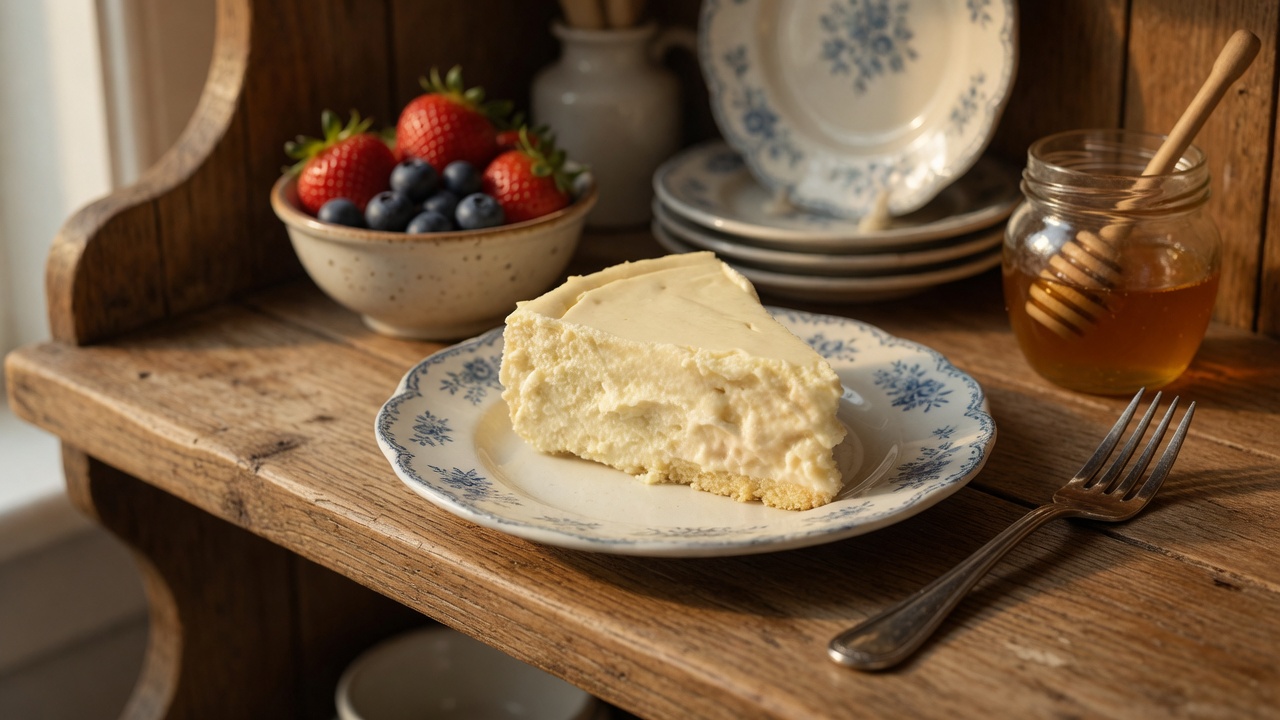
Low-Carb Japanese Cotton Cheesecake
Enjoy a slice of creamy, cloud-like cheesecake with zero guilt!
12
servings30
minutes1
hour30
minutes228
kcal2
hoursIngredients
- Cheese Mixture:
250g Philadelphia cream cheese
60g mozzarella cheese (grated)
20g cheddar or parmesan cheese (grated)
6 large egg yolks
70g Lakanto sweetener
70g unsalted butter
50g heavy cream
1 Tbsp lemon juice
¼ tsp Himalayan salt
½ tsp vanilla extract
- Meringue:
6 large egg whites
¼ tsp cream of tartar
70g Lakanto sweetener
Directions
- Preheat and Prepare: Preheat your oven to 150°C (302°F). Grease and line an 8-inch cake pan.
- Melt and Mix: Over a double boiler, melt the cream cheese, mozzarella, and cheddar/parmesan until smooth. Stir in the sweetener, yolks, butter, cream, lemon juice, vanilla, and salt. Keep warm.
- Make the Meringue: Beat egg whites with cream of tartar until foamy. Gradually add sweetener and whip to stiff peaks.
- Combine: Fold the meringue into the cheese mixture in three parts. Pour the batter into the prepared pan and smooth the top.
- Bake: Place the pan in a water bath and bake for 90 minutes. Cool in the oven for 30 minutes with the door slightly open.
- Chill and Serve: Remove the cake from the pan, chill for 2 hours, and enjoy!
Nutrition Facts
- Fat: 18g
- Carbohydrates: 1g
- Protein: 6g