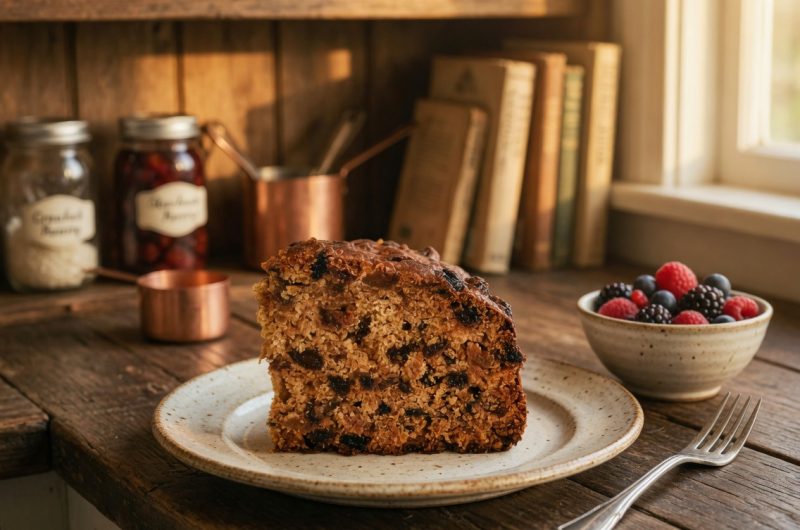
Boiled fruit cakes have held a special place in home baking traditions for generations, and adding pineapple to the mix creates a wonderfully modern twist on this classic approach. This particular recipe combines rich mixed dried fruits with the natural sweetness and moisture of crushed pineapple, creating a cake that feels both traditional and uniquely flavorful. The combination of warm spices, brown sugar, and buttery richness produces a moist, deeply satisfying cake that works perfectly for Christmas celebrations, birthday parties, afternoon tea gatherings, or simply enjoying as a special treat any time of year. What makes this boiled pineapple fruit cake particularly appealing is how straightforward the method is, despite producing results that taste like you spent hours in the kitchen. The boiling technique creates layers of flavor that develop as ingredients meld together, resulting in a cake that tastes even better a day or two after baking. Unlike many modern cakes that go stale quickly, this retro-style fruit cake actually improves with age as flavors continue to develop and intensify.
Understanding the Boiling Method and Why It Creates Superior Results
The boiling method used in this recipe sets it apart from modern cake baking approaches and creates results that conventional mixing simply cannot achieve. By simmering the mixed dried fruits, crushed pineapple, brown sugar, butter, and bicarbonate of soda together, you allow all these ingredients to begin combining at a molecular level before the flour and eggs are even added. This early combination creates a foundation where flavors have already started melding together, developing complexity and depth that bakes into every slice of finished cake. The heat from boiling helps soften the dried fruits more thoroughly than simply mixing them would, ensuring they remain plump and flavorful rather than dry and tough. The sugar dissolves completely into the mixture, distributing sweetness evenly rather than creating pockets of crystalline sweetness. The butter melts and incorporates smoothly, coating the fruit particles and creating a richness that permeates the entire cake. This boiling stage essentially pre-processes ingredients, making them ready to come together perfectly when flour and eggs are folded in later.
The Importance of Crushed Pineapple and Its Natural Moisture Content
Crushed pineapple plays a starring role in this recipe, providing natural juiciness that keeps the cake exceptionally moist without requiring additional syrups, glazes, or extra liquid additions. The natural moisture from pineapple juice ensures that the finished cake never becomes dry or crumbly, a common problem with many traditional fruit cakes that rely solely on dried fruits. The entire tin of crushed pineapple, including all the juice, gets incorporated into the boiling mixture, meaning no moisture is lost during preparation. This abundance of liquid contributes to the cake’s characteristic tender crumb and prevents the heavy, dense texture that some poorly made fruit cakes develop. The natural sugars in pineapple add sweetness that complements the warm spices and brown sugar, creating a more complex flavor profile than using water or other neutral liquids would provide. The pineapple also adds a subtle tropical note that cuts through the richness of butter and dried fruits, creating better balance. This approach eliminates the need for soaking dried fruits in alcohol or other liquids the night before baking, simplifying the preparation significantly.
Bicarbonate of Soda and Its Role in Creating Light, Airy Texture
Bicarbonate of soda, added directly to the boiling mixture, serves multiple critical functions that make this cake’s texture unique and desirable. When the soda comes into contact with the hot liquid mixture, it immediately begins reacting, creating carbon dioxide bubbles that you will see as the mixture froths and rises during boiling. This foaming action is not something to worry about but rather something to appreciate, as it indicates the soda is working perfectly. The boiling process allows the bicarbonate of soda to begin reacting immediately, creating some lift before the cake even goes into the oven. When flour is later folded into this mixture, the soda continues to work, creating additional lift that results in a light, airy crumb structure. This approach creates tenderness that is difficult to achieve with modern leavening agents alone. The bicarbonate also helps neutralize any acidity in the dried fruits and pineapple juice, creating a more balanced flavor profile. Using this old-fashioned method produces cakes with character and depth that modern baking techniques sometimes lack.
Mixed Dried Fruits and Creating Flavor Complexity
The mixed dried fruits form the backbone of flavor in this cake, providing sweetness, chewiness, and textural interest that makes every bite enjoyable. Traditional mixed fruit blends typically include raisins, currants, sultanas, and sometimes candied peel, though specific combinations vary by brand and region. These different fruits bring their own flavor notes to the cake, creating a complex taste that is far more interesting than using a single fruit variety. The dried fruits are softened during the boiling process, ensuring they remain plump and flavorful rather than tough or shriveled. Different sized fruit pieces also create textural variation throughout the cake, keeping the eating experience interesting from beginning to end. For people who have favorite dried fruits, the recipe can be customized by adjusting the fruit mix to personal preferences. Some bakers prefer adding extra dried apricots for tanginess, cranberries for tartness, or dried cherries for additional sweetness. The boiling process ensures all these fruit varieties absorb moisture and flavor from the liquid they boil in, creating better integration than simply stirring them into dry ingredients would achieve.
Brown Sugar and Its Contribution to Deep Flavor Notes
Brown sugar, rather than white sugar, is specifically called for in this recipe because it brings molasses content that creates deeper, richer flavor notes. The molasses in brown sugar adds caramel-like complexity that complements warm spices and dried fruits beautifully. When brown sugar dissolves during boiling, it creates a more intense sweetness base compared to white sugar, which tends to taste cleaner and simpler. The molasses also contributes to the cake’s darker color, creating an attractive appearance that suggests the rich flavors inside. Brown sugar’s slightly moist texture means it dissolves more readily during boiling, creating a smooth, even distribution of sweetness throughout the mixture. Using brown sugar rather than white sugar also adds subtle hints of vanilla and spice that enhance the overall flavor profile. The amount of brown sugar used is carefully calibrated to provide sweetness without overwhelming the fruit and spice flavors, creating balanced taste rather than a one-note sweetness.
The Role of Butter in Creating Richness and Moisture
Butter serves as both a flavor component and a texture enhancer in this boiled fruit cake recipe. When melted into the hot boiling mixture, butter distributes its rich, creamy flavor evenly throughout the liquid base. The fat content in butter coats the fruit particles and eventually the flour particles in the batter, creating a tender crumb that resists becoming dry. Unlike oil-based cakes that can feel greasy, butter-based cakes have a more refined mouthfeel and taste more indulgent. The butter melting process during boiling ensures complete integration into the mixture rather than remaining in separate pockets that could create uneven texture. The amount of butter specified in the recipe has been carefully calculated to provide richness without creating an overly heavy or oily cake. Melting butter into a hot liquid mixture also helps distribute it more evenly than adding softened butter would achieve.
Self-Raising Flour and Plain Flour Balance for Optimal Structure
The combination of self-raising flour and plain flour creates the perfect balance between leavening and structure in this fruit cake. Self-raising flour already contains baking powder and salt, providing some lift beyond what the bicarbonate of soda provides. Plain flour adds structure and substance without additional leavening. Using both together creates a cake that is light and airy without becoming fragile or crumbly. The ratio of flours is important, as using only self-raising flour would create excessive lift and potentially a cake that rises too much and then collapses. Using only plain flour would result in a dense cake lacking the characteristic tender crumb. Sifting both flours together before folding into the fruit mixture helps distribute the leavening agents evenly and removes any lumps that could create dense pockets in the finished cake. The sifting action also incorporates air into the flour, which contributes to the final cake’s lift and lightness.
Mixed Spice and Warm Aromatic Flavoring
Mixed spice is a traditional ingredient in fruit cakes because it complements dried fruits and adds warmth without overwhelming delicate fruit flavors. This spice blend typically includes cinnamon, nutmeg, cloves, allspice, and sometimes ginger, all working together to create a warm, slightly sweet aroma. The spices in fruit cake have historical roots in holiday traditions and celebrations, making this cake feel festive and special. When boiled with the fruit mixture, the spices infuse directly into the liquid base, ensuring their flavor distributes evenly throughout the cake rather than remaining in pockets. The amount of spice used is carefully balanced to add interest without making the cake taste overly spiced or medicinal. For people who particularly enjoy warm spice flavors, the recipe can be adjusted to include slightly more mixed spice or add a pinch of ground ginger or cardamom for additional warmth.
Preparing the Cake Tin for Successful Baking
Proper preparation of the cake tin is essential for ensuring the finished cake releases easily and bakes evenly throughout. Greasing the tin with butter or cooking spray creates a barrier between the batter and the metal surface. Lining the tin with baking paper provides additional protection and creates a convenient handle for removing the cake after cooling. The seven to eight inch round tin is the correct size for this recipe, ensuring appropriate depth and width for even baking. Smaller tins would require reduced baking time, while larger tins would require extended baking. The oven temperature should be preheated to one hundred eighty degrees Celsius before the batter goes in, ensuring the cake begins baking immediately at the correct temperature.
The Two-Stage Oven Temperature Approach
This recipe employs a two-stage baking temperature that ensures even cooking without burning the edges or leaving the center underdone. Beginning at one hundred eighty degrees Celsius for the first hour allows the cake to set and begin cooking evenly. After one hour, reducing the temperature to one hundred sixty degrees Celsius slows the baking process, allowing the center to cook through without the edges becoming too dark or dry. This temperature reduction is particularly important for fruit cakes, which have a tendency to burn on the outside before the inside finishes cooking. The extended baking time allows the heat to penetrate fully to the center of the cake, ensuring complete cooking. This method has been refined through countless baking iterations and represents best practices for fruit cake baking.
Combining Boiled Mixture with Flour and Eggs
Cooling the boiled mixture completely before combining with flour and eggs is essential for preventing the eggs from scrambling when they contact hot liquid. A cool mixture also prevents the flour from cooking prematurely, which would create dense pockets in the batter. Once the mixture has cooled, sifting the dry ingredients helps remove lumps and incorporates air. The beaten eggs should be added gently, folded in carefully rather than stirred vigorously, to maintain the airy texture created by the boiling process and the whipped eggs. Overmixing at this stage can toughen the cake and compress the air bubbles, resulting in a dense finished product. The goal is a smooth, uniform batter without visible streaks of flour, but achieved through gentle folding rather than aggressive mixing.
Testing for Doneness and Cooling Process
Inserting a skewer or thin knife into the center of the cake provides the most reliable test for doneness. If the skewer comes out clean, the cake is fully baked and ready to come out of the oven. If it comes out with batter clinging to it, the cake needs additional baking time. Allowing the cake to cool in the tin before transferring to a wire rack helps lock in moisture and prevents the delicate cake from breaking apart while still warm. The residual heat in the tin continues cooking the cake slightly during cooling, completing the cooking process. Once completely cooled, the cake transfers easily to a wire rack or serving plate.
Storage Methods to Maintain Freshness and Quality
Without alcohol preservation, this pineapple fruit cake stores best in the refrigerator in an airtight container, where it stays fresh for up to one month. The moisture from the pineapple and the butter content help preserve the cake better than drier cakes. Freezing the wrapped cake allows for longer storage of up to three months, making it possible to prepare the cake weeks in advance. Freezing actually improves the cake’s flavor as the moisture redistributes during the freezing and thawing process. Wrapping the cake in plastic wrap and then aluminum foil prevents freezer burn and moisture loss during extended freezing.
Serving Suggestions and Flavor Pairings
This fruit cake pairs beautifully with hot tea or coffee for afternoon tea gatherings or simple after-dinner occasions. For more indulgent presentations, serving with whipped cream or vanilla ice cream creates a dessert course suitable for dinner parties. The moist texture of the cake means it requires no glaze or frosting, though a simple dusting of powdered sugar can add elegance if desired. The natural sweetness means the cake can be enjoyed plain without additional accompaniments, making it versatile for different serving situations.
Customizing the Recipe for Personal Preferences
The mixed fruit blend can be adjusted based on personal preferences, allowing bakers to emphasize their favorite dried fruits. Adding chopped nuts like walnuts or pecans creates additional texture and flavor complexity. Experimenting with different spice combinations, such as adding extra ginger or cardamom, allows personalization while maintaining the cake’s essential character. These variations keep the cake interesting across multiple bakings while respecting the traditional boiling method that makes this recipe special.
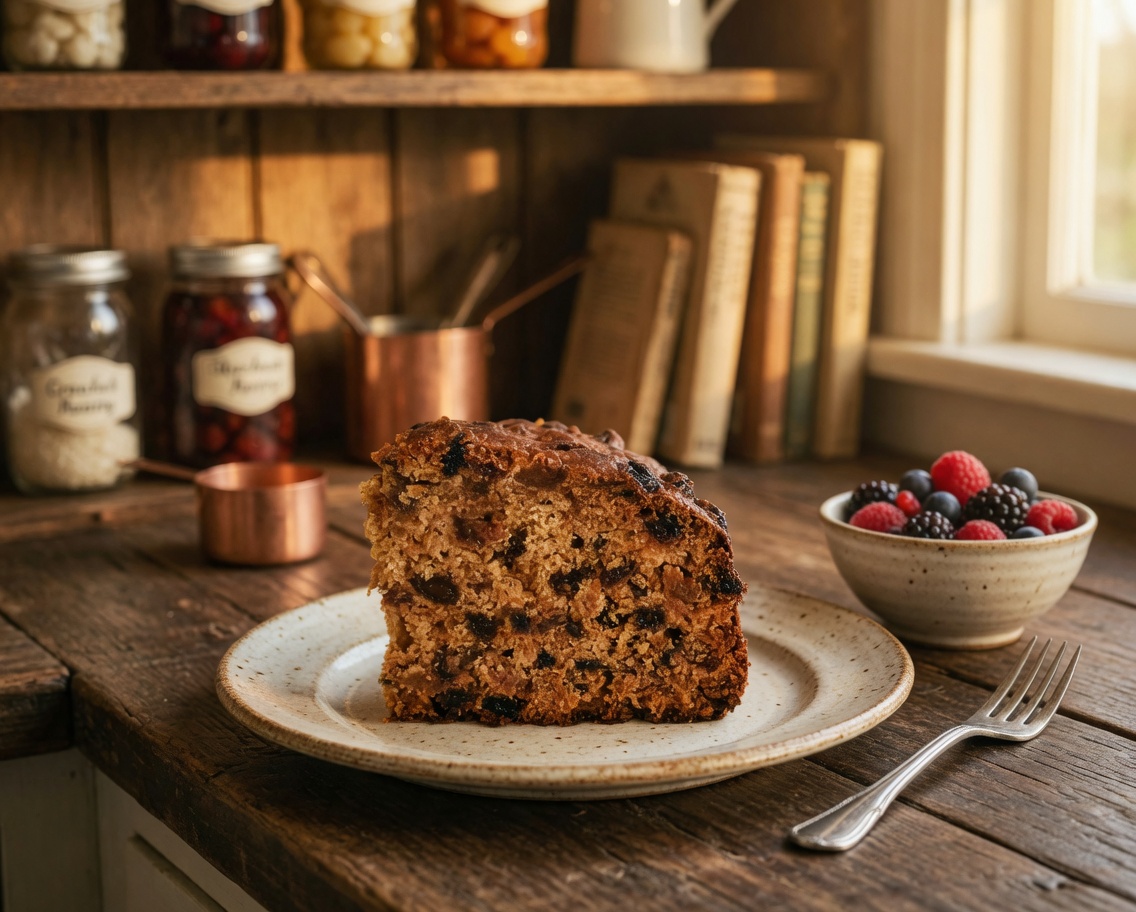
Pineapple Fruit Cake
A retro favourite, this recipe delivers a simple, sweet and moist fruit cake – and calls for a whole tin of crushed pineapple!
40
servings15
minutes1
hour30
minutes88
kcal1
hour45
minutesIngredients
500 grams mixed dried fruit
440 grams crushed pineapple (entire tin, including juice)
220 grams brown sugar (1 cup)
125 grams butter
1 teaspoon bicarbonate of soda
160 grams self-raising flour
140 grams plain flour
1 teaspoon mixed spice
2 eggs
Directions
- Preheat your oven to 180°C (355°F). Grease and line a 7-8 inch round cake tin with baking paper.
- In a saucepan, combine mixed fruit, crushed pineapple (with juice), sugar, butter, and bicarbonate of soda. Heat gently to dissolve the sugar and butter, then bring to a boil. Boil for 3 minutes, stirring occasionally. Remove from heat and cool completely.
- Sift self-raising flour, plain flour, and mixed spice into a bowl. Add the sifted dry ingredients and beaten eggs to the cooled fruit mixture. Stir until combined.
- Pour the batter into the prepared tin. Bake at 180°C (355°F) for one hour. Lower the oven temperature to 160°C (320°F) and bake for another 30-40 minutes.
- Allow the cake to cool in the tin before transferring to a wire rack. Serve as is or store in the fridge for up to one month.
Notes
- Notes
Always include the juice from the pineapple tin—it’s essential for moisture.
For quicker cooling, use an ice bath for the boiled mixture.
Store in the fridge for freshness or freeze for up to three months.
Nutrition Facts
- Serving Size: 40 g
- Calories: 88kcal
- Fat: 3g
- Saturated Fat: 2g
- Trans Fat: 0.1g
- Polyunsaturated Fat: 0.2g
- Monounsaturated Fat: 1g
- Cholesterol: 15mg
- Sodium: 53mg
- Potassium: 44mg
- Carbohydrates: 15g
- Fiber: 1g
- Sugar: 8g
- Protein: 1g