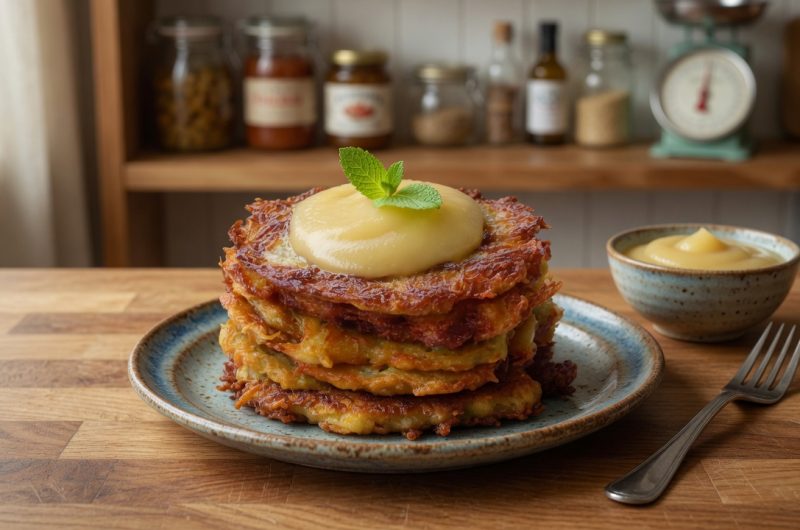
Potato pancakes offer a practical and delicious solution for transforming leftover mashed potatoes into something entirely new and appealing. These crispy-on-the-outside, creamy-on-the-inside treats represent resourceful cooking at its finest, turning ingredients destined for the trash into memorable dishes. The concept of potato pancakes isn’t new, this recipe has been passed down through generations as families discovered ways to use every bit of food available. Whether you have leftovers from Thanksgiving dinner, holiday gatherings, or simply made too much mashed potato for a weeknight meal, potato pancakes provide the perfect solution. Both children and adults enjoy these pancakes, making them suitable for family meals across different age groups. The versatility of potato pancakes means they work equally well at breakfast, lunch, or dinner, and can be served with countless toppings and accompaniments.
Why Leftover Mashed Potatoes Make the Best Starting Point
Using leftover mashed potatoes rather than starting from scratch provides several advantages that make this recipe practical and economical. Leftover mashed potatoes are already seasoned, cooked, and ready to transform into pancakes without additional cooking time. The texture of already-made mashed potatoes works perfectly for binding with other ingredients without requiring additional mashing or processing. Refrigerated mashed potatoes are easier to shape into uniform cakes because the cold temperature makes them firmer and less likely to fall apart during handling. Starting with leftovers means you’re reducing food waste while creating something delicious that your family will enjoy. If you don’t have leftover mashed potatoes, you can make fresh mashed potatoes and refrigerate them before proceeding with the recipe, though using true leftovers is more economical and practical for busy households.
Selecting Quality Cheese for Flavor and Texture
The cheese you choose significantly impacts the flavor profile and melting characteristics of your potato pancakes. Shredded cheddar cheese is the traditional choice, providing sharp flavor and excellent melting properties that create pockets of cheesy goodness throughout the pancakes. The sharpness of cheddar balances the mild potato flavor while adding complexity that makes the pancakes more interesting than plain potato. Using pre-shredded cheese offers convenience, though freshly grated cheese from a block melts more smoothly and creates better texture. Some people prefer mild cheddar for subtle cheese flavor while others select sharp or extra-sharp cheddar for pronounced cheese taste. The amount of cheese can be adjusted based on how prominent you want the cheese flavor to be in the finished pancakes. Quality cheese makes a noticeable difference in the final result, so selecting good cheddar rather than budget alternatives produces superior pancakes.
Understanding the Role of Eggs and Milk in Binding
Eggs serve as the primary binder that holds the potato pancake ingredients together, allowing you to shape them into uniform cakes without falling apart during cooking. The egg provides protein that coagulates during frying, creating structure that prevents the pancakes from being mushy or falling apart when flipped. Milk adds moisture and helps create a smoother mixture that incorporates all ingredients evenly. The combination of egg and milk creates a batter-like consistency that’s thick enough to shape but still holds together during frying. Using one egg and a small amount of milk prevents the mixture from becoming too wet, which would result in pancakes that fall apart or absorb excessive oil during frying. The ratio of egg to milk matters—too much milk makes the mixture too wet while too little creates a stiff mixture that’s difficult to shape.
How Flour Functions as a Crucial Binding Agent
All-purpose flour acts as the final binding ingredient that ensures your potato pancakes hold together properly during cooking. The flour helps absorb any excess moisture from the mashed potatoes while creating structure that prevents the pancakes from becoming too runny or soft. Without flour, the mixture would likely fall apart during frying, resulting in shredded potato pieces rather than intact pancakes. The gluten in flour develops slightly when mixed with egg, creating additional structure. The amount of flour should be just enough to achieve the right consistency—too much creates dense, stodgy pancakes while too little results in pancakes that fall apart. Adding flour gradually and checking consistency as you go ensures you achieve the right texture without overshooting. Some people prefer using potato starch instead of flour for slightly lighter texture, though all-purpose flour remains the most common choice.
Incorporating Green Onions for Bright Flavor and Color
Green onions add fresh flavor and visual interest to potato pancakes while contributing minimal moisture to the mixture. The mild onion flavor complements potato and cheese without overpowering them. Chopping green onions finely ensures they distribute throughout the mixture rather than creating large chunks. Using both the white and green parts provides more complete onion flavor, though some people prefer using primarily the green parts for milder taste. The green color of green onions creates visual appeal that makes the finished pancakes look more interesting than plain potato cakes. Fresh green onions provide brighter flavor than dried onion powder, which is why using fresh is preferable when available. If you don’t have green onions, regular onions finely minced work, though the flavor is more pronounced and the texture might be slightly different.
Proper Seasoning with Salt and Pepper
Seasoning potato pancakes correctly ensures that the natural potato flavor shines while creating balanced taste throughout. Salt enhances all flavors in the mixture while pepper adds subtle heat and complexity. The amount of salt depends on how much salt was already in your mashed potatoes—if your leftovers were lightly salted, you may need more; if they were generously salted, you might need less. Tasting a small amount of the mixture before cooking allows you to adjust seasoning to your preference. Adding salt and pepper after mixing all other ingredients ensures even distribution. Freshly ground black pepper provides superior flavor to pre-ground pepper, which loses volatile oils over time. Some people prefer white pepper for more subtle pepper flavor that doesn’t create visible specks in the finished pancakes.
Choosing the Right Oil for Frying
The type of oil you use for frying affects both the flavor and the health aspects of your potato pancakes. Vegetable oil is the most common choice because it has a high smoke point suitable for medium-heat frying. Olive oil can be used but has a lower smoke point, so it works best at slightly lower temperatures. Shortening creates very crispy pancakes because of its high fat content, though it imparts a specific flavor that some people prefer. The amount of oil needed depends on your cooking method—pan-frying requires enough oil to coat the pan without being so much that the pancakes deep-fry. Using the right amount of oil creates golden, crispy exteriors without creating greasy pancakes that absorb too much oil. Reusing oil from previous frying batches works fine if the oil remains clean and hasn’t darkened excessively.
Shaping Pancakes to the Right Size
The size of your potato pancakes affects both cooking time and the ratio of crispy exterior to creamy interior. Three-inch diameter pancakes represent an ideal size that cooks through completely while developing good crust color in a reasonable time. Smaller pancakes cook faster and develop crispier exteriors relative to their size, while larger pancakes may have undercooked interiors or overly brown exteriors. Using your hands slightly dampened with water prevents the mixture from sticking while shaping. Some people use cookie cutters or rings to create uniform shapes, which works well though requires slightly stiffer mixture. Patting the shaped pancakes slightly flattens them for even cooking and makes them easier to flip. The thickness should be approximately one-quarter to one-half inch—too thin and they crisp too much, too thick and the interior may not heat through.
Frying Technique for Crispy Exteriors and Creamy Interiors
Achieving crispy exteriors while maintaining creamy interiors requires proper heat and careful timing. Cooking over medium heat allows the interior to warm through while the exterior crisps without burning. Frying too hot causes the outside to brown before the inside heats, while frying too cool results in greasy pancakes that absorb excess oil. Starting the pancakes on one side for approximately three to four minutes develops golden color before flipping. Flipping only once prevents the pancakes from falling apart while allowing the second side to develop similar crust color. The finished pancakes should be golden brown on both sides and feel slightly crispy when pressed. Using a wide spatula makes flipping easier and prevents breaking the pancakes.
Optional Toppings and Serving Suggestions
The beauty of potato pancakes lies in their versatility when it comes to toppings and accompaniments. Sour cream is the traditional topping, providing cool creaminess that contrasts with warm pancakes. Shredded cheese can be sprinkled on top while the pancakes are still hot, melting slightly and adding richness. Green onions scattered on top add fresh flavor and visual appeal. Gravy poured over warm pancakes creates a complete comfort food experience. Bacon bits add smoky flavor and crispy texture. Sautéed mushrooms contribute earthy flavor that complements potatoes perfectly. A fried egg on top turns pancakes into a complete meal suitable for breakfast or brunch. The topping choices allow different family members to customize their pancakes according to individual preferences.
Customizing the Recipe with Flavor Variations
While the basic recipe is wonderful as written, several customizations allow you to create different flavor profiles based on preferences and available ingredients. Adding parmesan cheese alongside cheddar creates more complex cheese flavor. Minced garlic or garlic powder adds pungent flavor for garlic lovers. Fresh herbs like chives, parsley, or dill brighten the flavor profile. Crispy bacon crumbled into the mixture adds smoky, salty complexity. Hot sauce mixed into the potato mixture creates spiced pancakes for those who enjoy heat. Onion powder or garlic powder can be added for concentrated flavor without adding moisture. These variations allow you to make the recipe your own while maintaining the essential potato pancake structure.
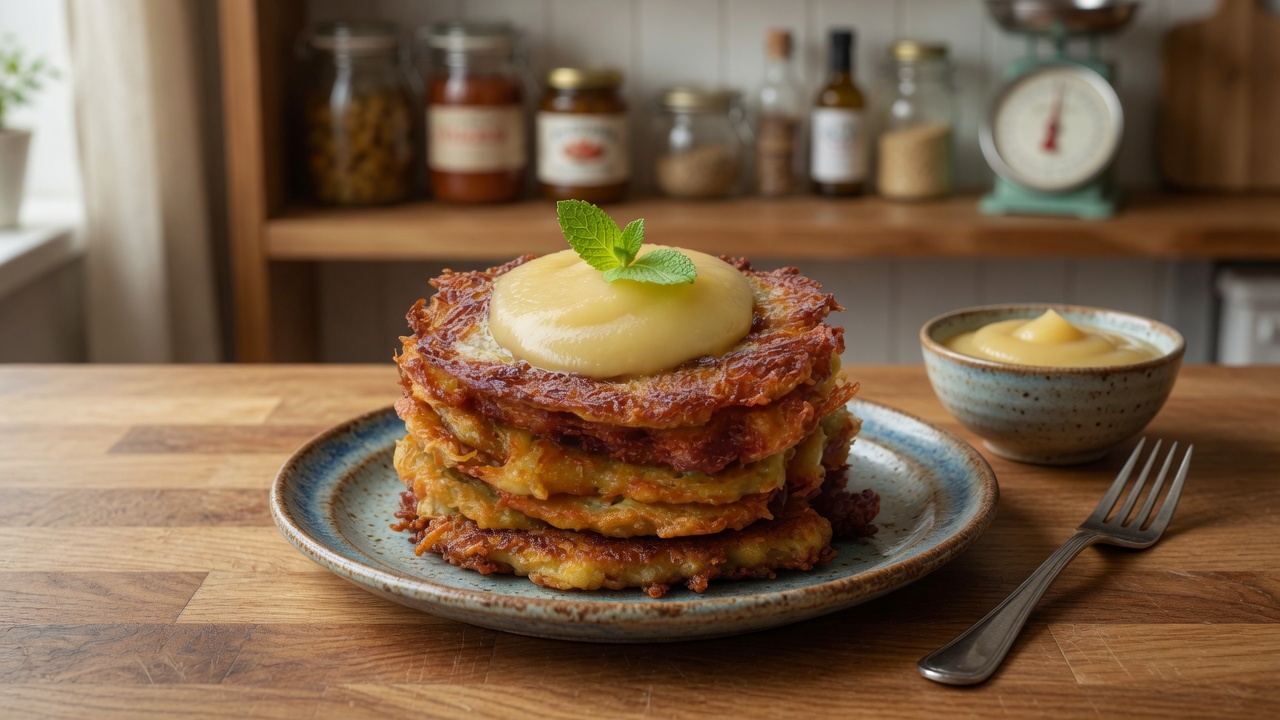
Potato Pancakes
Perfect for using leftovers wisely while creating something your family will request regularly. The combination of flavors and textures makes these pancakes satisfying enough to serve as a main course or substantial enough as a side dish.
4
servings5
minutes10
minutes140
kcal15
minutesIngredients
2 cups leftover mashed potatoes (cold/chilled)
1/2 cup shredded cheddar cheese (plus extra for toppings)
3 green onions, chopped (reserve some for toppings)
2 tablespoons all-purpose flour
1 egg, beaten
1-2 tablespoons milk
Salt and pepper, to taste
Sour cream (optional, for topping)
Vegetable oil or shortening for frying
Directions
- In a large mixing bowl, combine cold leftover mashed potatoes, shredded cheese, chopped green onions, and flour (reserve some green onions for toppings).
- Add the beaten egg and stir until well combined.
- Incorporate 1 tablespoon of milk, adjusting as needed to achieve a thick consistency for shaping potato patties.
- Season with salt and pepper to taste.
- Lightly flour your hands and shape the mashed potato mixture into small round pancake shapes, about 3-4 inches in diameter.
- Heat 2-3 tablespoons of vegetable oil or shortening in a large frying pan over medium-high heat.
- Carefully place the potato cakes in a single layer into the hot oil and fry for approximately 5 minutes or until golden brown and crispy. Flip and fry the other side.
- Transfer the fried potato cakes to a paper plate lined with paper towels to drain excess oil.
- Serve warm or at room temperature. For loaded potato cakes, top with sour cream, shredded cheese, and chopped green onions.
Notes
- Store leftover cooked potato cakes in an airtight container in the refrigerator for up to 3 days.
Nutrition Facts
- Calories: 140kcal
- Fat: 9g
- Sodium: 270mg
- Carbohydrates: 11g
- Fiber: 1g
- Sugar: 1g
- Protein: 4g