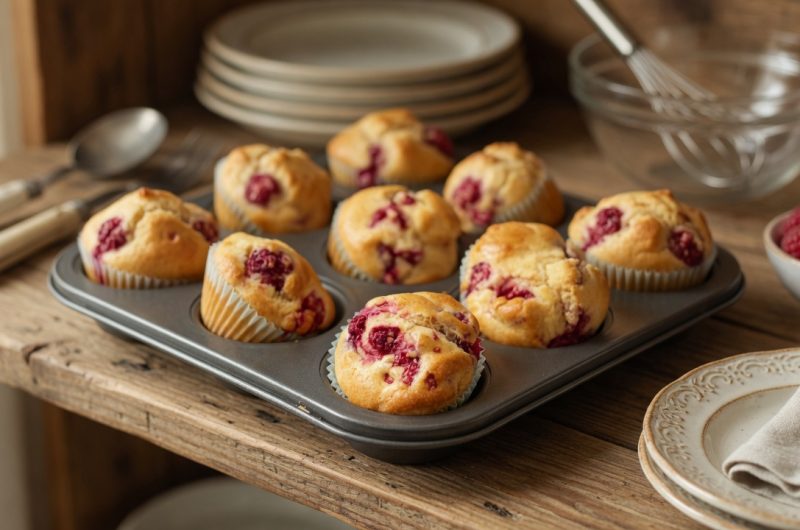
Lemon raspberry muffins represent a perfect combination of bright citrus flavor and tart berry sweetness that creates a balanced, interesting taste in every bite. These muffins appeal to people seeking breakfast options that feel indulgent yet contain protein and whole grains. The pairing of lemon and raspberry is classic for good reason, the tartness of lemon complements berry sweetness while the berry tartness balances lemon intensity. These muffins work equally well for breakfast, afternoon snacks, or light desserts, making them versatile for various occasions. The combination of a moist crumb with fluffy texture creates an eating experience that satisfies cravings without feeling heavy. Understanding what makes these muffins special helps you appreciate why proper technique and ingredient choices matter more than you might expect.
Why Moisture and Texture Require Careful Balance
Creating muffins that are simultaneously moist and fluffy requires understanding how different ingredients contribute to these qualities. Too much flour relative to liquid creates dry muffins, while too much liquid makes them gummy or dense. The right ratio of flour to liquid, combined with proper leavening agents, creates the ideal tender crumb. Sugar contributes moisture beyond just sweetness—it attracts water and helps retain it throughout baking. Eggs provide structure while also contributing moisture through their liquid content. Oil keeps muffins tender longer than butter alone, which is why recipes often use a combination. The mixing method also affects texture—overmixing develops too much gluten, creating tough muffins instead of tender ones. Taking time to understand these relationships helps you create consistently excellent muffins.
Selecting Quality Flour for Optimal Texture
The flour you choose significantly impacts your muffins’ final texture and crumb structure. All-purpose flour provides the standard structure needed for muffins while maintaining a relatively tender crumb. Unbleached flour, preferred by many bakers, produces slightly better texture than bleached flour because it hasn’t been treated with chemical whiteners. The protein content of flour affects how much gluten develops during mixing—all-purpose flour typically contains around ten to twelve percent protein, providing structure without excessive toughness. Sifting flour before measuring ensures accurate measurements and removes any lumps that would create dense pockets. Measuring flour correctly—by spooning it into the measuring cup rather than scooping directly from the bag—prevents compacting flour and using too much. Using fresh flour stored in cool, dry conditions ensures the best baking results.
Understanding Butter and Oil’s Complementary Roles
Using both butter and oil in muffin recipes creates superior texture compared to using only one fat. Butter provides flavor and helps create a tender crumb, while oil adds additional moisture and keeps muffins soft for longer. The combination creates muffins that are flavorful without being overly greasy. Melted butter and oil distribute evenly throughout the batter, creating consistent crumb structure. Using unsalted butter allows you to control salt content precisely, though salted butter works fine if you adjust other salt amounts. The quality of butter matters—using real butter rather than margarine creates noticeably better flavor and texture. Neutral cooking oils like vegetable, canola, or coconut oil work well without adding competing flavors. The specific ratio of butter to oil affects the final result—more oil creates softer muffins while more butter emphasizes butter flavor.
Incorporating Eggs for Structure and Moisture
Eggs serve multiple crucial functions in muffin batter beyond simply binding ingredients together. Eggs provide protein that helps structure the muffin crumb, preventing it from becoming too tender or falling apart. The fat in egg yolks contributes richness and moisture to the finished muffins. Eggs also help create the slight rise that makes muffins fluffy. Using room-temperature eggs ensures they incorporate evenly into the batter without creating cold spots that don’t mix properly. Cold eggs can cause the batter to break or become lumpy because they’re too stiff to blend smoothly. Beating eggs lightly before adding them aerates them slightly, contributing additional lift. The yolks are particularly important for richness—recipes sometimes use extra yolks for extra-moist muffins.
Harnessing Lemon Zest for Aromatic Brightness
Lemon zest provides the essential lemon flavor that defines these muffins, offering intensity that juice alone cannot deliver. The oils in lemon zest are highly aromatic and flavorful, creating brightness without the acidity that too much lemon juice would introduce. Infusing sugar with lemon zest releases these oils, distributing lemon flavor evenly throughout the batter. Using approximately one tablespoon of zest from about two lemons provides substantial lemon flavor without overwhelming the other ingredients. Zesting only the yellow colored portion of the peel avoids the bitter white pith underneath. Using a fine microplane zester creates fine zest that distributes smoothly, while box graters produce larger pieces that may create texture issues. Fresh lemons provide superior zest compared to bottled zest, which loses volatile oils over time.
Choosing Between Fresh and Frozen Raspberries
Both fresh and frozen raspberries work in these muffins, though each has advantages and considerations. Fresh raspberries provide bright flavor and maintain their shape better during mixing and baking. Frozen raspberries are convenient year-round and often less expensive than fresh. The main consideration with frozen raspberries is that they release color into the batter as they thaw, potentially turning the muffins pink or purple. Some people prefer this color change while others minimize it by not thawing frozen berries before adding them. Tossing raspberries lightly in flour before folding into the batter helps them stay suspended throughout rather than sinking to the bottom. Handling raspberries gently throughout the mixing process prevents them from breaking and releasing too much color or juice.
Understanding Yogurt’s Contribution to Flavor and Texture
Full-fat plain yogurt adds tanginess that complements lemon flavor while contributing moisture to the muffin crumb. The lactic acid in yogurt reacts with baking soda, contributing lift that helps create fluffy muffins. Plain yogurt provides these benefits without adding competing flavors that sweetened varieties would introduce. Using full-fat yogurt rather than reduced-fat ensures richness and moisture in the finished muffins—reduced-fat yogurt sometimes contains added starches that affect texture. Greek yogurt can work as a substitute, though it’s thicker and may require slight adjustments to other liquid amounts. Sour cream provides similar benefits and can be substituted in equal amounts. The yogurt should be at room temperature to blend smoothly without creating lumps in the batter.
The Critical Importance of Resting Batter
Allowing muffin batter to rest at room temperature for thirty minutes before baking creates noticeably better results than baking immediately. During this resting period, flour fully hydrates, allowing it to absorb liquid completely. The leavening agents in the batter activate slowly, creating small bubbles that develop gradually. Resting allows flavors to integrate and develop more fully. The batter thickens slightly, which helps create the characteristic dome top that defines attractive muffins. Some recipes call for longer resting times of up to one hour, which develops even more flavor and helps create more impressive muffin tops. The resting period is particularly important when using room-temperature ingredients—it allows them to interact more completely than when ingredients are cold.
Mixing Technique for Tender Crumb Development
The method you use to combine wet and dry ingredients significantly affects the final muffin texture. Gently folding wet and dry ingredients together until just combined—leaving some flour streaks visible—creates the most tender crumb. This “lumpy batter” approach seems wrong but actually produces superior results compared to thoroughly mixed batter. Overmixing develops gluten, which makes muffins tough and dense. Using a spatula or wooden spoon for mixing rather than a whisk or electric mixer helps prevent overdevelopment of gluten. Mixing in two or three additions rather than adding all wet ingredients at once helps ensure even distribution without excessive mixing. The goal is achieving a cohesive batter with some visible flour streaks—if the batter looks perfectly smooth, you’ve likely overmixed.
Baking Temperature and Time for Golden Perfection
Baking muffins at the correct temperature ensures the exterior bakes quickly while the interior remains moist and tender. A standard baking temperature of three hundred seventy-five degrees Fahrenheit works well for most muffin recipes. Some bakers start at four hundred degrees for the first few minutes to set the surface and create a dome top, then lower to three hundred fifty degrees for the remainder of baking. Baking time typically ranges from eighteen to twenty-four minutes depending on oven characteristics and muffin size. The muffins are done when a toothpick inserted into the center emerges with just a few moist crumbs rather than wet batter. The tops should be golden brown, and the muffins should feel set when gently pressed. Using an oven thermometer verifies your oven’s actual temperature, since many ovens run hotter or cooler than indicated.
Garnishing with Coarse Sugar for Visual Appeal
Sprinkling coarse sugar over the batter before baking creates the characteristic crunchy sugar topping that distinguishes bakery-quality muffins. The coarse sugar doesn’t dissolve completely during baking, remaining as visible crystals that add texture and sweetness. Using coarse sugar rather than granulated sugar creates a more pronounced effect. Applying the sugar just before baking prevents it from sticking to hands or dissolving into the batter. Some people use decorative sanding sugar or sparkling sugar for extra visual appeal. The sugar topping should be sprinkled generously but evenly across the tops of the muffin cups. This simple garnish elevates the appearance significantly, making homemade muffins look professionally made.
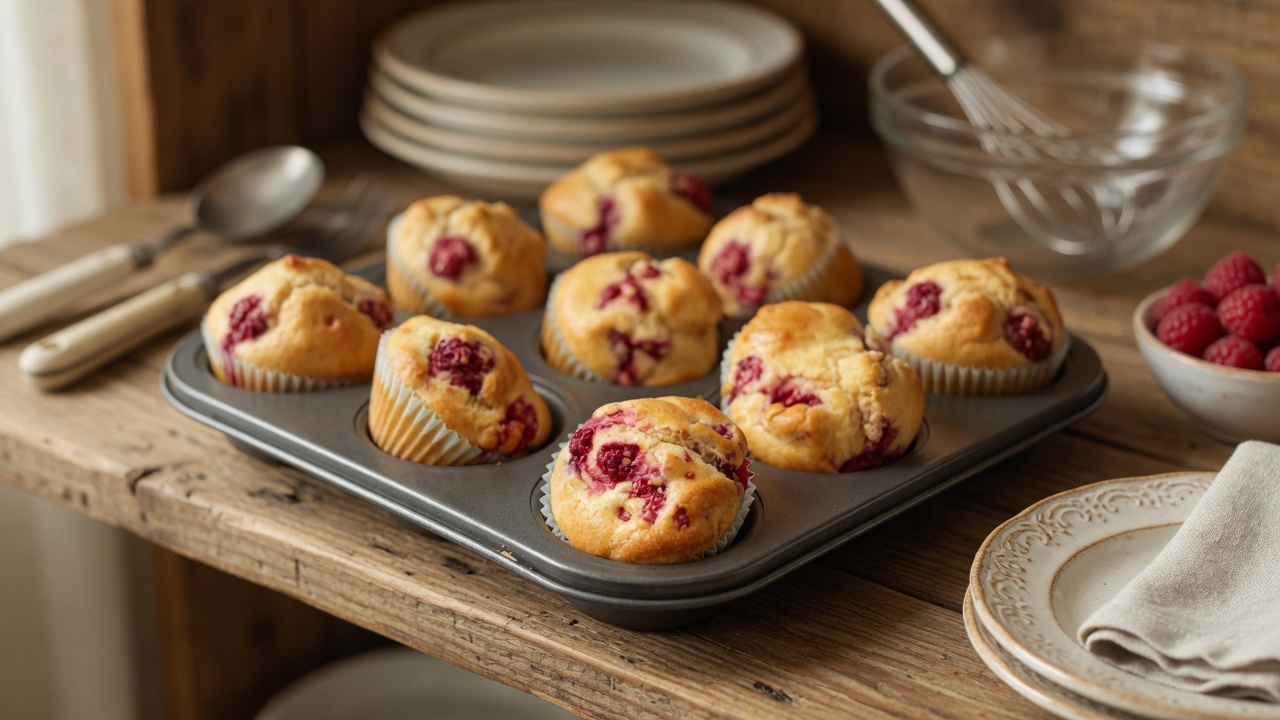
Lemon Raspberry Protein Muffins
Elevate your snack game with these Lemon Raspberry Protein Muffins, marrying the goodness of lemon protein powder with the lusciousness of fresh raspberries. Topped with a zesty lemon glaze, this recipe is a quick and delicious way to fuel your day.
12
servings10
minutes25
minutes205
kcal35
minutesIngredients
2 cups plus 1 tbsp (295g) all-purpose flour, divided
2 teaspoons baking powder
½ teaspoon baking soda
1 cup (200g) granulated sugar
1 tablespoon lemon zest
½ teaspoon salt
2 large eggs, room temperature
½ cup (120ml) full-fat yogurt
1 teaspoon (5ml) pure vanilla extract
¼ cup (60ml) sunflower oil
¼ cup (56g) unsalted butter, melted
¾ cup (180ml) milk, room temperature
2 tablespoons coarse or raw sugar for sprinkling
1 ½ cups (200g) fresh raspberries
Directions
- Rub sugar with lemon zest in a large bowl until fragrant and tinted yellow. Sift in 2 cups of flour, baking powder, baking soda, and salt. Whisk until evenly blended.
- Combine eggs, melted butter, oil, yogurt, vanilla, and milk in a medium bowl. Whisk until completely smooth.
- Pour wet ingredients into the bowl with dry ingredients. Gently fold until fully combined; avoid over-mixing. Toss raspberries with remaining flour and fold them into the batter gently.
- Cover the bowl and let it stand for 30 minutes as the oven preheats to 400°F. Line a standard muffin pan with 12 paper liners.
- Divide the batter evenly among lined muffin cups, filling them to the top. Sprinkle each with coarse sugar.
- Bake at 400°F for 10 minutes, then reduce the temperature to 350°F and bake for another 10-15 minutes until a skewer comes out clean.
- Allow muffins to cool for 5 minutes in the pan, then transfer them to a cooling rack.
Nutrition Facts
- Calories: 205kcal
- Fat: 9g
- Cholesterol: 26mg
- Carbohydrates: 29g
- Fiber: 1g
- Sugar: 5g
- Protein: 3g