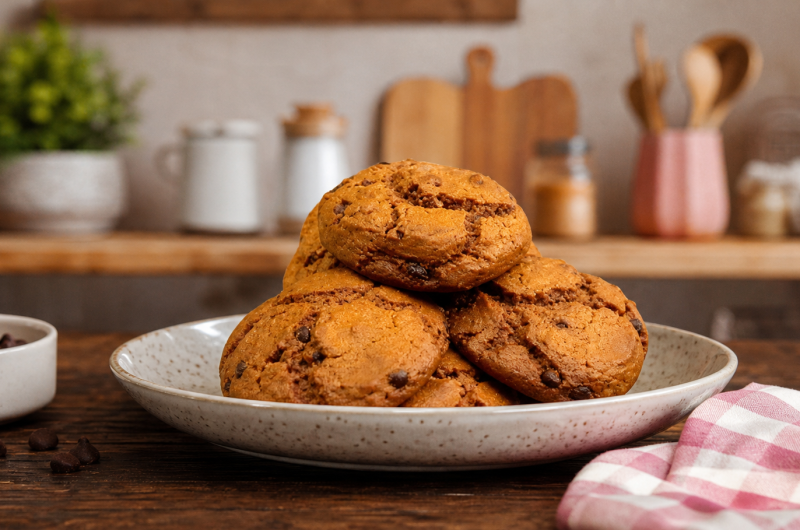
Molasses cookies are a timeless classic that bring warmth, comfort, and deep flavor into every bite. If you are searching for the best old-fashioned molasses cookies recipe, this one delivers thick, soft, chewy cookies with rich molasses flavor and a perfectly balanced blend of warm spices. These homemade molasses cookies are nostalgic, aromatic, and simple to prepare, making them ideal for holiday baking, everyday treats, or thoughtful edible gifts.
What makes this recipe stand out is the combination of butter and shortening, which creates the perfect texture. The cookies bake up thick with a tender crumb and slightly crisp edges. Each bite is filled with cozy notes of cinnamon, ginger, and cloves, complemented by the dark sweetness of molasses. Whether you are an experienced baker or new to making cookies from scratch, this foolproof recipe ensures consistent results every time.
Why These Molasses Cookies Are So Popular
There are countless molasses cookie recipes available, but not all produce the same texture and flavor depth. This recipe focuses on achieving the perfect balance of softness and chewiness. The combination of fats ensures structure while preventing excess spreading. The spice blend enhances aroma without overpowering the molasses.
These cookies are also highly versatile. They are ideal for holiday cookie trays, gift boxes, and seasonal gatherings. Their rich brown color and sugar-coated surface give them a rustic appearance that feels comforting and inviting.
The Importance of Molasses
Molasses is the defining ingredient in these cookies. It provides moisture, sweetness, and depth. Choosing the right type is essential for achieving the desired flavor profile.
Light molasses, also known as fancy molasses, produces a mild sweetness and soft texture. Dark molasses has a stronger flavor and deeper color. Blackstrap molasses is too bitter for this recipe and should be avoided.
The molasses interacts with baking soda to create slight lift and softness in the finished cookie.
Understanding the Role of Butter and Shortening
Using both butter and shortening ensures ideal texture. Butter contributes rich flavor and aroma. Shortening helps maintain thickness and softness, preventing excessive spreading.
If you prefer, you can substitute entirely with butter for enhanced flavor, though the cookies may spread slightly more. Alternatively, using only shortening produces a fluffier result with less buttery taste.
Balancing both creates cookies that are soft yet structured.
The Warm Spice Blend
Cinnamon, ginger, and cloves are essential in traditional molasses cookies. Cinnamon provides warmth and sweetness. Ginger adds subtle heat and sharpness. Cloves introduce depth and complexity.
You can adjust spice quantities to preference. Increasing ginger adds a stronger kick. Reducing cloves creates a milder flavor. Adding nutmeg or allspice can provide additional warmth while preserving the classic taste.
The spices should complement the molasses rather than overpower it.
Baking Soda and Texture
Baking soda is a crucial leavening agent in this recipe. It reacts with molasses to create slight lift and softness. Accurate measurement ensures proper structure.
Too much baking soda can result in overly spread cookies. Too little may cause density. Measuring precisely is important for consistent results.
Step 1 – Creaming the Fats and Sugar
Begin by combining room-temperature butter, shortening, and granulated sugar in a large mixing bowl. Beat until light and fluffy. This process incorporates air, contributing to the cookie’s soft texture.
Proper creaming ensures even distribution of sugar and smooth consistency.
Step 2 – Adding Wet Ingredients
Mix in molasses and a lightly beaten egg until fully combined. The mixture should appear smooth and cohesive.
The egg binds ingredients and supports structure while molasses contributes moisture and flavor.
Step 3 – Combining Dry Ingredients
In a separate bowl, whisk together flour, baking soda, cinnamon, ginger, cloves, and salt. Even distribution prevents uneven flavor pockets.
Gradually incorporate the dry mixture into the wet ingredients. Mix on low speed until just combined. Avoid overmixing to maintain tenderness.
Step 4 – Chilling the Dough
Cover the dough and refrigerate for at least one hour. Chilling firms the fats and allows flavors to develop. It also prevents excessive spreading during baking.
You can refrigerate for up to 24 hours if preparing in advance.
Step 5 – Shaping and Coating
Roll the chilled dough into 1½-inch balls. Coat each ball in granulated sugar to create a lightly crisp exterior once baked.
Spacing the dough balls about three inches apart on an ungreased baking sheet ensures proper expansion.
Step 6 – Baking to Perfection
Preheat the oven to 350°F (175°C). Bake for 13 to 15 minutes until the cookies are puffy and set.
The cookies will slightly deflate as they cool. Remove promptly to avoid overbaking. They should appear soft when removed from the oven.
Notes for Best Results
Use accurate measurements. Chill dough thoroughly. Avoid overmixing. Remove cookies before they look fully firm. Let them rest briefly on the baking sheet before transferring to a wire rack.
These practices ensure soft, chewy texture.
Storage and Freezing
Store cookies in an airtight container at room temperature for up to ten days.
For longer storage, freeze baked cookies for up to two months. To freeze unbaked dough, shape into balls and freeze on a tray before transferring to a freezer bag. Bake directly from frozen with slight time adjustment.
Helpful Measurement Tip
Measuring shortening can be simplified using the water displacement method. Fill a measuring cup with cold water slightly below the required amount. Add shortening until the water reaches the correct measurement mark. Drain water and use the shortening as directed.
Frequently Asked Questions
Can I skip chilling?
Chilling is highly recommended. Skipping this step may result in flatter cookies.
Can I use only butter?
Yes, but expect slightly more spreading and richer flavor.
Why are my cookies dry?
Overbaking or too much flour may cause dryness. Remove cookies when slightly soft in the center.
Can I adjust the spices?
Yes. Adjust cinnamon, ginger, and cloves to suit personal preference.
Why This Recipe Remains a Classic
Old-fashioned molasses cookies continue to trend because they combine comfort, tradition, and simplicity. They are ideal for seasonal baking and year-round enjoyment.
With balanced sweetness, warm spices, and tender texture, they remain a favorite in home kitchens.
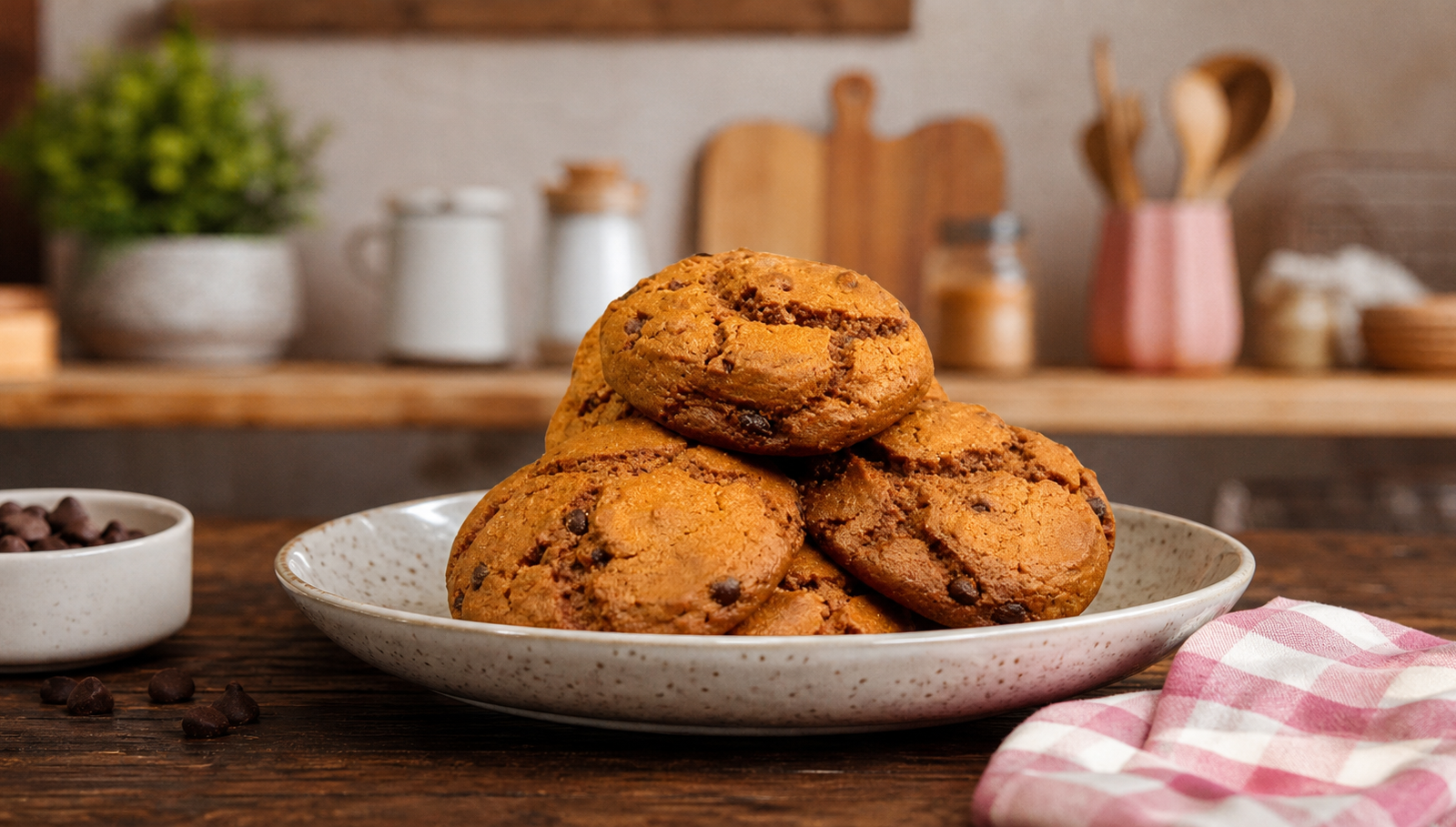
Chewy Molasses Cookies
These homemade molasses cookies are the perfect combination of warmth, spice, and softness. Whether you make them for the holidays, a special treat, or just because, they’re sure to be a hit. Enjoy!
18
servings15
minutes15
minutes300
kcal30
minutesIngredients
1/4 cup (57g) butter (salted or unsalted, room temperature)
1/4 cup (48g) vegetable shortening
3/4 cup (138g) granulated sugar
1/4 cup (55ml) light molasses
1 large egg
2 cups (286g) all-purpose flour
1 1/8 tsp baking soda
1 1/8 tsp ground ginger
3/4 tsp ground cinnamon
1/2 tsp ground cloves
1/4 tsp salt (add a pinch more if using unsalted butter)
Extra sugar for rolling (about 1/4 cup)
Directions
- In a medium bowl, whisk together flour, baking soda, ginger, cinnamon, cloves, and salt.
- In a large bowl, cream butter, shortening, and sugar until fluffy. Add molasses and egg and beat until smooth.
- Gradually mix in dry ingredients until a soft dough forms.
- Cover and chill dough for at least 1 hour.
- Preheat oven to 350°F (175°C). Line a baking sheet with parchment paper.
- Shape dough into 1 1/2-inch balls and roll in granulated sugar.
- Place cookies 3 inches apart on the baking sheet.
- Bake for 14-15 minutes until puffy but set.
- Cool on the sheet for 1 minute, then transfer to a wire rack.
Notes
- Notes
I highly recommend using the mixture of butter and vegetable shortening for these cookies. The shortening contributes to nice soft and thick cookies, while the butter brings in some nice flavour. If you don’t have shortening, you can use all butter, in the same amount, though the texture of the cookie will be slightly different. Likewise, you could use all shortening here, though the it will affect the flavour slightly.
Nutrition Facts
- Serving Size: 18 g
- Total number of serves: 1
- Calories: 149kcal
- Fat: 6g
- Saturated Fat: 2g
- Polyunsaturated Fat: 1g
- Monounsaturated Fat: 2g
- Cholesterol: 17mg
- Sodium: 130mg
- Carbohydrates: 23g
- Fiber: 1g
- Sugar: 12g
- Protein: 2g
- Calcium: 15mg
- Iron: 1mg