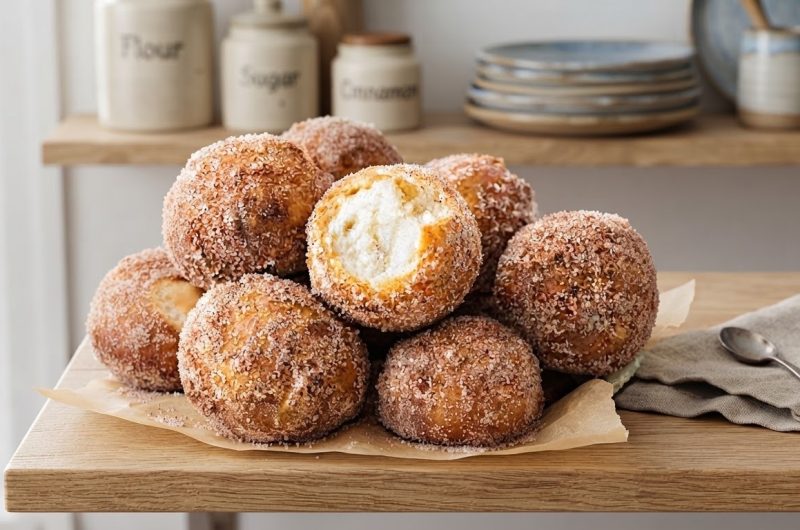
Sourdough cinnamon sugar donut holes represent a delightful fusion of traditional sourdough fermentation with the beloved comfort of fried dough treats. These bite-sized pastries appeal to people seeking homemade alternatives to store-bought donuts while enjoying the distinctive tang that sourdough fermentation provides. The combination of tangy sourdough with sweet cinnamon sugar coating creates flavor complexity that standard donut holes cannot achieve. The use of active sourdough starter as the primary leavening agent creates naturally airy, tender crumb without requiring commercial yeast. These portable treats work perfectly for breakfast, snacks, or dessert, making them versatile for any occasion. Understanding how sourdough fermentation affects dough development helps you appreciate why these donut holes deliver superior flavor and texture compared to versions made without fermentation.
Why Sourdough Starter Improves Donut Hole Quality
Sourdough starter contains wild yeast and bacteria that ferment the dough, developing complex flavors impossible to achieve with commercial yeast alone. The fermentation process creates lactic acid that develops subtle tangy notes complementing the cinnamon sugar coating beautifully. The extended fermentation allows gluten to develop naturally, creating tender crumb structure without aggressive kneading. The enzymes in sourdough break down flour components, making them more digestible while improving the texture of the finished donut holes. The flavor compounds that develop during fermentation create more interesting taste than quick-rise methods can achieve. Using an active sourdough starter means leveraging beneficial microorganisms cultivated over time. The investment in maintaining a healthy starter pays dividends through superior flavor in all your sourdough creations.
Selecting Quality Flour for Proper Texture
Premium white all-purpose flour provides the ideal foundation for tender donut holes with proper structure. The flour quality affects how the dough develops and how the donut holes brown during frying. All-purpose flour with moderate protein content creates tender donut holes without excessive chewiness. Storing flour properly in cool, dry conditions maintains quality and prevents rancidity. Using fresh flour rather than flour that’s been sitting for extended periods ensures better results. Some people prefer bread flour for slightly chewier donut holes while all-purpose flour creates lighter texture. The amount of flour affects the dough’s consistency—proper hydration is crucial for shaping and frying success.
Understanding Milk’s Role in Dough Hydration
Warming the milk before adding to the dough ensures proper ingredient interaction and prevents shocking the eggs. The milk should reach a pleasantly warm temperature—approximately one hundred ten degrees Fahrenheit—without becoming so hot that it cooks the egg. Milk contributes moisture that creates tender crumb while adding subtle richness. Using whole milk rather than skim milk provides better flavor and texture in the finished donut holes. The amount of milk affects dough consistency—too much creates sticky dough while too little creates stiff dough. The warm temperature activates both the egg and sourdough starter, beginning the fermentation and cooking processes. Proper milk temperature ensures even ingredient distribution and optimal dough development.
Incorporating Active Sourdough Starter Successfully
Using active sourdough starter that shows visible bubbles and has risen noticeably ensures successful fermentation. The starter should have been fed recently and be at peak activity—typically four to twelve hours after feeding. Sluggish starter requires additional feeding time in the days before baking to build vigor. The amount of starter—one-half cup—provides sufficient fermentation power for the dough. Mixing the starter evenly throughout the dough ensures even fermentation rather than concentrated fermentation areas. A healthy starter makes a pleasant sour smell and shows vigorous bubbling. Testing the starter’s readiness by observing its rise and consistency provides reliable confirmation of activity.
Kneading Technique for Proper Development
Kneading for three to five minutes develops the gluten structure that allows donut holes to hold together during frying. The dough should become smooth and elastic through kneading without becoming overly stiff or tough. Proper kneading creates the structure needed to trap gas during rising, producing airy donut holes. Under-kneading creates dense donut holes while over-kneading can make them tough. Kneading by hand allows you to feel the dough develop and judge when it’s ready. Some people prefer using a stand mixer with a dough hook for consistent results. The finished dough should feel smooth and slightly tacky but hold together cohesively.
Dividing Dough into Uniform Portions
Dividing dough into twenty-four equal pieces ensures uniform donut holes that cook evenly. The systematic division method—halving repeatedly then dividing final portions into six pieces—ensures relatively equal sizing. Weighing the dough and dividing by twenty-four provides the most precise method if you have a kitchen scale. Uniform pieces ensure consistent cooking time and appearance across all donut holes. Pieces that are too large create undercooked interiors with overcooked exteriors. Pieces that are too small cook through completely but may be less impressive in size. Rolling each piece gently into a smooth ball creates better presentation and even cooking.
Creating the Ideal Rising Environment
Finding a warm location for rising is crucial because temperature significantly affects fermentation speed. The suggested oven method with boiling water creates ideal warmth and humidity for rising. An oven set to one hundred degrees Fahrenheit with steam from boiling water creates approximately seventy-five to eighty degree environment—perfect for sourdough fermentation. Alternative warm locations include near sunny windows, in coolers with hot water bottles, or in turned-off ovens with pilot lights. The one-hour rising time is approximate and depends on kitchen temperature and starter activity. Under-risen donut holes may not have achieved proper fermentation and could be dense. Over-risen donut holes may over-ferment and collapse or become excessively spread. The goal is noticeably risen but still-manageable donut holes.
Preparing Cinnamon Sugar Dusting
Combining sugar and cinnamon in advance creates convenient coating for hot donut holes. The ratio of cinnamon to sugar affects the final flavor—more cinnamon creates pronounced spice while less creates subtle warmth. Using freshly ground cinnamon rather than pre-ground variety provides superior flavor and aroma. The dusting should be applied to warm donut holes while they’re still slightly moist, which helps the coating adhere. Some people prefer adding a small amount of vanilla extract or nutmeg to the cinnamon sugar for complexity. The dusting mixture can be prepared hours ahead and stored in a covered container until needed.
Managing Oil Temperature for Safe Frying
Heating oil to approximately three hundred thirty degrees Fahrenheit creates proper cooking without excessive browning. Using a deep-fry thermometer ensures accurate temperature monitoring. Oil that’s too hot causes exterior burning before interior cooks completely. Oil that’s too cool creates greasy donut holes that absorb excessive fat. Maintaining consistent temperature throughout frying prevents inconsistent results. Never leave hot oil unattended, and keep children away from the frying area. Starting with a small batch allows you to assess temperature and adjust as needed before frying remaining donut holes. Some people prefer using a deep fryer with temperature controls that maintain consistent heat automatically.
Frying Technique for Perfect Results
Carefully placing donut holes into hot oil prevents splashing and burns. The initial sinking followed by rising indicates proper temperature and fermentation. Using tongs or slotted spoons prevents contact with hot oil while allowing easy turning. Approximately three minutes per side typically creates golden-brown donut holes with cooked interiors. Checking for doneness by observing color and testing with a toothpick works well. Overcrowding the pan causes temperature drops that result in greasy, undercooked donut holes. Frying only a few at a time maintains proper oil temperature throughout the batch. Draining on paper towels removes excess oil while the donut holes are still warm.
Storage Methods for Extended Enjoyment
Proper storage maintains freshness and allows you to enjoy donut holes over several days. Airtight containers at room temperature keep donut holes fresh for two to three days. The first day or two provide optimal texture and flavor while subsequent days see gradual texture changes. Refrigerating extends shelf life slightly though cold temperatures may make the texture less pleasant. Freezing allows enjoyment for several weeks when wrapped properly. Thawing and reheating restores warmth and texture remarkably well. Individual donut holes freeze best, allowing you to thaw only what you need.
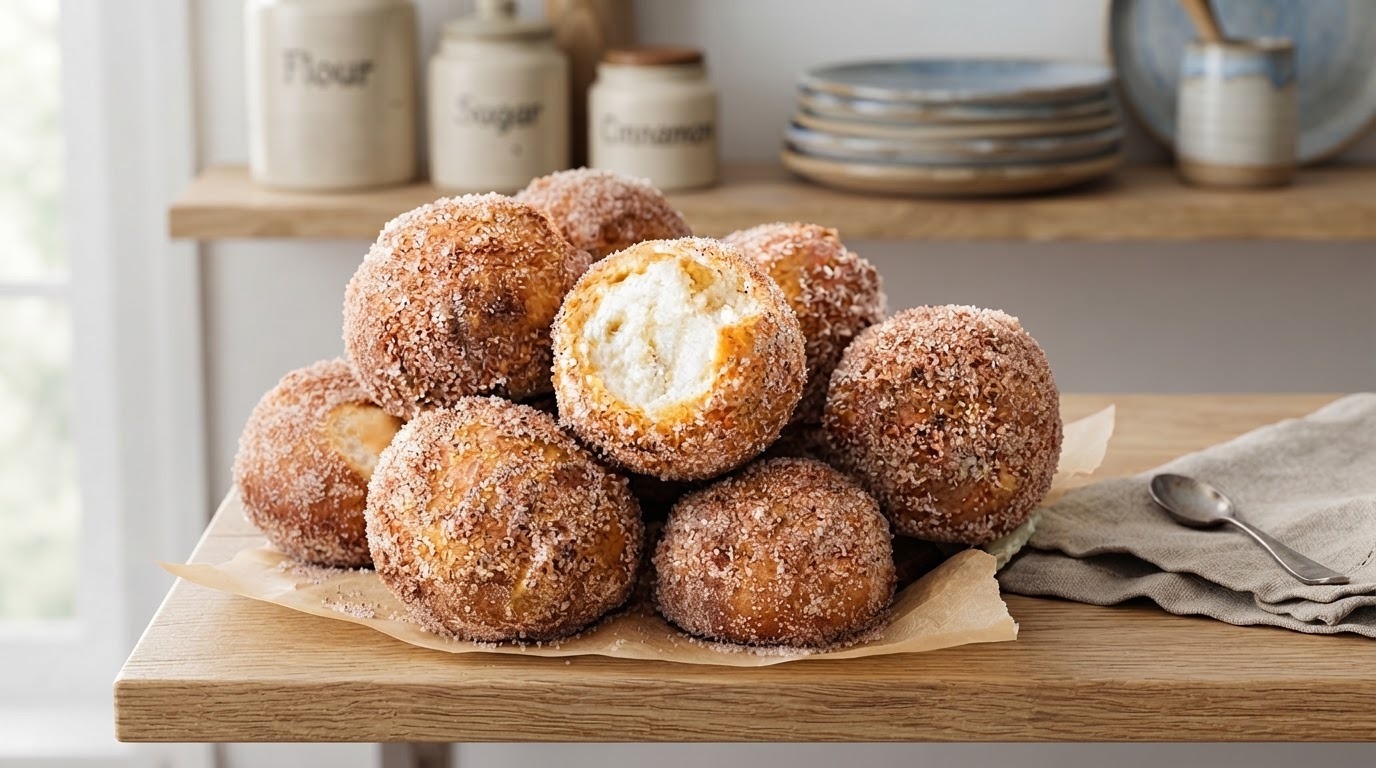
Sourdough Cinnamon Donuts Balls
These portable treats work beautifully for breakfast, snacks, or dessert, making them versatile for any occasion. The combination of proper fermentation and careful frying creates donut holes with superior texture and flavor compared to store-bought versions.
24
servings15
minutes30
minutes103
kcal45
minutesIngredients
2 cups of White Flour
1/2 cup of Milk
1/2 cup of Active Sourdough Starter
1/4 cup of White Sugar
1 Egg
1 tsp. of Salt
- Topping:
1/2 cup of Sugar
1/2 tsp. of Cinnamon
Cooking
Oil or Fat
Directions
- Warm the milk in a small pot until it’s pleasantly warm, not hot.
- In a large bowl, combine flour, sugar, salt, egg, milk, and sourdough starter. Mix thoroughly until a soft, kneadable dough forms.
- Transfer the dough onto a floured surface and knead for 3-5 minutes.
- Divide the dough into 24 equal pieces and roll them into balls. Place them on a lined cookie sheet.
- Let the dough balls rise in a warm spot for about an hour.
- Mix sugar and cinnamon in a bowl for dusting.
- Heat oil in a deep fryer or stockpot to 330°F.
- Fry the donut holes a few at a time until golden brown, flipping them halfway through.
- Drain briefly and roll them in the cinnamon sugar mixture.
Nutrition Facts
- Calories: 103kcal
- Fat: 1g
- Cholesterol: 7mg
- Sodium: 180mg
- Potassium: 32mg
- Carbohydrates: 22g
- Fiber: 2g
- Sugar: 5g
- Protein: 3g
- Calcium: 21mg
- Iron: 1mg