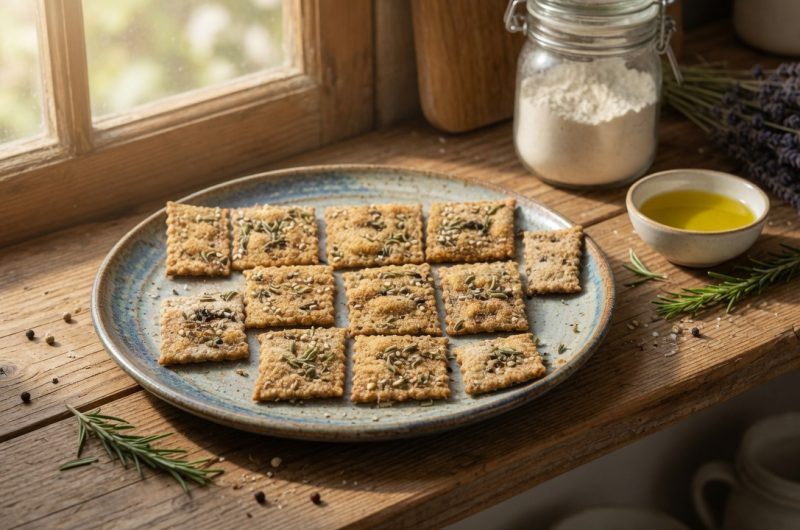
Homemade sourdough herb crackers represent a delicious way to utilize sourdough discard while creating crispy, flavorful snacks that surpass store-bought alternatives. These versatile crackers appeal to people seeking wholesome snacking options made from simple, recognizable ingredients. The fermentation from sourdough discard creates complex flavors impossible to achieve with standard cracker recipes using only flour and water. The herb additions transform basic crackers into sophisticated appetizers suitable for entertaining or casual snacking. Unlike commercial crackers containing preservatives and additives, homemade versions offer complete control over ingredients. The process of making crackers from scratch develops baking skills while creating something genuinely delicious. Understanding how sourdough fermentation affects cracker texture and flavor helps you appreciate why these crackers taste noticeably better than mass-produced versions.
Why Sourdough Discard Improves Cracker Quality
Sourdough discard contains active yeast and bacteria that ferment the dough, developing complex flavors and improved digestibility. The fermentation process creates lactic acid that develops subtle tangy notes complementing herb flavors beautifully. Using discard transforms what would otherwise be wasted ingredients into something delicious while contributing to the crackers’ distinctive character. The enzymes in sourdough break down flour components, making them more digestible compared to crackers made with unfermented flour. The flavor compounds that develop during fermentation create depth that elevates these crackers beyond simple flour-and-salt versions. The fermentation also affects texture, creating crackers that are crispy without being brittle. Understanding fermentation benefits helps you appreciate why sourdough discard crackers taste so much better than standard recipes.
Selecting Quality Flour for Crispy Results
All-purpose flour provides the ideal foundation for crackers with proper structure and crispness. The protein content in flour affects how the dough develops and how crispy the crackers become. All-purpose flour with moderate protein content creates properly crispy crackers without excessive chewiness. Storing flour properly in cool, dry conditions maintains quality and prevents rancidity. Using fresh flour rather than flour that’s been sitting for extended periods ensures better results. Some people prefer bread flour for slightly chewier crackers while all-purpose flour creates more traditionally crisp versions. The amount of flour affects the dough’s consistency—proper hydration is crucial for rolling and cutting success. Quality flour makes a noticeable difference in the final cracker texture and flavor.
Understanding Olive Oil’s Role in Flavor and Texture
Extra virgin olive oil contributes rich flavor while creating tender crackers without making them greasy. The quality of olive oil significantly impacts the finished crackers’ taste profile. Cold-pressed, high-quality olive oil provides superior flavor compared to refined versions. The oil coats flour particles, creating moisture that prevents excessive dryness while maintaining crispness. Using olive oil rather than other fats creates crackers with distinctive Mediterranean character. The amount of olive oil affects richness—more oil creates richer crackers while less creates leaner versions. Some people prefer using different oils to create varied flavor profiles. The combination of olive oil with sourdough’s tang creates appealing flavor complexity.
The Importance of Salt in Flavor Development
Salt enhances the crackers’ flavor while bringing out the sourdough’s subtle tangy notes. The amount of salt affects how pronounced the seasoning becomes—proper salting creates balanced flavor. Using sea salt rather than table salt sometimes provides superior flavor, though either works. Salt should be distributed evenly throughout the dough to ensure consistent seasoning. Some people prefer adding salt to the surface after rolling for visual appeal and concentrated salty bursts. Proper salting prevents the crackers from tasting bland while not overpowering other flavors. Understanding salt’s flavor-enhancing properties helps you appreciate how this simple ingredient improves crackers.
Adding Herbs and Seasonings for Complexity
Optional herbs, spices, and cheese transform basic sourdough crackers into sophisticated flavor experiences. Dried rosemary or thyme add aromatic warmth that complements sourdough’s tanginess. Grated Parmesan provides sharp, savory notes that appeal to cheese lovers. Red pepper flakes create spicy variations for those enjoying heat. Garlic powder combined with herbs creates classic Italian flavor profiles. Fresh herbs can be used though dried herbs work more reliably in crackers. The amount of seasonings affects how pronounced the flavors become—start with recommended amounts and adjust based on preference. Mixing different herbs and spices creates unique variations allowing personalization.
Rolling and Cutting Technique for Uniform Crackers
Rolling dough to approximately one-eighth inch thickness creates the ideal balance between crispness and structural integrity. Thinner crackers become crispier while thicker crackers remain slightly chewy. Consistency in thickness ensures even baking across all crackers. Using a rolling pin and lightly floured surface prevents sticking without requiring excessive flour that would toughen the crackers. Dividing dough into smaller portions makes rolling easier than attempting to roll all dough at once. A pizza cutter creates clean cuts efficiently while a sharp knife works equally well. Uniform sizing ensures all crackers bake in approximately the same time.
Shaping and Pricking for Proper Texture
Creative shapes transform crackers from simple snacks into visually interesting appetizers. Traditional rectangles work well though squares, triangles, or irregular shapes add appeal. Using a fork to prick each cracker prevents excessive puffing during baking while creating traditional cracker appearance. Pricking also creates small openings that allow moisture to escape, contributing to crispness. The pricking pattern can be decorative while serving functional purposes. Spacing crackers on the baking sheet ensures adequate air circulation for even baking. Proper spacing prevents crackers from sticking together or developing uneven browning.
Preheating and Baking for Golden Perfection
Preheating the oven to three hundred fifty degrees Fahrenheit ensures proper temperature for creating crispy exteriors. The moderate temperature allows crackers to brown evenly without burning. Baking for fifteen to twenty minutes typically creates golden-brown crackers with optimal crispness. The exact baking time depends on cracker thickness and oven characteristics. Thinner crackers require less time while thicker crackers need additional minutes. Checking crackers toward the end of baking time prevents burning. The finished crackers should be golden brown with crispy texture that breaks easily.
Cooling for Maximum Crispness
Allowing crackers to cool completely on a wire rack develops maximum crispness through moisture evaporation. Cooling on the baking sheet causes steam to soften the bottom surface. Complete cooling typically takes ten to fifteen minutes for thin crackers. As crackers cool, they become increasingly crisp—the cooling process is essential for proper texture. Attempting to eat crackers before complete cooling results in softer, less satisfying texture. Wire racks allow air circulation underneath, preventing soggy bottoms. Proper cooling ensures the final texture meets expectations.
Storage Methods for Extended Freshness
Airtight containers at room temperature maintain cracker crispness for up to one week. Storing in airtight containers prevents air exposure that causes crackers to absorb moisture and soften. Placing a dry paper towel in the container absorbs any residual moisture. Avoiding refrigeration preserves crispness better than cold storage. Freezing cooled crackers works well for longer storage—up to three months in airtight freezer containers. Thawing at room temperature restores crackers to room-temperature texture. Proper storage practices extend enjoyment while maintaining optimal texture.
Freezing Dough for Convenient Preparation
Unrolled dough can be frozen for up to three months, allowing convenient cracker baking whenever desired. Wrap dough tightly in plastic wrap before placing in freezer bags to prevent freezer burn. Thawing dough overnight in the refrigerator before rolling and baking produces best results. Some texture changes may occur with frozen dough though final crackers remain delicious. This flexibility means you can prepare dough in advance and bake fresh crackers throughout the month. Freezing dough allows batch preparation for consistent cracker availability.
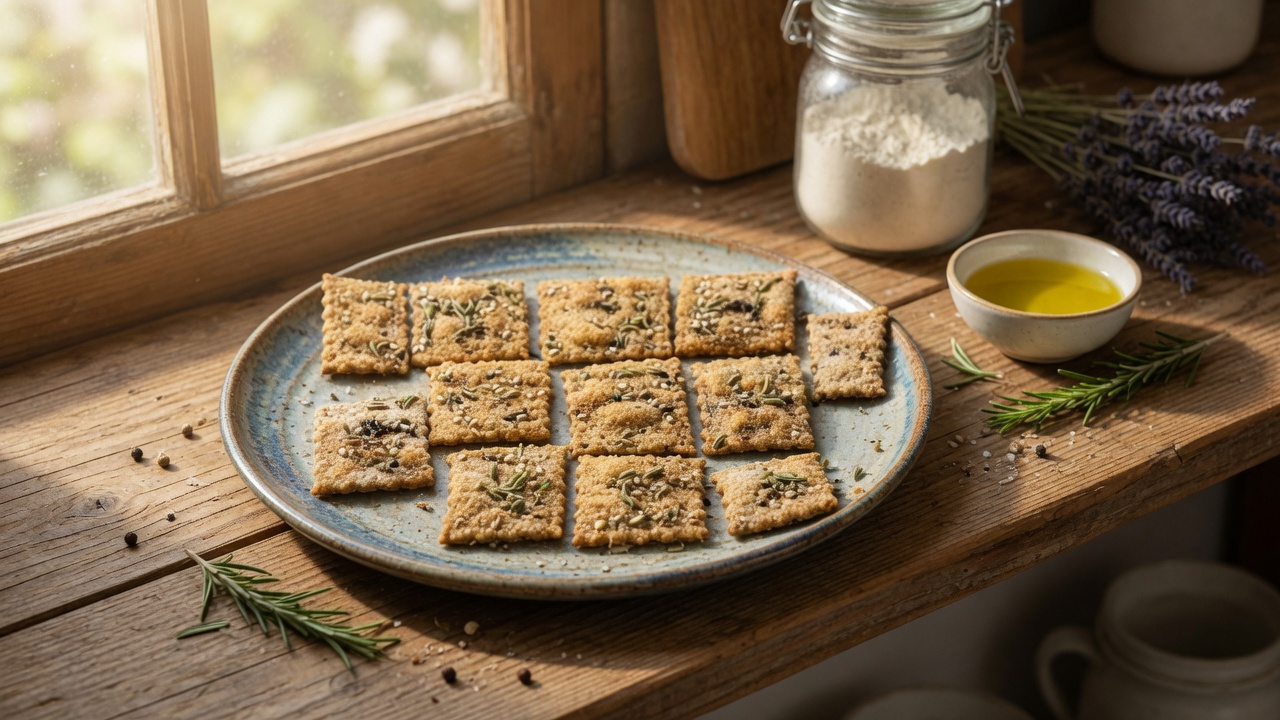
Sourdough Discard Crackers
Customizable with various herbs, spices, or cheese, these crackers allow endless flavor variations. These homemade alternatives surpass store-bought versions in flavor, crispness, and satisfaction. Perfect for those seeking control over ingredients and a more sustainable approach to snacking.
8
servings15
minutes5
minutes145
kcal20
minutesIngredients
1 cup Sourdough Discard
1 cup All-Purpose Flour
¼ cup Olive Oil
½ teaspoon Salt (adjust to taste)
Herbs, Spices, Grated Cheese (optional)
Directions
- Preheat your oven to 350°F (175°C) and line a baking sheet with parchment paper.
- In a bowl, combine the sourdough discard, flour, olive oil, and salt until a dough forms.
- Stir in any additional herbs, spices, or cheese as desired.
- Transfer the dough to a floured surface and roll it to about 1/8 inch thickness. Divide the dough for easier handling if necessary.
- Cut the dough into shapes using a pizza cutter or knife, then prick each cracker with a fork to prevent puffing.
- Arrange the crackers on the baking sheet and bake for 15-20 minutes until they turn golden and crispy. Watch closely to prevent burning.
- Let the crackers cool on a wire rack to crisp up further.
Notes
- These crackers will last about 1 week when stored in an airtight container at room temperature.
Nutrition Facts
- Calories: 145kcal
- Fat: 7g
- Sodium: 146mg
- Potassium: 17mg
- Carbohydrates: 18g
- Fiber: 1g
- Sugar: 0.04g
- Protein: 2g
- Calcium: 3mg
- Iron: 1mg