When the cozy scent of cinnamon, cloves, and sweet potatoes fills the air, it can only mean one thing—it is time for a delicious slice of Sweet Potato Pie that brings warmth and comfort to your table and home. This heartwarming dessert is not just a classic comfort food that people have enjoyed for generations, but it is also a genuinely nutrient-packed treat thanks to its wholesome einkorn crust made from ancient grain flour. Einkorn flour, one of the most ancient grains known to humanity, brings a distinctly nutty flavor and light, delicate texture to pie crust that makes it stand apart from conventional wheat flour crusts. The combination of this nutritious flour with a creamy, spiced sweet potato filling creates a dessert that is both satisfying and genuinely nourishing. Understanding how to work with einkorn flour and create this classic pie allows you to craft a memorable dessert that will impress your family and guests.
Discovering What Makes Einkorn Flour Truly Special
Einkorn flour is an ancient grain that has been cultivated for thousands of years in Mediterranean and Middle Eastern regions, representing one of humanity’s oldest domesticated wheat species. Unlike modern wheat varieties that have been extensively hybridized and modified over generations, einkorn remains relatively unchanged from its original form. This ancient grain is naturally low in gluten compared to modern wheat, which makes it easier to digest for many people and creates a distinctly different baking experience. Einkorn is rich in essential nutrients such as magnesium, iron, and B vitamins that provide health benefits beyond simple carbohydrates. Its delicate, nutty flavor adds depth and complexity to baked goods, making it an excellent choice for pie crusts where the flour flavor can shine through. Understanding einkorn’s unique properties helps you appreciate why this grain produces superior results in pie crust applications.
Understanding Why Einkorn Works Beautifully in Pie Crust
Einkorn flour offers multiple advantages that make it an exceptional choice for creating pie crusts that are both delicious and nutritious. The nutritional benefits of einkorn mean your crust becomes not just a base structure but a genuinely healthy addition to your dessert. Its mild, nutty flavor pairs beautifully with the warm spices and natural sweetness of the pie filling without overwhelming other flavors. Einkorn flour produces a tender, flaky crust that holds its shape beautifully while remaining delightfully easy to cut into clean, attractive slices. The lower gluten content means less development of tough, chewy texture, resulting in a more tender final product. Making pie crust with einkorn feels different from using all-purpose flour, as the dough behaves slightly differently and requires understanding its unique properties.
Recognizing the Nutritional Advantages of Einkorn Flour
Einkorn is packed with essential nutrients that make it far more nutritionally dense than modern wheat varieties, including higher levels of protein, minerals, and vitamins. The magnesium content supports bone health and nervous system function, while iron is essential for oxygen transport in the blood. B vitamins present in einkorn support energy metabolism and nervous system health throughout your body. The grain also contains beneficial compounds like polyphenols that have antioxidant properties. These nutritional benefits mean that choosing einkorn for your pie crust is genuinely choosing a healthier option compared to conventional flour. Understanding these nutritional advantages helps you appreciate the value of using ancient grains in your baking.
Mastering the Art of Making Sweet Potato Pie Filling
Sweet potato pie filling is far more than just mashed sweet potatoes—it is a harmonious, carefully balanced blend of creamy dairy products, natural sweetness, and warming spices that work together in perfect concert. The key to achieving perfection in your filling lies in understanding how each component contributes to the final flavor and texture. Starting with quality sweet potatoes and properly preparing them ensures the foundation is strong. Choosing the right sweetener adds not just sweetness but also complexity of flavor. The dairy combination creates the signature creamy texture that defines excellent sweet potato pie. The spice blend creates the warm, comforting flavor profile that people crave when eating this classic dessert.
Selecting and Preparing Sweet Potatoes Properly
Opting for medium-sized sweet potatoes with a rich, deep orange color ensures you are choosing potatoes that tend to be sweeter and creamier when cooked. The orange color indicates high beta-carotene content and suggests mature, flavorful potatoes. Baking sweet potatoes in the oven enhances their natural sugars through caramelization, resulting in a deeper, more complex flavor compared to boiling or steaming. This caramelization process is what creates the rich flavor that defines excellent sweet potato pie. Taking time to properly prepare sweet potatoes by baking them rather than using shortcuts ensures superior flavor in your finished pie.
Understanding the Role of Real Maple Syrup
Using real maple syrup instead of processed refined sugar provides not just sweetness but also adds a hint of caramel-like richness that enhances the overall flavor profile. Real maple syrup contains trace minerals and compounds that contribute subtle complexity that processed sugar cannot provide. The caramel notes in maple syrup complement the spices and sweet potatoes beautifully, creating depth of flavor. Pure maple syrup costs more than processed sugar, but the superior flavor justifies the expense when making special desserts. Using quality ingredients in pie filling ensures your finished dessert tastes exceptional.
Creating the Perfect Dairy Combination for Creamy Texture
A mixture of heavy cream and sour cream ensures a luscious, creamy texture while providing tanginess that balances the sweetness of the filling. The heavy cream provides richness and contributes to smooth texture, while the sour cream adds a subtle tang that prevents the filling from tasting one-dimensional or overly sweet. This combination creates a more complex flavor profile than cream alone would provide. The tanginess of sour cream also helps cut through the richness, making the pie feel lighter and more balanced. Understanding how different dairy products contribute to the final flavor helps you make intentional choices about ingredients.
Building Warmth With the Spice Blend
Cinnamon, ginger, allspice, and cloves work together to create a symphony of warm flavors that complement the sweet potatoes beautifully without overwhelming them. Cinnamon provides the primary warm spice flavor that most people associate with sweet potato pie. Ginger adds subtle heat and complexity that prevents the spice profile from becoming monotonous. Allspice contributes warm, slightly sweet notes that enhance other spices. Cloves provide deep, aromatic warmth in the background. Together, these spices create the signature flavor profile that makes people crave sweet potato pie during autumn months. Understanding the role of each spice helps you appreciate how they work together.
Keeping Butter and Water Cold for Flaky Crust
Keeping the butter and water cold when making the pie crust ensures a flaky texture by preventing the butter from melting into the flour during mixing. Cold butter creates small pockets throughout the dough that steam during baking, producing the desirable flakiness. Using ice water rather than room temperature water helps maintain the low temperature of the dough. Working quickly with cold ingredients prevents the butter from warming up during handling. Refrigerating the dough for at least fifteen minutes before rolling it out further solidifies the butter and prepares the gluten for optimal texture. Taking these temperature-control measures is essential for achieving flaky pie crust.
Understanding Why Not to Overmix Pie Dough
When making pie dough, mixing just until it holds together prevents developing excess gluten that would create a tough, dense crust rather than a flaky one. Overmixing activates gluten proteins that create a network that makes the crust chewy and tough. With einkorn flour’s lower gluten content, this concern is less critical than with all-purpose flour, but still important to consider. The dough should look slightly shaggy and rough rather than smooth and uniform when properly mixed. Restraint during mixing is one of the most important skills for successful pie crust making.
Pureeing Sweet Potatoes for Silky-Smooth Texture
Using a food processor ensures you achieve a silky-smooth filling without lumps or chunks that could affect the pie’s overall texture and eating experience. A smooth filling bakes more evenly and creates a more refined texture than chunky filling would provide. Processing should continue until absolutely no visible lumps remain in the sweet potato puree. The smooth texture prevents any unpleasant surprises when eating and creates a professional appearance when the pie is sliced. Taking time to properly puree sweet potatoes ensures excellent results.
Starting at the Right Temperature for Sweet Potatoes
Starting by baking sweet potatoes at four hundred degrees Fahrenheit helps caramelize their natural sugars, intensifying flavor and creating the deep, rich taste that defines excellent sweet potato pie filling. This high initial temperature brings out sweetness that would be missed with lower temperatures. Once the sweet potatoes are properly caramelized and cooked through, you then transfer to baking the pie at three hundred fifty degrees Fahrenheit, which sets the filling without overbaking or burning the crust. This two-temperature approach ensures both components reach perfection simultaneously.
Understanding Butter’s Essential Role Throughout
Butter is genuinely the backbone of this recipe, contributing to both crust and filling in essential ways. In the crust, butter ensures flakiness through the steam pockets it creates during baking while also providing rich flavor. In the filling, butter adds richness and contributes to smooth, creamy texture. Using quality butter with good flavor elevates the entire pie. The amount and temperature of butter you use directly affects the final texture and taste of your finished pie.
Creating Proper Crust Consistency Before Rolling
When making the crust, the dough should be mixed just until it comes together, appearing slightly rough and shaggy rather than smooth and uniform. This appearance indicates proper mixing that will result in flaky texture. If the dough seems too crumbly to hold together, add ice water one tablespoon at a time until it just barely holds together. If the dough seems too wet or sticky, let it rest in the refrigerator before proceeding. Getting the consistency right at this stage sets you up for success during rolling and baking.
Chilling Dough Before Rolling for Optimal Results
Refrigerating the dough for at least fifteen minutes before rolling it out allows the gluten to relax and the butter to firm up, both of which are essential for flaky crust. The relaxed gluten prevents the dough from shrinking excessively during rolling. The firm butter creates optimal conditions for flakiness. Some bakers prefer chilling for thirty minutes or even an hour for even better results. The time investment in proper chilling pays off in significantly better crust texture and appearance.
Rolling Out Dough Without Excessive Flour
Rolling the dough between two sheets of parchment paper prevents sticking without requiring excessive additional flour that would change the dough’s hydration. This technique keeps the dough dry on the surface while preventing sticking issues. If the dough sticks despite parchment paper, briefly chill it before continuing. Rolling to approximately one-eighth inch thickness creates a crust that is neither too thin nor too thick, providing the right balance of structure and tenderness.
Transferring Dough to Pie Pan Successfully
Once rolled out, transferring the dough from parchment paper to the pie pan requires careful handling to prevent tearing. One effective method is to flip the parchment paper with dough onto the pie pan, then carefully peel away the parchment. Another method is to roll the dough onto a rolling pin, then unroll it into the pie pan. Whichever method you choose, work gently to avoid tearing, which could cause the filling to leak through.
Preparing Filling Ingredients in Advance
Preparing all filling ingredients before you begin mixing ensures smooth progress without interruption. Having sweet potatoes pureed, spices measured, and dairy products ready allows you to focus on proper mixing without scrambling to find ingredients. This organization technique, called mise en place by professional cooks, prevents mistakes and ensures consistent results.
Combining Filling Ingredients Thoroughly
Mixing the filling ingredients thoroughly ensures the spices and other components are evenly distributed throughout. The filling should be completely smooth with no visible streaks or lumps of any ingredient. Proper mixing creates uniform flavor throughout the pie so every bite tastes consistent. Using a mixer or blender can help achieve smoothness, though careful hand mixing also works.
Pouring Filling Without Spillage
Pouring the filling into the prepared crust slowly and carefully prevents spillage and overflow. If the pie pan is already in the oven, you may want to pull out the rack slightly before pouring to prevent spilling hot filling. The filling should reach about three-quarters full, allowing room for any expansion during baking. Overflow can burn on the oven floor, creating smoke and potentially affecting the pie’s appearance.
Baking Until Filling Sets Without Overbaking
Baking the pie at three hundred fifty degrees until the filling is set but still slightly jiggly in the very center ensures the filling is properly cooked without becoming dry. A knife inserted near the edge should come out clean, while the center may still appear slightly underdone. This underdone center firms up as the pie cools, resulting in creamy filling rather than dense, overcooked filling. Overbaking results in a curdled, separated texture that is unpleasant.
Cooling Properly for Optimal Texture Development
Allowing the pie to cool completely at room temperature before refrigerating lets the filling set properly and develop its final texture. Cooling too quickly by refrigerating immediately can cause uneven texture and separation. Once cooled completely, refrigerating ensures the pie holds together when sliced and the filling achieves its ideal creamy texture. Allowing the pie to chill overnight before serving allows flavors to develop fully.
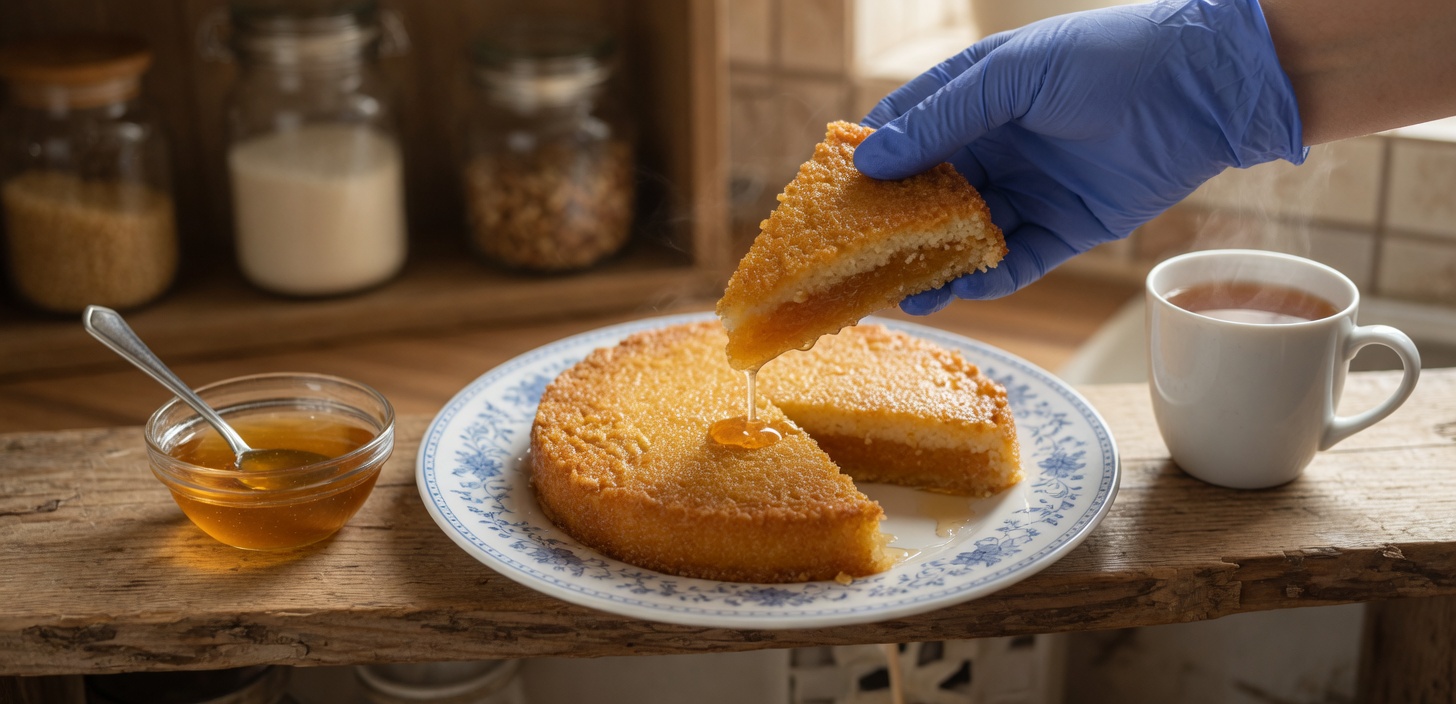
Sweet Potato Pie with Einkorn Crust
Sweet Potato Pie! This heartwarming dessert isn’t just a classic comfort food; it’s also a nutrient-packed treat, thanks to its wholesome einkorn crust.
Ingredients
- For the Einkorn Crust:
1 ¾ cups (168g) jovial Whole Grain Einkorn Flour or 1⅓ cups (160 g) All-Purpose Einkorn Flour
¼ teaspoon kosher salt
6 tablespoons (85g) cold unsalted butter, diced
3 tablespoons cold water
- For the Sweet Potato Filling:
3 medium sweet potatoes (about 1 ½ pounds)
¼ cup (57g) unsalted butter, melted and slightly cooled
2 large eggs, plus 1 egg yolk
½ cup real maple syrup
½ cup heavy cream
½ cup sour cream
1 teaspoon pure vanilla extract
2 tablespoons All-Purpose Einkorn Flour
1 teaspoon ground cinnamon
¼ teaspoon ground ginger
¼ teaspoon ground allspice
⅛ teaspoon ground cloves
½ teaspoon salt
Whipped cream for topping (optional)
Directions
- Step 1: Prepare the Einkorn Pie Crust
- In a medium bowl, whisk together the einkorn flour and kosher salt.
- Cut in the cold butter using a pastry blender or your fingertips until the mixture resembles coarse sand.
- Gradually add cold water, mixing just until the dough comes together when pressed.
- Shape the dough into a ball, wrap in plastic wrap, and refrigerate for 15 minutes.
- Roll the dough out on a lightly floured surface to fit your pie dish. Transfer it carefully to the dish and trim the edges. Crimp as desired. Place in the fridge until ready to use
- Step 2: Make the Sweet Potato Filling
- Preheat the oven to 400°F. Prick the sweet potatoes with a fork and bake on a baking sheet for about 1 hour or until soft. Reduce the oven temperature to 350°F.
- Scoop the flesh of the sweet potatoes into a food processor and puree until smooth (about 1 ⅔ cups).
- In a mixing bowl, whisk together the eggs, egg yolk, maple syrup, heavy cream, sour cream, and vanilla extract. Add the pureed sweet potatoes and mix well.
- Stir in the einkorn flour, cinnamon, ginger, allspice, cloves, and salt. Slowly add the melted butter, mixing until the filling is smooth.
- Step 3: Assemble and Bake
- Pour the filling into the prepared pie crust.
- Bake at 350°F for 55–60 minutes or until the edges are set and the center has a slight jiggle.
- Cool the pie on a wire rack for at least 2 hours before slicing.
- Serving
- Top each slice with a dollop of whipped cream for a creamy finish. Serve warm or at room temperature and watch this delicious pie disappear!