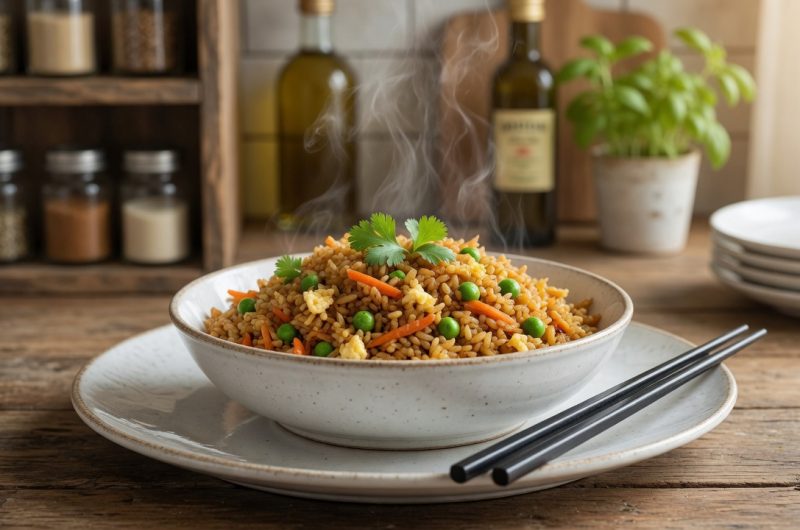
When you’re staring down a busy weeknight with barely any time to cook, having a reliable go-to recipe makes all the difference. This chicken fried rice comes together in about 25 minutes using simple pantry staples and lean protein, making it an ideal choice for anyone juggling work, family, or just wanting dinner on the table fast. It’s also a great way to use up leftover rice sitting in your fridge, turning a small amount of extra ingredients into a full, satisfying meal that doesn’t feel like a compromise on flavor or nutrition.
A Healthier Take on a Takeout Favorite
Traditional fried rice from a restaurant is often loaded with sodium, oil, and calories that add up quickly, even though it tastes fantastic. This homemade version swaps in leaner ingredients like egg whites and boneless skinless chicken breast, along with low sodium soy sauce, so you get that same comforting flavor without derailing your nutrition goals. Using brown rice instead of white also adds more fiber and nutrients, making this a dish you can feel good about eating regularly rather than saving for the occasional treat.
Gathering Your Ingredients Before You Start Cooking
Fried rice comes together quickly once you start cooking, so it helps to have everything prepped and within reach before you turn on the stove. You’ll need cooking spray, carrots, large egg whites, cooked long grain brown rice, chopped scallions, thawed frozen peas, minced garlic cloves, low sodium soy sauce, and boneless skinless chicken breasts. Having your chicken already cut into bite-sized pieces and your vegetables chopped ahead of time will make the actual cooking process move smoothly without any last-minute scrambling.
Starting with Perfectly Scrambled Egg Whites
Begin by heating a non-stick skillet or wok over medium-high heat, then coat it generously with cooking spray to prevent sticking. Pour in your egg whites and scramble them, stirring occasionally until they reach a soft, fully cooked texture, which usually takes about four minutes. Once they’re done, transfer the scrambled egg whites to a separate plate or bowl and set them aside, since you’ll be adding them back into the dish later once everything else has cooked through.
Building Flavor with Scallions and Garlic
After removing the cooked egg whites from the pan, give the skillet another light coating of cooking spray before returning it to the heat. Add your chopped scallions and minced garlic cloves, sauteing them together for about two minutes. This short cooking time is enough to soften the scallions and release the fragrant aroma of the garlic without letting either one burn, which can happen quickly if the heat is too high or you leave them unattended.
Cooking the Chicken and Carrots Together
Once your scallions and garlic are fragrant, add the chicken pieces and carrots directly into the same pan. Saute everything together until the chicken turns a deep golden brown on the outside and is fully cooked through, which generally takes around five minutes depending on how large your chicken pieces are cut. Larger chunks will take a bit longer, so if you’re short on time, cutting the chicken into smaller, bite-sized pieces beforehand can speed up this step considerably.
Bringing All the Ingredients Together
With your chicken cooked through and the carrots softened, it’s time to bring everything back together in the pan. Add the scrambled egg whites back in, along with the cooked brown rice, thawed peas, and low sodium soy sauce. Stir everything together thoroughly so the soy sauce coats all the ingredients evenly, then continue cooking for a few more minutes until everything is heated through and the flavors have had a chance to meld together nicely.
Understanding Portion Sizes and Servings
This recipe yields six generous servings, with each serving measuring about one cup. That makes it a great option for meal prepping, since you can portion it out into containers right after cooking and have lunches ready to grab throughout the week. Because it reheats well, this dish holds up better than many other rice-based meals, staying flavorful and satisfying even a few days after you first make it.
Weight Watchers Points and Nutritional Considerations
If you’re tracking points on a Weight Watchers plan, this chicken fried rice fits reasonably well into most daily allowances thanks to the lean chicken breast and egg whites used in place of heavier ingredients. For anyone looking to lower the points further, swapping the brown rice for riced cauliflower is a popular substitution. Just keep in mind that cauliflower rice has a different texture and cooks faster than brown rice, so you’ll want to adjust your cooking time slightly to avoid ending up with mushy vegetables.
Boosting the Flavor Even Further
While this recipe tastes great as written, there’s plenty of room to customize it based on your personal preferences. Adding a splash of oyster sauce alongside the soy sauce brings a deeper, slightly sweeter savory note to the dish. A few drops of sesame oil stirred in at the end can also add a nutty aroma and richness that takes the flavor up a notch without adding significant calories. Feel free to experiment with small amounts until you find the balance that suits your taste.
Making This Recipe Even Faster on Busy Nights
If you’re really pressed for time, there are a couple of shortcuts that can shave a few extra minutes off your cooking process. Instead of chopping fresh carrots and measuring out peas separately, grab a bag of thawed frozen mixed vegetables instead. This swap cuts down on prep time significantly since the vegetables are already chopped and ready to go, and it doesn’t sacrifice much in terms of flavor or nutrition, making it a smart option for particularly hectic weeknights.
Swapping Chicken Breast for Chicken Thighs
While this recipe calls for boneless skinless chicken breast, chicken thighs work just as well if that’s what you have on hand or simply prefer. Thighs tend to be slightly more forgiving when it comes to cooking time, since they have a bit more fat that helps keep them moist even if they cook a little longer than intended. Just make sure to cut them into similar sized pieces as you would with breast meat so everything cooks evenly in the pan.
Storing Leftovers the Right Way
Once you’ve finished cooking and portioning out your fried rice, store any leftovers in an airtight container in the refrigerator. Properly stored, this dish should stay fresh for several days, making it a reliable option for meal prepping lunches or quick dinners later in the week. When you’re ready to eat leftovers, a quick reheat in the microwave or a skillet on the stove will bring the dish back to a warm, satisfying state without much effort at all.
Choosing the Right Rice for This Recipe
Using long grain brown rice that has already been cooked and cooled works best for this recipe, since freshly cooked rice tends to be too moist and can turn mushy when stir-fried. If you have the chance to cook your rice a day ahead and let it sit in the refrigerator overnight, the grains will firm up slightly, giving you that classic fried rice texture where each grain stays separate rather than clumping together in the pan.
Adjusting the Recipe for Dietary Preferences
This recipe is flexible enough to accommodate a few dietary adjustments without losing its core appeal. For a lower sodium version, look for a soy sauce labeled as reduced sodium or explore coconut aminos as an alternative seasoning. Those following a gluten-free diet should double check that their soy sauce or any substitute sauces are certified gluten-free, since traditional soy sauce often contains wheat as an ingredient, which could be an issue for those with sensitivities.
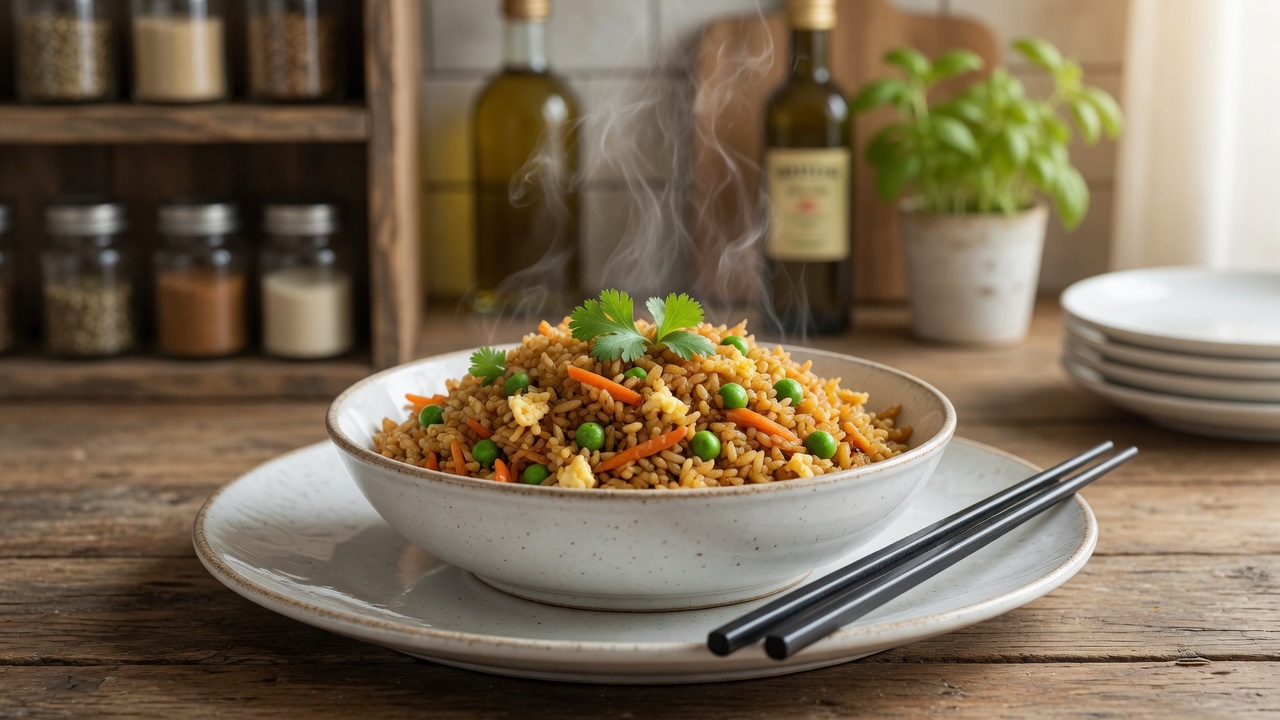
Weight Watchers Chicken Fried Rice
This quick and healthy chicken fried rice comes together in about 25 minutes using lean chicken breast, egg whites, and brown rice. It’s a lighter take on a takeout favorite, perfect for weeknight dinners or meal prepped lunches throughout the week.
6
servings15
minutes10
minutes201
kcal25
minutesIngredients
Cooking Spray
1/2 Cup Uncooked Carrots, Chopped
4 Large Egg Whites
2 Cups Cooked Long Grain Brown Rice
1/2 Cup Uncooked Scallions, Chopped
1/2 Cup Frozen Peas, Thawed
2 Medium Garlic Cloves, Minced
3 Tablespoons Low Sodium Soy Sauce
12 Ounces Boneless Skinless Chicken Breasts, 1/2 Cubes
Directions
- Heat a non-stick skillet or wok over medium-high heat and generously coat it with cooking spray. Add the egg whites, scrambling them until cooked, approximately 4 minutes. Set aside.
- Remove the pan from heat, re-coat with cooking spray, and sauté scallions and garlic for 2 minutes.
- Add chicken and carrots, sautéing until golden brown and fully cooked, around 5 minutes.
- Reintroduce the cooked egg whites, then add brown rice, peas, and soy sauce. Stir and cook until heated through.
Notes
- Nutritional content may vary based on the specific products used. The auto-calculation is an estimate and should not replace personalized dietary needs
Nutrition Facts
- Calories: 201kcal
- Fat: 3g
- Cholesterol: 48mg
- Carbohydrates: 20g
- Fiber: 2g
- Sugar: 1g
- Protein: 23g