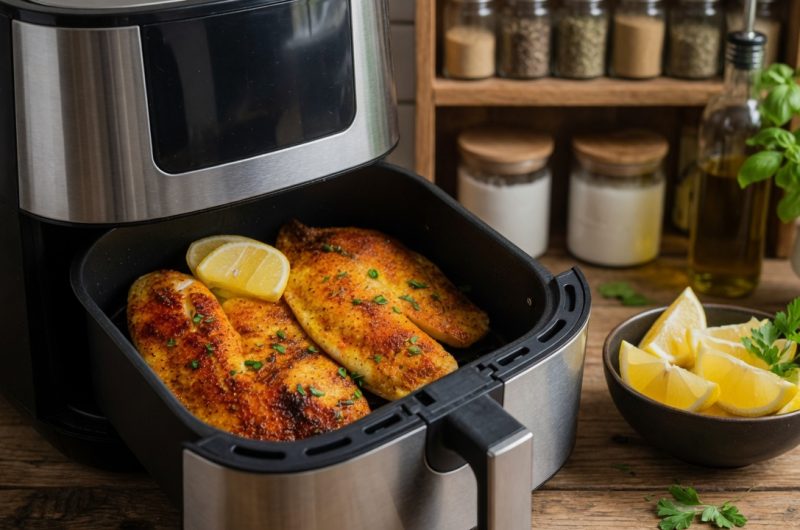
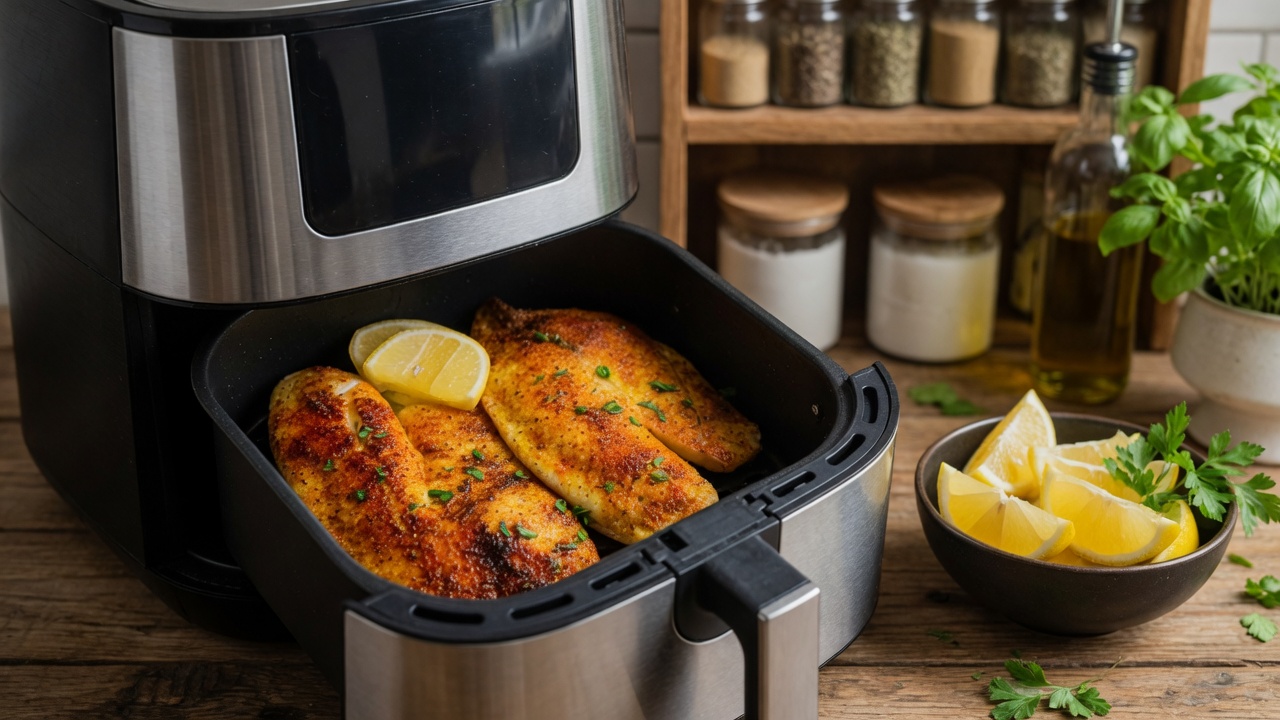
Tilapia is a mild white fish that cooks quickly and evenly in an air fryer. The hot circulating air creates a slightly crispy exterior while keeping the inside moist and tender. Unlike pan-frying, the air fryer method requires very little oil, which reduces calories and mess. The fish cooks in just seven to eight minutes, making it one of the fastest dinner options available. You can cook tilapia from fresh or frozen, adding even more convenience to this already simple recipe. The mild flavor of tilapia accepts seasonings well without becoming overpowering.
Understanding Tilapia as a Budget-Friendly Option
Tilapia is one of the most affordable fish options available at grocery stores. You can find it fresh or frozen at almost any supermarket, often at lower prices than salmon or other popular fish. The budget-friendly nature of tilapia makes it accessible for families who want to include more fish in their diet. Despite the lower cost, tilapia still provides good nutrition and versatility. Buying frozen tilapia in bulk can save even more money while keeping your freezer stocked. The fish thaws quickly, so you can decide to make this recipe at the last minute.
Health Benefits of Eating Tilapia
Each four-ounce serving of tilapia contains only about one hundred twenty calories. This low calorie count makes tilapia an excellent choice for people watching their weight. The fish is also very low in fat, with most of its calories coming from protein. Tilapia provides about twenty-three grams of protein per serving, helping you meet your daily protein needs. The fish contains important nutrients like vitamin B12, phosphorus, and selenium. Tilapia fits well into low-carb and keto diets since it contains virtually no carbohydrates.
Why the Mild Flavor Matters
Many people avoid fish because they dislike the strong fishy taste. Tilapia has one of the mildest flavors among all fish varieties. This makes it perfect for people who are new to eating fish or have picky eaters at home. The neutral flavor acts as a blank canvas that pairs well with countless seasonings and sauces. You can prepare tilapia with different flavor profiles from Mexican to Asian to Mediterranean. Kids who normally refuse fish often accept tilapia because of its gentle taste and flaky texture.
Choosing Fresh or Frozen Fillets
Fresh tilapia fillets should smell clean like the ocean, never fishy or sour. Look for fillets that appear moist and have a slightly translucent quality. Avoid fish with brown spots or dry edges that indicate age. Frozen tilapia is just as nutritious as fresh and often costs less. Choose frozen fillets that are individually wrapped or can be easily separated. Make sure the package shows no signs of freezer burn or ice crystals. Whether you choose fresh or frozen, pick fillets of similar size so they cook evenly.
Essential Seasonings for Flavor
The basic seasoning blend uses salt, black pepper, smoked paprika, and garlic powder. Salt enhances all the natural flavors in the fish. Black pepper adds a subtle heat without overwhelming the mild fish. Smoked paprika provides a hint of smokiness and a beautiful reddish color. Garlic powder contributes savory depth that complements the lemon butter sauce. This simple combination creates delicious flavor without requiring a long list of spices. You likely already have all these seasonings in your pantry.
Making the Lemon Butter Sauce
The lemon butter sauce transforms simple fish into something special. Melted butter provides richness and helps carry the other flavors. Fresh garlic adds aromatic punch that pairs perfectly with fish. Freshly squeezed lemon juice brings brightness and cuts through the richness of the butter. The acid from the lemon also helps tenderize the fish slightly. This three-ingredient sauce takes only a minute to prepare but makes a huge difference. The warm butter should be liquid but not so hot that it cooks the raw garlic.
Preheating Your Air Fryer
Starting with a preheated air fryer ensures even cooking from the moment the fish goes in. Set your air fryer to four hundred degrees Fahrenheit or two hundred degrees Celsius. Let it heat for three to five minutes before adding the fish. Preheating helps create that slightly crispy exterior on the tilapia. Some air fryer models heat up faster than others, so check your manual. Spray the basket with non-stick cooking spray after preheating to prevent sticking. This preparation step takes just a few minutes but improves your results significantly.
Preparing the Fish for Cooking
Pat the tilapia fillets completely dry using paper towels. Removing surface moisture is crucial for getting a good texture on the fish. Wet fish will steam rather than develop any crispiness. Press the paper towels gently on both sides of each fillet. If using frozen fish, make sure it has thawed completely and drain any liquid. Dry fish also helps the seasonings stick better to the surface. This simple step makes a noticeable difference in the final texture of your tilapia.
Applying Seasonings Evenly
Mix all your seasonings together in a small bowl before applying them to the fish. This ensures every fillet gets the same flavor profile. Sprinkle or rub the seasoning mixture over both sides of each tilapia fillet. Use your fingers to gently press the seasonings into the fish. Make sure to cover the entire surface, including the edges. The seasonings should form a light coating without clumping. You can prepare the seasoning mix ahead of time and store it in an airtight container.
Arranging Fish in the Air Fryer
Place the seasoned fillets in the air fryer basket in a single layer. Leave some space between each fillet so air can circulate around all sides. Overcrowding prevents proper cooking and results in steamed rather than crisped fish. If you have more fillets than fit comfortably, cook them in batches. Keep the first batch warm in a low oven while cooking the second. Proper spacing is one of the keys to successful air fryer cooking. The hot air needs to reach all surfaces of the fish.
Cooking Time and Temperature
Cook the tilapia at four hundred degrees Fahrenheit for seven to eight minutes total. Flip the fillets halfway through the cooking time, around the three to four minute mark. Flipping ensures both sides cook evenly and develop a light crust. Thinner fillets may need only seven minutes while thicker ones might need the full eight. The fish is done when it flakes easily with a fork. You should see no translucent or raw-looking areas in the center. The edges might brown slightly, which is normal and desirable.
Checking Internal Temperature
The safest way to know your fish is fully cooked is checking the internal temperature. Insert a meat thermometer into the thickest part of the fillet. Tilapia is safe to eat when it reaches an internal temperature of one hundred forty-five degrees Fahrenheit. The fish will continue cooking slightly after you remove it from the air fryer. If you do not have a thermometer, check that the fish flakes easily and looks opaque throughout. Undercooked fish appears translucent while properly cooked fish is completely opaque white.
Preventing Fish from Sticking
Spraying the air fryer basket with cooking spray before adding fish helps prevent sticking. You can also line the basket with parchment paper designed for air fryers. Regular parchment paper without holes blocks airflow and should not be used. Air fryer liners are available in most stores and come pre-cut to fit standard basket sizes. These liners make cleanup easier and protect delicate fish from sticking. If your fish does stick, let it cook a bit longer as it often releases naturally once fully cooked.
Brushing on the Sauce
Remove the cooked tilapia from the air fryer and place it on serving plates. Use a pastry brush or spoon to apply the lemon butter sauce generously over each fillet. The warm fish will absorb some of the sauce while the rest forms a glossy coating. Make sure to include some of the minced garlic in each serving. The sauce adds moisture, flavor, and richness to the lean fish. Any leftover sauce can be served on the side for dipping. Apply the sauce while the fish is still hot for best absorption.
Garnishing for Presentation
Sprinkle freshly chopped parsley or cilantro over the sauced fish. The green herbs add color contrast against the white fish and golden sauce. Fresh herbs also contribute a bright flavor that complements the lemon. Place lemon wedges on the side of each plate for people to squeeze over their fish. The extra lemon juice adds even more brightness and allows diners to customize their flavor. Simple garnishes like these make the dish look restaurant-quality. Good presentation makes food more appealing and enjoyable to eat.
Trying Different Seasoning Variations
The mild flavor of tilapia makes it perfect for experimenting with different seasonings. Try Cajun seasoning for a spicy, Louisiana-style fish. Taco seasoning creates a Mexican-inspired dish that works great in fish tacos. Teriyaki sauce brushed on before cooking gives an Asian twist. Lemon pepper seasoning is a classic combination that never disappoints. Italian seasoning with oregano and basil creates a Mediterranean flavor. Each variation transforms the basic recipe into something completely different while keeping the same simple cooking method.
Storing Leftover Tilapia
Place any leftover tilapia in an airtight container once it has cooled to room temperature. Store the container in the refrigerator where it will keep for up to three days. Cooked fish should not sit at room temperature for more than two hours. The lemon butter sauce can be stored separately or on the fish. Properly stored leftovers maintain good quality and food safety. Leftover tilapia works great in fish tacos, salads, or sandwiches. The ability to store leftovers makes this recipe practical for meal prep.
Freezing for Longer Storage
Cool the cooked tilapia completely before freezing to prevent ice crystals. Wrap each fillet individually in plastic wrap or aluminum foil. Place the wrapped fillets in a freezer-safe bag or container. Remove as much air as possible from the bag before sealing. Label the container with the date so you know when you froze it. Frozen cooked tilapia stays good for up to two months. The texture may be slightly different after freezing but the flavor remains good.
Reheating Methods
The air fryer is the best way to reheat tilapia while maintaining its texture. Heat the air fryer to three hundred fifty degrees and cook for about two minutes. The fish will warm through and the edges will crisp up again. Alternatively, microwave individual portions for twenty to thirty seconds. The microwave is faster but will not restore any crispiness. Reheat only the amount you plan to eat since reheating multiple times degrades quality. Add fresh lemon butter sauce after reheating to refresh the flavors.
Cooking Frozen Tilapia Without Thawing
You can cook tilapia directly from frozen if you forget to thaw it. Add three to five extra minutes to the cooking time for frozen fillets. The fish may release more moisture during cooking, so pat it dry partway through. Frozen fish might not get quite as crispy as thawed fish. For best results, thaw tilapia in the refrigerator overnight or under cold running water. Thawed fish cooks more evenly and develops better texture. However, the option to cook from frozen adds flexibility when you need a quick meal.
Air Fryer Tilapia
Quick and easy tilapia fillets seasoned with spices and cooked in an air fryer, topped with a tangy lemon butter sauce for a healthy weeknight dinner.
1
minute7
minutes155
kcal8
minutesIngredients
4 tilapia fillets (4-6 ounces each)
1/2 teaspoon salt
1/2 teaspoon pepper
1/2 teaspoon smoked paprika
1/2 teaspoon garlic powder
- For the Lemon Butter Sauce:
1/4 cup butter, melted
3 cloves garlic, minced
1 tablespoon lemon juice
1 tablespoon parsley, chopped
Directions
- Preheat the air fryer to 200°C (400°F) and spray the basket with cooking spray.
- Pat the tilapia fillets dry. Mix salt, pepper, smoked paprika, and garlic powder, then rub over both sides of the fish.
- Place the fillets in the air fryer basket and cook for 7-8 minutes, flipping halfway.
- While the fish is cooking, whisk together the melted butter, garlic, lemon juice, and parsley.
- Brush the lemon butter sauce over the cooked fillets and serve immediately.
Notes
- Storing Leftovers: Store in the refrigerator for up to three days.
- Freezing: Can be frozen for up to two months.
- Reheating: Reheat in the microwave or air fryer until warm and crispy.
Nutrition Facts
- Calories: 155kcal
- Fat: 8g
- Cholesterol: 85mg
- Sodium: 471mg
- Carbohydrates: 1g
- Protein: 28g