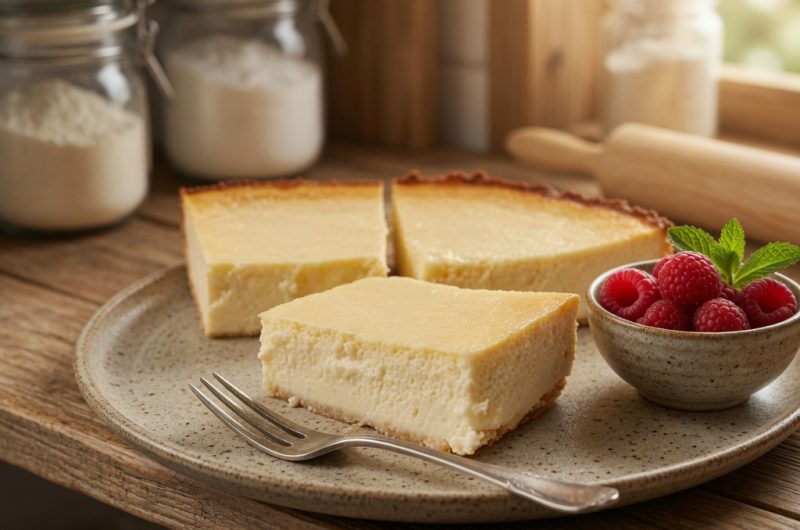
Are you on a carnivore or keto journey and searching for a dessert that aligns perfectly with your lifestyle without compromising on taste or satisfaction? Look no further because this Carnivore Cheesecake is the epitome of indulgence, crafted entirely from animal-based ingredients and completely free from sugar or plant-based fillers that would derail your dietary goals. This creamy, rich, and utterly satisfying dessert is not only delicious and decadent but also diet-friendly, allowing you to enjoy something special while staying true to your nutritional principles and commitments. Unlike traditional cheesecake recipes that rely on graham cracker crusts and sweetened condensed milk, this version keeps everything simple and aligned with carnivore and keto dietary guidelines. The result is a dessert that tastes indulgent and restaurant-quality while remaining completely compatible with your dietary choices and health goals.
Understanding the Concept Behind Carnivore Cheesecake
For those who embrace the carnivore or keto diet, traditional desserts are essentially off the table due to their high sugar and carbohydrate content that would immediately break ketosis and derail your progress. This carnivore cheesecake redefines what dessert can be by using only animal-based ingredients, keeping it completely in line with your dietary principles and lifestyle choices. The result is a dessert that is creamy, tangy, and utterly irresistible to eat, all without a single hint of plant-based interference or ingredients that would compromise your dietary goals. The beauty of this recipe is that it does not require any special ingredients, strange sugar substitutes, or complicated techniques that make you feel like you are settling for an inferior product. Instead, you get to enjoy a genuine, satisfying dessert that tastes as good as it makes you feel about your food choices.
Exploring the Multiple Benefits of Carnivore Cheesecake
This cheesecake is remarkably low in carbohydrates, making it perfect for keto and carnivore enthusiasts who want to indulge without breaking their diet or experiencing a rapid blood sugar spike. With cream cheese, sour cream, and eggs as primary ingredients, this cheesecake provides a substantial dose of healthy fats to keep you satiated for hours after eating. The fats from animal sources are easily digested by your body and provide sustained energy without the energy crashes that come from eating sugar-based desserts. Being completely unsweetened, it caters to purists who want to avoid artificial additives or sugar substitutes that may not align with their dietary philosophy. While the base recipe is simple and completely plant-free, it offers room for creative variations to suit individual preferences and taste desires without compromising the core principles.
Understanding Why Cream Cheese Is the Foundation
Cream cheese serves as the essential foundation of this cheesecake, offering both a creamy texture and a subtle tangy flavor that defines what makes cheesecake special and appealing. The richness of full-fat cream cheese ensures that your finished cheesecake has the luxurious mouthfeel that people expect when they eat this classic dessert. When softened to room temperature and properly beaten, cream cheese incorporates air that helps create a lighter texture while maintaining density that keeps the cheesecake from becoming too fluffy or cake-like. The tanginess that cream cheese naturally provides balances any richness from other ingredients and prevents the dessert from feeling overly heavy or monotonous in flavor. Choosing high-quality cream cheese makes a noticeable difference in the final product, as cheaper brands may have additives or lower fat content that affects texture and taste.
Recognizing the Importance of Eggs in Your Cheesecake
Eggs act as a binding agent in this recipe while simultaneously adding richness and helping to set the structure of the cheesecake as it bakes. The proteins in eggs coagulate when exposed to heat, which is what transforms the batter from a liquid mixture into a firm, sliceable dessert with the proper texture. Adding eggs one at a time and beating thoroughly after each addition ensures that they are fully incorporated into the batter and distribute evenly throughout the cheesecake. This prevents pockets of raw egg or uneven texture in the finished product and helps create a smooth, creamy result. The yolks in eggs provide fat that contributes to the richness while the whites provide structure, making eggs one of the most important ingredients in carnivore cheesecake.
Understanding the Role of Sour Cream in the Recipe
Full-fat sour cream enhances the creaminess of the cheesecake and also balances the flavors by adding a subtle tartness that prevents the dessert from tasting one-dimensional. The lactic acid in sour cream reacts with the cream cheese to create a more complex flavor profile that is more interesting than cream cheese alone would provide. Sour cream also helps keep the cheesecake moist and prevents it from becoming dry or crumbly as it sits in the refrigerator. The fat content in full-fat sour cream is essential for achieving the right texture, as lower-fat versions would result in a less creamy final product. Mixing sour cream into the batter requires a gentle hand to avoid incorporating too much air, which can create unwanted cracks on the surface of the finished cheesecake.
Preparing Your Workspace and Equipment Properly
Starting the process by preheating your oven to three hundred degrees Fahrenheit, which equals one hundred fifty degrees Celsius, ensures that your oven is at the correct temperature when you place the cheesecake inside. Greasing an eight-inch springform pan generously with softened butter ensures that the cheesecake does not stick to the sides and can be easily removed for serving. Using a springform pan is essential for carnivore cheesecake because it allows you to remove the sides cleanly without damaging the cheesecake, unlike traditional round cake pans. Taking time to properly prepare your pan prevents frustration later when you are ready to serve your finished dessert. Having all your equipment ready and organized before you begin mixing ingredients ensures that the baking process moves smoothly without interruption or scrambling to find things mid-recipe.
Softening Cream Cheese to Achieve the Perfect Texture
Placing one pound of cream cheese in a large mixing bowl and allowing it to sit at room temperature for thirty minutes to an hour ensures that it softens enough to mix properly and incorporate air. Cold cream cheese will not mix smoothly and can result in lumps or an uneven texture in your finished cheesecake. Room temperature cream cheese whips more easily and creates a lighter, fluffier base that contributes to better overall texture. Using an electric mixer to beat the softened cream cheese until it is light and fluffy is a crucial step that cannot be skipped, as this step ensures a smooth texture for your finished cheesecake. The beating process incorporates air into the cheese, which helps create the characteristic light and creamy texture that makes cheesecake so appealing.
Incorporating Eggs One at a Time for Even Distribution
Adding two eggs one at a time and beating thoroughly after each addition ensures thorough incorporation into the cream cheese mixture. This step is crucial for achieving a consistent batter that will bake evenly throughout the cheesecake without any pockets of unmixed ingredients. If you add all the eggs at once, you risk having them not incorporate properly, which can result in streaks of uncooked egg in your finished dessert. Taking time to beat the mixture between each egg addition ensures that each egg is fully absorbed into the cream cheese before adding the next one. This methodical approach to ingredient incorporation is what separates professional-quality results from mediocre homemade cheesecake.
Mixing in Sour Cream Without Creating Air Bubbles
Mixing in four ounces of full-fat sour cream requires blending until the mixture is smooth, but avoiding overmixing to prevent air bubbles from forming in the batter. Air bubbles in the batter can expand during baking and create cracks on the surface of the finished cheesecake, which while not affecting taste still affects appearance. Gentle folding motions work better than aggressive beating when incorporating sour cream to minimize air incorporation. The mixture should be smooth and uniform in color when the sour cream is fully incorporated, with no visible streaks or lumps remaining. Once the batter is ready, you should transfer it to your prepared pan and begin the baking process without delay.
Creating a Water Bath for Even Cooking and Crack Prevention
A water bath involves placing a shallow, oven-safe bowl on the lowest oven rack and filling it three-quarters full with boiling water to create steam. This steam rises through the oven and cooks the cheesecake more gently and evenly than dry heat alone, which helps prevent cracks from forming on the surface. The moisture from the water bath keeps the top of the cheesecake from drying out too quickly while the interior continues to bake. Positioning the springform pan on the middle rack, above the water bath, ensures it receives the benefits of the steam without sitting directly in water. This technique is considered essential by professional bakers for creating cheesecake with a smooth, crack-free surface.
Baking the Cheesecake to the Perfect Doneness
Baking the cheesecake for forty-five minutes allows the edges to become firm while the center remains slightly wobbly, which indicates that the cheesecake is cooked perfectly and will continue to firm up as it cools. The jiggle in the center is important because it means the interior is still cooking and setting, and overbaking will result in a dry, crumbly texture. You can test for doneness by gently shaking the pan if the edges are set but the center moves slightly, the cheesecake is done. Turning off the oven but leaving the cheesecake inside for an additional hour creates a gradual cooling process that helps maintain the cheesecake’s structure and prevents it from cracking as it cools.
Cooling Your Cheesecake Properly for Best Results
Allowing the cheesecake to cool to room temperature before transferring it to the refrigerator is an important step that prevents thermal shock, which can cause cracks to form. The gradual cooling process allows the structure to set evenly and prevents the rapid contraction that occurs when a hot cheesecake is placed in a cold refrigerator. Once at room temperature, transferring the cheesecake to the refrigerator and allowing it to chill for at least six hours or overnight is essential for the flavors to meld and the texture to firm up properly. This extended chilling time also allows you to slice the cheesecake cleanly without it crumbling or falling apart on the plate. Many people find that cheesecake actually tastes better after sitting in the refrigerator for a day or two as the flavors continue to develop and become more complex.
Important Notes About Room Temperature Ingredients
Ensuring all ingredients are at room temperature when you begin mixing is essential for creating a smooth and creamy batter that mixes evenly without lumps. Cold cream cheese, eggs, and sour cream do not blend together smoothly and can result in an uneven texture or visible streaks in your batter. Taking thirty minutes to an hour to allow ingredients to warm from refrigerator temperature to room temperature ensures success. This extra time investment at the beginning of the process saves you from potential texture problems in your finished dessert. Using an instant-read thermometer can help you determine when ingredients have reached the optimal room temperature for mixing.
Understanding the Risk of Overmixing Your Batter
Overmixing the batter introduces excessive air into the mixture, which can lead to cracks forming on the surface of the cheesecake as it bakes and cools. The bubbles expand during baking and then leave gaps when they collapse, creating the unattractive cracks that affect the appearance of the finished dessert. Mixing on low speed and stopping as soon as ingredients are fully combined prevents this problem. Using a hand mixer rather than a stand mixer gives you more control and reduces the risk of overmixing. Being patient and resisting the urge to mix for longer than necessary pays off in a smoother, more attractive finished product.
Recognizing Why Quality Ingredients Matter
High-quality cream cheese and sour cream make a noticeable difference in both flavor and texture, as premium brands have higher fat content and better taste. Budget brands may contain additives or have lower fat content that affects how the cheesecake bakes and tastes. Choosing cream cheese and sour cream from reputable brands ensures you get the best results. Reading ingredient labels helps you identify products that are pure and free from unnecessary additives. Investing in quality ingredients for this recipe is worthwhile because the cheesecake is a showcase for those ingredients, and their quality directly impacts your final product.
Customizing Your Cheesecake With Creative Additions
Adding a teaspoon of vanilla extract to the batter provides a subtle flavor boost without compromising the carnivore principles of the recipe. Vanilla extract is purely from the vanilla bean and contains no plant material beyond the extract itself. Mixing ground pork rinds with melted butter and pressing into the base of the pan creates a savory crust that adds textural interest and stays aligned with carnivore principles. Using a muffin tin instead of a springform pan allows you to create individual cheesecake servings that reduce baking time accordingly. These variations allow you to personalize the recipe while maintaining its core principles and benefits.
Exploring Make-Ahead Options and Storage
This cheesecake tastes even better after sitting in the refrigerator for a day or two as flavors continue to develop and meld. You can prepare it several days in advance if you need a dessert ready for entertaining. Yes, this cheesecake freezes beautifully when wrapped tightly in plastic wrap and stored in an airtight container. Frozen cheesecake will keep for several months and can be thawed overnight in the refrigerator before serving. Properly stored cheesecake maintains its quality and taste through either refrigeration or freezing, making it an excellent make-ahead dessert option.
Serving Your Carnivore Cheesecake With Style
Creative toppings like a dollop of whipped cream made from heavy cream, or a drizzle of melted butter enhance the indulgent quality of the cheesecake. Fresh whipped cream can be made by whipping heavy cream with a bit of vanilla extract if desired. Serving the cheesecake at room temperature or slightly chilled allows the flavors to shine through most clearly. Using a sharp knife dipped in hot water between cuts creates clean, professional-looking slices. Presenting the cheesecake on an elegant platter shows off your culinary achievement and makes the eating experience feel special.
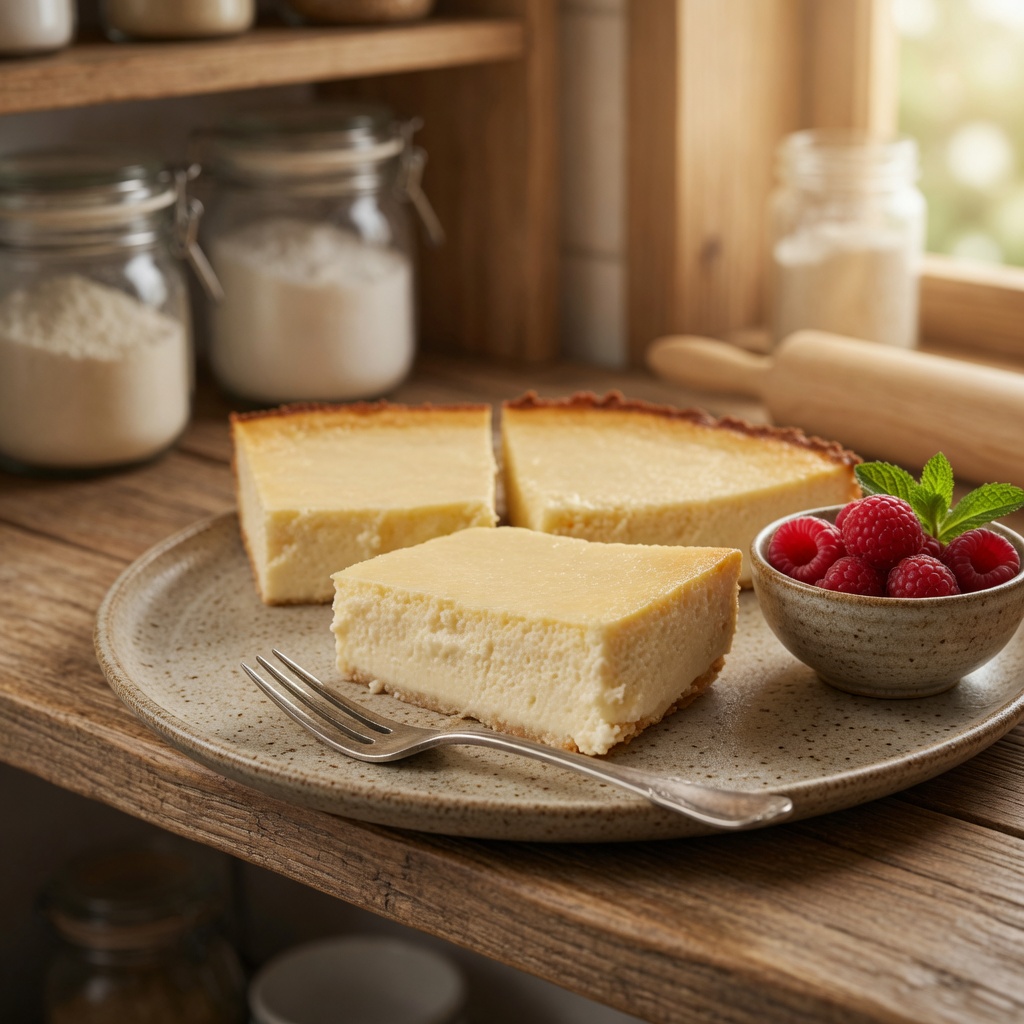
Carnivore Cheesecake Recipe
This Carnivore Cheesecake is the epitome of indulgence, crafted entirely from animal-based ingredients and free from sugar or plant-based fillers. Let’s dive into a creamy, rich, and utterly satisfying dessert that is not only delicious but also diet-friendly.
6
servings15
minutes1
hour45
minutes2
hoursIngredients
1 lb (450 g) plain full-fat cream cheese, softened
2 large eggs, room temperature
4 oz (115 g) full-fat sour cream, room temperature
2 tbsp softened butter (for greasing)
Directions
- Set your oven to 300°F (150°C). Grease an 8-inch (20 cm) springform pan generously with softened butter.
- Prepare the Batter:
- Place the cream cheese in a mixing bowl. Using an electric mixer, beat it on medium speed for about 5 minutes until fluffy.
- Add the eggs one at a time, beating well after each addition.
- Gently mix in the sour cream until the batter is smooth. Avoid overmixing to maintain a creamy texture.
- Set Up a Water Bath:
- Place a shallow oven-proof dish on the lowest oven rack and fill it three-quarters full with boiling water. This creates a steam-filled environment, preventing cracks in the cheesecake.
- Bake the Cheesecake:
- Pour the batter into the prepared springform pan and smooth the top with a spatula.
- Place the pan on the middle oven rack and bake for 45 minutes. The edges should be firm, while the center should still jiggle slightly.
- Turn off the oven and let the cheesecake rest inside for 1 hour without opening the door.
- Cool and Chill:
- Remove the cheesecake from the oven and let it cool to room temperature. Then refrigerate for at least 6 hours or overnight.
- Serve and Enjoy:
- Before serving, let the cheesecake sit at room temperature for 30 minutes. Optionally top with whipped cream or a drizzle of melted butter for extra decadence.
Nutrition Facts
- Serving Size: 1 g
- Total number of serves: 6
- Fat: 259g
- Carbohydrates: 2.7g
- Protein: 7.5g