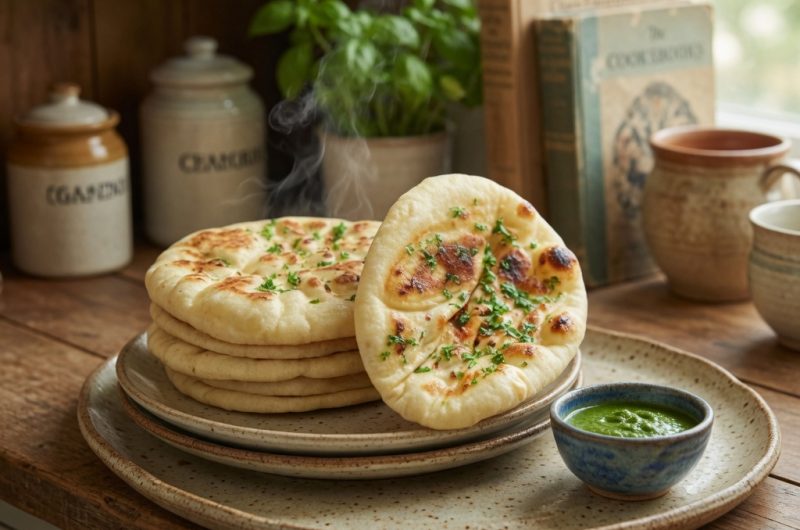
Turkish flatbread, known as pide, is a cherished staple throughout Turkish and Middle Eastern cuisine that has been enjoyed for centuries across generations and cultures. Its irresistible aroma that fills the kitchen while baking, combined with its soft, tender texture and remarkable adaptability, makes it a go-to bread for everything from hearty family meals to quick snacks enjoyed throughout the day. If you have ever indulged in the culinary delights of Turkey or visited an authentic Turkish bakery, you will know precisely how deeply satisfying this bread can be and why people crave it regularly. The combination of simplicity in preparation with complexity in flavor makes Turkish flatbread a perfect addition to your bread-baking repertoire. Learning to make pide at home allows you to enjoy this delicious bread whenever you desire it, fresh and warm from your own oven.
Understanding the Cultural Significance of Turkish Flatbread
Bread holds a vital and deeply respected place in Turkish culture, symbolizing far more than just nourishment—it represents community, tradition, and connection to ancestors who have made bread for countless generations. Turkish flatbread is not only served alongside rich stews and perfectly grilled kebabs but is also traditionally used to scoop up beloved dips and mezze appetizers like creamy hummus, silky baba ganoush, and spicy muhammara. The subtle flavors of this flatbread make it an ideal companion for both savory dishes and dishes with slightly sweet elements, showing its remarkable versatility. Understanding the cultural context of Turkish flatbread deepens your appreciation for this bread and connects you to a culinary tradition that spans centuries. Making this bread at home honors this tradition while allowing you to enjoy authentic flavors whenever you desire.
Recognizing the Importance of Lukewarm Filtered Water
Lukewarm filtered water is absolutely essential for activating yeast and ensuring proper fermentation that creates the light, fluffy texture people crave in Turkish flatbread. The water temperature should be approximately one hundred ten degrees Fahrenheit, which equals about forty-three degrees Celsius—warm enough to activate yeast but not so hot that it kills the yeast cells. Using filtered water rather than tap water ensures you are not introducing chlorine or other chemicals that could interfere with yeast activation. The proper water temperature is critical because yeast is a living organism that performs optimally within a specific temperature range. Understanding this relationship between water temperature and yeast activity helps you achieve consistent, excellent results every time you bake.
Understanding How Active Dry Yeast Creates Structure
Active dry yeast is the key ingredient that gives Turkish flatbread its characteristic airy, soft interior and light, fluffy crumb structure. The yeast cells consume sugars and produce carbon dioxide gas, which creates the bubbles that make bread light and airy rather than dense and heavy. Two and one-quarter teaspoons of yeast is the proper amount for this recipe, providing sufficient fermentation without creating an overly yeasty flavor. Yeast must be fresh and active for best results, so checking the expiration date before using is important. Expired yeast will not activate properly, resulting in dense, heavy flatbread that does not rise. Understanding yeast’s role in breadmaking helps you appreciate why precise measurements and proper activation matter.
Appreciating Maple Syrup’s Role in Yeast Activation
Maple syrup serves the dual purpose of feeding yeast during activation and adding a touch of natural sweetness to the finished bread without overwhelming the savory flavor profile. Yeast consumes simple sugars for energy, and maple syrup provides exactly what the yeast needs to become active and begin fermentation. The amount used—just one teaspoon—is enough to activate yeast without making the bread taste sweet. Real maple syrup provides superior flavor compared to refined sugar or corn syrup, adding subtle complexity. Understanding how sweeteners feed yeast helps you appreciate why this ingredient is essential rather than optional.
Selecting Einkorn Flour for Superior Flavor and Nutrition
All-purpose einkorn flour has a mild nutty flavor and is rich in nutrients including magnesium, iron, and B vitamins that make it superior to conventional wheat flour. Einkorn is an ancient grain that has been cultivated for thousands of years and remains relatively unchanged from its original form. The nutty flavor of einkorn enhances Turkish flatbread without overpowering other ingredients, creating a more interesting flavor profile than regular all-purpose flour would provide. Einkorn also has lower gluten content than modern wheat, which creates a more tender crumb. While regular all-purpose flour can be substituted if einkorn is unavailable, using einkorn provides nutritional and flavor benefits worth seeking out.
Understanding Sea Salt’s Function Beyond Flavor
Sea salt does more than simply add salty flavor to flatbread—it also enhances the development of gluten structure and balances the sweetness from the maple syrup. Salt strengthens the gluten network, which helps the dough hold gas bubbles and rise properly. One teaspoon of sea salt in this recipe provides proper seasoning without making the bread taste overly salty. Using natural sea salt rather than refined table salt provides trace minerals and subtle flavor complexity. Understanding salt’s functional role in breadmaking helps you appreciate why precise measurement matters.
Creating an Egg Wash Alternative With Ground Flaxseed
Ground flaxseed acts as a plant-based binding agent that creates a glossy, golden crust when mixed with water to form a vegan egg wash. One tablespoon of ground flaxseed, when mixed with two and one-half tablespoons of filtered water, creates a consistency similar to eggs that helps toppings adhere while creating visual appeal. This vegan alternative means the recipe is suitable for people avoiding eggs while still achieving beautiful results. The flaxseed mixture must rest for a few minutes before use to allow proper hydration and activation of binding properties.
Understanding How Extra Virgin Olive Oil Enhances Flavor
Extra virgin olive oil adds richness and introduces subtle fruity or peppery flavor depending on the specific oil used, complementing the other ingredients beautifully. One tablespoon of high-quality extra virgin olive oil contributes both flavor and helps create a smooth egg wash consistency. Using quality oil rather than refined or blended oils ensures superior flavor that makes a noticeable difference in the finished bread. The oil also helps create the glossy finish on the baked flatbread.
Recognizing the Visual and Flavor Appeal of Sesame Seeds
White sesame seeds add a nutty crunch, visual appeal, and authentic Turkish flavor to the finished flatbread, while black sesame seeds provide contrast and a deeper, slightly more complex nutty flavor. The combination of white and black sesame seeds—one tablespoon white and one-quarter teaspoon black—creates both visual interest and flavor depth. Sesame seeds also add nutritional value including calcium, iron, and other minerals. These toppings are traditional in Turkish baking and contribute to authentic appearance and flavor.
Activating Yeast for Proper Fermentation
Mixing active dry yeast with lukewarm water and maple syrup creates a frothy mixture that indicates the yeast is alive, active, and ready to work its magic on your dough. This mixture should sit for about five minutes, developing visible bubbles on the surface. If the mixture does not bubble within five to ten minutes, the yeast is likely expired and should be replaced before proceeding. This frothy mixture, when mixed into the dry ingredients, distributes active yeast throughout the dough, ensuring even fermentation and rise.
Understanding Kneading’s Role in Gluten Development
Kneading activates gluten, the protein network that gives bread its structure and elasticity, allowing it to trap gas bubbles produced by yeast fermentation. Using a stand mixer with a dough hook for five minutes or kneading by hand for ten minutes develops this structure properly. The dough is ready when it becomes smooth and elastic, pulling away from the sides of the bowl without sticking excessively. Proper kneading takes time but is essential for creating flatbread with the correct texture.
Managing the Proofing Process for Optimal Rise
Proofing allows yeast to ferment, producing carbon dioxide gas that makes the dough rise and become light and airy. Covering the dough with a damp cloth and letting it rest in a warm place until it doubles in size typically takes one to two hours depending on kitchen temperature. If your kitchen is cool, using the oven trick—preheating the oven to one hundred ten degrees Fahrenheit, turning it off, and placing the covered dough inside—creates an ideal warm environment. Monitoring the dough to catch it when it has doubled prevents over-proofing that would weaken the structure.
Shaping Dough While Maintaining Thickness Variation
Once the dough has risen, punching it down releases excess air before shaping it into a round with slightly thicker edges for a traditional pide appearance. The thick edges are characteristic of Turkish flatbread and provide structural support. Shaping should be done gently to avoid deflating the dough excessively. Creating relatively uniform thickness across the flatbread, with slightly thicker edges, ensures even baking and traditional appearance.
Allowing Rest Time Before Baking for Relaxation
Resting the shaped dough for fifteen minutes before baking allows the gluten to relax after shaping, which ensures a tender texture rather than a tough or chewy one. This brief rest period is often overlooked but makes a noticeable difference in the final texture of the baked flatbread. The dough should appear slightly puffy and soft when ready for baking.
Preheating to the Correct Temperature for Optimal Results
Preheating your oven to four hundred degrees Fahrenheit—equivalent to two hundred degrees Celsius—creates the high heat necessary for developing a golden crust with beautifully caramelized spots. The high temperature sets the crust quickly while allowing the interior to remain soft and tender. Taking time to fully preheat ensures the oven is at proper temperature when the flatbread enters, preventing temperature fluctuations that would affect results.
Monitoring Baking Time to Prevent Overbrowning
Baking for ten to fifteen minutes while keeping a close eye on the flatbread prevents overbrowning while allowing the crust to develop the golden color and caramelized spots that define well-baked pide. The flatbread should sound hollow when tapped on the bottom when fully baked. Removing it at the right moment ensures the crust is crispy and golden without being burnt or too dark.
Identifying Inactive Yeast Before Beginning
If your yeast-water mixture does not foam or bubble within five to ten minutes of mixing, the yeast may be expired or had prolonged exposure to heat, leaving it inactive. Always check the expiration date on yeast before beginning and verify it was stored properly in a cool location. Using expired yeast results in dense flatbread that does not rise properly. Starting with fresh, active yeast is essential for success.
Adjusting Dough Consistency Without Compromising Texture
Adding a little more flour if the dough is too sticky helps manage the hydration, but avoiding overloading it with flour maintains the softness that defines good Turkish flatbread. The dough should be slightly sticky rather than dry—that stickiness eventually becomes soft, tender crumb. Adding flour gradually in small amounts, one tablespoon at a time, prevents over-correcting the consistency.
Preventing Over-Proofing That Weakens Structure
Allowing the dough to rise too long can weaken its structure, resulting in flat bread that does not hold its shape during baking. Sticking to the recommended rise times—allowing the dough to double in size but not triple—prevents over-proofing. Checking the dough periodically helps you catch it at the perfect moment when it has risen sufficiently. Under-proofed dough is preferable to over-proofed dough because it still bakes into acceptable flatbread.
Pairing Flatbread With Creamy Dips and Appetizers
Turkish flatbread serves as the perfect vehicle for creamy hummus, labneh, or spicy muhammara, enhancing these dips while providing textural contrast. The soft, chewy texture of pide complements smooth, creamy dips beautifully. Serving warm flatbread with cold dips creates temperature contrast that enhances the eating experience.
Creating Flavor Variations With Herbs and Spices
Adding a sprinkle of za’atar or sumac provides a Middle Eastern twist that complements the nutty einkorn flavor. Incorporating minced garlic or dried herbs into the dough itself adds flavor throughout rather than just on the surface. Swapping white sesame seeds for nigella seeds provides a slightly peppery taste that offers interesting variation. Experimenting with different toppings and additions allows you to create variations while maintaining the traditional flatbread concept.
Reheating Flatbread to Restore Texture
Turkish flatbread is best enjoyed fresh from the oven, but leftovers can be just as delightful when properly reheated. Warming the bread in a preheated oven at three hundred fifty degrees Fahrenheit for five to seven minutes restores its texture and makes it taste nearly fresh. A toaster oven works well for this purpose and heats more quickly than a full-size oven.
Storing and Freezing for Future Enjoyment
Wrapping flatbread tightly in plastic wrap or aluminum foil and freezing for up to four weeks preserves it for later use. Thawing at room temperature and reheating before serving ensures the flatbread regains its appealing texture. Proper wrapping prevents freezer burn and maintains quality. This storage method allows you to enjoy homemade pide throughout the month without needing to bake frequently.
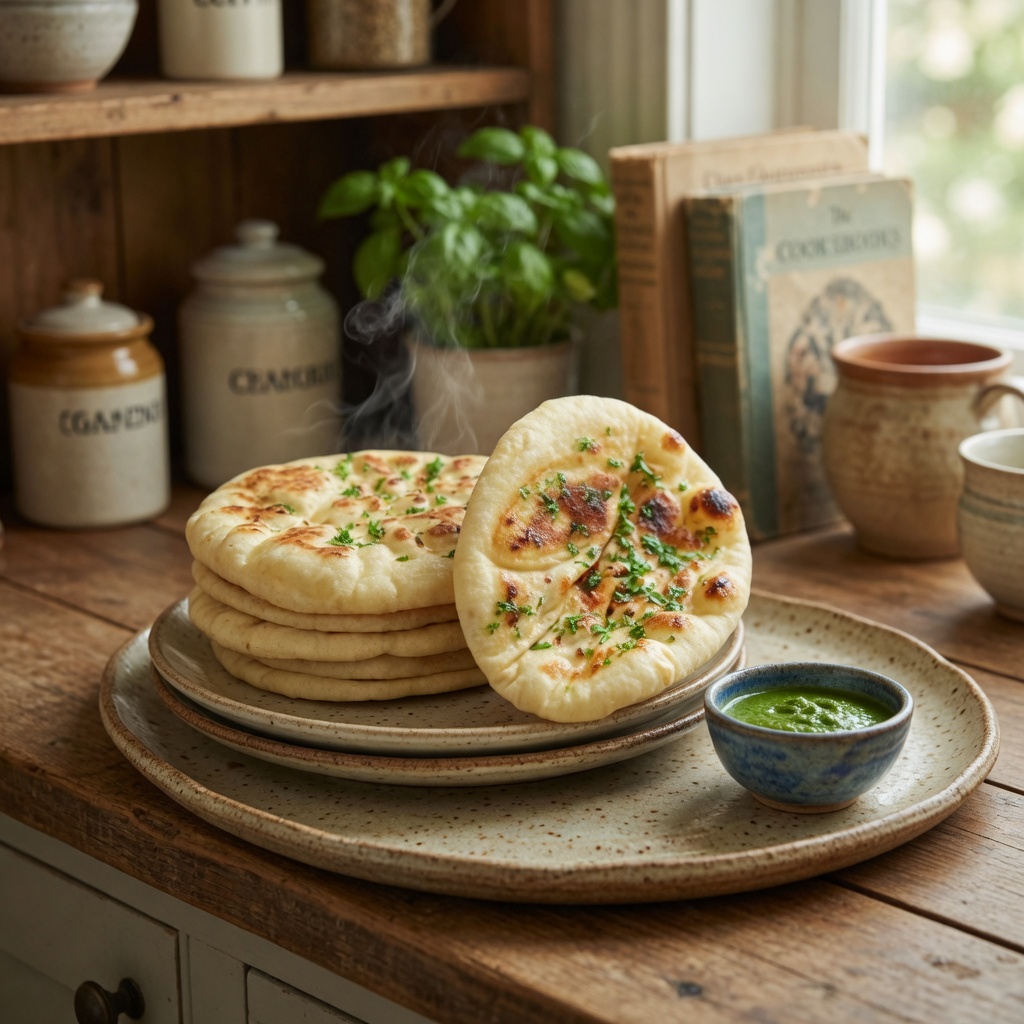
Turkish Flatbread Recipe
Its irresistible aroma, soft texture, and adaptability make it a go-to bread for everything from hearty meals to quick snacks.
4
servings20
minutesIngredients
- For the Dough:
1 cup + 2 Tbsp (270 ml) lukewarm filtered water
2 ¼ tsp active dry yeast
1 tsp maple syrup
3½ cups (1 lb/460 g) all-purpose einkorn flour
1 tsp sea salt
- For the Vegan Egg Wash:
1 Tbsp ground flaxseed
2 ½ Tbsp filtered water
¼ tsp sea salt
1 Tbsp extra virgin olive oil
¼ tsp maple syrup
- For Topping:
1 Tbsp white sesame seeds
¼ tsp black sesame seeds
Directions
- Activate Yeast: Combine yeast, water, and maple syrup in a bowl. Let sit for 10 minutes until foamy.
- Prepare Dough: Mix flour and salt in a large bowl. Add yeast mixture and knead until smooth.
- First Rise: Cover and let the dough rise in a warm place for 1 hour.
- Prepare Egg Wash: Stir together flaxseed, water, olive oil, salt, and maple syrup. Rest for 10 minutes.
- Shape Dough: Punch down the dough, shape it into a round with thicker edges, and place on a greased baking sheet.
- Add Toppings: Brush the dough with egg wash and sprinkle with sesame seeds.
- Final Rest: Let the dough rest for 15 minutes while preheating the oven to 400°F (200°C).
- Bake: Bake for 10-15 minutes until golden brown.
- Serve: Enjoy warm with your favorite dips or dishes.