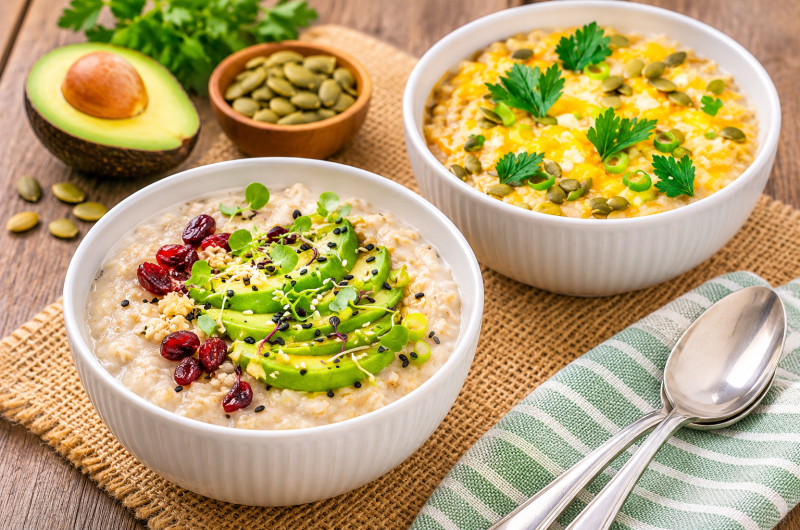
A warm bowl of Creamy Scottish Breakfast Porridge is a simple and satisfying way to begin the day. Made with rolled oats, whole milk, a small pinch of salt, and your choice of maple syrup, brown sugar, or honey, this traditional-inspired oatmeal recipe delivers a smooth, creamy texture with very little preparation. The oats slowly absorb the milk as they cook, creating a thick and comforting breakfast that can be enjoyed plain or finished with fresh fruit, nuts, seeds, or warming spices. Unlike complicated breakfast recipes that require several cooking steps, homemade porridge uses everyday pantry ingredients and one saucepan. It is an excellent option for busy mornings, relaxed weekends, and family breakfasts. With only five minutes of preparation and approximately fifteen minutes of cooking, this easy Scottish porridge recipe is ready in about twenty minutes. The result is a nourishing breakfast that can be customized according to personal taste while keeping the original cooking method straightforward.
What Makes Scottish Breakfast Porridge Special?
Scottish porridge has a long history as a practical breakfast made from oats and liquid. Traditionally, many Scottish households prepared porridge using oats, water, and salt, creating a simple meal that was filling and affordable. Modern versions often include milk for a richer texture and may be served with sweeteners, fruit, or other toppings. This creamy Scottish breakfast porridge follows that modern approach by using whole milk as the cooking liquid. The milk gives the oats a smooth consistency and a naturally rich flavor, while a pinch of salt enhances their mild, nutty taste. Rolled oats make the recipe convenient because they cook relatively quickly and are widely available in grocery stores. The finished porridge is thick enough to hold toppings but soft enough to eat comfortably with a spoon. Its simplicity is one of its greatest strengths, allowing the natural flavor of oats to remain noticeable while offering plenty of room for personal preferences.
Why This Easy Creamy Oatmeal Recipe Works for Busy Mornings
Preparing a homemade breakfast does not need to involve complicated ingredients or lengthy cooking times. This easy creamy oatmeal recipe requires just four main ingredients and a saucepan, making it suitable for mornings when time is limited. The preparation takes approximately five minutes, mainly to measure the oats, milk, and salt. Once everything is combined, the mixture cooks gently while being stirred regularly. The cooking process is easy to follow, and the finished porridge can be divided into two bowls without any additional preparation. Another advantage is that the toppings can be changed from day to day, preventing breakfast from becoming repetitive. Fresh berries create a bright, fruity bowl, while nuts and seeds provide crunch. Cinnamon and chopped apple offer a comforting combination, and Greek yogurt adds a cool, creamy contrast. This flexibility makes homemade Scottish-style porridge useful for individuals, couples, and families who prefer a simple breakfast that can be adjusted to different tastes.
Understanding the Difference Between Scottish Porridge and Regular Oatmeal
The terms Scottish porridge and oatmeal are often used interchangeably, but they can describe slightly different preparations. Traditional Scottish porridge is commonly associated with oats cooked slowly in water with a little salt, often using finely ground or pinhead oats. American-style oatmeal frequently uses rolled oats and may include milk, sugar, fruit, or other ingredients. This recipe combines the comforting character of Scottish porridge with the convenience of rolled oats and the richness of whole milk. The result is a creamy breakfast that is easy to prepare in a modern kitchen. Because rolled oats have already been steamed and flattened during processing, they soften more quickly than many traditional whole-grain oat preparations. This allows the porridge to cook in approximately ten to fifteen minutes after reaching a gentle simmer. Although the method is inspired by Scottish breakfast traditions, the milk and sweet toppings make it a contemporary variation rather than a strictly traditional water-based porridge.
Why Rolled Oats Are the Best Choice for This Recipe
Rolled oats are the foundation of this creamy Scottish breakfast porridge. The recipe uses one cup of rolled oats, which provides enough for approximately two servings when cooked with three cups of whole milk. Rolled oats are made by steaming oat groats and flattening them into flakes, allowing them to absorb liquid and soften during cooking. Their shape and thickness make them particularly suitable for stovetop porridge because they create a creamy texture while retaining a little structure. Compared with instant oats, rolled oats generally hold their shape better and are less likely to become excessively mushy. They also cook faster than steel-cut oats, making them practical for everyday breakfasts. As the oats simmer, starches gradually thicken the milk, creating the smooth consistency associated with homemade oatmeal. Using the original quantity is important because changing the oat-to-milk ratio would affect the final thickness. One cup of rolled oats combined with three cups of milk creates a soft, spoonable porridge.
How Whole Milk Creates a Rich and Smooth Texture
Whole milk is an important ingredient in this Scottish-style oatmeal recipe because it contributes creaminess, flavor, and a satisfying texture. The recipe uses three cups of whole milk for one cup of rolled oats, creating a generous amount of liquid that allows the oats to soften gradually. As the mixture cooks, the oats release starch into the milk, helping the porridge become thicker and smoother. The natural fat and protein in whole milk contribute richness, making the finished breakfast taste creamy without requiring butter or cream. Whole milk also contains calcium, vitamin B12, and other nutrients, although the exact nutritional contribution depends on the product used. Cooking milk requires a little more attention than cooking oats in water because it can stick to the bottom of a saucepan or boil over when heated too quickly. Gentle heat and frequent stirring help prevent these problems while producing an evenly cooked porridge.
The Importance of Adding a Small Pinch of Salt
A pinch of salt may seem unnecessary in a sweet breakfast recipe, but it plays an important role in improving the overall flavor. Oats have a naturally mild, slightly nutty taste, and a small amount of salt helps make that flavor more noticeable. The salt also balances the sweetness of maple syrup, brown sugar, or honey added after cooking. Without it, porridge can sometimes taste flat even when prepared with rich whole milk. This recipe uses only one pinch, which is enough to enhance the ingredients without making the finished dish taste salty. Adding the salt at the beginning allows it to dissolve evenly as the oats and milk heat together. Because the amount is small, it should not dominate the flavor or interfere with sweet toppings. The combination of oats, milk, and salt forms a simple base that can be enjoyed with fruit, nuts, seeds, cinnamon, or other ingredients already included among the optional toppings.
Choosing Between Maple Syrup, Brown Sugar, and Honey
The recipe includes two to three tablespoons of maple syrup, brown sugar, or honey, allowing the sweetness to be adjusted according to preference. Each option creates a slightly different flavor. Maple syrup contributes a smooth sweetness with subtle caramel-like notes that pair well with oats and toasted nuts. Brown sugar offers a deeper molasses flavor, making it especially suitable with cinnamon, chopped apples, or dried fruit. Honey provides a floral sweetness that complements fresh berries, banana, and Greek yogurt. The original recipe recommends adding the sweetener after cooking rather than during the simmering process. This allows the porridge to be tasted before deciding how much sweetness is needed. Because the recipe serves two people, the total sweetener can be distributed between the bowls according to individual preference. Although these ingredients are often described as natural or traditional sweeteners, all three contribute added sugars, so their amounts should be considered when evaluating the overall nutritional content.
Preparing the Ingredients Before Cooking
One of the easiest ways to make smooth homemade porridge is to measure all the ingredients before heating the saucepan. Begin with one cup of rolled oats, three cups of whole milk, and a small pinch of salt. Keep the chosen sweetener nearby, but do not add it until the porridge has finished cooking. A small or medium saucepan with a reasonably heavy base is useful because it distributes heat more evenly and reduces the risk of scorching. A wooden spoon or heat-resistant spatula makes stirring easier, especially when the oats begin thickening. If optional toppings are being used, they can be prepared while the porridge cooks. Fresh berries may be washed, bananas sliced, apples chopped, and nuts measured into small bowls. Preparing everything in advance makes the final serving stage quicker and allows the warm porridge to be enjoyed immediately. Because this recipe cooks in approximately fifteen minutes, organizing the ingredients beforehand helps create a relaxed and efficient breakfast routine.
How to Cook Scottish Porridge on the Stovetop
The stovetop method is straightforward and produces a consistently creamy result when the heat is controlled carefully. Place the rolled oats into a saucepan, then pour in the whole milk and add the pinch of salt. Stir the ingredients until the oats are evenly distributed throughout the liquid. Set the saucepan over medium heat and warm the mixture gradually, stirring frequently as it approaches a gentle simmer. Once small bubbles begin appearing, reduce the heat to low. Continue cooking for approximately ten to fifteen minutes, stirring regularly to prevent the oats from sticking to the bottom. During this time, the flakes soften and the milk gradually thickens. The porridge is ready when the oats are tender and the mixture reaches the preferred consistency. It should remain soft and creamy rather than becoming completely dry or stiff. Remove the saucepan from the heat and allow the porridge to rest briefly before dividing it between serving bowls.
Why Gentle Simmering Produces Better Oatmeal
The cooking temperature has a noticeable effect on the texture of homemade porridge. Heating the oats and milk too quickly can cause the milk to boil over, stick to the pan, or develop an unpleasant cooked flavor. A gentle simmer allows the oats to absorb liquid gradually while giving their starches time to thicken the mixture. This creates a smoother consistency and helps prevent the bottom from scorching. Begin over medium heat, but reduce the temperature once the mixture starts bubbling. The porridge should move gently in the saucepan rather than boiling vigorously. Stirring frequently distributes heat and prevents a thick layer of oats from settling on the bottom. This is particularly important during the final few minutes, when the mixture becomes thicker and is more likely to stick. Although the cooking time is approximately ten to fifteen minutes, the appearance and tenderness of the oats are more useful indicators than the clock alone. Gentle heat is the key to a rich, creamy finish.
The Secret to Achieving the Perfect Porridge Consistency
Porridge consistency is largely determined by the amount of liquid, cooking time, and resting period. This recipe uses three cups of whole milk for one cup of rolled oats, creating a soft and creamy breakfast rather than a very thick oat mixture. As the oats cook, they absorb some of the milk while releasing starch that thickens the remaining liquid. The porridge may still appear slightly loose when removed from the heat, but it continues thickening during the recommended one-to-two-minute resting period. This is why it is helpful to stop cooking just before the mixture becomes excessively thick. People who enjoy a thinner porridge can stir in a small amount of warm milk or water before serving, while those who prefer a thicker texture can allow it to simmer slightly longer. These adjustments are serving preferences rather than changes to the main ingredient list. The ideal finished porridge should be smooth, tender, and easy to spoon into a bowl.
Why Stirring Regularly Makes Porridge Creamier
Stirring is an important part of preparing traditional-style stovetop porridge because it helps the oats cook evenly and encourages a smooth texture. As the rolled oats soften, they release starch into the milk, gradually thickening the mixture. Stirring distributes that starch throughout the saucepan and prevents concentrated areas from becoming too thick. It also helps keep the oats from sticking to the bottom, where they may scorch if left undisturbed. A wooden spoon or silicone spatula works well for this process because it can move across the base and sides of the pan without damaging the surface. The porridge does not need constant vigorous whisking, but it should be stirred frequently, especially as it approaches the end of cooking. Slow, steady movements are usually sufficient to maintain an even consistency. The result should be a creamy bowl of oats with a pleasant texture rather than separate flakes floating in milk or a dense mixture that has become difficult to stir.
Resting the Porridge Before Serving
Allowing cooked porridge to rest for one or two minutes is a small step that improves the final consistency. When the saucepan is removed from the heat, the oats continue absorbing moisture, and the mixture becomes slightly thicker. This short resting period helps the porridge settle and gives the ingredients time to reach a more even texture. It is particularly useful when the oatmeal looks a little loose at the end of cooking. Instead of immediately increasing the heat or cooking away more liquid, allow the mixture to stand briefly and observe how it changes. The porridge should remain creamy and easy to serve. If it becomes thicker than preferred, a little warm milk or water can be stirred in before dividing it between bowls. Resting also gives you time to prepare the sweetener and optional toppings. Because the porridge is still very hot, handle the saucepan carefully and stir once more before serving to ensure an even consistency throughout.
Fresh Berry Porridge for a Colorful Breakfast
Fresh berries are among the most appealing optional toppings for creamy Scottish breakfast porridge. Strawberries, blueberries, raspberries, and other seasonal berries add color, freshness, and a pleasant contrast to the warm, smooth oats. Their natural sweetness and acidity balance the richness of whole milk, making the finished bowl feel lighter and more varied. Berries can be scattered over the porridge immediately before serving, allowing them to retain their fresh texture. Alternatively, they can be gently pressed into the warm oats so that they soften slightly. Blueberries provide small bursts of fruit flavor, while sliced strawberries create a colorful presentation. Raspberries contribute a sharper taste that pairs particularly well with honey or maple syrup. The original recipe lists fresh berries as an optional topping, so they do not change the main cooking method. Their quantity can be selected according to preference, availability, and the number of people being served.
Banana Porridge for Natural Sweetness and Creaminess
Sliced banana is another convenient topping for this homemade oatmeal recipe. Its soft texture blends naturally with warm porridge, while its sweetness complements the mild flavor of rolled oats. Banana is particularly useful when a breakfast bowl needs a little extra sweetness without relying entirely on maple syrup, brown sugar, or honey. The slices can be arranged over the top immediately before serving or gently folded into the finished porridge. When mixed into warm oats, banana softens slightly and creates a creamy texture. It also pairs well with optional toasted nuts, ground cinnamon, and Greek yogurt. Because banana is already included in the original topping suggestions, it can be used without changing the core recipe. The amount depends on personal preference and serving size. For a visually appealing breakfast, arrange several slices across the surface and finish with a light sprinkle of cinnamon. This creates a simple, comforting bowl that is suitable for both adults and children.
Apple and Cinnamon Porridge for a Cozy Breakfast
The combination of chopped apple and ground cinnamon creates a warm, comforting variation of creamy Scottish porridge. Apples contribute a gentle sweetness and a little texture, while cinnamon adds a familiar aroma often associated with autumn and winter breakfasts. The original recipe includes both ingredients among its optional toppings, making this variation easy to prepare without changing the base measurements. For a fresher texture, add small pieces of apple after cooking. If softer fruit is preferred, the chopped apple can be warmed separately before being added to the finished bowl. Cinnamon should be used according to taste because its flavor can become strong when added generously. This combination pairs especially well with brown sugar or maple syrup, although the sweetener can be selected from the original options. Apple cinnamon porridge is a useful way to introduce variety into a regular oatmeal routine while keeping the same straightforward stovetop preparation.
Adding Crunch with Toasted Nuts and Seeds
Creamy porridge becomes more interesting when paired with toppings that provide a contrasting texture. Toasted nuts, pumpkin seeds, and sunflower seeds are all included among the optional ingredients in this recipe. Chopped almonds, walnuts, pecans, or hazelnuts can add a rich, nutty flavor, while seeds contribute a smaller, crisp texture that distributes easily across the surface. These toppings are best added immediately before serving so they remain crunchy rather than softening in the hot milk. A small amount can make a noticeable difference because the porridge itself is smooth and tender. Nuts and seeds also contribute nutrients such as unsaturated fats, protein, and minerals, although the exact amounts depend on the variety and portion used. Toasted nuts work particularly well with maple syrup and cinnamon, while pumpkin or sunflower seeds pair nicely with fresh fruit. The toppings can be mixed and matched to create different breakfast combinations without altering the original porridge base.
Greek Yogurt as a Creamy Porridge Topping
Greek yogurt is a useful optional topping for people who enjoy a contrast between warm oats and cool, creamy ingredients. Adding a spoonful to the finished porridge creates a slightly tangy flavor that complements the sweetness of fruit and maple syrup. Greek yogurt also provides protein, although the amount depends on the brand and serving size. It is best added after the porridge has been divided into bowls rather than cooked directly with the oats, because this preserves its cool texture and helps prevent separation. The yogurt can be placed in the center of the bowl and surrounded with fresh berries, sliced banana, or toasted nuts. This creates an attractive breakfast presentation without requiring additional cooking. Because whole milk already gives the porridge a rich consistency, Greek yogurt is not necessary for creaminess, but it can make the meal feel more substantial. The original recipe lists it as an optional topping, allowing each serving to be customized independently.
Using Dried Fruit for Extra Flavor and Texture
Raisins and dried cranberries are convenient optional toppings because they can be stored in the pantry and used whenever fresh fruit is unavailable. Their concentrated sweetness contrasts with the mild oats, while their chewy texture adds variety to the finished bowl. Raisins have a familiar sweet flavor that works well with cinnamon and brown sugar. Dried cranberries offer a slightly tart character that pairs nicely with toasted nuts and maple syrup. These ingredients can be sprinkled over the porridge just before serving, allowing them to retain their chewiness. If a softer texture is preferred, they can be added while the porridge is still hot so they absorb a little moisture. Because dried fruit often contains concentrated sugars, and some products include added sweeteners, the amount used can affect the overall sweetness and nutritional content. The original recipe includes both raisins and dried cranberries as optional toppings, making them suitable additions without changing the main ingredient quantities.
How to Make a Balanced Breakfast with Scottish Porridge
Creamy Scottish breakfast porridge provides a flexible base for building a satisfying morning meal. Rolled oats contribute carbohydrates and dietary fiber, while whole milk adds protein, fat, and calcium. Together, they create a breakfast that can provide energy and help maintain fullness during the morning. The optional toppings allow the nutritional profile to be adjusted according to individual needs. Fresh fruit contributes additional fiber and micronutrients, while nuts and seeds provide fats, minerals, and some protein. Greek yogurt can increase the protein content, particularly when a higher-protein variety is used. The sweetener can also be adjusted according to preference, since maple syrup, brown sugar, and honey all contribute added sugar. Although porridge is often associated with healthy eating, its overall nutritional value depends on portion size and the ingredients selected. This recipe is best viewed as a versatile breakfast foundation that can be enjoyed as part of a varied and balanced eating pattern.
Why Oats Are a Nutritious Breakfast Ingredient
Oats are widely valued as a breakfast ingredient because they contain carbohydrates, fiber, and several important nutrients. One of their notable components is beta-glucan, a type of soluble fiber that can help support healthy cholesterol levels when consumed in appropriate amounts as part of a balanced diet. Oats also provide minerals such as manganese, phosphorus, and magnesium, although the exact amounts vary by product and serving size. Their fiber content contributes to a satisfying texture and may help people feel full after eating. In this recipe, rolled oats are cooked gently with whole milk, creating a warm meal that is easy to prepare and digest for many people. The addition of fruit, nuts, seeds, or yogurt can further increase the variety of nutrients in the bowl. While porridge is not a treatment for any medical condition, it can be a useful part of a balanced breakfast routine that emphasizes whole grains and minimally processed foods.
Making Creamy Porridge for Children and Families
This easy Scottish porridge recipe is suitable for family breakfasts because the base is simple and the toppings can be customized for different preferences. The recipe produces approximately two servings, making it convenient for a small household. Children who prefer sweeter breakfasts may enjoy sliced banana, berries, or a small amount of honey or maple syrup, while adults may prefer toasted nuts, seeds, or cinnamon. Honey should not be given to children younger than twelve months. The smooth texture of cooked rolled oats is appealing to many people, and the consistency can be adjusted with a little additional warm milk or water if necessary. For younger children, toppings should be prepared in an age-appropriate form to reduce choking risks. Serving the porridge in separate bowls allows everyone to choose their preferred additions without changing the main cooking process. This makes homemade oatmeal a practical alternative to preparing several different breakfast dishes for the same meal.
Preparing Scottish Porridge Ahead of Time
Although this creamy porridge tastes best when freshly cooked, it can also be prepared in advance for busy mornings. The original recipe allows leftovers to be stored in the refrigerator for up to two days, making short-term meal preparation possible. After cooking, allow the porridge to cool promptly, then transfer it to a clean airtight container and refrigerate. As the oats cool, they continue absorbing moisture, so the mixture will usually become thicker than it was when freshly prepared. This change is normal and can be corrected during reheating by stirring in a little milk or water. Preparing toppings separately is often preferable because fresh fruit, nuts, and seeds maintain better texture when added just before serving. A refrigerated portion can be warmed gently on the stovetop or in the microwave, making breakfast quicker without requiring the entire recipe to be cooked again. This approach is especially useful for households that prefer homemade meals but have limited time in the morning.
Storing Leftover Porridge Safely
Proper storage helps maintain the quality of leftover Scottish breakfast porridge. Because this recipe contains whole milk, the cooked oats should not be left at room temperature for an extended period. Allow the porridge to cool briefly, then place it in an airtight container and refrigerate promptly. The original storage guidance recommends keeping it for up to two days. During refrigeration, the mixture naturally thickens as the oats absorb more liquid, so the texture may appear firmer when the container is opened. This does not necessarily mean the porridge has spoiled, but any unusual odor, visible mold, or other signs of deterioration indicate that it should be discarded. Freezing is not recommended in the supplied recipe because thawed porridge may develop a grainier texture. For the best eating quality, prepare only the amount needed for a few meals and reheat individual portions rather than repeatedly warming the entire batch. Fresh toppings should be stored separately whenever possible.
Reheating Oatmeal Without Losing Its Creamy Texture
Reheating leftover porridge is simple, but a little extra liquid is usually necessary to restore its original consistency. Refrigerated oats become thicker because they continue absorbing moisture after cooking. To reheat on the stovetop, place the desired portion in a small saucepan and add a splash of milk or water. Warm it gently over low to medium heat, stirring regularly until the mixture becomes smooth and heated through. If using a microwave, place the porridge in a microwave-safe bowl, add a little liquid, and heat in short intervals, stirring between each one. This helps prevent uneven heating and reduces the chance of hot spots. Avoid overheating the mixture because it can become dry or develop a sticky texture. Once the porridge is warm and creamy, add the preferred sweetener and toppings. Fresh fruit, nuts, and yogurt are generally best added after reheating so their textures remain appealing.
Notes on Preventing Porridge from Sticking or Burning
One of the most common problems when cooking milk-based porridge is scorching on the bottom of the saucepan. Whole milk contains proteins and natural sugars that can stick when exposed to excessive heat, especially as the mixture thickens. To prevent this, use a saucepan with a reasonably heavy base and avoid bringing the porridge to a vigorous boil. Begin over medium heat, then reduce to low once a gentle simmer develops. Stir frequently, moving the spoon across the bottom and around the edges of the pan. Pay particular attention during the final few minutes, when the oats have absorbed much of the liquid. If the mixture begins sticking, reduce the heat and stir gently rather than scraping aggressively at any browned residue. A burnt layer can affect the flavor of the entire batch if it is mixed into the porridge. Consistent, moderate heat produces better results than trying to shorten the cooking time with a higher temperature.
Notes on Adjusting Porridge Thickness
Everyone has a slightly different preference when it comes to oatmeal consistency. Some people enjoy thick porridge that holds its shape on a spoon, while others prefer a softer mixture that spreads easily in the bowl. The original recipe uses three cups of whole milk for one cup of rolled oats, creating a creamy starting point that can be adjusted after cooking. If the porridge becomes thicker than desired, stir in a little warm milk or water until it reaches the preferred texture. If a thicker result is wanted, allow the oats to simmer for a few additional minutes while stirring regularly. Remember that the mixture will continue thickening during the one-to-two-minute resting period, so avoid cooking it until completely stiff. Different brands of rolled oats may absorb liquid at slightly different rates, which can also affect the finished consistency. Observing the texture during cooking makes it easier to achieve a reliable result without changing the original ingredient measurements.
Notes on Choosing the Best Sweetener
Maple syrup, brown sugar, and honey are all suitable sweeteners for this recipe, but they produce different flavors and textures. Maple syrup blends easily into warm porridge and adds a mild caramel-like taste. Brown sugar dissolves as it contacts the hot oats, creating a richer sweetness that pairs particularly well with cinnamon and apple. Honey provides a distinctive floral flavor and works nicely with berries and Greek yogurt. The original recipe recommends two to three tablespoons in total, adjusted according to taste. Adding the sweetener after cooking makes it easier to control the sweetness of each serving. This is particularly useful when preparing porridge for two people with different preferences. Fresh fruit can also contribute sweetness, so tasting the porridge after adding toppings may help determine whether the full amount of sweetener is needed. All three options contribute sugar, and the amount used should be considered when estimating the finished meal’s nutritional content.
Notes on Using Different Types of Milk
Whole milk is the specified cooking liquid in this creamy Scottish breakfast porridge, and its richness is an important part of the original recipe. It contributes a smooth texture and mild dairy flavor that complements the rolled oats. The supplied notes mention that skim milk can be used for a lighter version, although doing so changes the original ingredient choice. Different types of milk may produce slightly different results because their fat and protein contents vary. Whole milk generally creates a richer mouthfeel, while lower-fat milk may result in a less creamy finish. Plant-based alternatives can also behave differently during heating, particularly when they contain added starches or stabilizers. For anyone following the exact recipe, three cups of whole milk should be used as written. The cooking method remains simple: heat gradually, stir frequently, and avoid vigorous boiling. Maintaining the original milk quantity helps preserve the intended balance between liquid and oats.
Notes on Creating Different Breakfast Bowls
One of the easiest ways to enjoy this porridge regularly is to vary the toppings while keeping the base recipe unchanged. A berry bowl can feature fresh blueberries, strawberries, or raspberries with a light drizzle of maple syrup. An apple cinnamon bowl combines chopped apple, ground cinnamon, and a little brown sugar for a comforting flavor. A nut and seed version can include toasted nuts, pumpkin seeds, or sunflower seeds for extra crunch. Greek yogurt adds a creamy contrast and can be paired with banana or fresh berries. Raisins and dried cranberries provide another convenient option when fresh fruit is unavailable. These variations use ingredients already listed among the optional toppings, so no new ingredients are required. Preparing the porridge in one saucepan and allowing each person to finish their own bowl makes breakfast preparation efficient. It also provides variety without changing the basic cooking method or requiring additional recipes.
Why Homemade Scottish Porridge Is Worth Making Regularly
Creamy Scottish breakfast porridge is a dependable recipe because it combines simple ingredients, easy preparation, and a comforting finished texture. Rolled oats and whole milk create a smooth base, while a pinch of salt enhances the natural flavor. Maple syrup, brown sugar, or honey can be added according to preference, and the optional toppings make it possible to prepare a different breakfast bowl each time. The stovetop method requires only a saucepan and regular stirring, making it accessible even for people with limited cooking experience. With approximately twenty minutes from start to finish, the recipe is practical for weekday mornings as well as relaxed weekend breakfasts. It also offers short-term meal preparation possibilities because leftovers can be refrigerated and reheated with a little additional liquid. Whether served with fresh berries, banana, chopped apple, nuts, seeds, or Greek yogurt, this easy homemade oatmeal recipe provides a warm and satisfying way to begin the day.
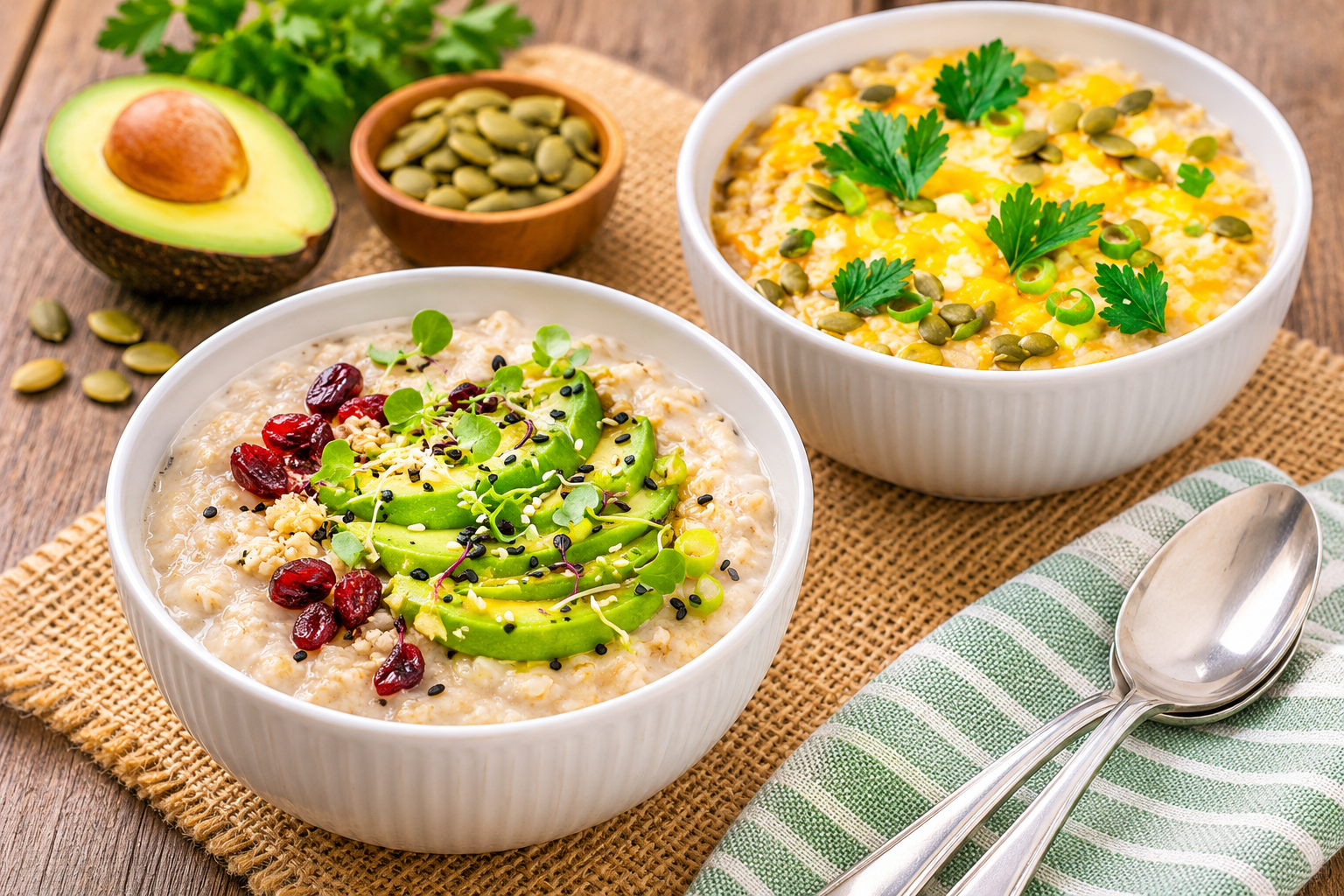
Creamy Scottish Breakfast Porridge Recipe
A warm, smooth, and comforting Scottish-style porridge made with rolled oats, whole milk, a pinch of salt, and your choice of maple syrup, brown sugar, or honey. This easy homemade oatmeal recipe is ready in approximately 20 minutes and can be served with fresh fruit, nuts, seeds, cinnamon, or Greek yogurt for a delicious breakfast.
2
servings5
minutes15
minutes345
kcal20
minutesIngredients
- For the Creamy Oatmeal Base
1 cup rolled oats
3 cups whole milk
1 pinch salt
2 to 3 tablespoons maple syrup, brown sugar, or honey (adjust to taste)
- Optional Toppings
Fresh berries
Sliced banana
Chopped apple
Toasted nuts
Pumpkin or sunflower seeds
Ground cinnamon
Raisins or dried cranberries
Greek yogurt
Extra drizzle of maple syrup or honey
Directions
- Place 1 cup of rolled oats into a saucepan. Pour in 3 cups of whole milk and add a pinch of salt. Stir gently until the oats are evenly distributed.
- Set the saucepan over medium heat. Warm the oats and milk gradually, stirring frequently to prevent sticking.
- Once the mixture begins to simmer gently, reduce the heat to low. Continue cooking for approximately 10–15 minutes, stirring regularly until the oats are tender and the porridge reaches a smooth, creamy consistency.
- Remove the saucepan from the heat and let the porridge stand for 1–2 minutes. This allows the mixture to thicken naturally.
- Divide the warm porridge evenly between two serving bowls. Add 2–3 tablespoons of maple syrup, brown sugar, or honey in total, adjusting the sweetness according to preference.
- Top with fresh berries, sliced banana, chopped apple, toasted nuts, seeds, cinnamon, dried fruit, or Greek yogurt, as desired.
- Enjoy the porridge immediately while it is smooth, creamy, and warm.
Notes
- Notes for Perfect Scottish Porridge
Use rolled oats for a creamy texture and convenient cooking time.
Heat the milk gradually to prevent scorching.
Stir regularly, especially as the porridge thickens.
Keep the heat low once the mixture reaches a gentle simmer.
Allow the cooked oats to rest for 1–2 minutes before serving.
Add warm milk or water if a thinner consistency is preferred.
Cook slightly longer for a thicker bowl of porridge.
Add sweetener after cooking so the sweetness can be adjusted easily.
Serve with seasonal fruit, nuts, seeds, or Greek yogurt for variety.
Refrigerate leftovers in an airtight container for up to 2 days.
Reheat gently with a splash of milk or water, stirring until creamy.
Freezing is not recommended in the original recipe because the texture may become grainy after thawing.
Nutrition Facts
- Serving Size: 1 g
- Total number of serves: 2
- Calories: 345kcal
- Fat: 11g
- Sodium: 140mg
- Carbohydrates: 48g
- Fiber: 5g
- Sugar: 16g
- Protein: 13g