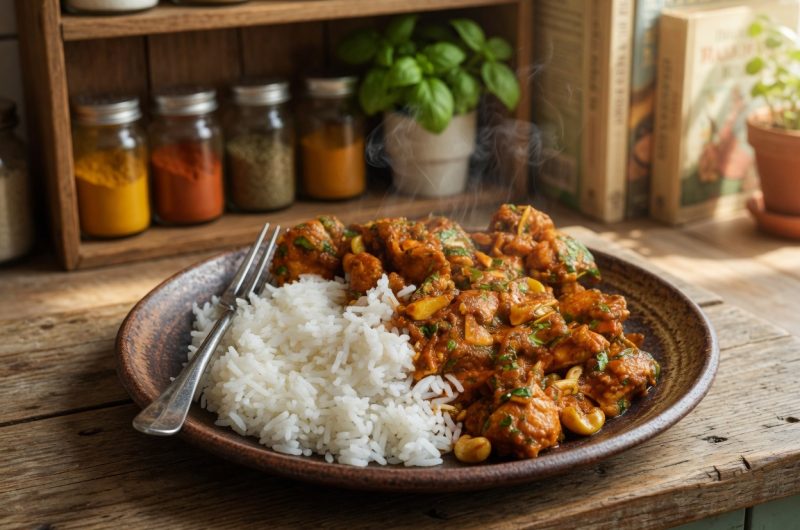
If you are looking for a bold, flavorful, and easy-to-make curry that can rival your favorite takeout restaurant, you have come to the right place. This Garlic Chilli Chicken Curry is a beloved British curry house favorite that blends aromatic spices, rich flavors, and a touch of heat into something truly memorable. Whether you are a seasoned home cook with years of experience or a beginner just starting to explore curry-making, this recipe is specifically tailored to give you restaurant-quality results in your own kitchen without requiring extensive culinary skills. The beauty of this recipe lies in its simplicity and the way it achieves complex flavors using straightforward techniques and readily available ingredients. Understanding the foundations of this dish will help you not only make it successfully but also adapt it to suit your personal taste preferences.
Understanding What Garlic Chilli Chicken Curry Really Is
Garlic Chilli Chicken Curry is a delightful fusion dish that has become increasingly popular in British curry houses and restaurants throughout the country. Unlike traditional Indian recipes that have been perfected over centuries, this curry has been thoughtfully adapted to cater to British palates while still retaining the essential essence of bold spices and rich, satisfying flavors. With a flavorful base of garlic, chilies, and a carefully balanced mix of aromatic spices, this curry stands out distinctly for its tangy, spicy, and wonderfully aromatic profile. The dish represents the beautiful intersection of Indian culinary traditions and British tastes, creating something that is both familiar and exciting. Understanding this context helps you appreciate why certain ingredients and techniques are used in this particular recipe.
Exploring the Origins of British Curry House Cuisine
The British curry house phenomenon stems directly from the cultural influence of Indian, Bangladeshi, and Pakistani chefs who arrived in Britain and adapted their traditional family recipes to suit local tastes and preferences. These entrepreneurial chefs recognized what flavors and heat levels would appeal to British diners while maintaining the essence and spirit of authentic Indian cooking. Garlic Chilli Chicken Curry, while not technically an authentic Indian regional dish, is a prime example of this successful adaptation process. It features a robust, deeply flavorful gravy made with garlic pickle, an ingredient that dramatically amplifies the flavor profile without requiring the complex, time-consuming base sauce preparation. This practical approach to curry-making represents the ingenuity and culinary skill of immigrant chefs who created a new cuisine that is distinctly British-Indian in character.
Recognizing Why This Recipe Works So Well
Creating an authentic curry house experience at home can seem daunting and intimidating to many home cooks, but this recipe simplifies the entire process without compromising on flavor or authenticity. By incorporating store-bought garlic pickle as a key ingredient and using only a few pantry staples, you can completely skip the lengthy preparation of a traditional base sauce while still achieving that signature taste that makes curry house food so appealing. The recipe works because it focuses on building layers of flavor efficiently, using ingredients that are already prepared and concentrated. This approach respects your time while delivering results that are genuinely impressive. Many home cooks are surprised at how simple the process is once they understand the fundamental techniques.
Selecting and Preparing Fresh Garlic for Maximum Flavor
This particular recipe calls for an entire head of garlic, which is then divided into thinly sliced cloves and garlic paste for different purposes throughout the cooking process. Garlic serves as the star ingredient in this curry, providing depth, complexity, and the characteristic pungency that defines the dish. Using fresh garlic rather than garlic powder creates a completely different flavor profile, one that is fresher and more vibrant. The head of garlic should be firm and free from soft spots or sprouting, indicating good quality and freshness. Slicing some cloves thinly creates texture and visual interest in the finished curry, while making paste from others ensures the garlic flavor is evenly distributed throughout the sauce.
Understanding the Role of Green Chilies in Heat and Flavor
Green chilies add both heat and a fresh, bright flavor that balances the richness of the other ingredients in the curry. The quantity of chilies can be adjusted based on your personal spice tolerance and how much heat you enjoy in your food. Some people prefer to de-seed the chilies if they want a milder curry, as the seeds contain the majority of the heat compounds. For those who love spice, using the chilies whole or adding extra chilies creates an increasingly fiery dish. Fresh green chilies provide a different type of heat compared to dried chilies, with a cleaner, more immediate sensation. The flavor of green chilies complements garlic particularly well, which is why they work so beautifully together in this curry.
Balancing Spices for Authentic Curry Flavor
A carefully balanced blend of ground cumin, coriander, smoked paprika, and mild chili powder ensures a well-rounded flavor profile that is neither too hot nor too bland. Cumin provides an earthy, warm note that forms the backbone of Indian spice blends. Coriander adds subtle sweetness and a slightly lemony quality that brightens the overall flavor. Smoked paprika contributes depth and a hint of smokiness that makes the curry more complex and interesting. Mild chili powder provides heat without overwhelming the other spices, creating a balanced bite. Using these spices together in proper proportions is what distinguishes this curry from simple dishes and creates that restaurant-quality flavor people crave.
Choosing the Right Tomato Products for Richness
Tomato puree and passata both add body and tanginess to the curry while creating the foundation for the gravy that coats the chicken beautifully. Tomato puree is more concentrated and thick, providing deeper tomato flavor and richness. Passata is less concentrated and smoother, contributing brightness and acidity. Together, these products create a complex tomato flavor that improves the overall taste without requiring hours of cooking. The acidity from the tomatoes balances the richness of the coconut milk and helps prevent the curry from tasting too heavy. Good quality tomato products make a noticeable difference in the final result, so selecting reputable brands is worthwhile.
Selecting Chicken Thighs for Tender, Juicy Results
Boneless and skinless chicken thighs are the ideal choice for curries because they remain remarkably tender and juicy even when cooked for extended periods. The higher fat content in thighs compared to chicken breast prevents them from becoming dry and stringy during cooking. Thighs also have more flavor than white meat, which enhances the overall taste of the curry. Cutting the chicken into uniform bite-sized pieces ensures even cooking throughout the curry. Fresh or frozen chicken thighs both work equally well, though frozen chicken should be thoroughly thawed before cooking.
Understanding Why Garlic Pickle Is the Secret Ingredient
Garlic pickle is the secret ingredient that elevates this curry from simple to spectacular, delivering concentrated flavors that mimic the complexity of restaurant base sauces. Its combination of tangy, spicy, and slightly sweet notes creates depth that would normally require hours of preparation to achieve. Patak’s Garlic Pickle is widely available in supermarkets and works wonderfully, though any quality brand of garlic pickle will produce excellent results. The pickle adds not just garlic flavor but also the complex spice blend and vinegar that define curry house taste. Using garlic pickle is what allows this recipe to be quick and easy while still delivering restaurant-quality flavor that seems impossibly sophisticated.
Preparing All Ingredients Before You Begin Cooking
Having all your ingredients measured and ready to go before you start cooking ensures a smooth and efficient cooking process. This preparation technique, known as mise en place, prevents you from having to stop mid-cooking to measure spices or prepare ingredients. Taking time to organize everything at the beginning means you can focus entirely on cooking techniques without distraction. Pre-slicing the garlic, de-seeding the chilies, and cutting the chicken all beforehand means you can move quickly through the recipe steps. This organized approach is particularly important in curry cooking, where timing and sequential addition of ingredients matters.
Controlling the Heat Level to Suit Your Preferences
The heat level in this curry is easily controlled through adjusting the amount and preparation of the chilies used. De-seeding the chilies removes most of the heat compounds while retaining the flavor, creating a milder curry. Using whole chilies with seeds intact increases the heat significantly. Adding extra chilies or incorporating chili powder increases heat further. The beauty of making curry at home is that you can customize the heat to your exact preference, unlike takeout where the spice level is predetermined. Tasting the curry as you cook allows you to adjust heat as needed, adding more chilies or cooling things down with coconut milk if necessary.
Toasting Spices to Unlock Their Full Flavor Potential
Toasting the spices is absolutely crucial to unlock their full flavor potential and create the complex taste that defines excellent curry. Heating the spices gently in a dry pan brings out their essential oils and volatilizes the flavor compounds. This process takes just a few minutes but makes an enormous difference in the final taste. Be careful not to burn the spices, as burning creates bitter, unpleasant flavors. The kitchen should fill with a wonderful aromatic smell that indicates the spices are toasting properly. Adding these toasted spices to the oil and aromatics at the right moment builds layers of flavor that create depth.
Serving Suggestions for Complete Curry Experience
Serving this curry with plain basmati rice or naan bread creates a complete meal that is deeply satisfying. Plain basmati rice provides a neutral backdrop that allows the curry flavors to shine without competition. Naan bread is perfect for scooping up the rich, flavorful sauce. Garnishing with fresh coriander adds brightness and freshness that balances the richness of the curry. Additional sliced green chilies on the side allow diners to add more heat if desired. Lime wedges provide acidity that cuts through the richness beautifully.
Exploring Protein Alternatives and Variations
While this recipe uses chicken thighs, you can easily swap them for lamb, which provides a different but equally delicious flavor profile. Prawns create a lighter, seafood-based version that is equally popular in curry houses. Tofu provides a vegetarian alternative that absorbs the curry flavors beautifully. Mixing proteins creates interesting combinations, such as chicken and prawn together. Each protein option changes the dish while maintaining the core garlic chilli flavor profile.
Adding Vegetables for Nutrition and Variation
Adding bell peppers creates sweetness and crunch that contrasts nicely with the spices and heat. Spinach wilts into the curry and adds iron and nutrients. Mushrooms provide earthiness and substantial texture that makes the curry more filling. Peas add sweetness and color. Cauliflower creates a heartier dish that is more substantial. Adding vegetables is a great way to customize the recipe based on what you have available or personal preferences.
Experimenting With Alternative Heat Sources
Dried red chilies create a different type of heat compared to fresh green chilies, producing a deeper, more lingering spiciness. Chili flakes provide controllable heat and can be added to individual servings. Cayenne pepper adds intense heat with a different flavor profile. Experimenting with different heat sources helps you discover personal preferences and understand how different spices affect the overall taste. Some people prefer one source of heat while others enjoy combinations.
Adding Herbaceous Finishing Touches
Stirring in a handful of chopped fresh mint along with coriander creates a refreshing twist that particularly appeals to those who enjoy bright, fresh flavors. Mint adds cooling properties that balance the heat and provide a sophisticated finishing touch. This herbaceous combination is particularly appealing in warmer months or for people who prefer lighter, fresher curry flavors. The mint should be added at the very end of cooking to preserve its fresh flavor and vibrant green color.
Understanding Cooking Times and Temperature Management
Cooking times depend on various factors including the size of chicken pieces, the temperature of your stove, and the size of your cooking pot. Generally, the curry simmers for about fifteen to twenty minutes after the chicken is added. The chicken should be cooked through with no pink remaining inside. A meat thermometer inserted into the thickest piece should read one hundred sixty-five degrees Fahrenheit. Simmering gently rather than boiling vigorously prevents the sauce from reducing too much and the chicken from becoming tough.
Storing and Reheating Leftover Curry
Leftover curry stores beautifully in an airtight container in the refrigerator for up to three days, and the flavors often improve as they continue to develop. Curry can be reheated gently on the stovetop over low to medium heat, stirring occasionally to ensure even heating. Adding a splash of water or coconut milk if the curry has thickened too much during storage restores the proper consistency. Freezing curry in portions allows you to enjoy it at a later time, with the curry keeping well in the freezer for up to three months. Thawing overnight in the refrigerator before reheating ensures the best results.
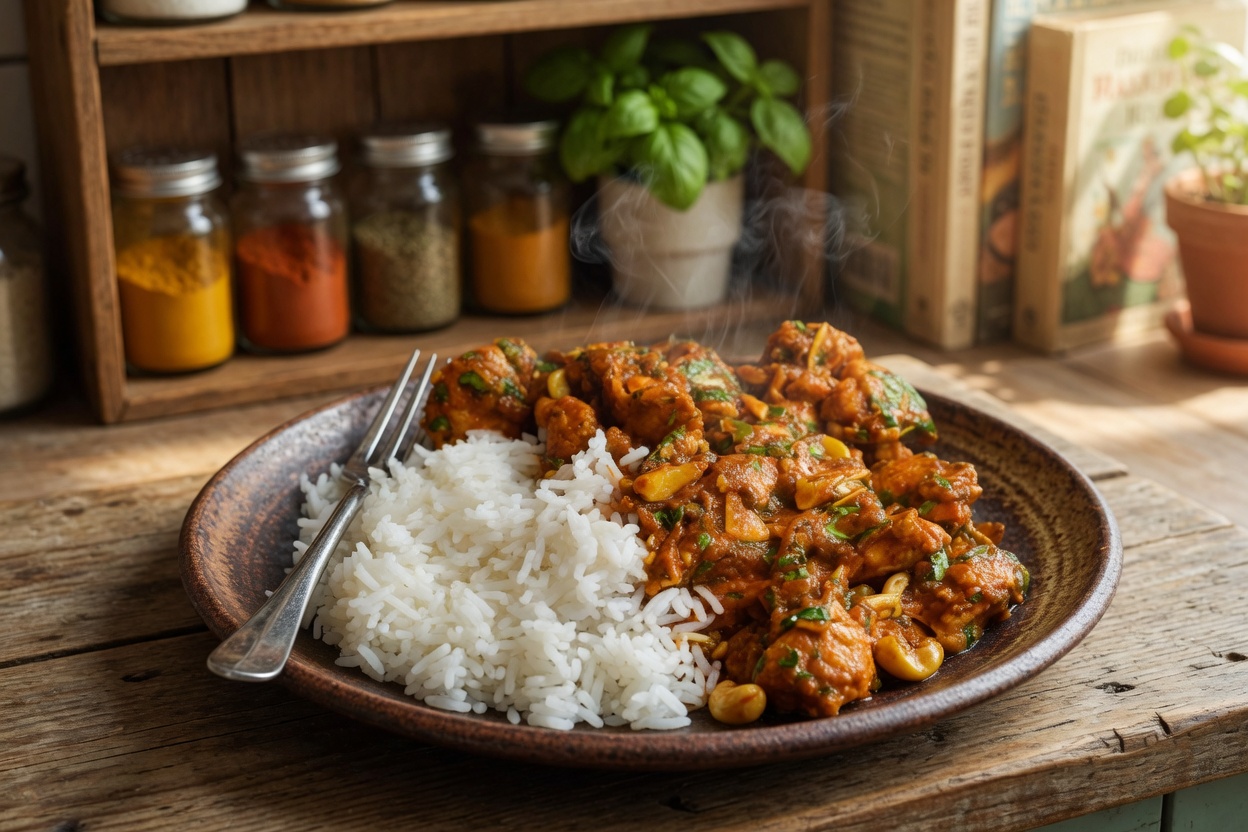
Garlic Chilli Chicken Curry
This Garlic Chilli Chicken Curry recipe is your shortcut to recreating a beloved British curry house dish at home. It’s aromatic, slightly tangy, and packed with garlic and chili flavor. Perfect for a weeknight dinner, this dish is ready in just 40 minutes.
4
servings10
minutes30
minutes523
kcal40
minutesIngredients
1 head of garlic (thinly sliced, with three cloves reserved for paste)
1 small brown onion (roughly chopped)
Thumb-sized piece of fresh ginger
4 tablespoons light oil (vegetable or sunflower)
4 green chilies (de-seeded if desired)
4 green cardamom pods
1 teaspoon mild chili powder
1/2 teaspoon ground cumin
1/2 teaspoon ground coriander
1/2 teaspoon sweet smoked paprika
1/2 teaspoon fenugreek seeds
1/2 teaspoon sea salt
1/2 tablespoon tomato puree
6–8 skinless boneless chicken thighs (cut into bite-sized pieces)
6 tablespoons passata
3 heaped tablespoons garlic pickle (e.g., Patak’s)
150ml (2/3 cup) water
Handful of fresh coriander (chopped)
Plain rice, for serving
Directions
- Peel all garlic cloves. Thinly slice most of them, setting aside three cloves to make a paste. Blend the reserved garlic cloves with onion and ginger in a food processor until smooth.
- Heat the oil in a large frying pan over medium-high heat. Add the garlic-onion-ginger paste and sauté until softened.
- Stir in the sliced garlic and chilies. Cook until the garlic softens but avoid burning.
- Mix in the cardamom pods, chili powder, cumin, coriander, smoked paprika, fenugreek seeds, and salt. Toast for 1-2 minutes to release their aromas.
- Stir in the tomato puree and cook for another minute.
- Add the chicken pieces, stirring to coat them in the spices. Cook for 3-5 minutes until the chicken begins to color.
- Pour in the passata, garlic pickle, and water. Bring to a simmer, then reduce the heat to low. Cook for 20 minutes, allowing the sauce to thicken and the chicken to cook through.
- Pour in the passata, garlic pickle, and water. Bring to a simmer, then reduce the heat to low. Cook for 20 minutes, allowing the sauce to thicken and the chicken to cook through.
Notes
- Notes
This recipe pairs beautifully with steamed basmati rice or warm naan bread.
Adjust the spice levels by modifying the amount of chili used.
Store leftovers in an airtight container in the fridge for up to 2 days.
Nutrition Facts
- Serving Size: 4 g
- Total number of serves: 4
- Calories: 523kcal
- Fat: 33g
- Saturated Fat: 18g
- Polyunsaturated Fat: 2g
- Monounsaturated Fat: 10g
- Cholesterol: 145mg
- Sodium: 801mg
- Carbohydrates: 31g
- Fiber: 9g
- Sugar: 15g
- Protein: 29g
- Calcium: 101mg
- Iron: 5mg