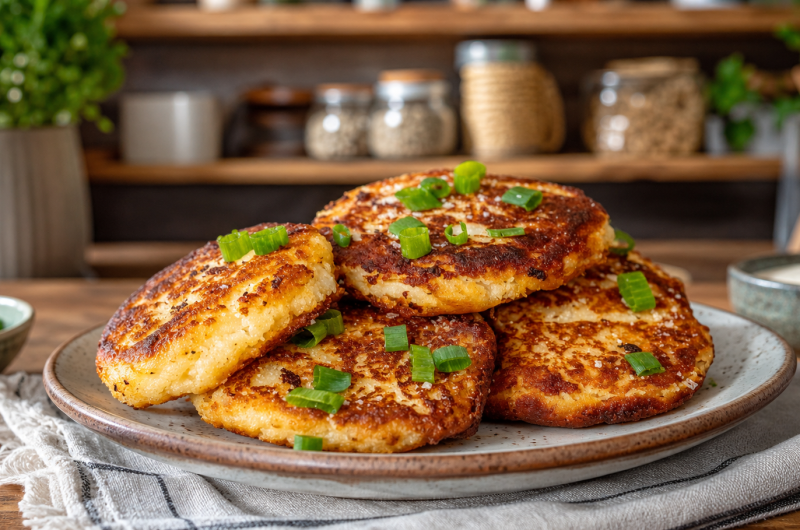
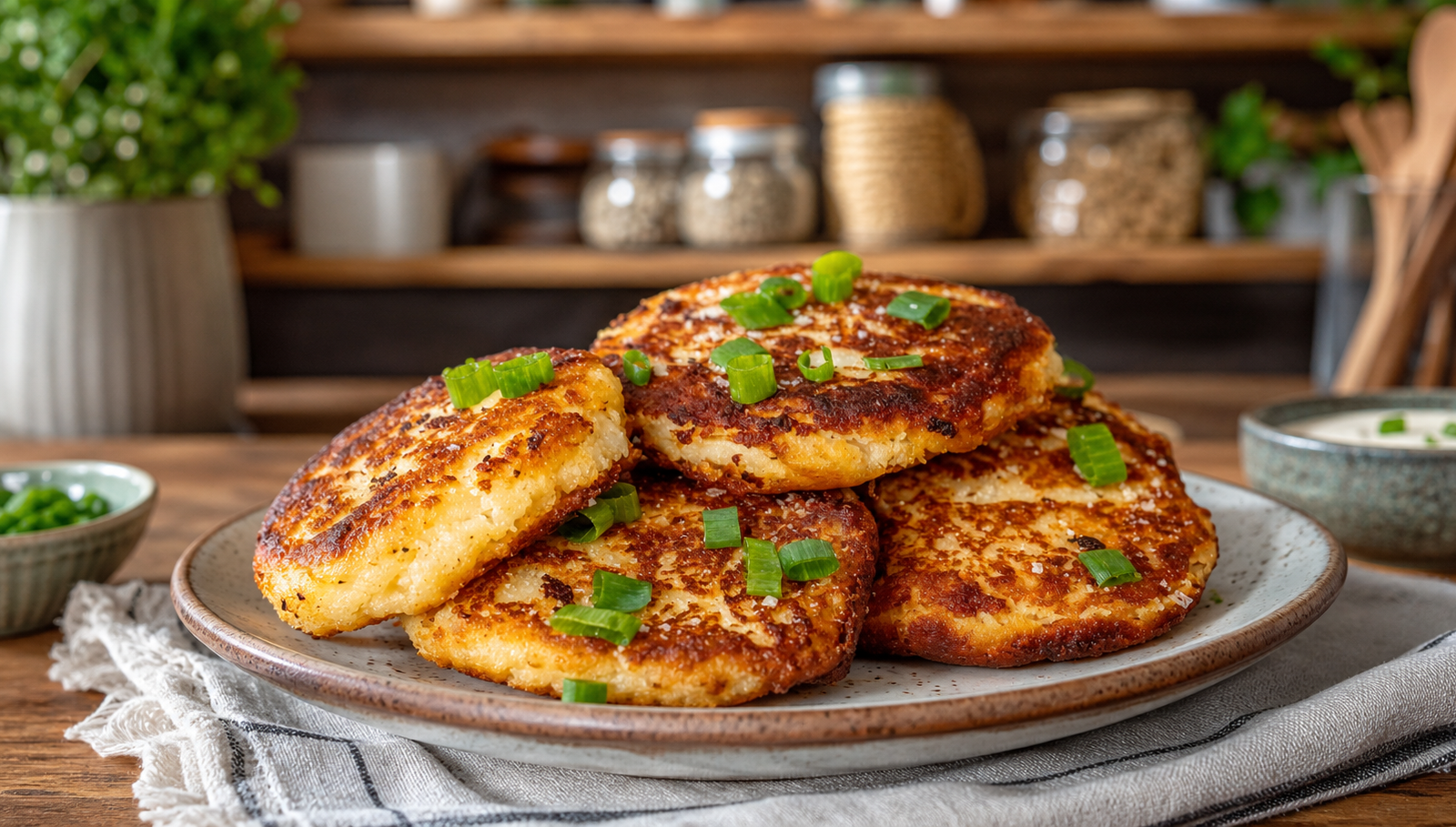
If you are searching for authentic Irish potato cakes, often called boxty, this traditional recipe will quickly become a favorite in your kitchen. Irish potato cakes are made with cold mashed potatoes, flour, egg, butter, and simple seasonings. The result is a golden, crispy exterior with a soft, fluffy interior that perfectly showcases the comforting flavor of potatoes.
These potato cakes are incredibly versatile and can be served for breakfast, brunch, lunch, or as a hearty side dish. Whether you pair them with eggs and bacon in the morning or serve them alongside roasted meats in the evening, Irish potato cakes offer warmth and simplicity in every bite. Their crisp edges and tender centers make them a timeless comfort food staple.
Why Irish Potato Cakes Are So Popular
Traditional Irish boxty recipes have stood the test of time because they use simple ingredients to create satisfying results. Leftover mashed potatoes become the base of a new meal, reducing waste while delivering flavor and texture.
Home cooks appreciate that this recipe requires minimal preparation and common pantry staples. The combination of mashed potatoes, flour, egg, and butter forms a cohesive mixture that cooks beautifully in a skillet. The result is crispy potato pancakes with rich flavor and a rustic appearance.
Understanding the Base Mixture
The foundation of Irish potato cakes begins with cold leftover mashed potatoes. Using cold potatoes is essential because they have a firmer texture and hold their shape better when mixed with flour and egg. Freshly made warm potatoes can create a sticky dough that is harder to handle.
Placing 2 cups of mashed potatoes into a mixing bowl provides the starting point for the dough. Gradually adding flour ensures that the mixture remains pliable without becoming overly dense.
The Role of Flour in Boxty
All-purpose flour binds the potatoes and helps the cakes maintain structure during cooking. Adding about ⅓ cup initially and adjusting slightly if needed prevents the mixture from becoming too soft.
It is important not to exceed ½ cup of flour, as too much can overpower the potato flavor and produce heavy cakes. The goal is balance—enough flour to hold shape without sacrificing tenderness.
Seasoning for Balanced Flavor
Salt and black pepper enhance the natural taste of potatoes. Adding ½ teaspoon of salt and ⅛ teaspoon of black pepper ensures subtle seasoning without overwhelming the dish.
Finely chopped chives contribute freshness and mild onion flavor. Their light aroma complements the creamy potato base and adds visual appeal.
Incorporating the Egg
The egg serves as a binder. Creating a small well in the center of the potato mixture before adding one whisked egg ensures even distribution.
Gently folding the egg into the mixture prevents overworking the dough. The egg helps the cakes stay intact during flipping and contributes to a light, fluffy interior.
Achieving the Right Texture
The consistency of the mixture should be soft yet workable. If it feels sticky or too loose, add flour one tablespoon at a time. Avoid adding too much flour, as this can make the cakes dense.
Proper texture ensures that the patties can be shaped without sticking excessively to your hands.
Shaping the Potato Cakes
Divide the mixture into four equal portions. Shape each portion into a round patty approximately ½ inch thick.
Avoid pressing too firmly, as compact patties can become heavy. Gentle shaping preserves airiness and encourages fluffy centers.
Preparing the Skillet
Heat a skillet over medium heat and add 2 tablespoons of butter. Allow the butter to melt fully and coat the pan evenly.
Maintaining medium heat is crucial. Excessive heat can burn the outside while leaving the inside undercooked.
Cooking to Golden Perfection
Place the patties into the skillet with enough space between them. Cook each side for 5 to 7 minutes until golden brown.
Flip only once or twice during cooking. Excess flipping can break the cakes and prevent a crisp crust from forming.
Draining and Serving
Once cooked, transfer the potato cakes to a plate lined with paper towels to absorb excess butter.
Serve immediately while warm. The crisp exterior and soft interior are best enjoyed fresh from the skillet.
Notes for Best Results
Always use cold mashed potatoes. Adjust flour gradually. Cook over moderate heat. Flip gently. Do not overcrowd the pan.
These small steps ensure consistent texture and flavor.
Flavor Variations
For a richer version, mix in shredded cheddar cheese before shaping. Adding diced bacon creates a savory twist.
Fresh herbs such as parsley can substitute for chives if desired.
Serving Suggestions
Irish potato cakes pair beautifully with sour cream, smoked salmon, or fried eggs. They also complement roasted meats and stews.
Their versatility makes them suitable for both breakfast and dinner menus.
Storage and Reheating
Store leftover potato cakes in an airtight container in the refrigerator for up to three days.
Reheat in a skillet over medium heat to restore crispness. Avoid microwaving, as it softens the crust.
Why This Recipe Remains Popular
Searches for “Irish potato cakes recipe,” “traditional boxty,” and “crispy potato pancakes” continue to rise. People value recipes that are economical, comforting, and easy to prepare.
This recipe offers those qualities with authentic Irish character.
Nutritional Overview
Each serving provides carbohydrates from potatoes, moderate protein from egg, and healthy fats from butter. Adjust portion size according to dietary needs.
Enjoy these potato cakes as part of a balanced meal.
Irish Potato Cakes
Irish potato cakes, or “boxty,” are a traditional delight that brings together creamy potatoes, flour, and a few simple ingredients to create a golden-brown treat. They’re easy to make, incredibly versatile, and perfect for breakfast, lunch, or as a side dish to your favorite meals.
4
servings10
minutes15
minutes231
kcal25
minutesIngredients
2 cups leftover mashed potatoes (cold)
½ cup all-purpose flour
½ teaspoon salt
⅛ teaspoon black pepper
1 egg
1 tablespoon chives, chopped
2 tablespoons butter
Directions
- Combine cold mashed potatoes, ⅓ cup flour, salt, and pepper in a mixing bowl. Mix gently to combine.
- Create a well in the center of the mixture, crack the egg into the well, and whisk it. Fold the egg into the potato mixture.
- Stir in the chopped chives. Gradually add more flour as needed to make a pliable dough.
- Divide the mixture into 4 portions and shape into round, flat patties.
- Melt butter in a skillet over medium heat.
- Place the patties in the skillet and cook until golden brown on each side, about 5 to 7 minutes per side.
- Remove from the skillet and serve warm with extra chives or your favorite toppings.
Nutrition Facts
- Serving Size: 4 g
- Total number of serves: 4
- Calories: 231kcal
- Fat: 10.4g
- Cholesterol: 55.3mg
- Sodium: 386.7mg
- Carbohydrates: 29.4g
- Fiber: 2g
- Protein: 5.1g