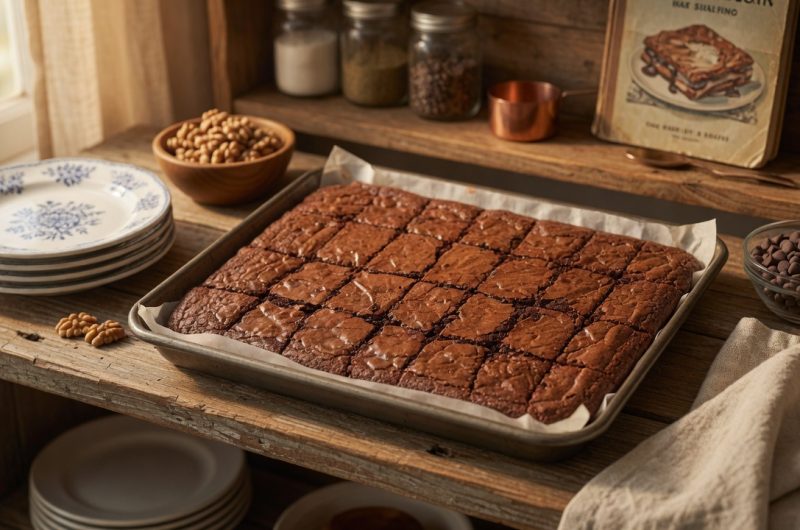
Sourdough brownies represent an innovative way to use sourdough discard while creating rich, fudgy brownies that benefit from the complexity sourdough fermentation provides. The tangy notes from sourdough complement chocolate flavor beautifully, adding depth that elevates these brownies beyond standard chocolate desserts. This recipe appeals to people maintaining active sourdough starters who want to minimize waste while creating something genuinely delicious. The brownies achieve that coveted fudgy texture with crackly tops that indicates proper baking technique. Unlike traditional brownies made with chemical leavening alone, sourdough brownies develop complexity from fermentation while maintaining the dense, chewy texture that brownie lovers crave. Understanding how sourdough discard contributes to texture and flavor helps you appreciate why this recipe works so well despite seeming unconventional.
Why Sourdough Discard Becomes Valuable Rather Than Wasteful
Maintaining an active sourdough starter requires regular feeding, which traditionally creates discard that gets thrown away. Using sourdough discard in brownies transforms a byproduct into an ingredient that contributes valuable fermentation flavors and beneficial enzymes. The sourdough adds moisture to the brownie batter while contributing lactic acid that reacts with the cocoa and sugar, enhancing chocolate flavor. The fermented flour in sourdough discard has improved digestibility compared to unfermented flour. Using sourdough discard also means your starter maintenance produces something worth eating rather than representing wasted ingredients. Many home bakers appreciate recipes that allow them to use their sourdough discard productively. This approach represents resourceful cooking that minimizes food waste while creating something delicious.
Selecting Quality Chocolate and Cocoa Powder
The chocolate and cocoa you choose significantly impact the final brownie’s flavor intensity and richness. Using good-quality chocolate chips or chopped dark chocolate provides superior flavor compared to budget chocolate containing additives or excessive sugar. Dark chocolate with at least seventy percent cocoa solids creates properly intense brownie flavor without excessive sweetness. Dutch-processed cocoa powder offers deeper, slightly less acidic chocolate flavor compared to natural cocoa powder. Natural cocoa powder provides brighter, more acidic chocolate notes that some people prefer. Both varieties work well in brownies—the choice depends on whether you prefer deeper chocolate flavor or brighter, more intense notes. The cocoa powder quality matters significantly because inferior products sometimes taste bitter or off rather than genuinely chocolatey. Investing in quality chocolate and cocoa elevates the brownie quality noticeably.
Understanding the Role of Eggs in Creating Crackly Tops
Beating eggs with sugar for an extended period creates a luscious meringue-like mixture that’s crucial for achieving the characteristic crackly brownie top. The beating process incorporates air into the eggs while the sugar dissolves, creating a light, fluffy mixture. This incorporation of air allows the brownies to rise slightly during baking, then collapse slightly as they cool, creating the cracks that define properly made brownies. Using room-temperature eggs ensures they whip properly without requiring excessive beating time. The longer beating period—seven to ten minutes—creates the texture that’s impossible to achieve with shorter beating. Some people use a stand mixer for this step because hand-whisking that long would be fatiguing. The finished mixture should be pale, thick, and noticeably increased in volume compared to the original eggs and sugar.
Why Brown Sugar Contributes Moisture and Depth
Using both granulated and dark brown sugar creates the best balance of sweetness, moisture, and flavor depth. The dark brown sugar contributes molasses flavor that adds complexity beyond pure sweetness. Brown sugar’s hygroscopic nature—its ability to absorb and retain moisture—makes brownies stay fudgy and moist for longer than those made with only granulated sugar. The molasses in brown sugar interacts with the cocoa, creating more complex chocolate flavor. Using all brown sugar creates denser, more moist brownies while all granulated sugar creates slightly lighter, less dense brownies. The ratio of brown to granulated affects the final texture, allowing customization based on texture preference. Quality brown sugar packed firmly provides consistent results, while loosely packed brown sugar may create slightly different texture.
Melting Butter and Chocolate Together for Even Distribution
Melting butter with chocolate and cocoa powder creates a homogeneous mixture where all ingredients distribute evenly throughout the batter. Starting with butter over medium-low heat prevents it from browning excessively while allowing the chocolate to melt gently. Adding vanilla extract to the melted butter intensifies vanilla flavor before combining with other ingredients. The chocolate should melt completely into the butter, creating a smooth liquid rather than partially melted chocolate mixed with liquid butter. Cocoa powder whisked in at the end ensures it incorporates smoothly without creating lumps. Allowing the chocolate mixture to cool slightly before combining with the egg mixture prevents the heat from cooking the eggs. The finished chocolate base should be smooth, uniform in color, and completely combined.
Gentle Folding Technique to Maintain Airiness
After incorporating the chocolate mixture into the beaten eggs, gently folding in the flour and salt preserves the air you worked to incorporate during beating. Overmixing at this stage develops excess gluten, creating tough brownies instead of the desired tender crumb. Using a rubber spatula for folding allows you to gently combine ingredients with minimal mixing. Folding from the bottom of the bowl upward and turning the bowl slightly with each fold distributes flour evenly without creating streaks. Stop folding as soon as no white flour streaks remain—some people prefer leaving the tiniest flour streaks visible to ensure they haven’t overmixed. The batter should be thick and smooth without being excessively worked. This technique is crucial for achieving the proper fudgy texture that defines quality brownies.
Achieving the Perfect Bake Level for Fudgy Centers
Baking brownies to the proper doneness ensures they have set edges while remaining fudgy and underbaked in the center. The edges should be visibly set and slightly pulled away from the pan sides, while the center should still jiggle slightly when the pan is gently shaken. Using a toothpick test—inserting into the center should yield some moist crumbs rather than clean or wet batter—helps determine doneness. Overbaking creates cake-like brownies that are fully baked throughout, while underbaking leaves the center dangerously underbaked. The baking time of thirty-five to forty minutes is approximate—oven temperatures vary significantly, so visual inspection matters more than time alone. The brownies continue cooking slightly as they cool from residual heat, so slightly underbaking is preferable to overbaking. Using an oven thermometer verifies your oven’s actual temperature for more consistent results.
Cooling Complete Before Cutting for Clean Edges
Allowing brownies to cool completely in the baking dish before cutting ensures clean edges and prevents them from falling apart. Cutting warm brownies results in crumbly pieces and uneven appearance. The cooling process allows the crumb structure to set firmly, making clean cutting possible. Complete cooling also helps the chocolate set, creating the fudgy texture that’s preferable to warm brownies that are too soft. Some people refrigerate brownies after cooling to make them even firmer and easier to cut into clean squares. The finished brownies should be dense, fudgy, and slightly chewy with crispy edges and crackly tops. Patience during cooling yields significantly better results than rushing to enjoy warm brownies.
Storing Brownies for Optimal Freshness
Proper storage extends brownie freshness while maintaining the fudgy texture. Storing at room temperature in an airtight container keeps brownies fresh for approximately one week. Stacking brownies directly without parchment between layers can cause them to stick together. Using parchment paper between layers prevents sticking while maintaining freshness. Plastic wrap around individual brownies provides excellent protection while allowing you to grab one at a time. Avoiding refrigeration prevents the brownies from becoming hard or developing condensation that makes them soggy. The brownies should be completely cooled before storing to prevent steam from creating excessive moisture inside the container.
Freezing for Long-Term Storage and Convenience
Freezing brownies extends their shelf life significantly while maintaining quality remarkably well. Wrapping individual brownies in plastic wrap before storing in a freezer-safe container prevents freezer burn while allowing easy thawing. Frozen brownies keep for up to three months while maintaining good flavor and texture. Thawing at room temperature or removing from freezer and enjoying cold works equally well. Some people prefer thawing frozen brownies and microwaving briefly for warm, fudgy brownies without requiring full reheating. Freezing makes brownies convenient to enjoy on demand without baking fresh. The texture remains fudgy and flavorful after freezing, making this an excellent long-term storage method.
Customizing Flavors with Sourdough Fermentation Options
Some recipes suggest fermenting the batter overnight before baking, which develops more complex sourdough flavor. This overnight fermentation allows the sourdough microbes additional time to work, creating more pronounced tangy notes. Fermenting overnight requires planning but produces brownies with more interesting flavor complexity. Baking immediately without fermentation creates more straightforward chocolate flavor with subtle sourdough undertones. The choice depends on whether you prefer pronounced sourdough influence or prefer sourdough as a subtle background flavor. Either approach works well and produces delicious brownies. Experimenting with both fermentation times allows you to discover your preference.
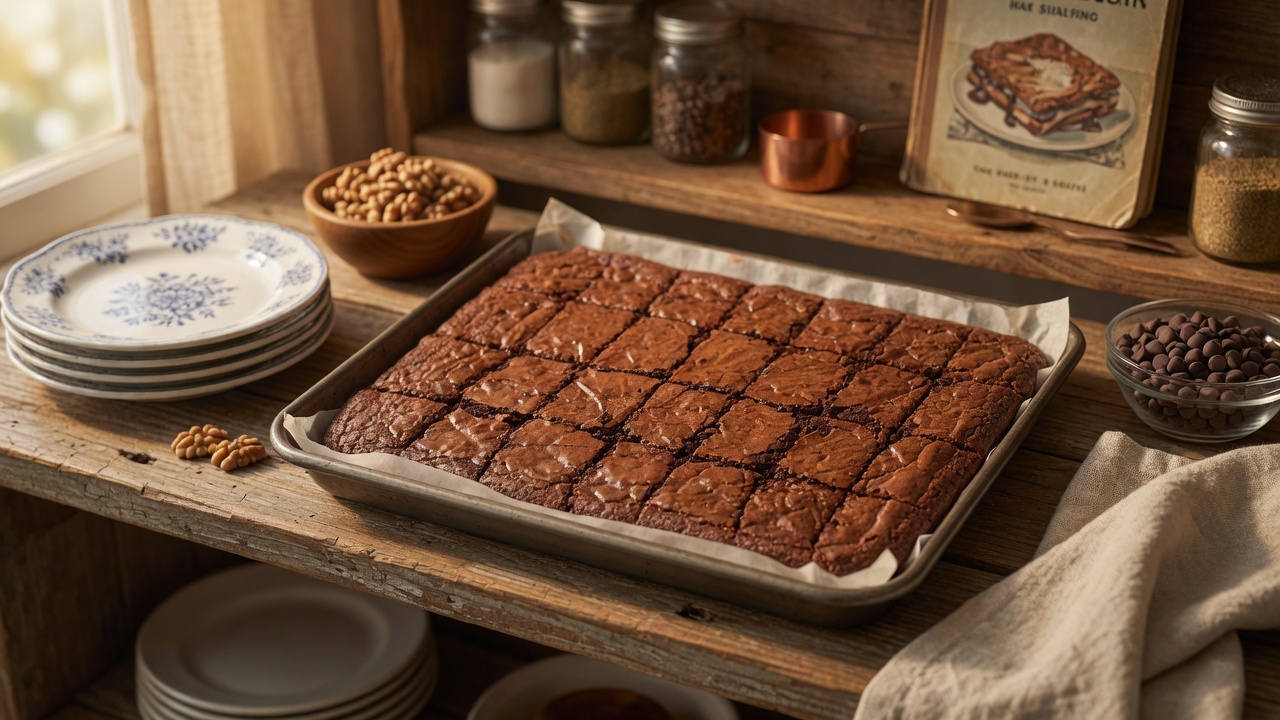
Sourdough Brownies
Elevate your dessert game with these sumptuous sourdough brownies.
16
servings25
minutes35
minutes300
kcal1
hourIngredients
8 tablespoons (113 g) unsalted butter
12 oz. (340 g) semi-sweet chocolate chips
½ cup (40 g) Dutch-processed cocoa powder (or regular cocoa powder)
2 teaspoons (10 g) vanilla extract
2 large eggs
1 egg yolk
1 cup (200 g) granulated sugar
½ cup (110 g) dark brown sugar
½ cup (125 g) sourdough starter discard
1 cup (120 g) all-purpose flour
1 teaspoon (5 g) salt
Directions
- Preheat your oven to 350°F (176°C) and line a 9″ x 9″ baking dish with parchment paper.
- Melt the butter in a small saucepan over low heat. Add the chocolate chips, vanilla extract, and Dutch-processed cocoa powder. Stir until smooth. Remove from heat and set aside to cool.
- In a large mixing bowl, beat the eggs, brown sugar, and granulated sugar with an electric mixer for 7-10 minutes.
- Add the sourdough discard and chocolate mixture to the bowl and beat on low until combined.
- Stir in the flour and salt until just combined; the batter will be thick.
- Pour the batter into the prepared baking dish and smooth the top. Bake for 35-40 minutes.
- Allow the brownies to cool completely in the pan before cutting into squares.
Notes
- Store cooled brownies in an airtight container for up to 7 days at room temperature.
- Freeze individual wrapped brownies for up to three months.
- Reheat thawed brownies in the microwave for 10-15 seconds on high for a warm, gooey treat.
Nutrition Facts
- Calories: 302kcal
- Fat: 15g
- Cholesterol: 52mg
- Sodium: 208mg
- Potassium: 178mg
- Carbohydrates: 39g
- Fiber: 3g
- Sugar: 27g
- Protein: 4g
- Calcium: 24mg
- Iron: 2mg